
Antique Vitrine Showcase
An antique vitrine showcase is a glazed enclosure designed to protect and exhibit precious objects, bringing historical craftsmanship directly into a modern room.
Antique Vitrine Showcase
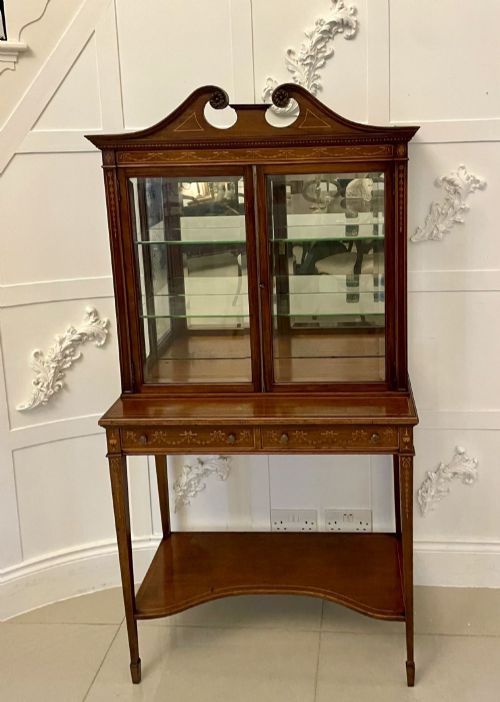
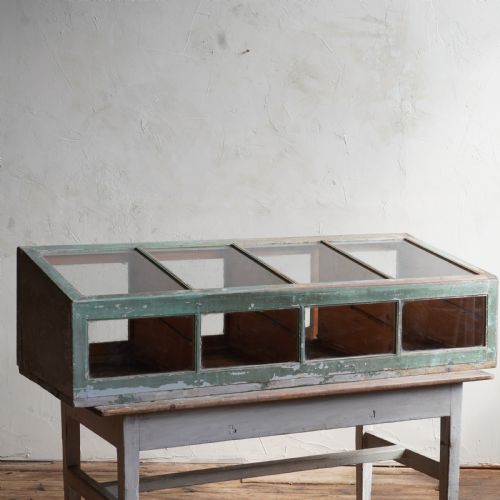
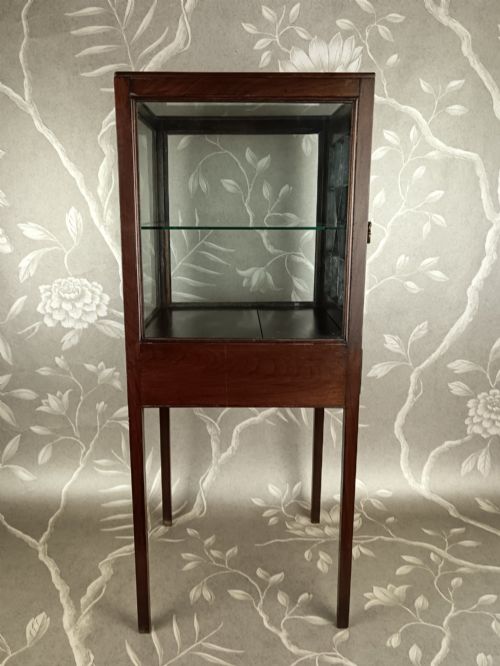
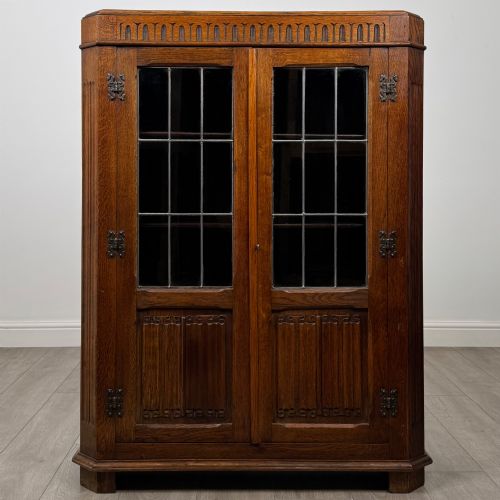
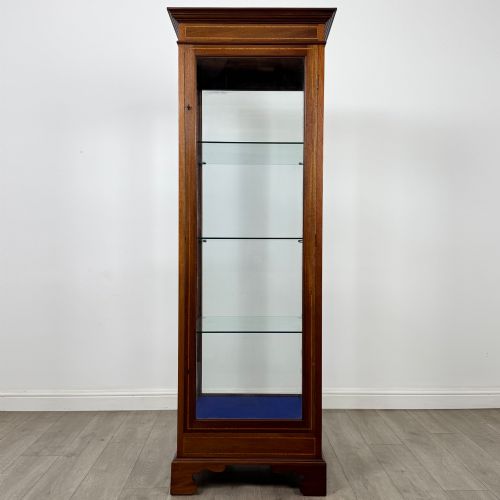
An antique vitrine showcase combines timber framing with expansive glass panels to hold delicate collections. These pieces function as architectural furniture that frames porcelain, silver, and curiosities within domestic or retail interiors.
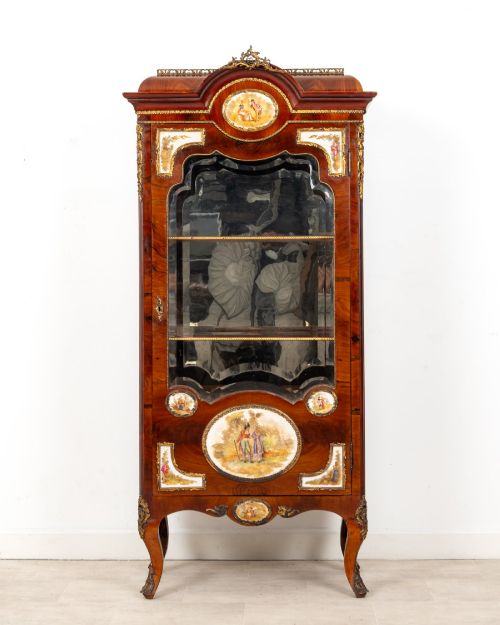
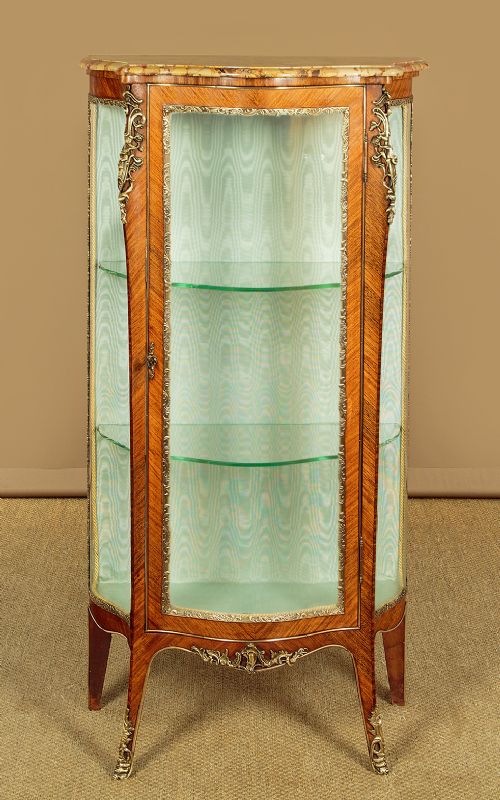
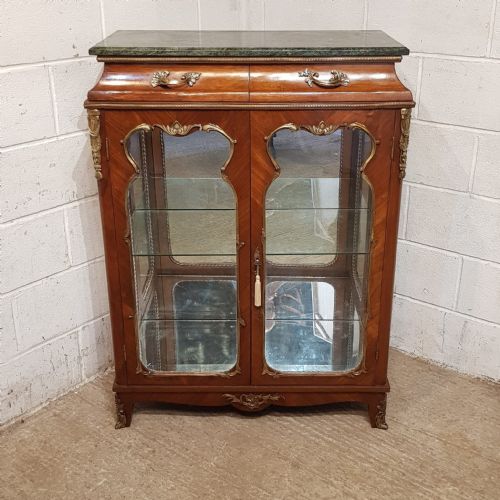
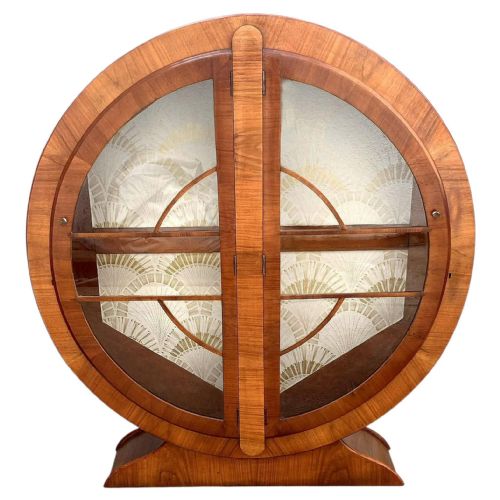
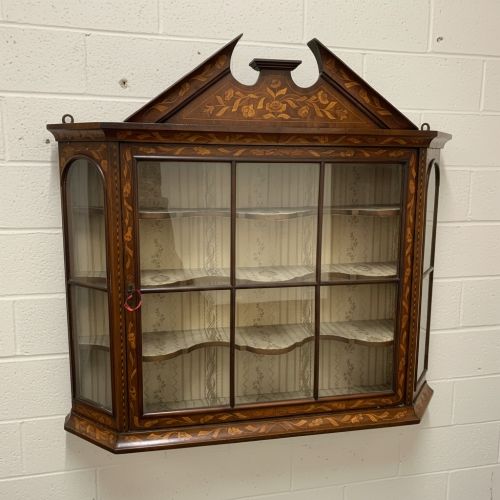
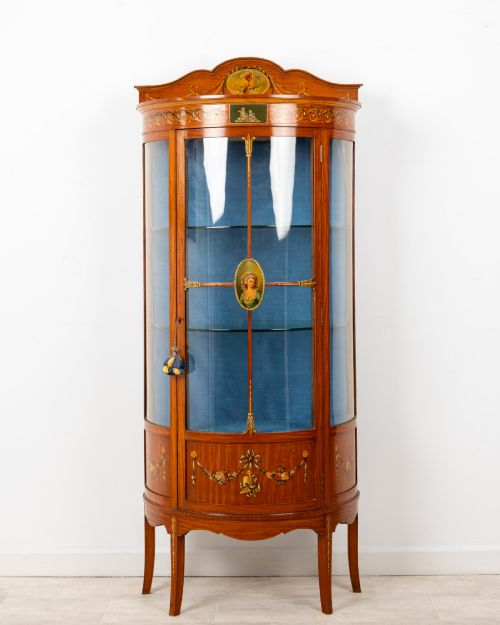
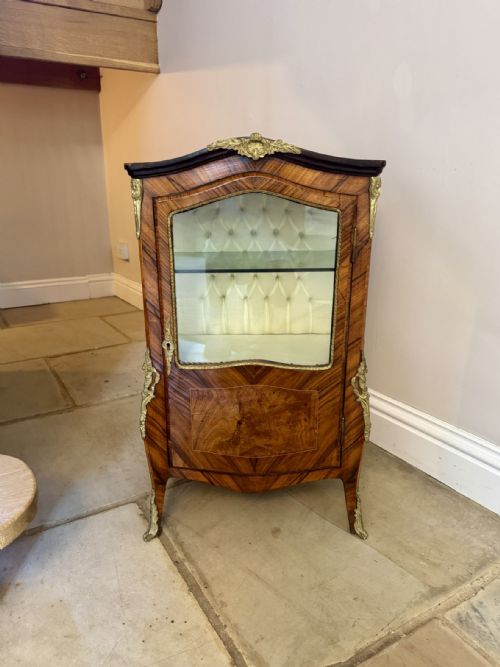
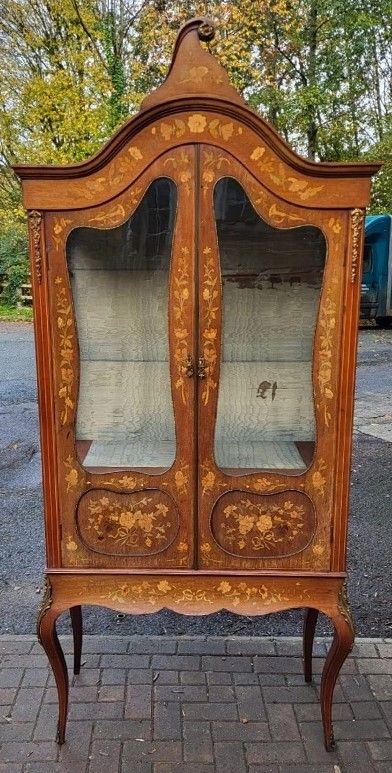
Examples stretch from eighteenth-century Dutch marquetry wall cabinets to Edwardian satinwood pieces and streamlined Art Deco designs. French influences appear repeatedly through Louis XV and Louis XVI styles alongside utilitarian shop fittings.
How they were made
Cabinets rely upon dense hardwood foundations including mahogany, walnut, oak, and satinwood, frequently enhanced by contrasting veneers like kingwood and amboyna. Artisans shaped these timbers into serpentine curves, bow fronts, and geometric Art Deco silhouettes.
Glazing dominates the construction, supported by slender timber muntins or cast brass frameworks. Metal mounts, ormolu, and delicate marquetry inlay decorate the exterior surfaces, while interiors occasionally utilise fabric linings and mirror backs to reflect ambient light.
Materials span solid mahogany, walnut, oak, satinwood, brass, ormolu, and fabric, alongside specialised glass display formats.
What varies in quality
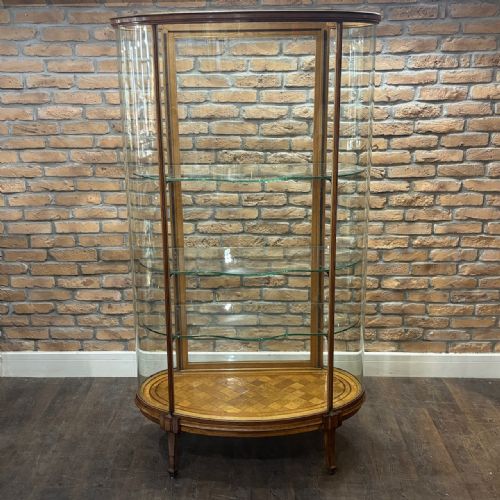
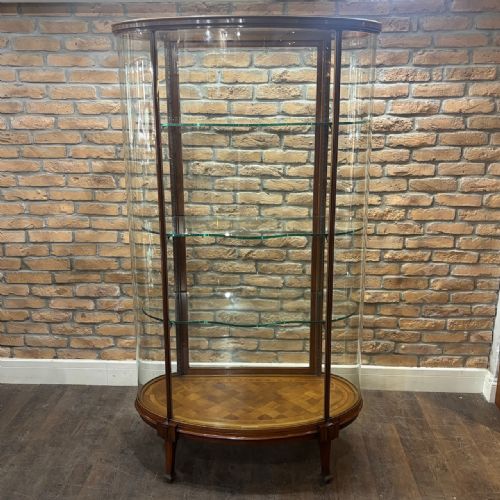
The distinction between standard commercial units and exceptional commissions rests upon the ambition of the design and the precision of the joinery. Elaborate hand-cut marquetry, finely cast ormolu mounts, and curved glass panels elevate a piece well above simple planar construction.
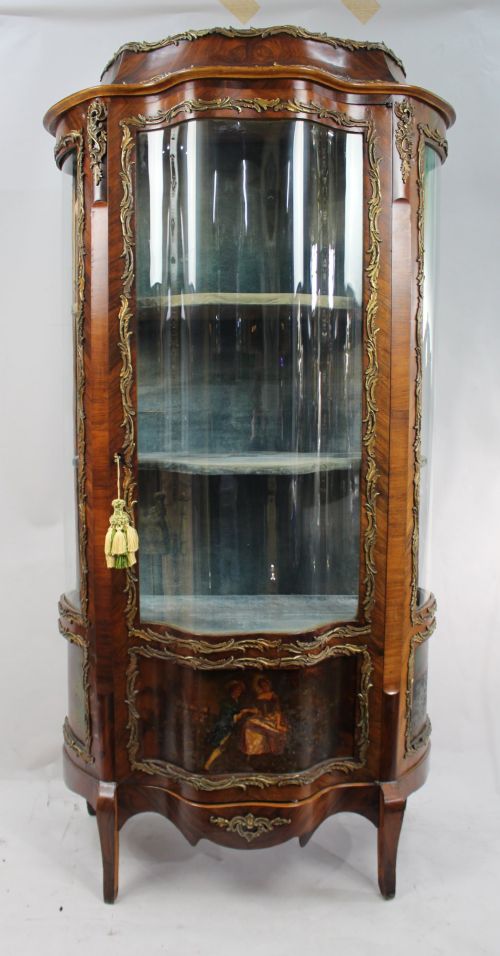
Origin and attribution exert considerable influence over the character of a cabinet. Pieces bearing documented workshop signatures or sophisticated French Vernis Martin painted panels demonstrate a higher order of specialist artisan labour.
F. Sage & Co·James Hicks·François Linke·Rurka
The Antique Vitrine Showcase Glossary
- Vitrine
- A glass-fronted display cabinet intended for the presentation of porcelain and small objects. It originates from the French term for glass.
- Ormolu
- Gilded bronze mounts applied to furniture for decorative effect. This technique was widely utilised during the eighteenth and nineteenth centuries.
- Marquetry
- The art of applying decorative pieces of veneer to a structure to form intricate patterns. Craftsmen use various coloured woods to achieve pictorial designs.
- Vernis Martin
- A form of simulated Japanese lacquer developed in France. It produces a glossy, translucent finish often found on fine decorative cabinets.
- Bijouterie
- A low glass table or cabinet designed specifically for displaying jewellery and small trinkets. These items often feature hinged glazed lids.
Antique Vitrine Showcase: Frequently Asked Questions
What is an antique vitrine showcase used for?
These cabinets served historically to house precious collectibles, ceramics, and books while protecting them from dust and handling. In modern interiors, they continue to provide dust-free display space for curated personal collections.
Commercial variants originated as shop display counters and vitrines designed to merchandise high-end goods to Victorian and Edwardian shoppers. Domestic versions brought this same optical clarity into the drawing room.
How do I distinguish Edwardian from Victorian cabinets?
Victorian display furniture frequently employs dark mahogany, amboyna, or ebonised timber with heavy carving and dense inlay. The aesthetic leans toward formal Victorian gravity and elaborate architectural presence.
Edwardian pieces often utilise lighter satinwood, painted floral marquetry, and brighter mahogany finishes. The overall visual weight is considerably lighter, reflecting changing twentieth-century interior tastes.
Where should I place a glass display cabinet?
Position these cabinets away from direct sunlight to prevent delicate wood veneers from fading and fabric linings from degrading. Placing them perpendicular to primary light sources maximises the illumination entering through the glass panels.
Ensure the floor surface is level because tall freestanding vitrines rely on structural stability to keep glass doors aligned. Wall-mounted variants require secure fixing into solid masonry or studwork to support heavy timber and glass.
How do I identify French revival styles?
French revival pieces incorporate curving cabriole legs, serpentine fronts, and gilt bronze or ormolu mounts inspired by eighteenth-century court furniture. Makers applied these decorative motifs to recreate Rococo and Neoclassical elegance.
Authentic period indicators include traditional hand-cut dovetailing on internal drawer construction and aged patination on the timber. The integration of curved glass panes further signals high-level cabinetmaking skill.