


Antique Virgin Mary Art
When you seek antique virgin mary art, you encounter centuries of devotional expression rendered in oils, carved wood, and gold.
Antique Virgin Mary Art
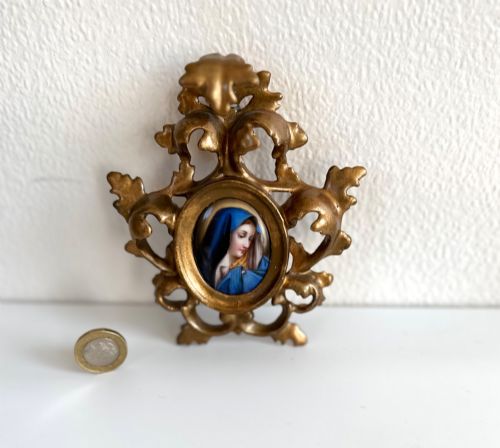
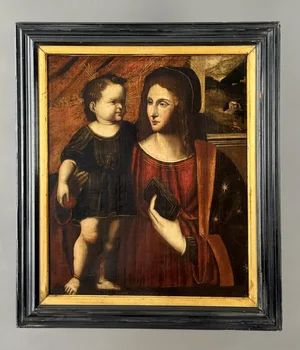
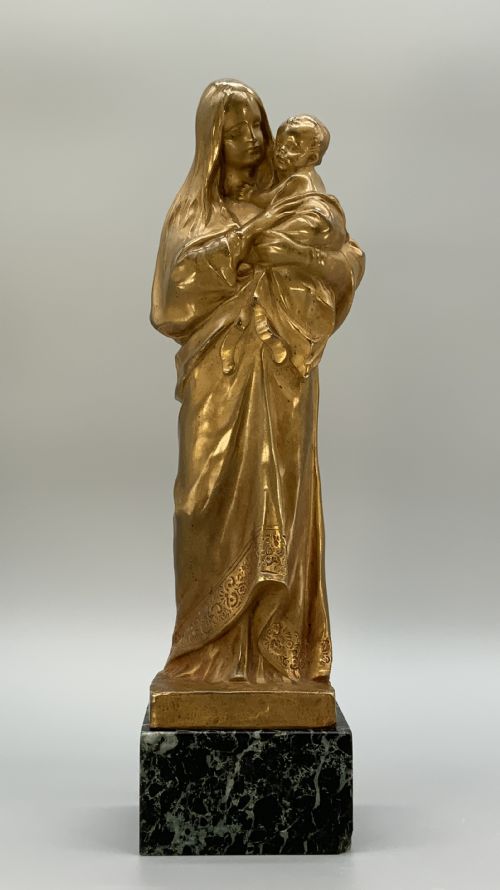
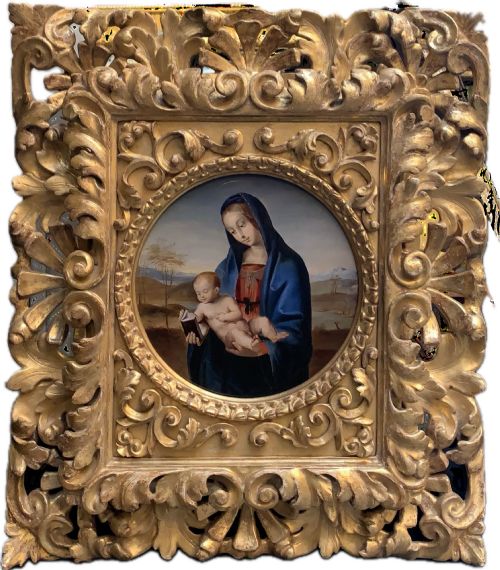
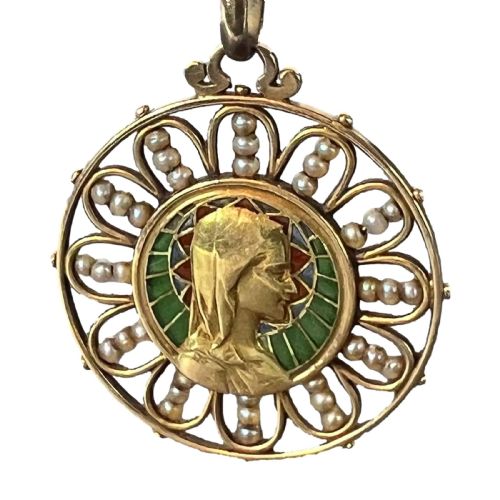
Antique virgin mary art spans oil paintings, carved sculptures, and devotional jewellery across several centuries. The selection encompasses canvas works by regional European schools alongside compact French gold pendants.
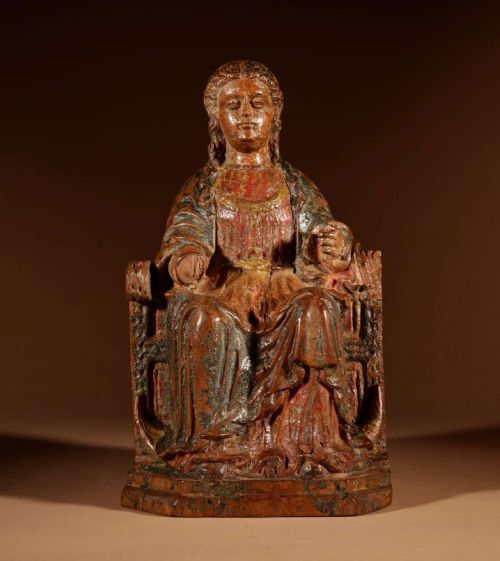
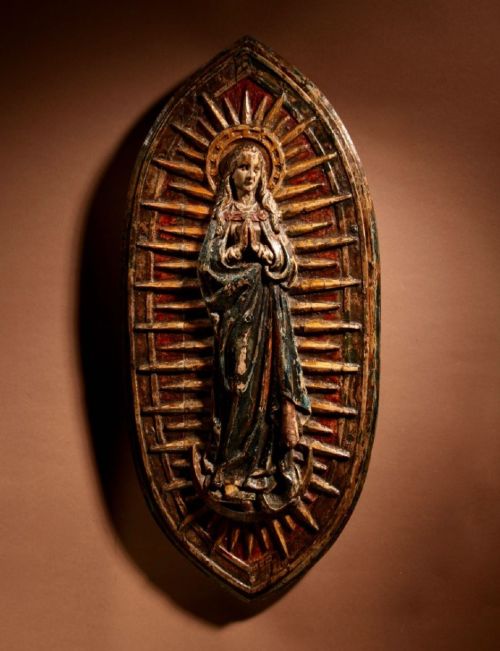
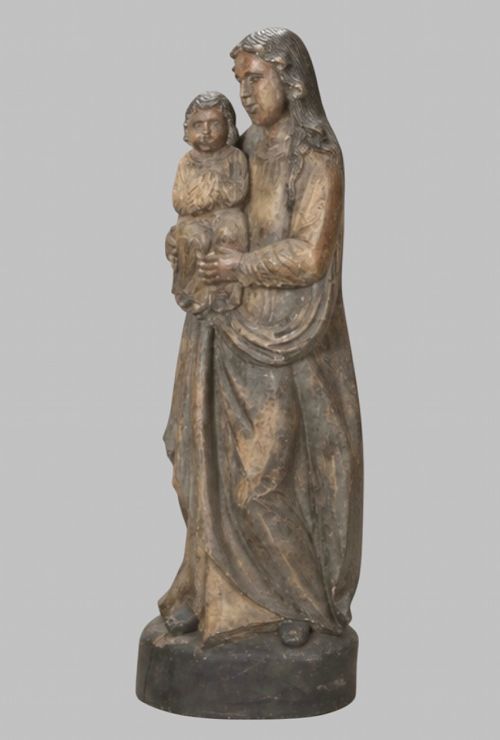
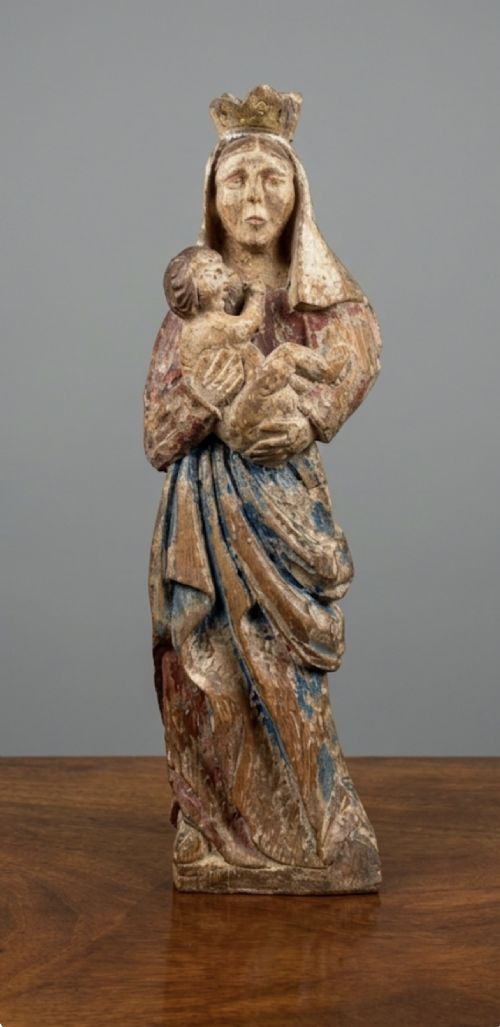
Wooden sculptures date from medieval and sixteenth-century periods, depicting figures such as the Madonna on a throne or standing on the half moon. Canvas works range from seventeenth-century Italian pieces to eighteenth-century interpretations after Raphael.
How they were made
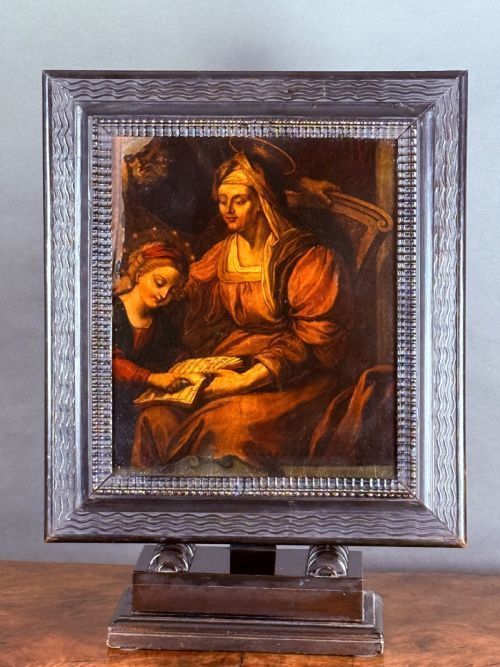
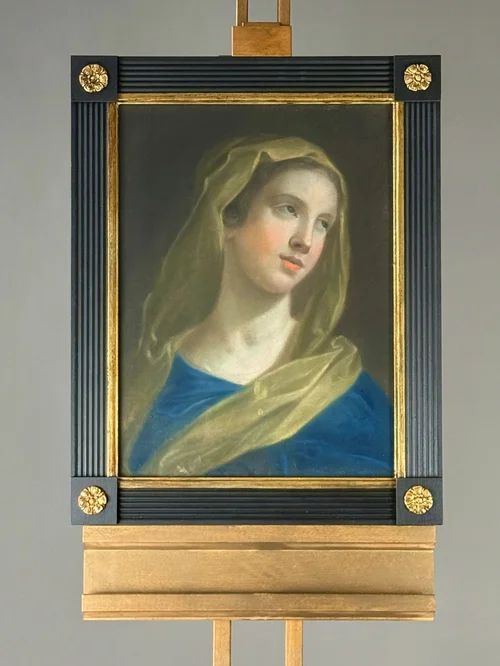
Painters utilised oil on canvas, pastel, and reverse glass mezzotint techniques, often applying pigments over gesso grounds. Canvases capture devotional subjects through layered glazes and detailed brushwork characteristic of old master followers.
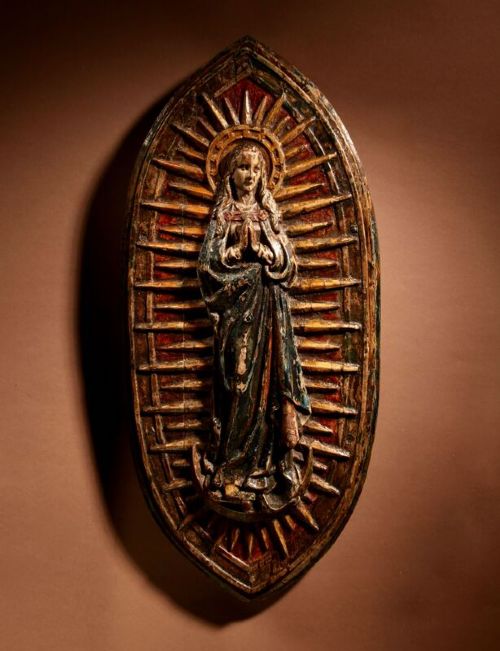
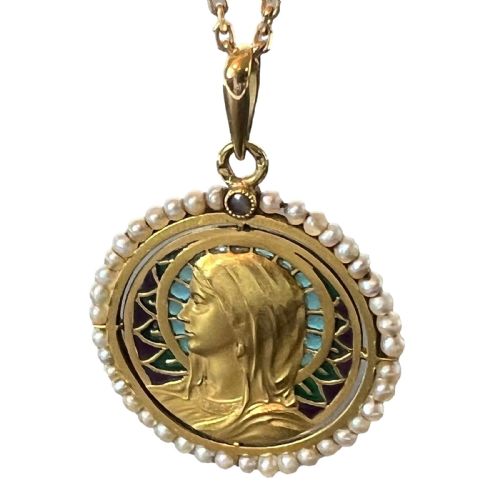
Sculptors carved figures from oak, walnut, and other timbers, frequently finishing surfaces with polychrome paint and gold leaf. Goldsmiths shaped eighteen-carat yellow gold into pendants utilising the plique-à-jour enamel technique, suspending translucent coloured glass within wire frameworks.
Several depictions of the Virgin Mary include a snake beneath her feet, referencing classical medieval symbolism.
What varies in quality
Enamelled gold medals differ in the precision of their plique-à-jour cells and the preservation of original pearls and borders. Older canvases reveal distinctions in pigment stability, canvas weave, and the extent of historical surface restoration.
Hans Müller·Emile Monier·George Kemper·Emile Dropsy·Mazzoni
The Antique Virgin Mary Art Glossary
- Plique-à-jour
- An enamelling technique where enamel is applied in open cells without a backing metal, allowing light to shine through the transparent glass.
- Gesso
- A plaster mix applied to wood or canvas as a smooth base for gilding and painting.
- Mezzotint
- A printmaking process where the copper plate is roughened to achieve tonal gradations in dark areas.
- Polychrome
- The practice of decorating architectural elements, sculpture, or pottery in a variety of colours.
- Pieta
- A subject in Christian art depicting the Virgin Mary cradling the dead body of Jesus.
Antique Virgin Mary Art: Frequently Asked Questions
What periods do these pieces cover?
The items span from the medieval era through the sixteenth, seventeenth, and eighteenth centuries up to the early twentieth century.
Works include sixteenth-century walnut sculptures, eighteenth-century oil paintings, and twentieth-century French gold pendants.
How were these religious artworks used?
Larger paintings and carved wooden panels served as altarpieces or devotional focal points in churches and homes.
Smaller items, such as gold pendants and medals, were worn close to the body as personal expressions of faith.
How do I care for antique wood sculptures?
Keep wooden figures away from direct sunlight and fluctuating humidity to prevent the timber from splitting or warping.
Dust surfaces gently with a soft dry cloth and avoid applying modern chemical polishes to historic painted finishes.
How do I identify a plique-à-jour pendant?
Hold the gold pendant up to a light source to see if the enamel panels are translucent like stained glass.
These pieces lack a solid metal backing behind the coloured enamel sections, distinguishing them from standard champlevé or cloisonné work.