




Antique Victorian Militaria
Antique Victorian militaria encompasses functional arms, helmets, and accoutrements from the nineteenth century that collectors acquire for their tangible connection to military history.
Antique Victorian Militaria
When you search for antique Victorian militaria, you encounter a diverse range of objects originating from the nineteenth century, reflecting the military campaigns and domestic service of the era. The selection spans utilitarian equipment, uniform components, and commemorative items rather than a single uniform category.
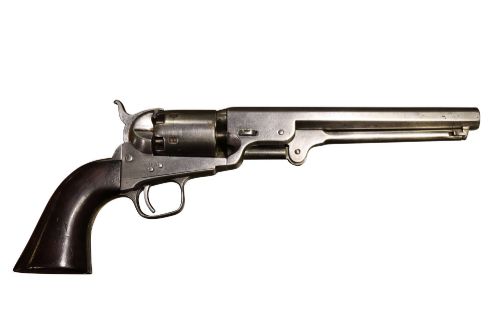
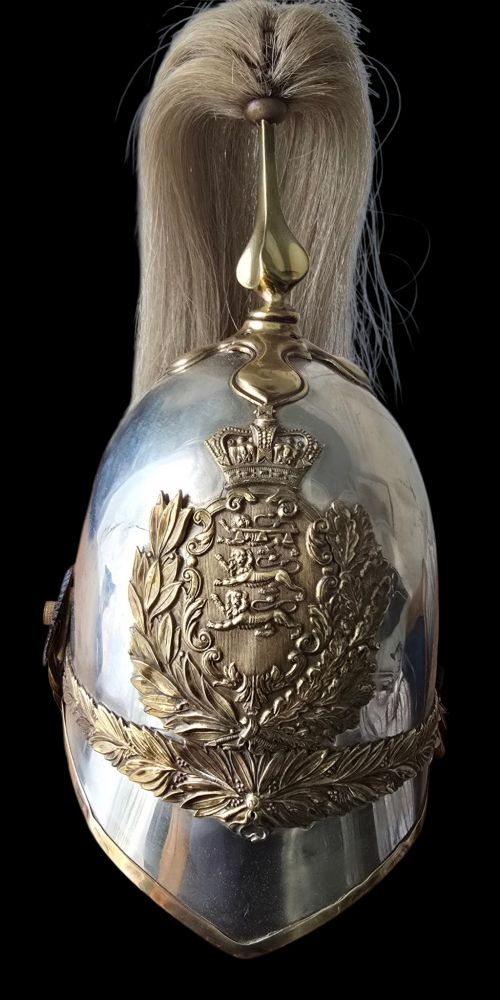
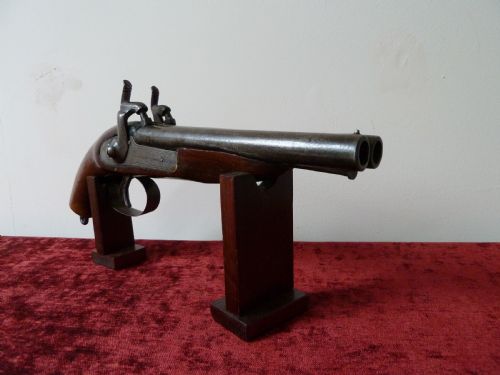
Firearms and edged weapons form a significant portion of what is available, including percussion revolvers, double-barrel pistols, and heavy cavalry sabres. Alongside these arms, buyers frequently encounter protective headwear such as cavalry helmets, lance caps, and bicorn hats.
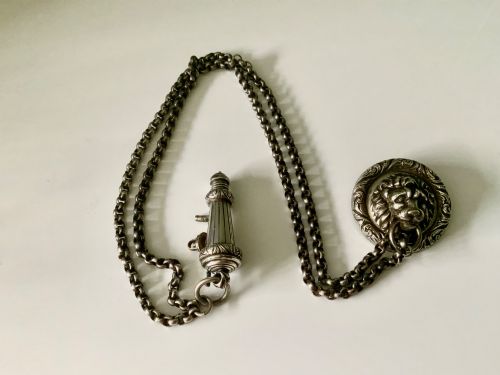
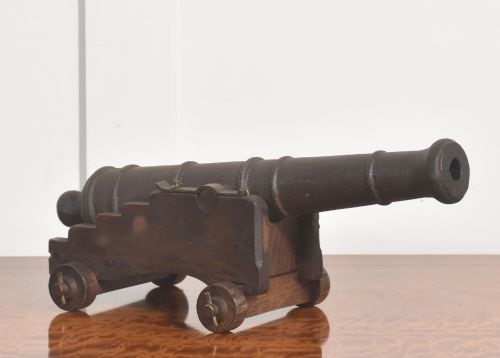
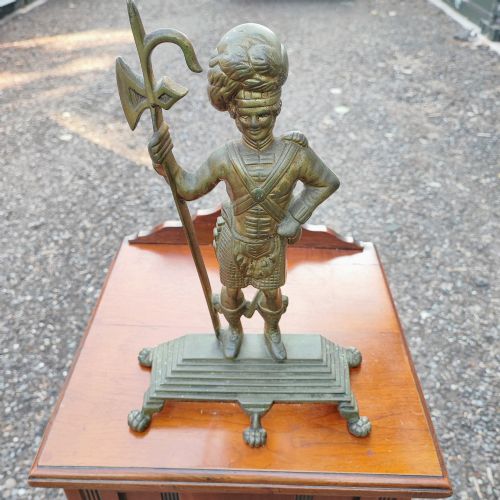
The material culture of this period also extends to field accessories like copper and horn powder flasks, signal cannons mounted on carriages, and decorative items such as brass doorstops shaped as soldiers. These pieces document both active service and the commemorative domestic culture of the Victorian military.
Materials and Construction
Metalworking defines much of this equipment, utilising brass, steel, iron, cast iron, and copper for barrels, helmets, flasks, and ordnance. These metals were cast, forged, or stamped depending on whether the object required structural rigidity or ornamental detail.
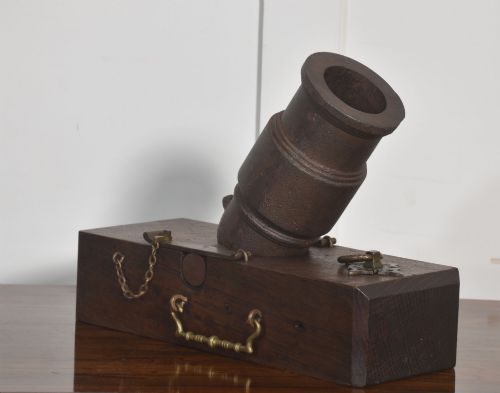
Organic materials such as walnut, oak, leather, and horn provide mounting, grips, and containers. Wooden carriages support signal mortars, while leather and horsehair construct components of military headwear and belts.
You can acquire a cast iron soldier shaped specifically to keep a Victorian door from slamming shut.
Assessing Quality and Manufacture
Quality in these pieces is evident in the precision of the mechanical action on firearms and the crispness of casting on metalwork such as cannons and helmet insignia. Maker-marked items from established firms demonstrate higher standards of commercial production.
The survival of original components, such as matching numbers on revolvers, intact horsehair plumes on helmets, and undisturbed brass fittings on powder flasks, determines the integrity of the piece. Craftsmanship appears in the execution of engraved details and the integration of wood and metal elements.
Deane Adams And Deane·Hawkes And Co·Colt·Potter
The Antique Victorian Militaria Glossary
- Percussion
- An ignition system for firearms developed in the early nineteenth century that relies on a percussion cap struck by a hammer to detonate the powder charge. This replaced flintlock mechanisms across military and civilian arms.
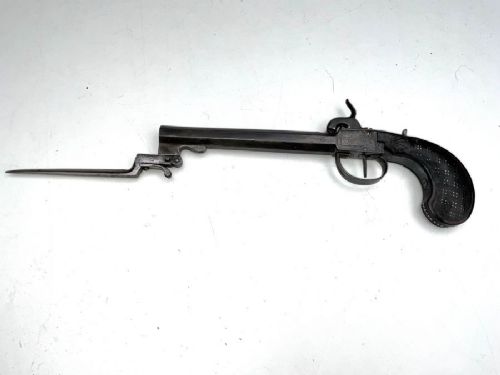
- Bayonet
- A bladed weapon designed to fit onto the muzzle end of a rifle or pistol for close combat. Examples range from socket patterns to those with integrated folding mechanisms.
- Powder flask
- A container made from copper, brass, horn, or leather used for carrying gunpowder safely. Many feature adjustable nozzles to meter out precise charges.
- Bicorn
- A two-cornered cocked hat worn by military officers during the nineteenth century. These felt or beaver-fur hats were often ornamented with cockades and gold lace.
- Signal cannon
- A small-scale cannon used for firing blank charges to signal events, mark time, or celebrate victories. They are typically mounted on wooden carriages.
Antique Victorian Militaria: Frequently Asked Questions
What firearms are typical here?
Percussion revolvers and pistols from the mid-nineteenth century dominate the firearm selections. These include pocket models and military-issue service weapons.
Many retain matching numbers or come with associated accessories like powder flasks and cases.
How do I identify helmet periods?
Headwear relies on specific patterns tied to particular regiments and decades, such as the 1871 pattern cavalry helmet. Materials like white metal, gilt, and horsehair plumes help date the construction.
Maker marks inside the leather sweatbands also provide direct attribution to Victorian outfitters.
What are powder flasks made from?
Powder flasks utilise copper, brass, horn, and leather, often featuring embossed decorative motifs or patent adjustable charges. Metal bodies frequently display geometric designs or military trophies.
Fittings are typically brass, designed to withstand regular field use.
Are these items functional?
Many nineteenth-century firearms and signal cannons are mechanically complete, though their operational status depends on condition and contemporary safety regulations. Buyers should consult individual descriptions regarding working actions.
Decorative objects and uniform pieces are preserved primarily for display and historical study.