



Antique Victorian Boots
These antique victorian boots and related hallway accessories combine practical utility with period charm for the country house or townhouse.
Antique Victorian Boots
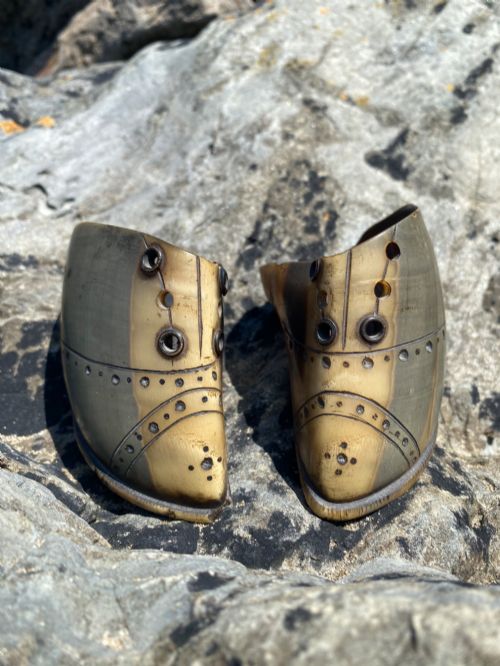
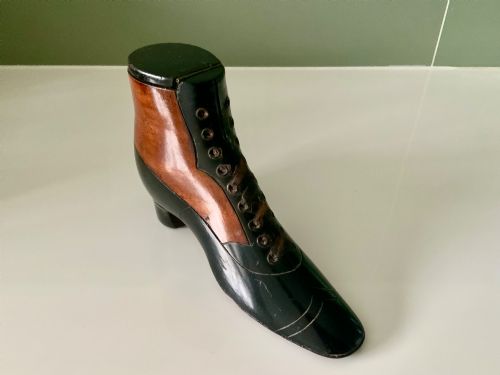
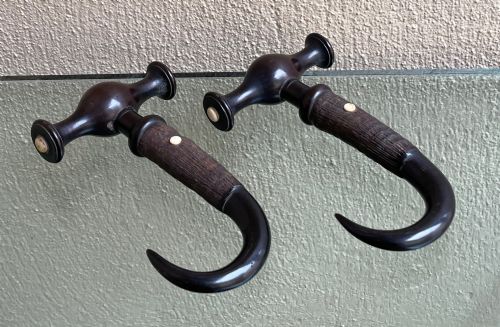
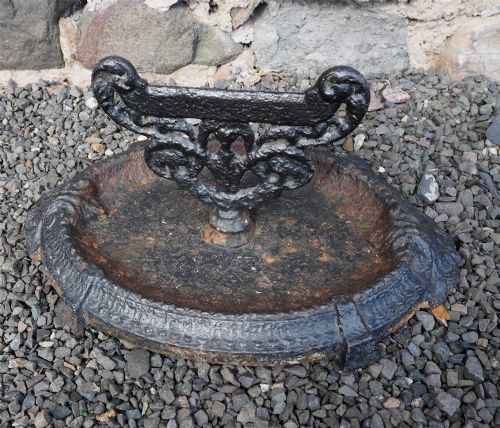
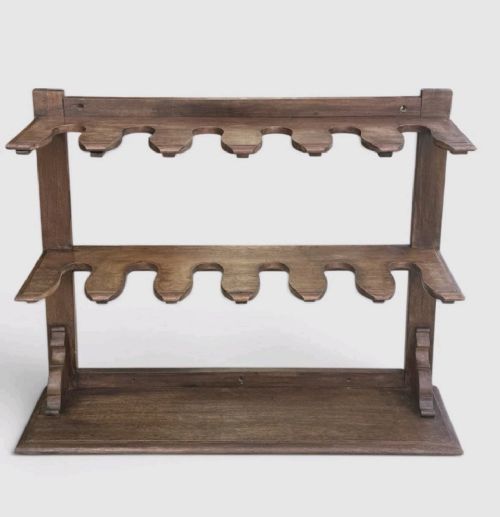
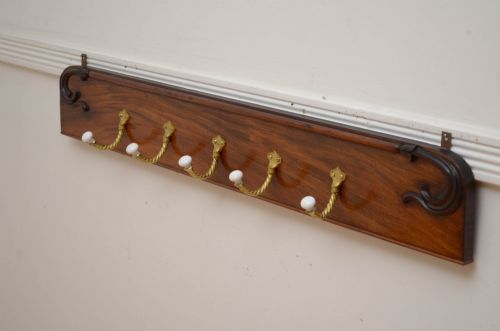
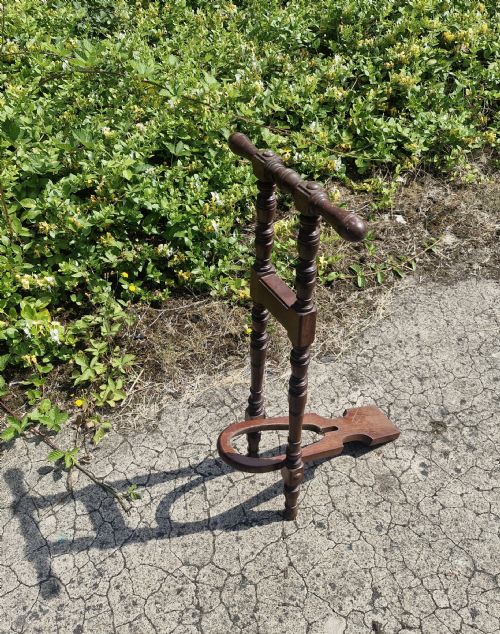
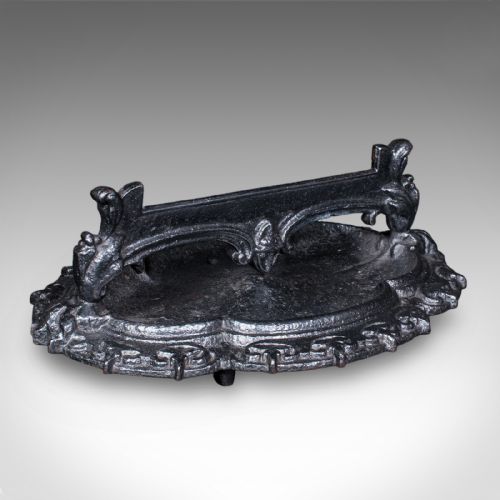
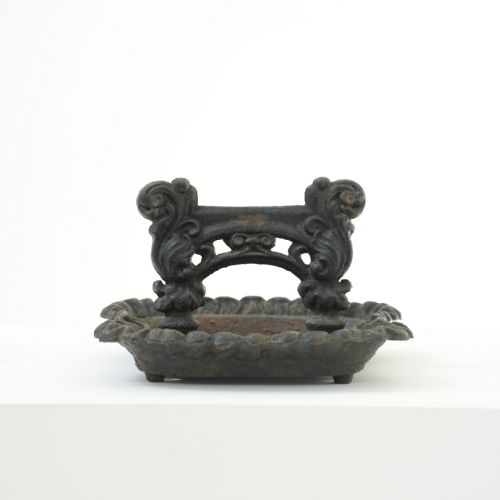
When you search for antique victorian boots, you encounter a varied selection of footwear, leather lasts, silver novelties, and heavy iron entry gear. The most frequent items you meet on this page are cast iron boot scrapers, wooden boot jacks, and mahogany shoe racks designed for the nineteenth-century hallway.
These pieces served practical domestic roles in grand country houses and urban townhouses alike. Alongside actual leather footwear and children's boots, makers produced specialised equipment such as boot pullers, whips stands, and revolving stands to manage mud and footwear.
How they were made
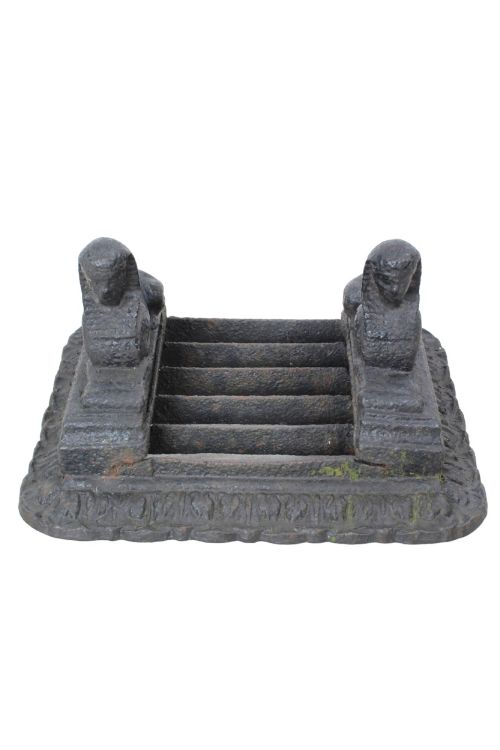
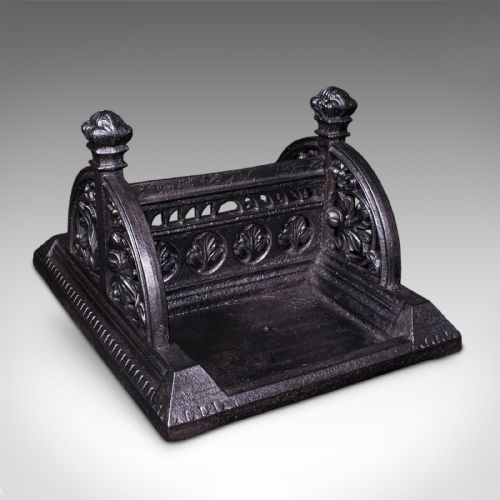
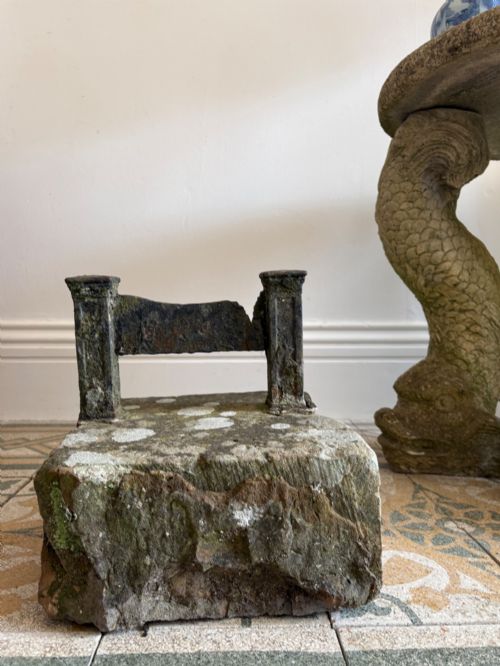
Foundry work dominated the production of outdoor hardware, utilising cast iron for sturdy boot scrapers and architectural entrance fixtures. Craftsmen frequently set these heavy iron scrapers directly into hewn stone blocks or mounted them near doorways to withstand daily weather and use.
Cabinet makers relied on hardwoods like mahogany, walnut, and oak to construct boot jacks, hall benches, and shoe racks. Artisans also incorporated brass, copper, and sterling silver into smaller items such as button hooks, pin cushions, and decorative equestrian cruet sets.
Antique Victorian Boots Retail Price Guide 2026
Typical asking prices for victorian boots among the pieces listed under this phrase on Sellingantiques today, from the lower quarter to the upper quarter. They describe what is for sale here now, not the wider market.
A winged creature perches on a silver-handled button hook, guarding footwear fasteners with mythical authority.
What varies in quality
The distinction between ordinary utility items and superior examples lies in the crispness of the casting and the selection of timber. Finely cast iron scrapers display sharp decorative motifs, including Egyptian Revival details, while better wooden boot jacks feature polished oak or figured walnut with brass mountings.
Integrity of construction and original surface patination dictate desirability among collectors. Pieces retaining their original hardware, such as twisted rope hooks or integrated shoe pulls, demonstrate superior preservation compared to heavily restored or altered examples.
Coalbrookdale·Maxwell London·Tom Hill·James Hayllar
The Antique Victorian Boots Glossary
- Boot scraper
- An iron fixture placed near a doorway for removing mud from the soles of footwear before entering the house.
- Boot jack
- A V-shaped wooden or iron device designed to hold the heel of a boot while the wearer steps out of it.
- Treen
- Small handmade wooden household objects valued for their tactile quality and historical domestic utility.
- Button hook
- A small handheld tool with a hooked wire end used for fastening nineteenth-century boots and gloves.
- Hall bench
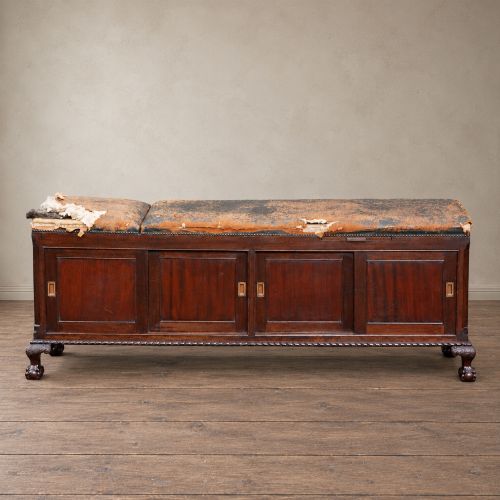
- A sturdy seat placed in an entryway, frequently incorporating storage space for shoes or boots underneath.
Antique Victorian Boots: Frequently Asked Questions
How were boot scrapers used?
Residents and visitors scraped mud and dirt from their footwear against the iron blade before stepping inside the doorway.
These heavy fixtures stood permanently outside townhouses and country houses to protect interior floor coverings.
How do I date a hall shoe rack?
Dating relies on timber selection, construction methods, and stylistic cues present in the woodwork or iron mounts.
Nineteenth-century examples often utilise solid mahogany, pine, or oak combined with hand-forged or cast iron hardware.
Where were boot racks kept?
Boot racks and stands lived in entrance hallways, boot rooms, and utility spaces designed for outdoor garments.
These pieces kept muddy footwear organised and accessible for daily riding and walking excursions.