




Antique Verge Clock
An antique verge clock is a mechanical timekeeper driven by early escapement technology, prized by collectors for its visible historical mechanics and traditional craftsmanship.
Antique Verge Clock
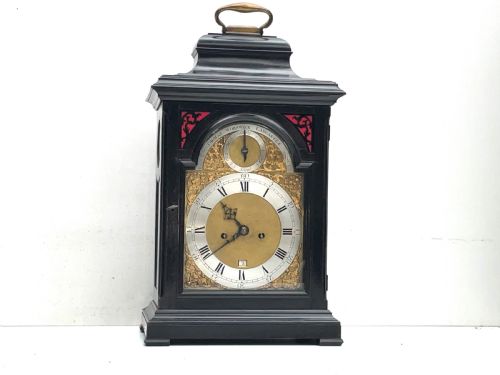
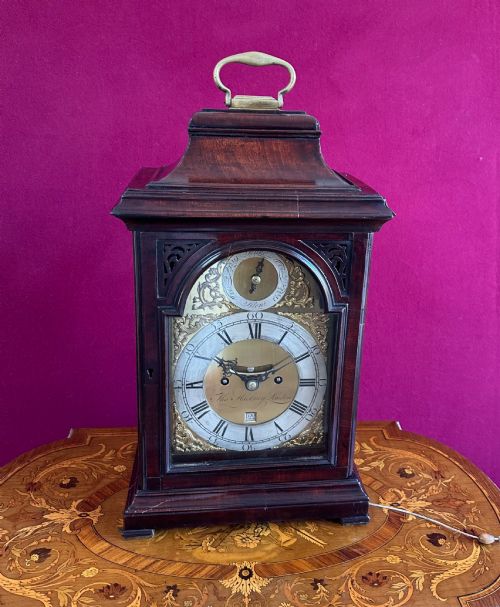
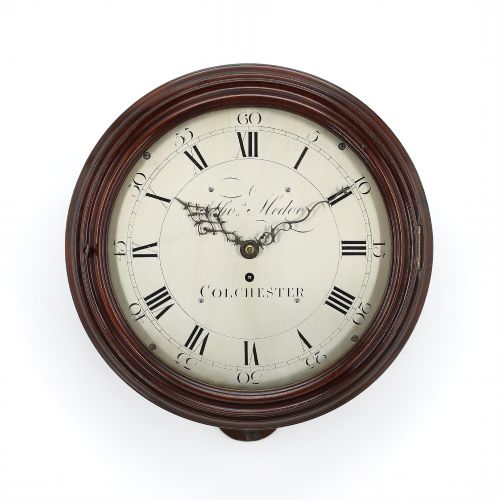
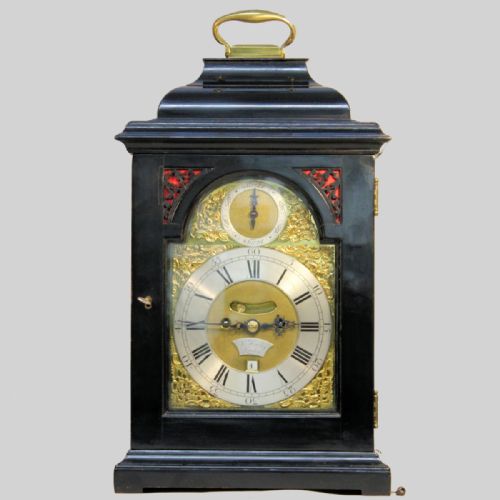
When you search for an antique verge clock, you encounter timepieces primarily originating from the eighteenth century and the Georgian period. These pieces encompass table clocks, bracket clocks, wall clocks, and lantern clocks.
The bracket clock form dominates the selection, frequently housed in mahogany or ebonised wood cases with bell-top designs. Lantern clocks and wall clocks also appear, representing earlier domestic horology.
Makers from London and provincial centres such as Colchester produced these works. Stylistic variations span from Queen Anne influences through to Regency designs.
How they were made
Cases utilise timber such as mahogany and ebonised wood, paired with brass mounts and glass panels to enclose the movement. Dials feature painted metal or silvered metal alongside steel and iron components.
The distinguishing mechanical feature is the verge escapement, which regulates the gear train via a crown wheel and pallet foliot or balance. Many examples incorporate striking mechanisms acting on bells, quarter repeating functions, or alarms.
Several makers ensured owners knew the time in the dark by incorporating quarter repeating mechanisms that chimed upon request.
What varies in quality
Quality separates through the integrity of the original movement and the execution of the casework. Master horologists signed dial plates and movements, adding distinction to specific pieces.
The sophistication of the internal mechanism, such as quarter striking or musical capabilities, elevates a piece. Furthermore, the retention of original bell-top wooden cases and brass mounts defines the standing of the clock.
Thomas Hedge of Colchester·Windmills and Bennet·William Barrow·Andrew Marchant·John Taylor·Isaac Hurley·Peter Debaufre·John Rapton·Asselin·Verger Freres
The Antique Verge Clock Glossary
- Verge escapement
- An early type of clock escapement using a crown wheel and a rod with two pallets. It creates the characteristic rapid tick and requires precise adjustment.
- Bracket clock
- A portable mechanical clock designed to sit on a bracket or table. They frequently feature intricate wooden cases and carrying handles.
- Lantern clock
- An early brass domestic clock style designed to hang on a wall or rest on feet. They usually display a single hand and prominent bell on top.
- Quarter repeating
- A complication that chimes the hours and quarters upon pulling a cord or lever. It allowed owners to tell the time in the dark.
- Bell-top case
- A style of wooden clock case featuring a stepped, curved dome resembling a bell. This silhouette became popular during the eighteenth century.
Antique Verge Clock: Frequently Asked Questions
What is a verge clock?
A verge clock is a mechanical timekeeper utilising an early escapement mechanism to control the release of power from the spring or weights. These pieces date predominantly from the eighteenth century.
They are housed in timber or brass cases, ranging from table bracket clocks to wall-mounted lantern clocks created by notable makers.
How do I wind an antique clock?
Winders use a matching key inserted into the winding holes on the dial face to tension the internal springs or pull up the weights. Care must be taken not to overwind the movement.
Consulting specific instructions for fusee or spring-driven movements ensures the longevity of eighteenth-century gear trains.
How do I identify a Georgian clock?
Georgian clocks exhibit architectural wooden cases made from mahogany or ebonised wood, often featuring bell-top silhouettes and brass mounts. The dial typically bears the signature of the maker.
Internal examinations reveal the characteristic verge escapement and striking trains associated with eighteenth-century production.