






Antique Venetian Mirror Frame
An antique venetian mirror frame brings extraordinary Italian glass and carved detail to a room, offering the light and drama collectors seek.
Antique Venetian Mirror Frame
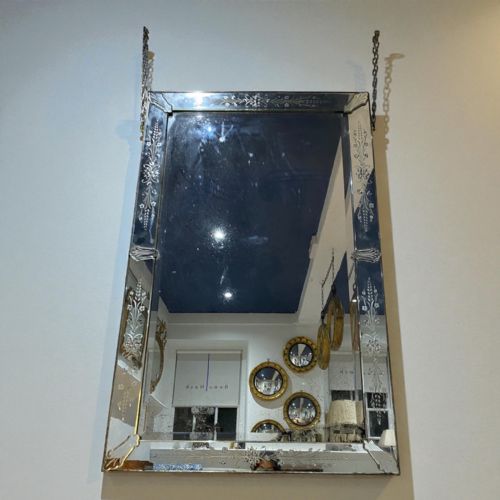
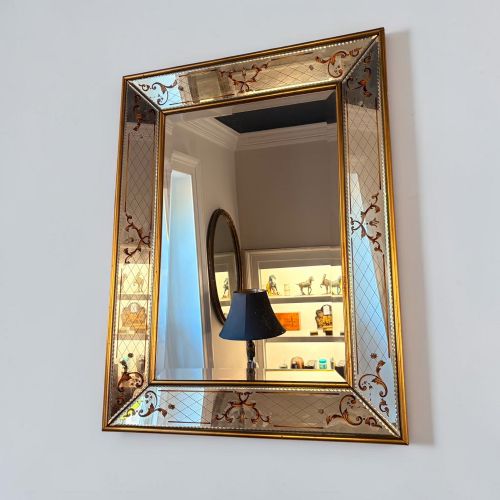
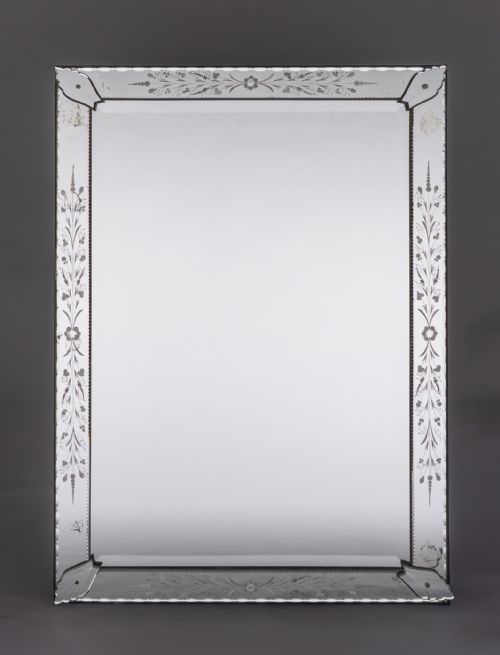
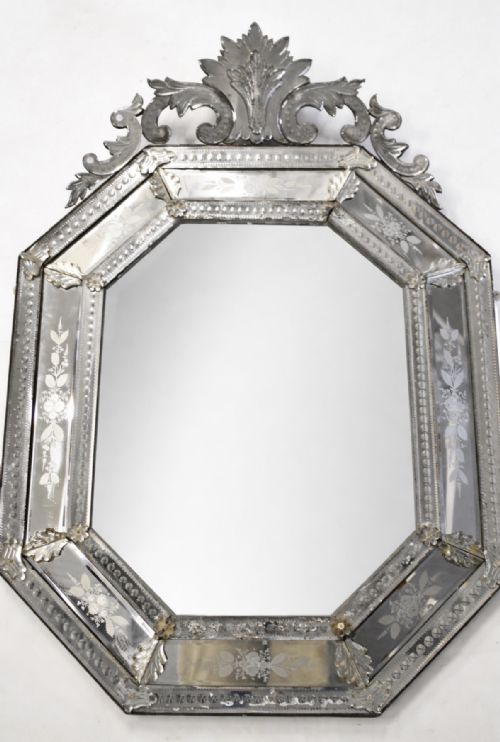
An antique venetian mirror frame embodies centuries of Italian decorative skill, appearing in forms ranging from grand wall mirrors to delicate pier glasses and cushion styles. Collectors encounter pieces originating across the eighteenth, nineteenth, and early twentieth centuries, fashioned predominantly as wall mirrors.
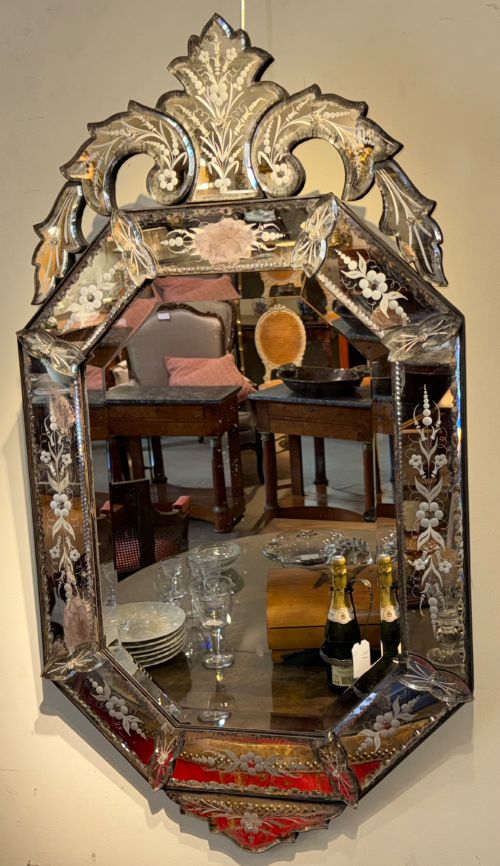
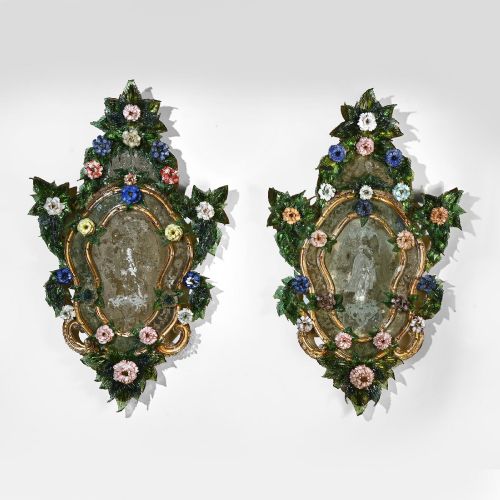
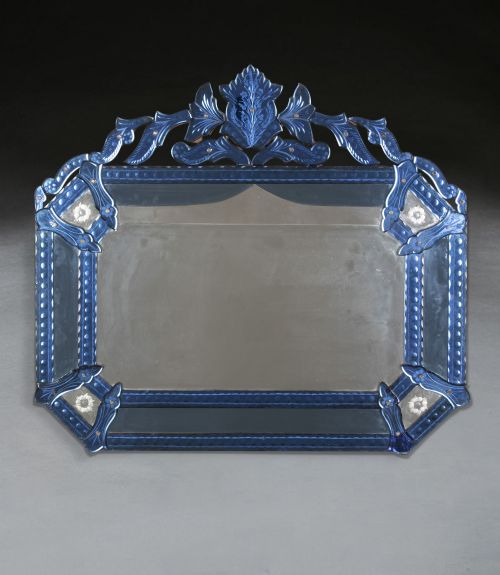
The selection encompasses elaborate Rococo revival designs alongside vibrant coloured glass borders in blue, ruby red, and pink. Many examples incorporate engraved plates, painted floral motifs, and marginal glass sections that reflect light from multiple angles.
Makers produced these works to command attention within principal rooms, utilising distinct regional aesthetics such as Murano craftsmanship. The surviving pieces demonstrate remarkable variety in scale, from intimate photograph frames to large overmantle installations.
Materials and Construction
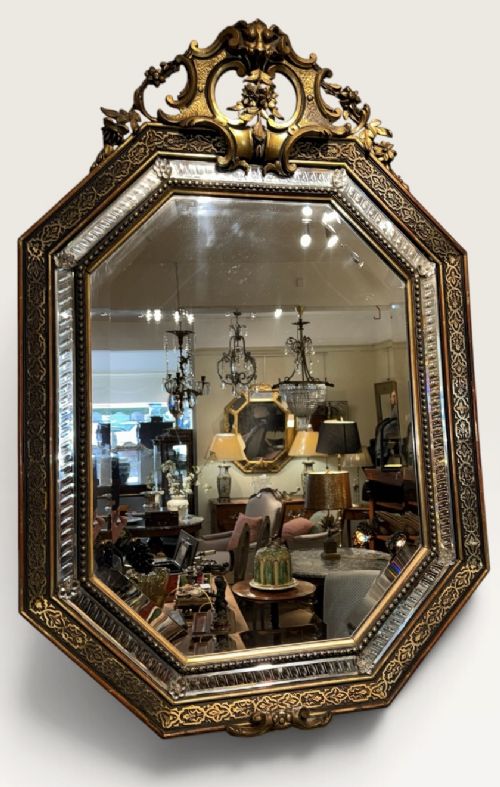
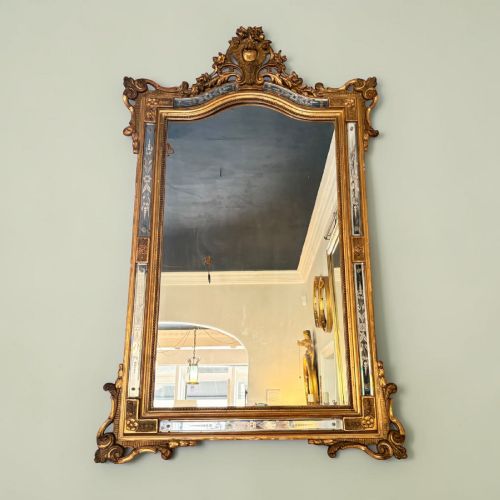
Artisans built the structural foundations primarily from wood, applying gesso and giltwood to create ornate relief decoration before mounting mirror glass plates. Carved gilt-wood elements provide stability and contrast against the fragile glass components.
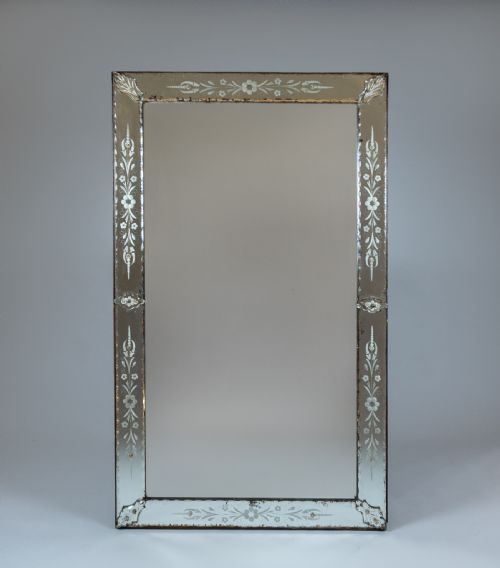
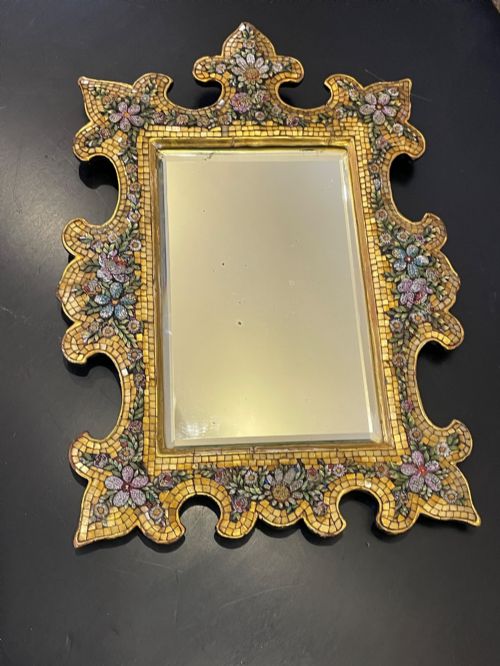
The mirror plates themselves feature hand-cut and etched designs, often finished with bevelled edges and foxed patination. Artisans also integrated coloured glass margin plates and micro mosaic details secured with metal fixings.
Antique Venetian Mirror Frame Retail Price Guide 2026
Typical asking prices for venetian mirror frame among the pieces listed under this phrase on Sellingantiques today, from the lower quarter to the upper quarter. They describe what is for sale here now, not the wider market.
The available selection includes wall mirrors, pier glasses, and cheval mirrors executed in Venetian, Rococo, and Neo-Classical styles.
Distinctions in Quality
Quality rests upon the depth of the carving and the intricacy of the glass cutting, where hand-engraved plates outshine simpler commercial alternatives. The integration of coloured glass borders and painted details demands exceptional technical mastery from the workshop.
The preservation of original mirrored glass plates and giltwood surfaces dictates the standing of a piece within the field. Superior examples maintain structural integrity alongside authentic signs of age, such as natural foxing on the reflective surface.
The Antique Venetian Mirror Frame Glossary
- Cushion mirror
- A frame constructed with a convex, sloping outer border of glass panels that directs light inward toward the central plate. This form gained immense popularity in Venetian workshops.
- Girandole
- A wall mirror equipped with attached candle sconces designed to multiply candlelight in a room. These pieces often feature elaborate carved frames with putti and floral motifs.
- Pier glass
- A tall, narrow mirror designed specifically to hang on the wall space between windows. They frequently incorporate hand-painted decoration and matching console tables.
- Foxing
- The natural age-related spots and discoloration appearing within the silver backing of antique mirror glass. Collectors value genuine foxing as an indicator of period authenticity.
- Murano glass
- Glass produced on the Venetian island of Murano, renowned for clarity, colour, and advanced manipulation techniques. It forms the decorative heart of many traditional frames.
Antique Venetian Mirror Frame: Frequently Asked Questions
How do I date an antique venetian mirror frame?
Dating relies on examining the construction methods of the wooden backing, the composition of the gesso, and the characteristics of the glass plate itself. Hand-bevelled edges and natural foxing patterns offer reliable clues to nineteenth or eighteenth-century origin.
Stylistic markers such as Rococo curves or Victorian ebonised details further narrow the period. Comparing the engraving style on the glass helps confirm the workshop era.
Can I hang a heavy antique venetian mirror safely?
Hanging these frames requires professional assessment of the wall structure and the weight distribution across the wooden or giltwood chassis. Many pieces carry substantial glass and metal components that demand reinforced fixings.
Weight should rest securely on brackets rather than relying solely on old hanging wire. Consulting a specialist framer ensures the antique remains protected.
How should I clean an antique glass frame?
Cleaning demands a gentle touch using a soft, dry microfiber cloth to remove dust from carved giltwood and glass surfaces alike. Moisture must be kept away from old mirror edges and painted areas to prevent further deterioration.
Ammonia-based chemical cleaners destroy silvering and damage fragile glass borders. Professional conservation cleaning is recommended for heavily soiled or delicate pieces.
What causes foxing on old mirror glass?
Foxing occurs when atmospheric moisture penetrates the protective backing over decades, reacting chemically with the silver layer behind the glass. This process creates charming dark spots and soft cloudiness across the reflective surface.
Far from being a fault, this natural ageing proves the antiquity of the glass plate. Modern replacement glass lacks this characteristic appearance entirely.