




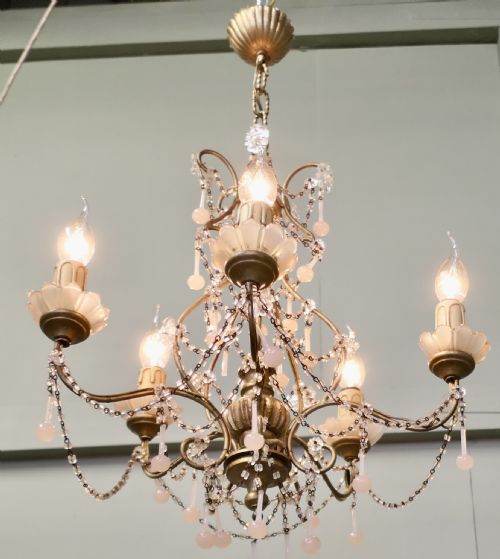
Antique Venetian Art
Antique venetian art spans centuries of oil paintings, watercolours, glass and mirrors capturing the lagoons, canals and palaces of Venice.
Antique Venetian Art
When buyers search for antique venetian art, they encounter a diverse selection of oil paintings, watercolours, mirrors, glass and clocks rooted in the traditions of Italy.
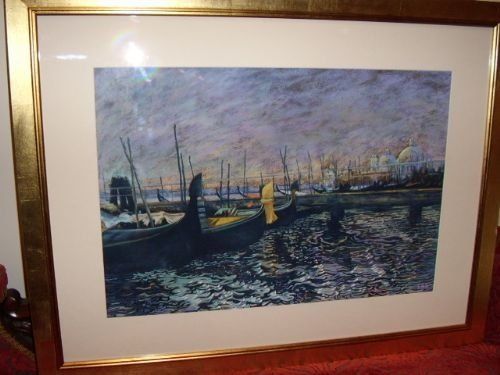
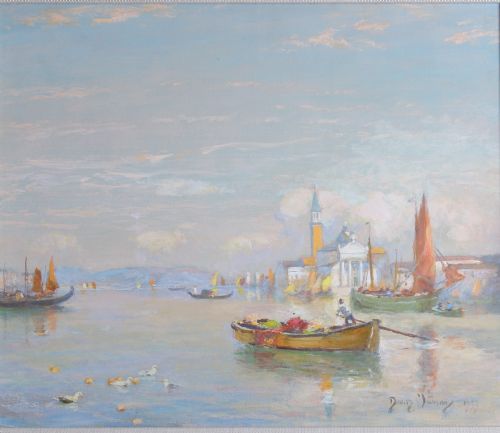
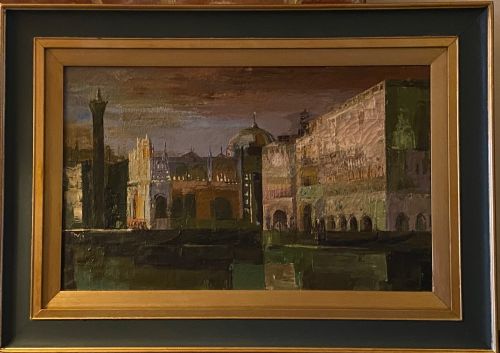
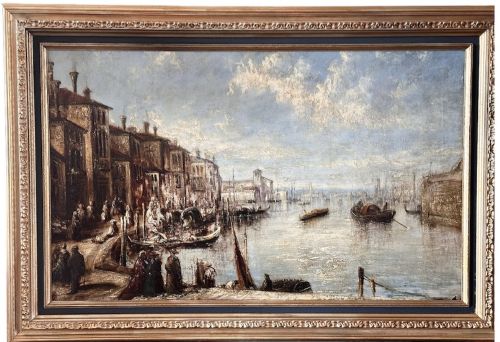
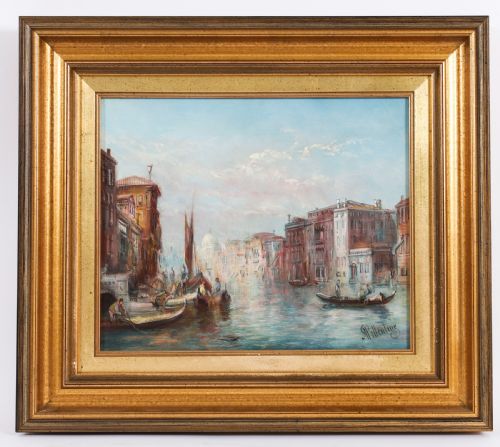
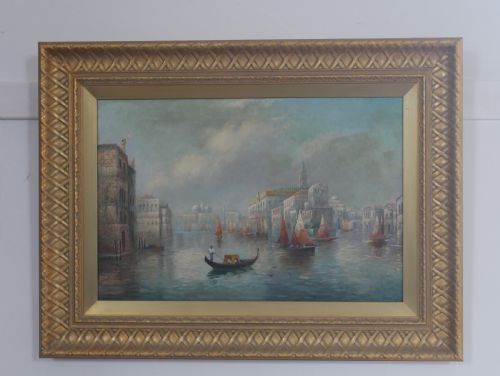
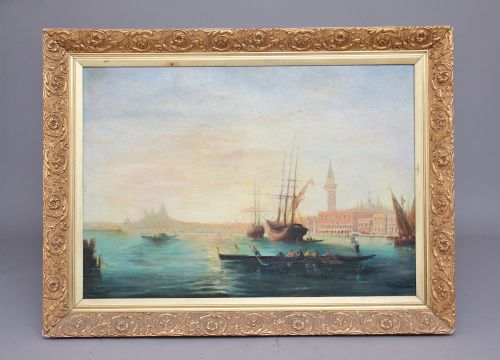
The most common versions met on this page include nineteenth-century and early twentieth-century oil paintings and watercolours depicting the Grand Canal and the lagoon, alongside Murano glass paperweights, lamps and mirrors.
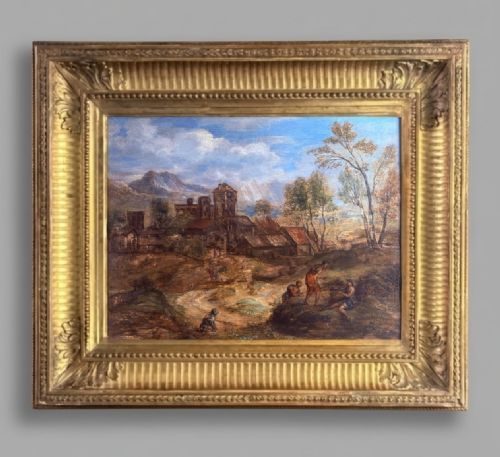
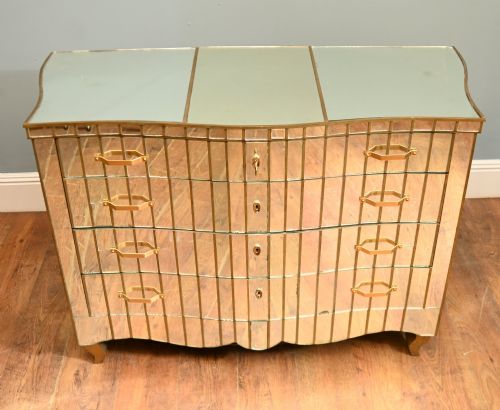
Works range from seventeenth-century landscapes and eighteenth-century school paintings to Art Deco glass and mirrored furniture from the nineteen-thirties.
How they were made
Painters utilised oil on canvas, oil on board, and watercolour on paper to capture the light and architecture of Venice.
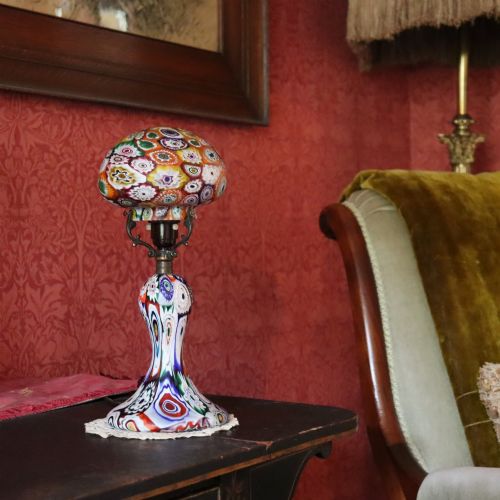
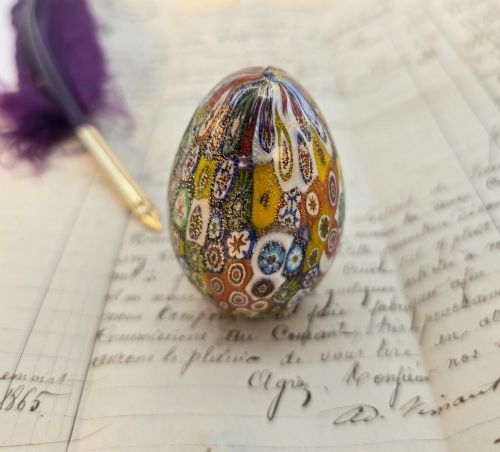
Glassmakers shaped Murano glass, incorporating millefiori and scrambled techniques into paperweights, bowls, lamps and vases.
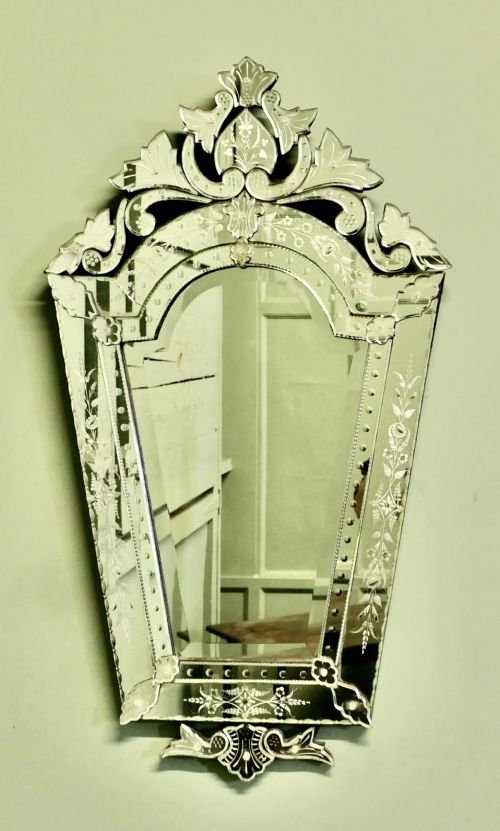
Craftsmen worked with wood, gilded wood, giltwood and mirrored glass to produce wall mirrors, wine trays, chests of drawers and wall clocks.
Antique Venetian Art Retail Price Guide 2026
Typical asking prices for venetian art among the pieces listed under this phrase on Sellingantiques today, from the lower quarter to the upper quarter. They describe what is for sale here now, not the wider market.
What varies in quality
The strength of the composition and the handling of light and perspective separate master painter works from routine topographical views.
In glass objects, clarity, precision of the millefiori canes and complexity of the internal patterns determine the standard of the piece.
The depth of the bevel, the preservation of the original silvering and the intricacy of the cut glass define the merit of mirrors and trays.
Fratelli Toso·Harry Powell·James Powell
The Antique Venetian Art Glossary
- Millefiori
- A glasswork technique producing multicoloured patterns resembling flowers, frequently seen in Murano paperweights and bowls.
- Giltwood
- Wood that has been treated with gold leaf or a gold-coloured gilt finish, commonly found on antique mirror frames and decorative furnishings.
- Topographical
- Pertaining to the detailed mapping or realistic depiction of a specific place, such as canals and landmarks in Venice.
- Panel
- A flat piece of wood or other rigid material used as a substitute for canvas as a support for oil paintings.
- Scrambled glass
- A glass manufacturing method where coloured fragments are mixed randomly within a clear matrix, creating a mottled effect.
Antique Venetian Art: Frequently Asked Questions
What periods do these pieces cover?
The inventory spans from the seventeenth century through the nineteenth and twentieth centuries.
Items range from seventeenth-century school works to Art Deco glass and furniture from the nineteen-thirties.
What materials are most common?
Paintings utilise oil on canvas, board and paper alongside watercolours.
Decorative objects and furnishings feature Murano glass, wood, gilded wood and mirrored glass.
How do I identify Murano glass?
Murano pieces typically display distinctive techniques such as millefiori canes, scrambled glass patterns and coloured glass vases.
Many examples date from the early twentieth century, particularly around nineteen-thirty.
What subjects appear in the paintings?
Artists frequently painted views of the Grand Canal, the lagoon, the Doges Palace and Venetian street scenes.
Portraits, religious subjects and landscapes by Venetian school painters also feature in the selection.