



Antique Veneer Mirror
When you search for an antique veneer mirror, you uncover timber frames scaled for walls, dressing tables and overmantels.
Antique Veneer Mirror
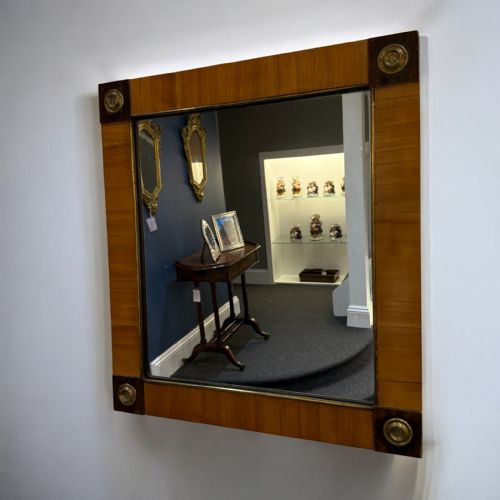
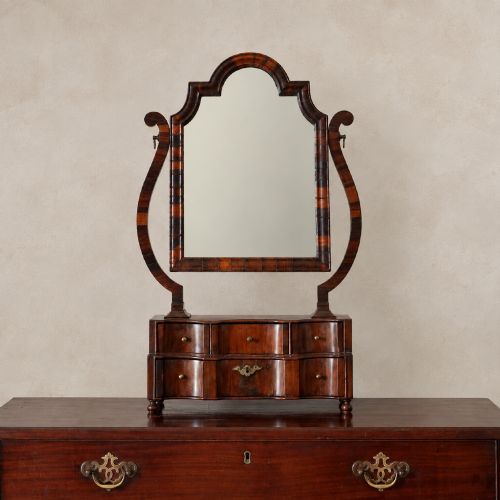
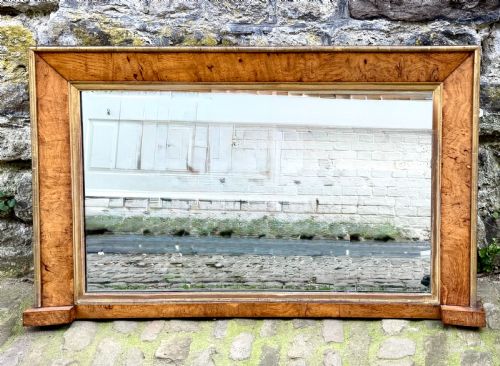
An antique veneer mirror brings together figured timber surfaces and reflective glass across several centuries of design. When you search for an antique veneer mirror, you encounter pieces ranging from compact 18th Century toilet mirrors to large Victorian and 1920 overmantels.
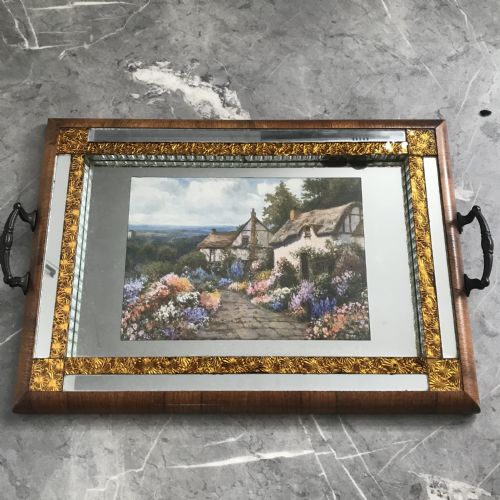
The selection here draws heavily on walnut, mahogany and burr timbers, alongside rarer choices such as laburnum and maserbirch. Wall mirrors and dressing glasses dominate the forms, supplemented by occasional console pieces and overmantel setups.
Geographic origins and stylistic influences stretch from Biedermeier and Art Deco to Georgian and Queen Anne traditions. Each period applies figured laminates differently, setting plain grain against striking radial or oyster patterns.
Construction and materials
Cabinetmakers applied thin slices of decorative hardwood onto stable secondary wood foundations using animal glues. This technique allowed workshops to display rich grain patterns like burr walnut and mahogany without exhausting solid timber supplies.
Frames frequently incorporated brass fixings, gilt accents and bevelled mirror glass alongside the primary wood veneer. Edge mouldings and crossbanding protected the vulnerable borders where the thin timber lamina met the structural carcase.
The listings span multiple centuries, uniting 18th Century walnut toilet mirrors with 1920 Art Deco wall pieces.
Assessing craftsmanship and finish
Quality rests upon the selection and symmetry of the wood veneer, where master craftsmen matched grain patterns across the frame. Superior examples display continuous figuring that flows seamlessly around corners and mouldings.
The depth of the polishing and the preservation of the original backing glass define the visual integrity of the piece. Timbers that retain their natural warmth and subtle lustre indicate careful historical maintenance.
Jean Faure
The Antique Veneer Mirror Glossary
- Veneer
- A thin layer of figured hardwood applied to a secondary timber base to create decorative surfaces.
- Oyster veneer
- Circular cross-sections of branch wood sliced to resemble oyster shells, popular in seventeenth-century cabinetmaking.
- Toilet mirror
- A smaller dressing glass mounted on a box base or pivoting frame, designed for tabletops and chests.
- Overmantel mirror
- A wide looking glass proportioned specifically to hang above a fireplace mantelpiece.
- Biedermeier
- A Central European style from the nineteenth century favouring clean architectural lines and expressive blonde wood veneers.
Antique Veneer Mirror: Frequently Asked Questions
How do I clean an antique veneer mirror?
Use a soft, dry microfibre cloth to remove dust from the timber frame without applying modern chemical polishes. Take care to keep moisture away from the edges of the mirror glass.
Excessive liquid can seep beneath the veneer layer or damage historical surface finishes. Gentle maintenance preserves the natural patina accumulated over the decades.
Are antique veneer mirrors fragile?
The thin timber layers require stable indoor humidity to prevent the animal glue from drying out. Sudden temperature shifts can cause the veneer to lift or crack along the grain.
Placement away from direct sunlight and radiators ensures the wooden surface remains stable. Regular handling should be kept to a minimum to protect old structural joints.
How do I date an antique veneer mirror?
Examine the secondary woods, construction techniques and framing styles to establish the likely period of manufacture. Georgian pieces often feature simple mahogany or walnut surrounds, while Biedermeier examples showcase blonde birch veneers.
Mirror glass thickness and bevelling methods also provide clues, as older plates were hand-cast and silvered differently than modern equivalents.
Can I hang an overmantel mirror securely?
Heavy antique frames require appropriate wall fixings distributed across multiple structural points. Professional installation ensures the weight of the timber and glass is supported safely.
Check the integrity of the original wooden backing and hanging loops before mounting the piece. Many historical mirrors are heavy and need dedicated load-bearing brackets.