

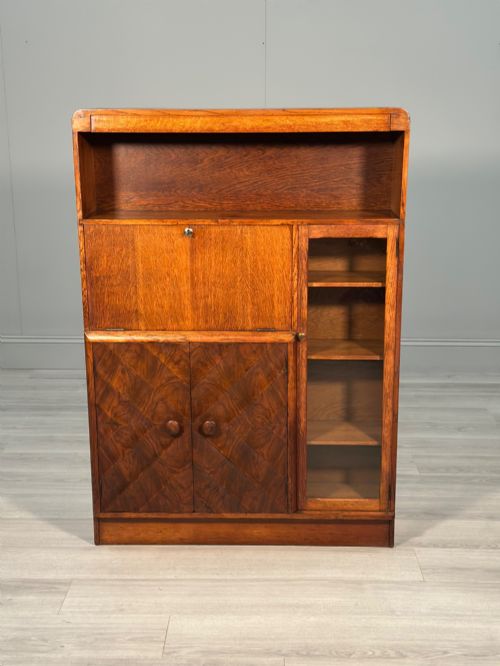
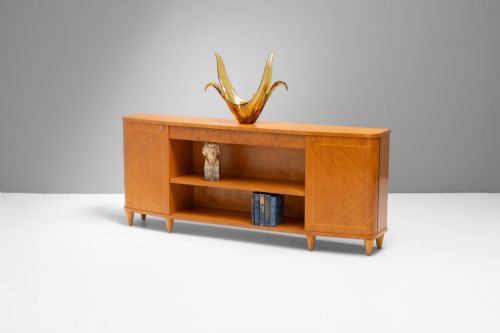
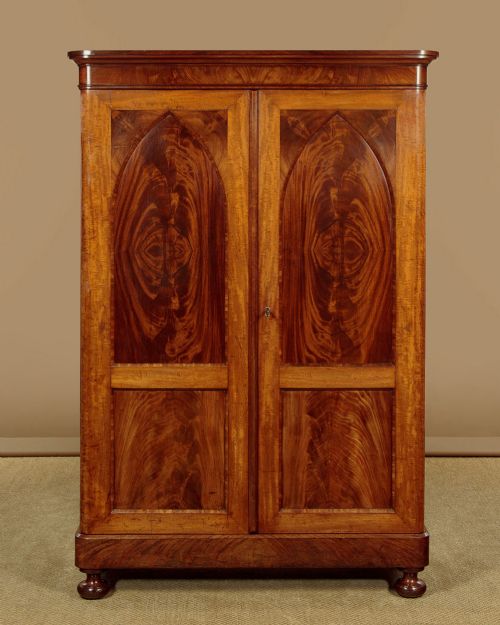
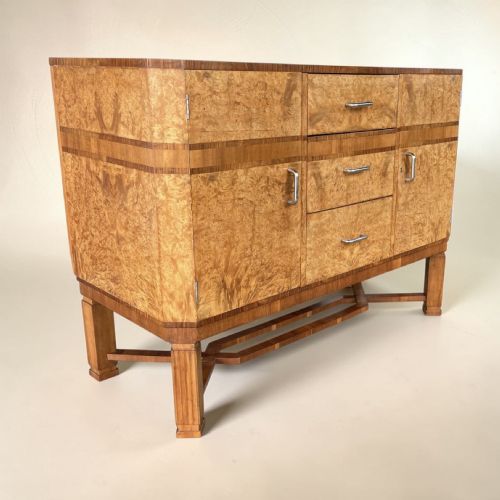

Antique Veneer Cabinets
These antique veneer cabinets bring rich figure and warm tone to a room, spanning periods from the seventeenth century through to Art Deco.
Antique Veneer Cabinets
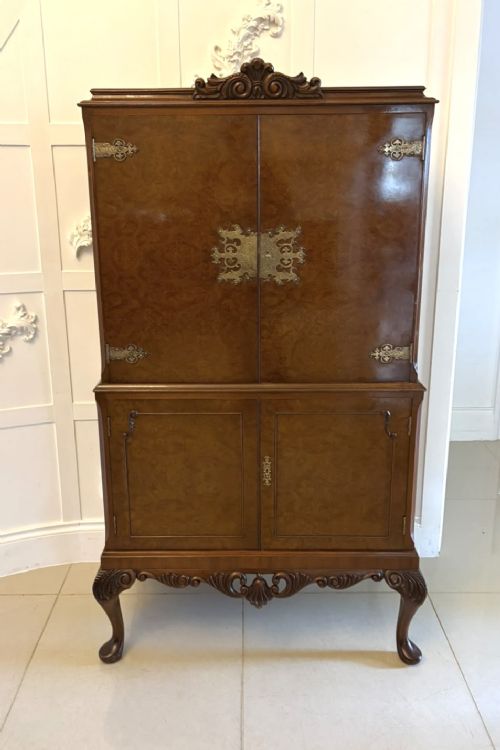
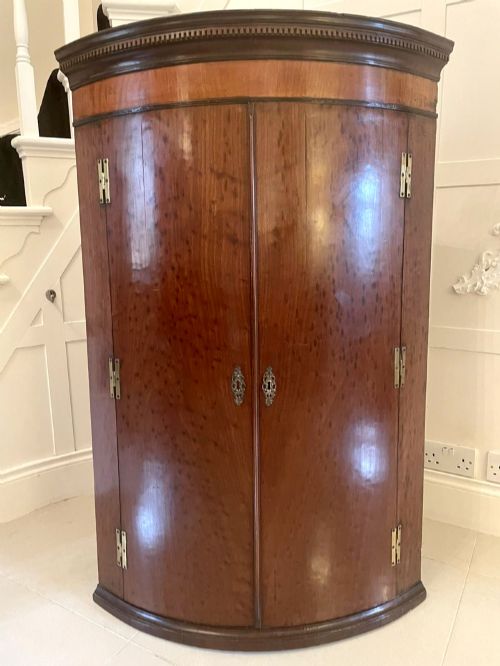
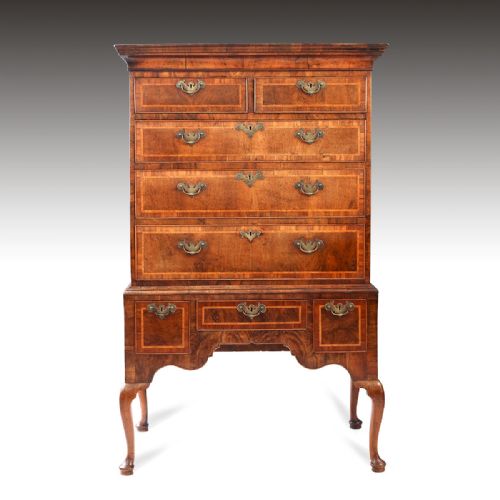
When you search for antique veneer cabinets, you encounter a diverse group of storage furniture featuring decorative wood surfaces across multiple centuries. The selection ranges from early walnut chests on stands and bureau bookcases to nineteenth-century display pieces and nineteen-thirties cocktail cabinets.
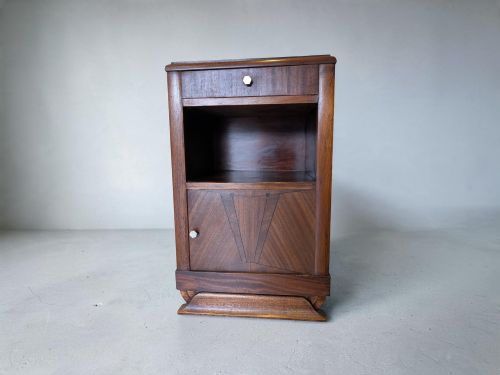
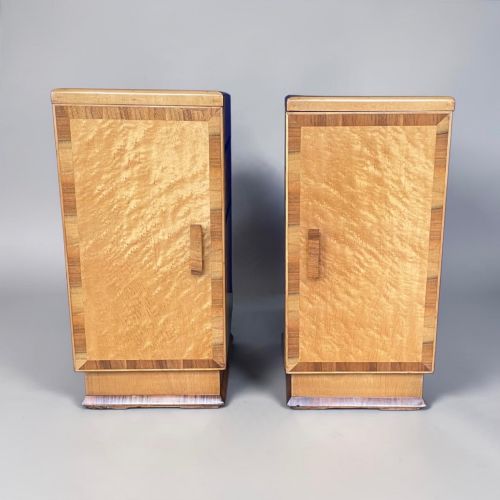
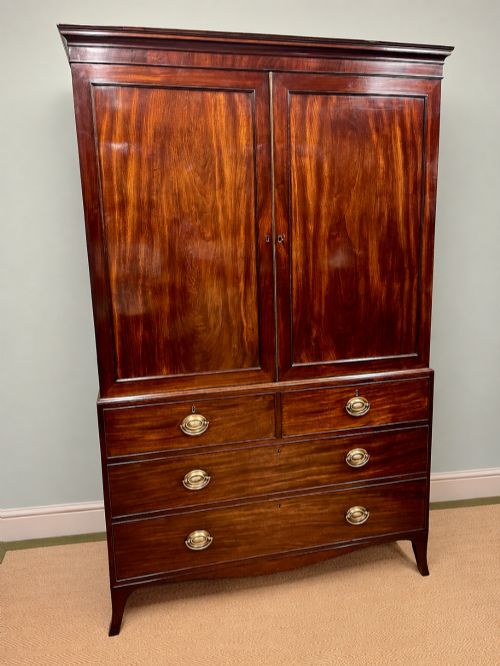
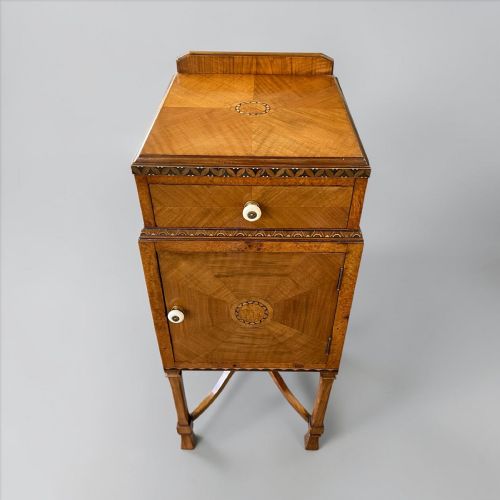
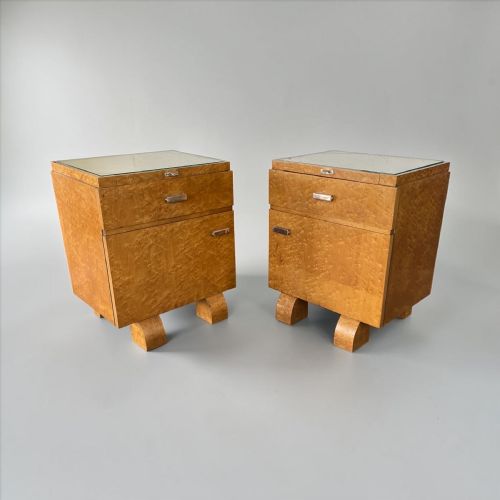
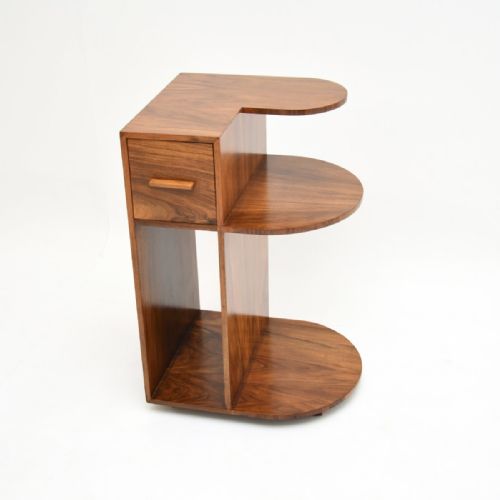
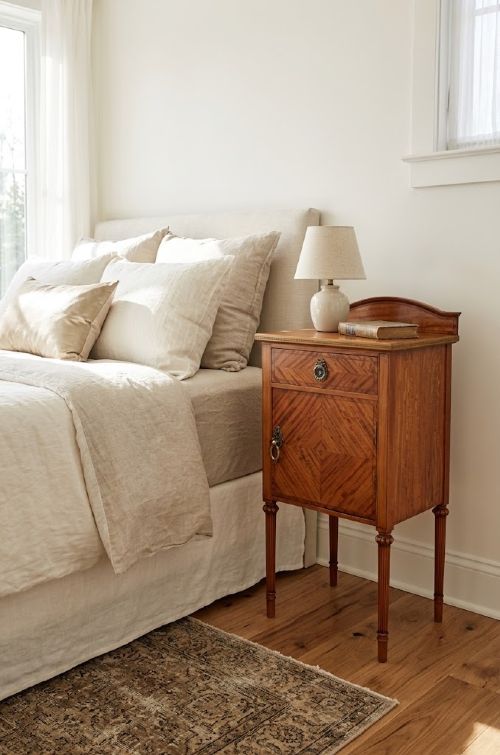
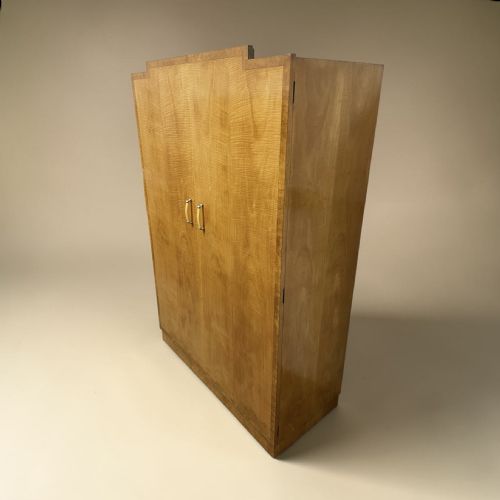
You are most likely to meet walnut, mahogany, and satinwood examples from the Victorian and Edwardian eras, alongside distinct geometric forms from the nineteen-thirties. The group also includes specialised items such as bedside tables, linen presses, and sideboards utilising various figured veneers.
The styles shift noticeably across the periods represented, moving from formal William and Mary and Queen Anne designs to Regency elegance and modern Art Deco lines. Each piece utilises its outer layer of timber to create visual movement and depth on the primary surfaces.
How they were made
Cabinet makers applied thin slices of decorative wood over stable secondary timbers such as oak or pine, utilising timbers chosen for their striking grain patterns. Walnut, flame mahogany, plum pudding mahogany, burr, and fruitwood provided the figured surfaces, while kingwood, amboyna, laburnum, and mulberry supplied specialised grain effects like oyster cuts or parquetry.
Construction techniques relied on precise sawing and careful laying of veneers to achieve symmetrical patterns or harmonious flow across doors, drawers, and panels. Brass hardware, glass panels, and occasional marble tops completed pieces designed to display the natural beauty of the wood.
Antique Veneer Cabinets Retail Price Guide 2026
Typical asking prices for veneer cabinets among the pieces listed under this phrase on Sellingantiques today, from the lower quarter to the upper quarter. They describe what is for sale here now, not the wider market.
One unusual oak bookcase cabinet carries hand sign-written details specifically for the British Broadcasting Company.
What varies in quality
Proportion and the integrity of the secondary construction also define the hierarchy of these items, with superior examples retaining crisp cockbeading, original brasses, and well-fitted drawers. The harmony between the decorative exterior and the underlying carcass marks the distinction between ordinary production and finer cabinet work.
E Gomme·Bath Cabinet Makers
The Antique Veneer Cabinets Glossary
- Veneer
- A thin slice of figured wood applied to a stable secondary timber carcass. This technique allowed cabinet makers to display expensive and highly decorative grain patterns economically.
- Oyster walnut
- Small circular or oval pieces of veneer cut transversely from small branches and arranged in patterns resembling oyster shells. This technique was popular in the seventeenth and early eighteenth centuries.
- Bureau bookcase
- A dual-purpose piece featuring a sloping writing flap above drawers, combined with a shelved upper cabinet section with doors. These often incorporate glazed or panelled facades.
- Parquetry
- Geometric wood inlay work creating mosaic patterns across a surface. Makers utilised contrasting timbers to form intricate repeating designs on cabinet doors and tops.
- Escritoire
- A drop-front writing cabinet enclosing a series of internal compartments and drawers. The form provides a compact desk surface that conceals workspace when closed.
Antique Veneer Cabinets: Frequently Asked Questions
What is an oyster veneer?
Oyster veneer consists of small, circular slices cut across a branch or root, creating distinctive concentric growth rings. Makers arranged these pieces closely together to form decorative, repeating patterns on seventeenth and early eighteenth-century surfaces.
This technique produced a dense, textured appearance that relied on the natural variations of the wood rather than large grain sweeps. You find this style particularly on walnut and laburnum chests and cabinets from the period.
How do I care for antique veneer?
Antique veneer requires stable environmental conditions with minimal humidity fluctuations to prevent the thin wood from lifting or splitting. Keep pieces away from direct heat sources and strong sunlight, which can dry out the timber and fade the finish.
Apply a traditional beeswax polish sparingly and buff gently with a soft cloth to maintain the lustre. Avoid modern silicone sprays or excessive moisture, as these can penetrate old finishes and damage the adhesive beneath the veneer.
How do I distinguish walnut periods?
Early walnut pieces from the seventeenth and early eighteenth centuries often feature rich, dark patination, oyster cuts, or highly figured veneers on stands and bureau bookcases. The construction during this era typically utilised oak or pine carcasses with hand-cut dovetails.
Later Victorian and Edwardian revival walnut cabinets display different proportions, machine-assisted elements, and lighter finishes. Art Deco walnut pieces from the nineteen-thirties favour streamlined geometric forms and high-gloss polished surfaces rather than traditional period motifs.
Where were side cabinets used?
Side cabinets served flexible storage and display roles in dining rooms, drawing rooms, and hallways of period homes. They held tableware, linens, or writing materials depending on their internal configuration and specific room placement.
Grand reception rooms utilised decorative display cabinets and bookcases with glazed doors to showcase porcelain and collections. Smaller bedside cupboards and nightstands provided enclosed storage within bedrooms.