

Antique Velvet Furniture
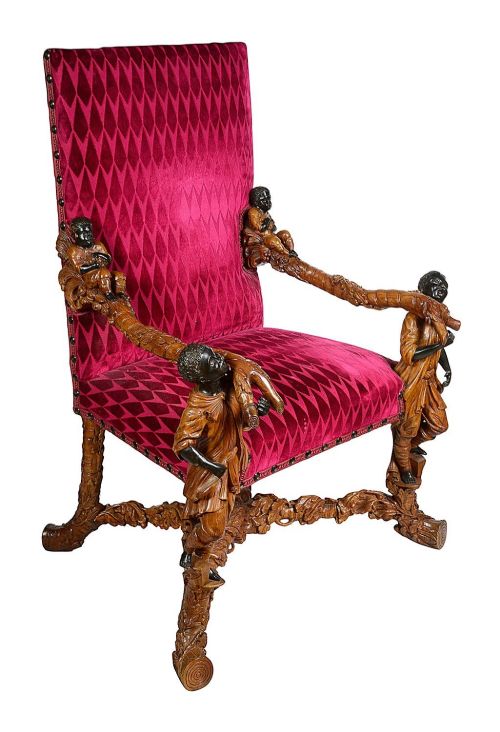
When you handle antique velvet furniture, you deal with seating and surfaces upholstered in textiles spanning the nineteenth century and beyond.
Antique Velvet Furniture
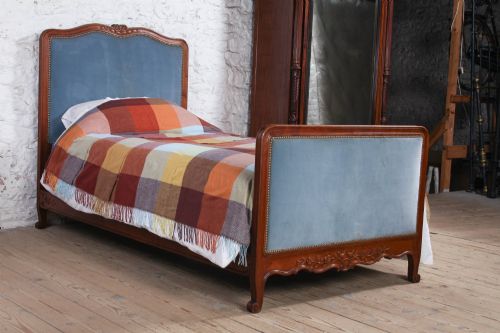
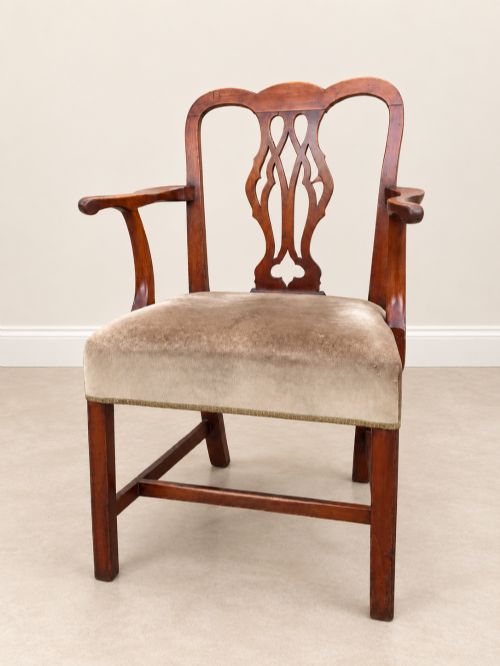
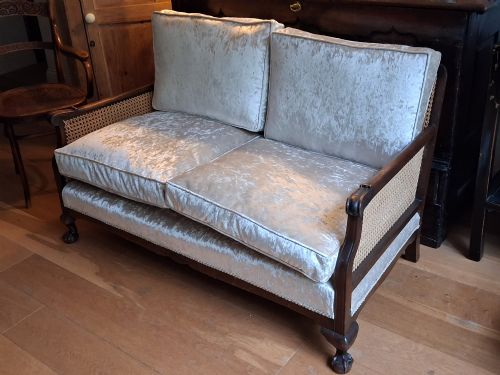
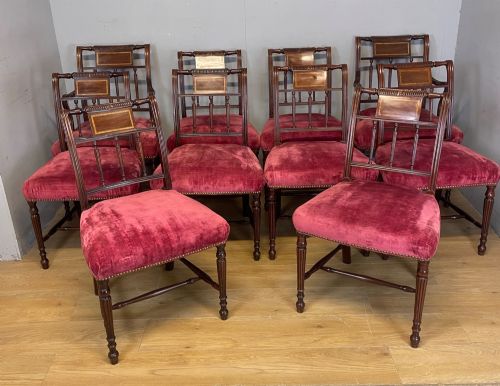
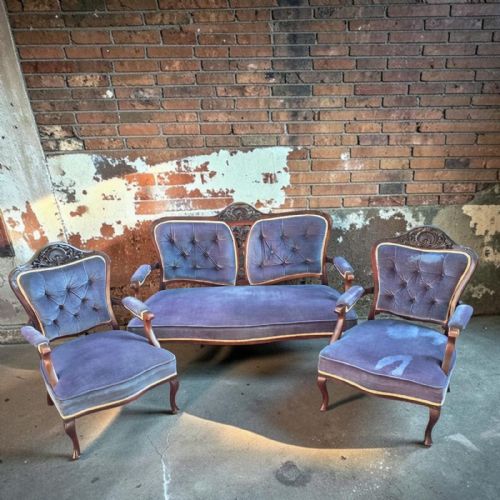
Antique velvet furniture encompasses a range of seating and tables from the nineteenth century, including dining chairs, armchairs, sofas, and side tables upholstered in tactile pile fabrics. The pieces span periods from Regency and William IV through Victorian, Aesthetic Movement, and Edwardian eras, reflecting varied domestic functions.
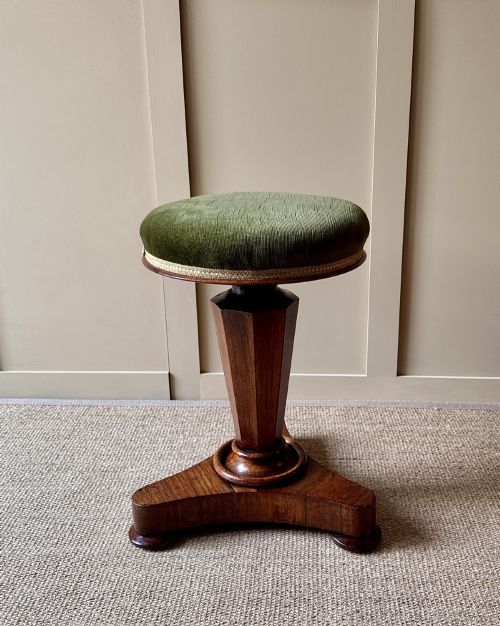
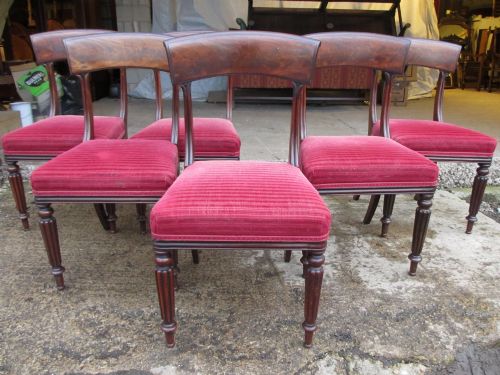
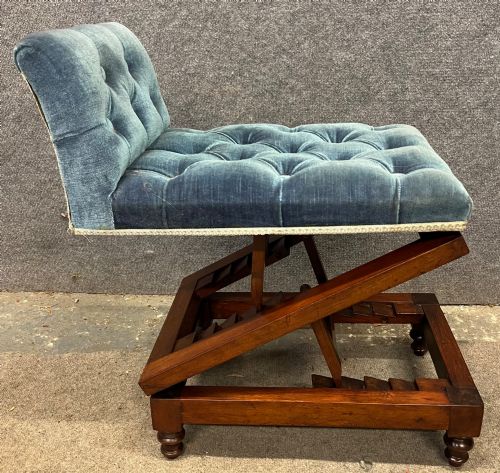
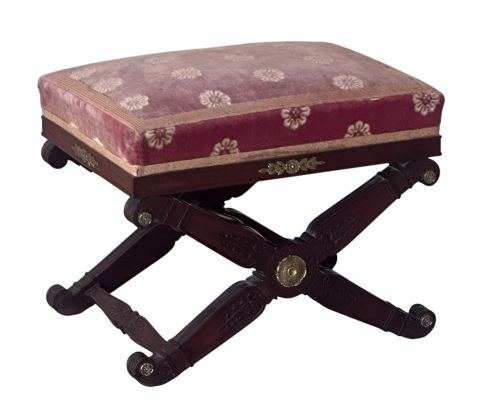
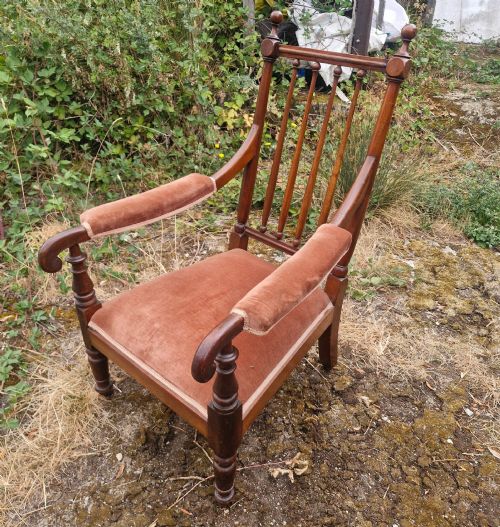
You frequently encounter dining chairs, piano stools, and side chairs framed in hardwoods like mahogany, walnut, and rosewood. Upholstery ranges from plain textiles to heraldic crests, William Morris designs, and brass-framed seats.
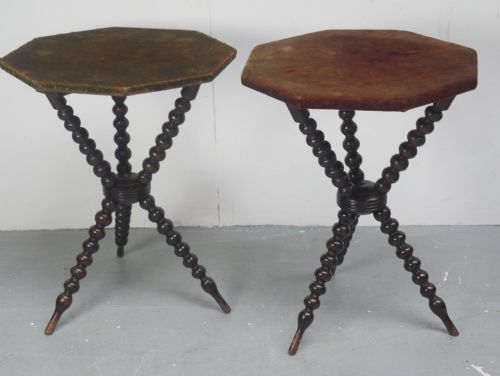
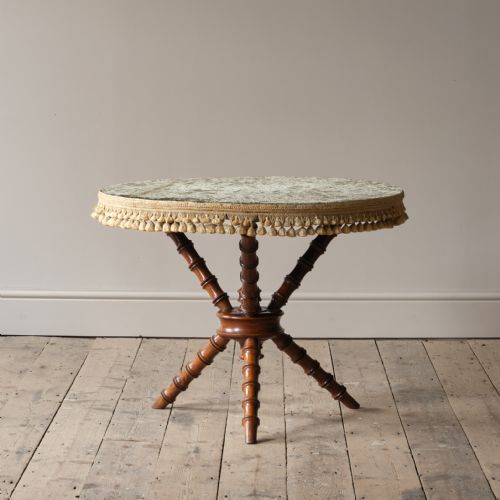
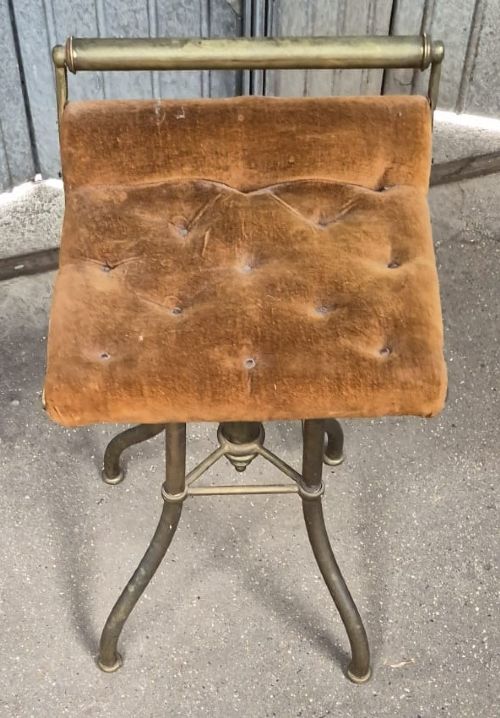
The selection includes specialised items such as revolving piano stools, chaise longues, ottomans, and gipsy tables featuring simulated bamboo or ebonised wood. These pieces originate from English, Scottish, Irish, French, and Anglo-Indian workshops.
Materials and construction methods
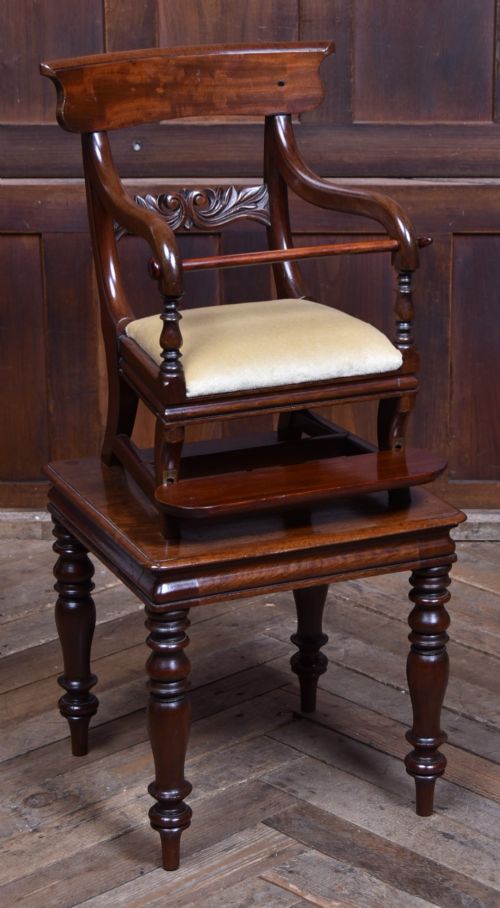
Craftsmen built the frames using solid woods such as mahogany, walnut, rosewood, oak, and ebonised hardwood, occasionally incorporating brass and giltwood details. Structural integrity depended on traditional joinery applied to chairs, tables, and settees.
Upholstery utilised velvet textiles applied over padded frames, sometimes paired with leather trim or heraldic crest embroidery. Makers such as Gillows, Holland and Sons, and John Taylor employed specific woods and decorative carving styles suited to each period.
Antique Velvet Furniture Retail Price Guide 2026
Typical asking prices for velvet furniture among the pieces listed under this phrase on Sellingantiques today, from the lower quarter to the upper quarter. They describe what is for sale here now, not the wider market.
Object types span dining chairs, piano stools, gipsy tables, credenzas, and storage ottomans.
Distinctions in quality and execution
Quality separates through the precision of the wood carving, the choice of primary timbers like figured walnut and rosewood, and the provenance indicated by maker stamps. Pieces bearing workshop marks from recognised cabinetmakers demonstrate superior workshop origin.
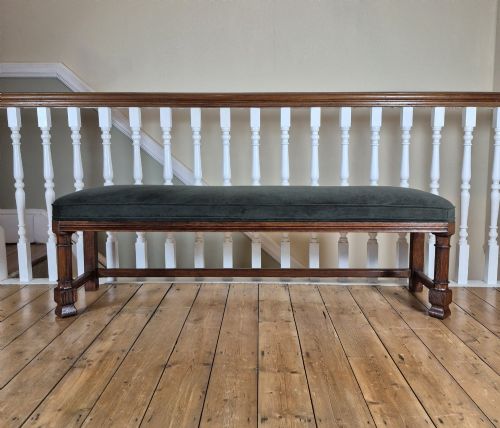
The sophistication of the frame design, whether a complex Aesthetic Movement folding rocking chair or a solid oak Gothic Revival bench seat, dictates the standard of execution. The harmony between the structural woodwork and the applied textile upholstery determines overall execution.
Strahan of Dublin·Holland and Sons·John Taylor Edinburgh·Blyth and Sons·J and T Scott Edinburgh·Gillows
The Antique Velvet Furniture Glossary
- Gipsy table
- A small three-legged occasional table, often draped with fabric or featuring bamboo-turned legs, popular in the nineteenth century.
- Chaise longue
- An upholstered sofa shaped like a chair with a long seat large enough to support the legs, common in Victorian salons.
- Credenza
- A sideboard or cabinet designed for storage and display, frequently constructed from rosewood during the nineteenth century.
- Ebonised wood
- Timber treated with a dark finish to imitate expensive ebony, seen on nineteenth-century furniture frames and tables.
- Aesthetic Movement
- A late nineteenth-century design style emphasising visual beauty over narrative content, often featuring simplified forms and Japanese-influenced motifs.
Antique Velvet Furniture: Frequently Asked Questions
What periods do these pieces date from?
The listed items span the nineteenth century, including Regency, William IV, Victorian, and Edwardian eras.
Additional examples extend into the seventeenth century, George II and George I styles, and early twentieth-century Arts and Crafts and Art Deco periods.
Which woods appear most frequently?
Mahogany, walnut, rosewood, and oak form the primary structural materials across the seating and tables.
Ebonised wood, hardwood, and brass also appear in specific frames and decorative elements.
How are the pieces upholstered?
Upholstery consists of velvet, sometimes featuring heraldic crests or William Morris textile designs.
Certain items combine velvet trim with leather elements or brass framing.
What types of seating are available?
The selection includes dining chairs, armchairs, side chairs, and stools including piano stools.
Sofas, settees, chaise longues, benches, and ottomans provide larger seating options.
Where were these items made?
Pieces originate from English, Scottish, Irish, French, and Indian workshops and makers.
Specific regional attributes appear in Scottish armorial chairs and Anglo-Indian carved items.