
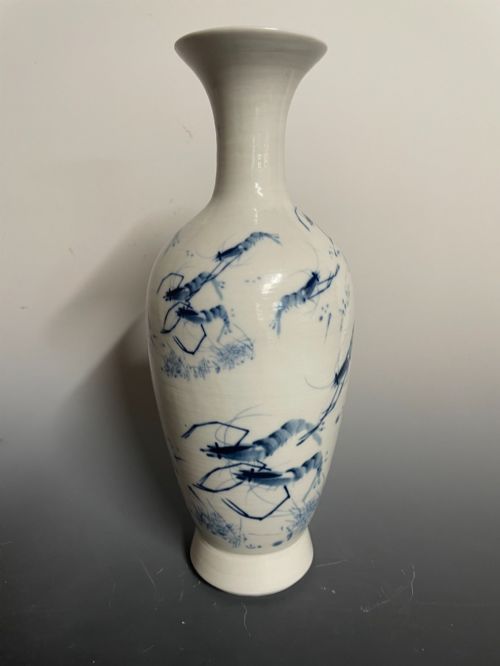
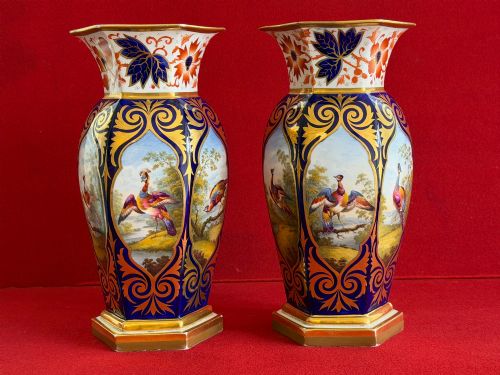
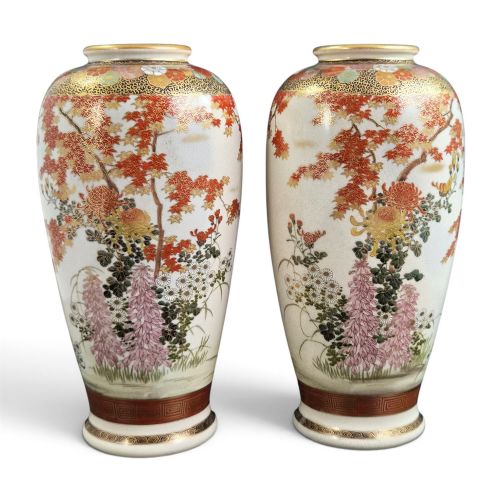
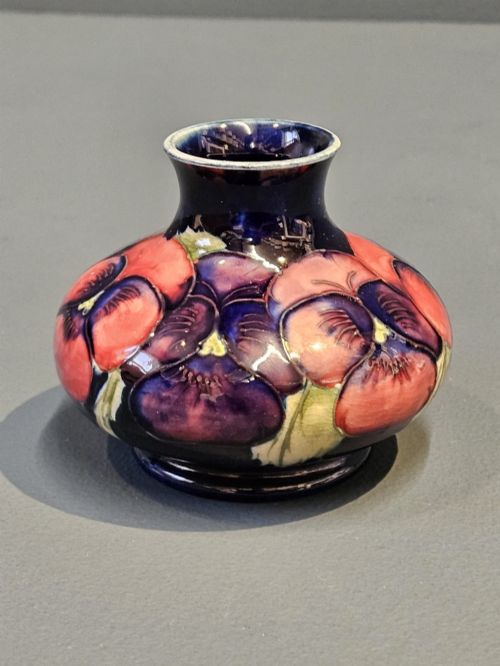


Antique Vase Painting
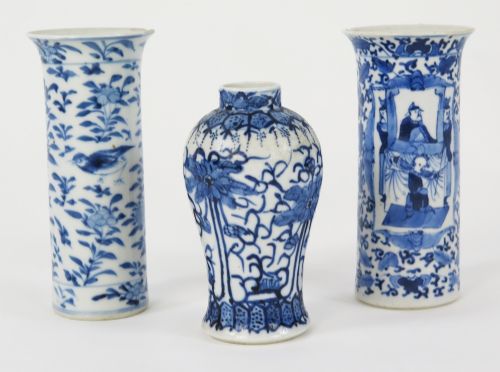
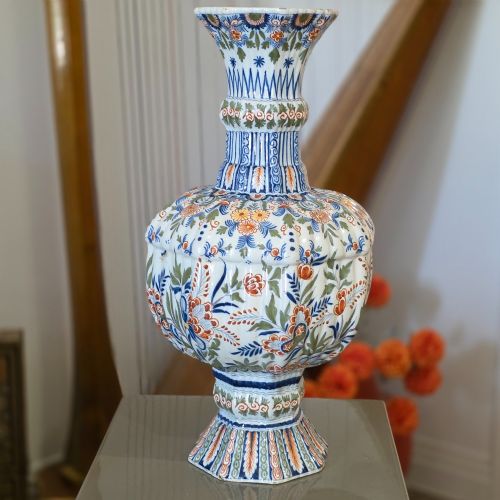
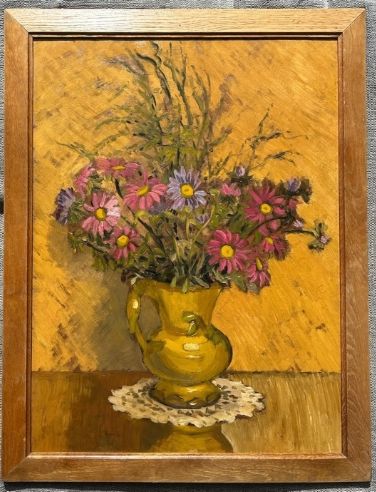
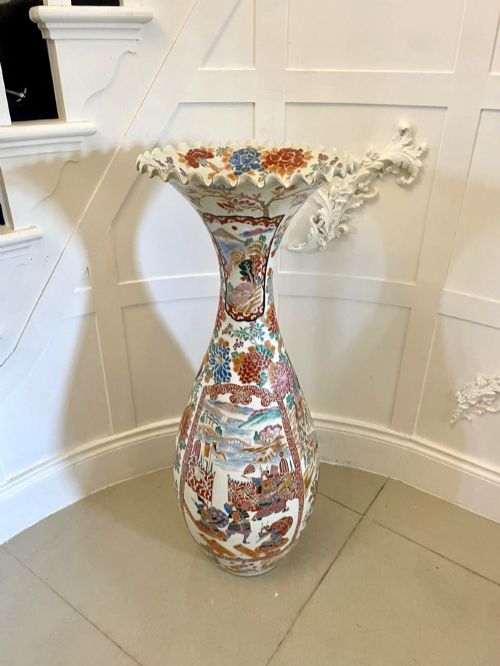
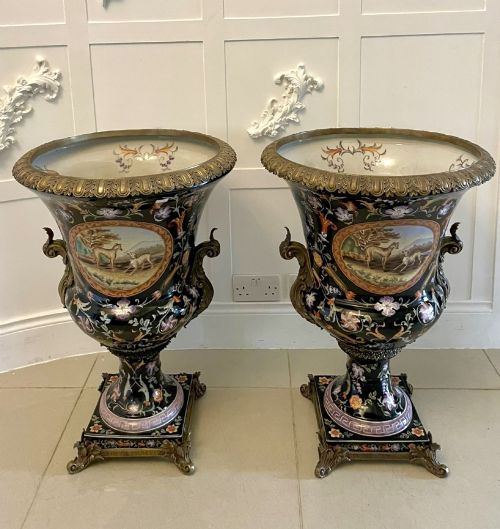
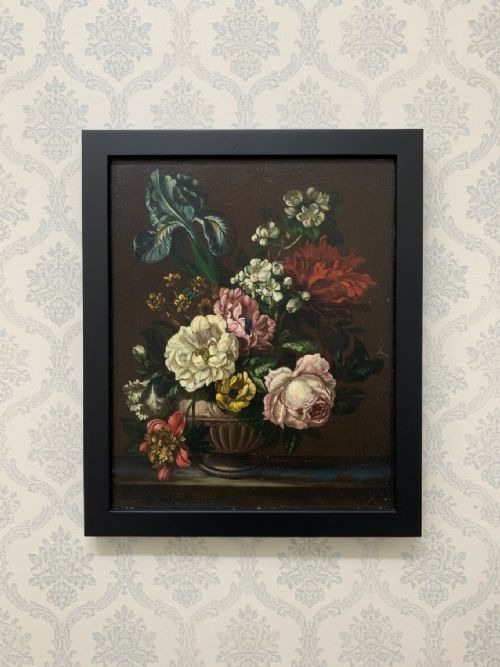
Searching for antique vase painting brings together three-dimensional ceramics and flat canvases depicting floral arrangements.
Antique Vase Painting
This grouping bridges two distinct collecting fields: physical decorative vessels from porcelain manufactories and fine art depictions of vessels filled with blooms.
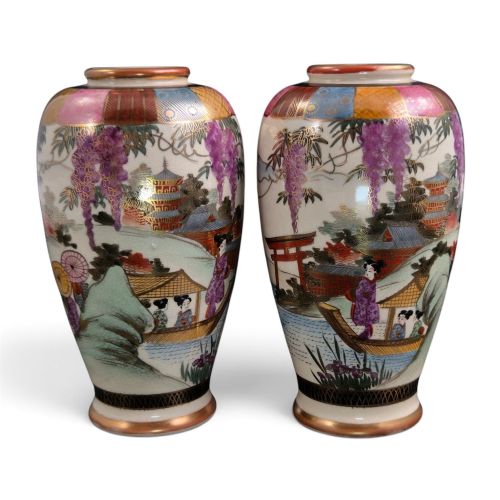
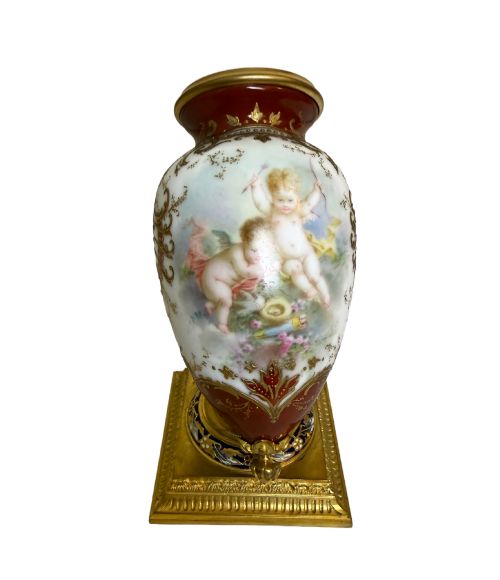
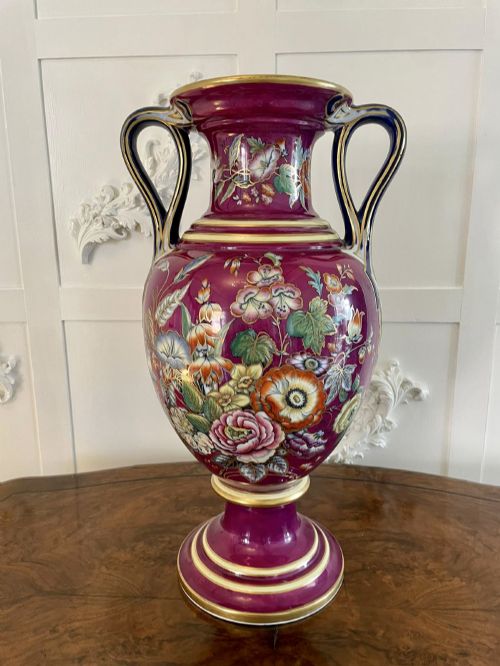
The ceramic category encompasses Japanese Imari and Satsuma wares, French porcelain, and English manufactories producing decorative urns and potpourri pots.
How They Were Made
Ceramic pieces utilise porcelain, earthenware, and faience shaped into vessels, then decorated with hand-painted polychrome glazes, underglaze blue, and gold leaf gilding.
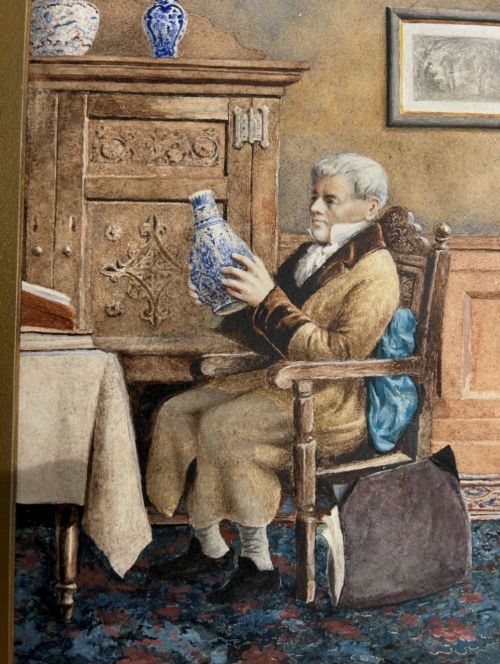
Fine art works employ oil on canvas, wood panel, or watercolour on paper, often framed in ornate gilded surrounds to complement the subject matter.
Several floral still lifes feature uninvited guests, capturing tiny snails and dragonflies resting quietly beside the painted blooms.
What Varies in Quality
Execution of brushwork separates standard production items from masterworks, whether observing the fine detail on a Satsuma garniture or the handling of light in an oil still life.
Materials and mounting elevate certain pieces, noting the integration of gilt bronze mounts on porcelain bodies or the depth achieved through layered ceramic glazes.
Flight Barr And Barr·Royal Worcester·Jacob Petit·Cantagalli·Sitzendorf·Fourmaintraux Courquin·Maruni Kobe·Shozan
The Antique Vase Painting Glossary
- Garniture
- A set of matching decorative vases designed for display together on a mantelpiece or cabinet. These groupings typically comprise three to five individual pieces.
- Imari
- A style of Japanese export porcelain decorated in underglaze blue, iron red, and gold. The palette is rich and distinctive.
- Faience
- Tin-glazed earthenware produced in Europe, particularly France and Italy. It offers an opaque white surface suitable for painted decoration.
- Moon Flask
- A flattened circular flask with a short neck and two handles, derived from ancient pilgrim vessel forms. Potters decorated both flat sides with pictorial scenes.
- Maiolica
- Italian tin-glazed earthenware decorated with colourful, opaque glazes. Production flourished during the Renaissance and later revival periods.
Antique Vase Painting: Frequently Asked Questions
What is an antique vase painting?
The phrase covers two distinct objects: physical ceramic vessels featuring painted decoration, and historical oil or watercolour paintings depicting vases of flowers.
Buyers encounter both decorative porcelain pieces from factories like Worcester and Sevres, alongside fine art still lifes dating from the seventeenth to the early twentieth century.
How do I identify Japanese Satsuma ware?
Satsuma ceramics typically display an ivory-coloured, crackle-glazed earthenware body decorated with intricate polychrome enamel designs and raised gold gilding.
Most pieces originating from the Meiji period onward feature pictorial scenes of figures, landscapes, or floral motifs combined with maker stamps on the base.
Where were Imari vases made?
Traditional Imari ceramics were produced in Japan around the port town of Arita and exported extensively to Europe from the seventeenth century onward.
These pieces are readily recognised by their deep underglaze blue and iron red palette, frequently enhanced with detailed gilt highlights.
How should I display antique ceramic urns?
Large decorative urns and garnitures look best positioned on sturdy console tables, pedestals, or mantelpieces where their form and hand-painted details can be appreciated from multiple angles.
Because many period pieces feature delicate handles, covers, or gilt bronze mounts, placement should avoid areas prone to heavy foot traffic or accidental knocks.