


Antique Vanity Powder Bowl
An antique vanity powder bowl holds the small powders and scents of a dressing table, combining practical glass or ceramic with precious metal and enamel lids.
Antique Vanity Powder Bowl
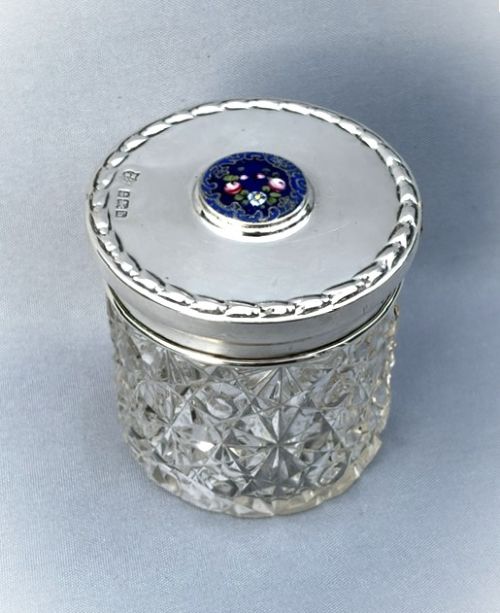
When you search for an antique vanity powder bowl, you encounter vessels designed to hold cosmetic powders and small dressing table items. These objects appear across several decades, most frequently taking the form of Art Deco ceramic and porcelain lidded bowls alongside earlier Edwardian and nineteenth-century glass jars.
The selections span distinct periods and aesthetics, ranging from French and German figural ceramics to English sterling silver and cut glass containers. Forms vary from simple circular bowls to novelty figural pieces featuring flapper girls, jesters, and pierrots.
Pieces frequently intersect with related dressing table accessories, appearing alongside trinket boxes, vanity jars, and lidded pots. This variety reflects the diverse vanity culture of the early twentieth century and the preceding Victorian era.
How they were made
Makers shaped glass and crystal through cutting and moulding, creating heavy bases designed to catch the light on a dressing table. Ceramic and porcelain bodies were cast and glazed, often providing a smooth surface for painted figures or applied decoration.
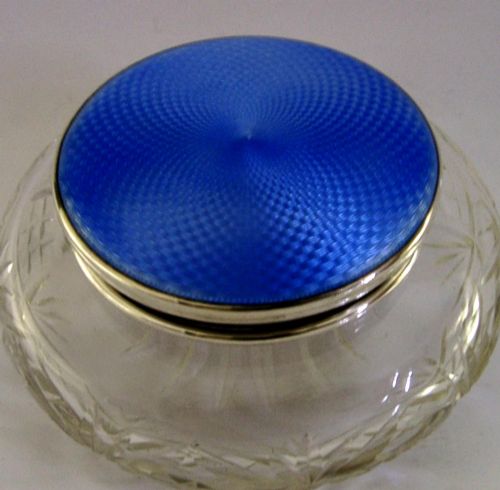
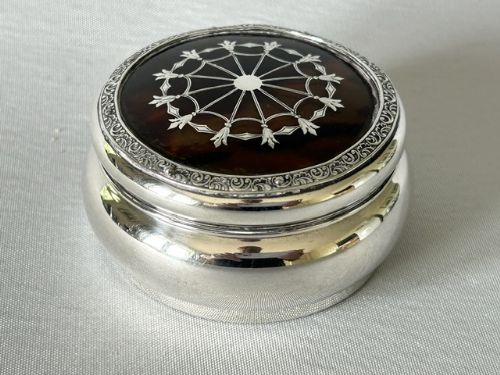
Metalwork lids utilised sterling silver, vermeil, and enamel, frequently bearing hallmarks from assay offices such as Birmingham. Artisans combined organic materials like tortoiseshell with precious metals, employing intricate pique work to embellish the covers.
Listings feature porcelain, sterling silver, enamel, cut glass, and tortoiseshell across Art Deco, Edwardian, and Art Nouveau styles.
What varies in quality
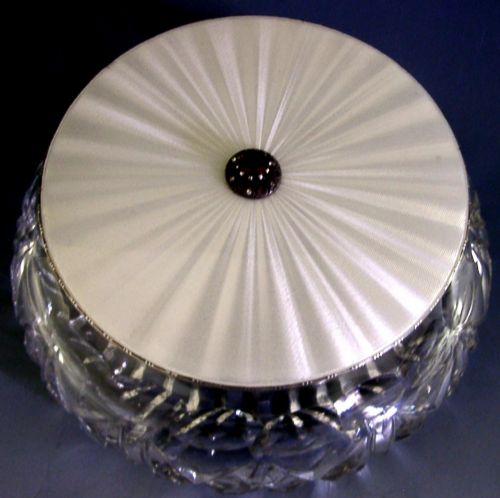
Differentiation lies in the complexity of the materials and the execution of the decorative elements. Finely modelled figural lids, such as hand-painted porcelain flapper girls or detailed enamel work over guilloche sterling silver, represent superior craftsmanship compared to plain glass bodies.
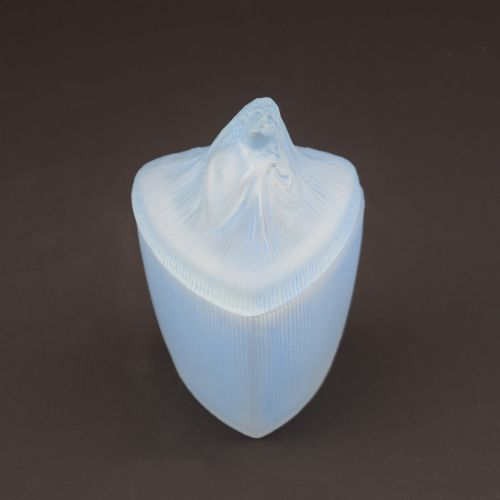
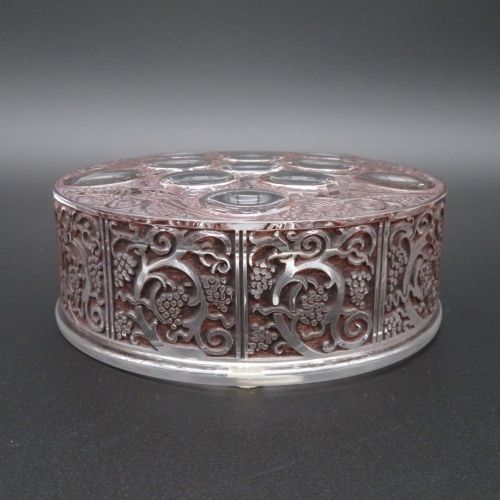
The reputation of the producing house or porcelain manufactory contributes significantly to the standing of a piece. Works associated with notable glassmakers and established French or German ceramic studios demonstrate a higher level of artistic ambition in their moulding and glazing.
Rene Lalique·Asprey And Co·Limoges
The Antique Vanity Powder Bowl Glossary
- Sterling silver
- A silver alloy containing ninety-two point five percent pure silver by mass, frequently utilised for the lidded mounts of glass powder bowls.
- Pique work
- A decorative technique involving tiny points of gold or silver inlaid into a tortoiseshell or ivory ground, seen on Edwardian vanity boxes.
- Guilloche
- A decorative mechanical engraving technique that produces precise, intricate geometric patterns beneath translucent enamel.
- Vermeil
- Sterling silver plated with a thin layer of gold, providing a rich yellow metal finish to vanity covers and bowls.
- Half doll
- A ceramic torso without legs, commonly manufactured in Germany and France to adorn the fabric skirts of boudoir lamps and powder box covers.
Antique Vanity Powder Bowl: Frequently Asked Questions
What is an antique vanity powder bowl?
These vessels are lidded containers created to hold loose cosmetic powder on a dressing table. They combine functional glass or ceramic bases with decorative lids made from silver, enamel, or tortoiseshell.
Craftsmen produced them in various styles throughout the nineteenth and early twentieth centuries, reflecting changing fashions in dressing table accessories.
How do I identify Art Deco pieces?
Art Deco examples typically date from the nineteen-twenties and nineteen-thirties, featuring geometric shapes or stylised figural motifs. You will frequently find ceramic powder bowls shaped as flapper girls, pierrots, or jesters.
These items often utilise bright enamel colours paired with moulded glass or pottery bodies characteristic of French and German design from the period.
What materials were used?
Bodies are primarily constructed from cut glass, crystal, porcelain, or glazed ceramic. Lids commonly incorporate sterling silver, coloured enamel, tortoiseshell, and pique work.
Some exceptional examples feature French vermeil or specialised crystal moulding attributed to prominent glass artists of the early twentieth century.
How were these bowls used?
Owners placed them on dressing tables to store scented face powders used in daily grooming routines. The heavy lids helped contain loose powder and protect the contents from moisture.
They also served a decorative function, matching other vanity items such as perfume bottles, hairbrushes, and trinket boxes.