
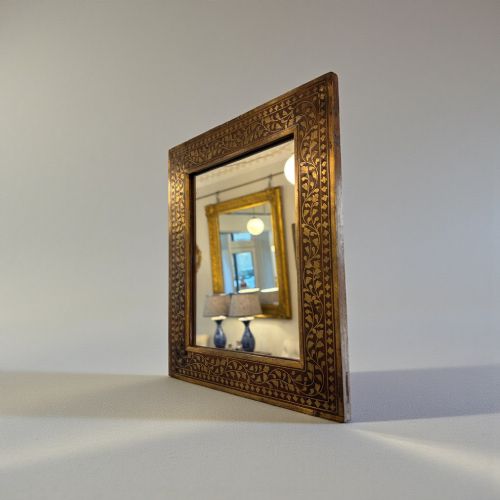
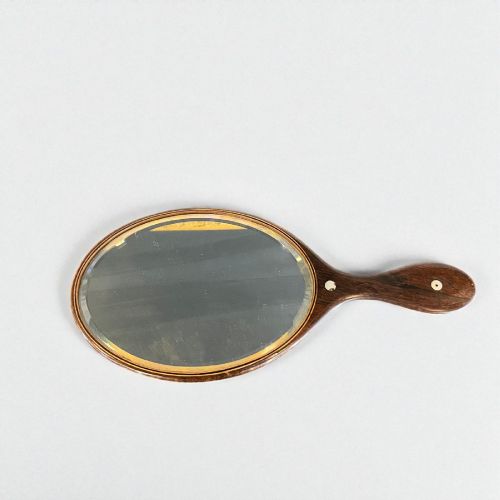
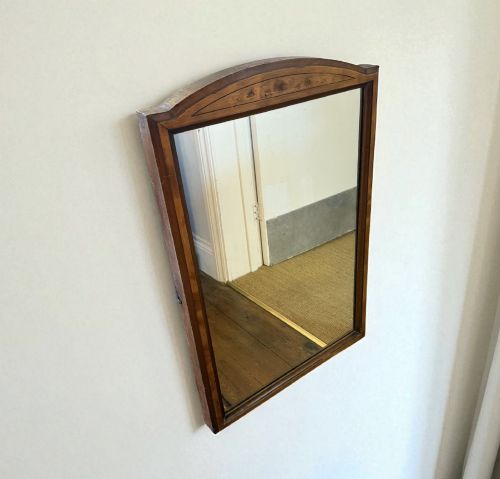
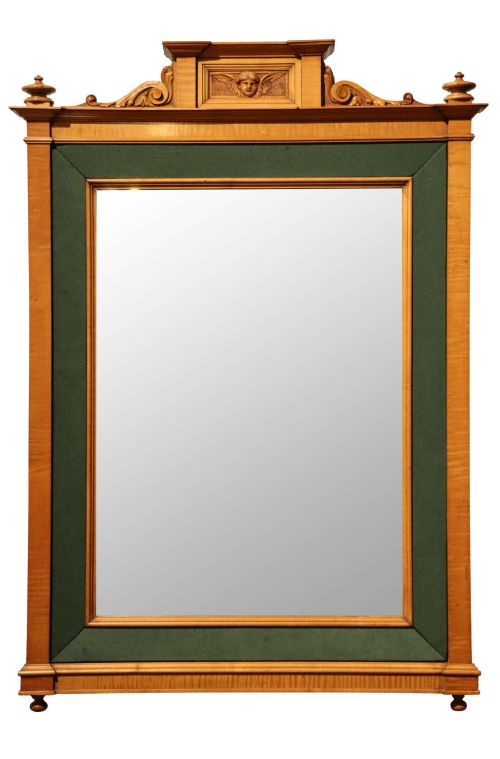
Antique Vanity Mirror Wood
These antique vanity mirror wood pieces bring tactile warmth and period utility to a dressing space, offering functional history you use daily.
Antique Vanity Mirror Wood
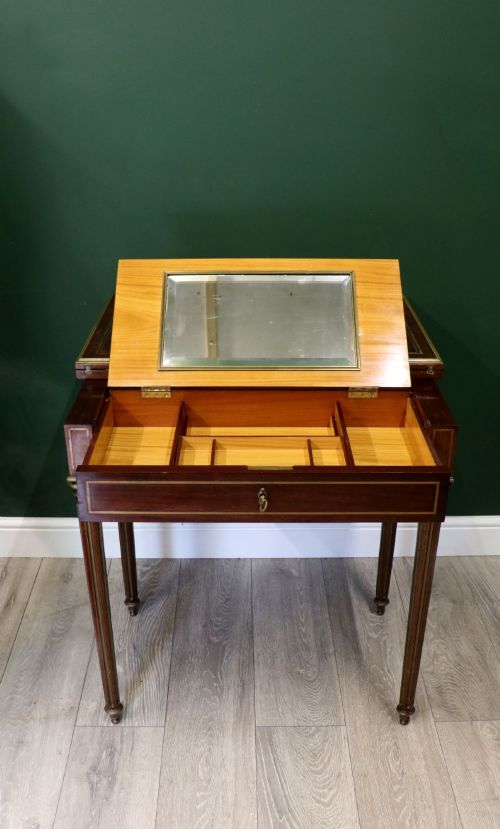
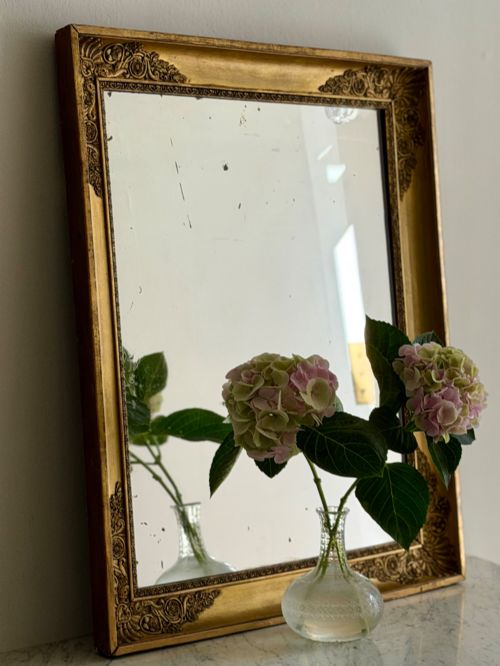
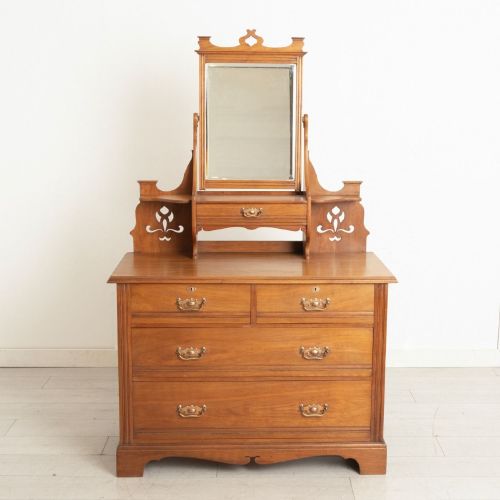
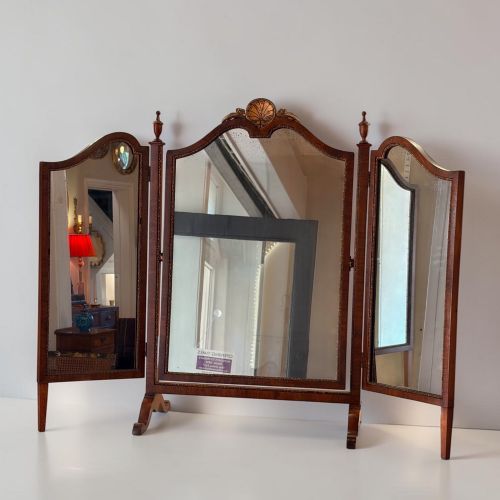
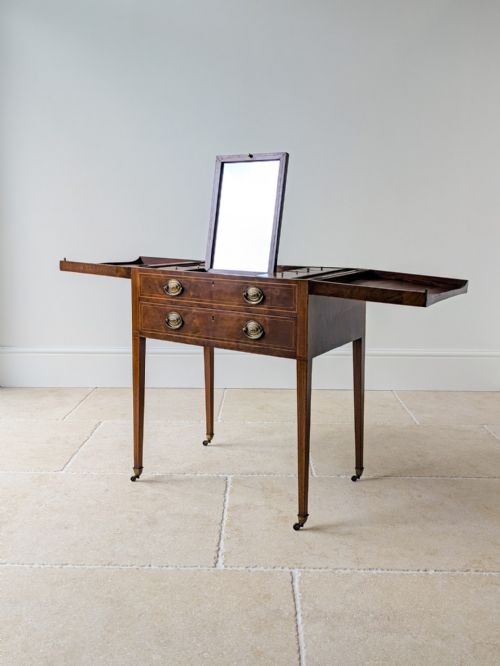
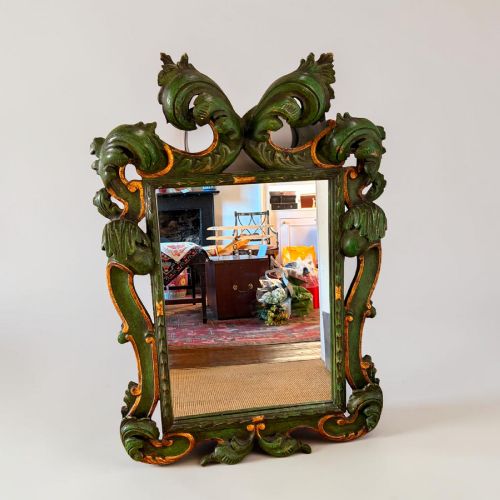
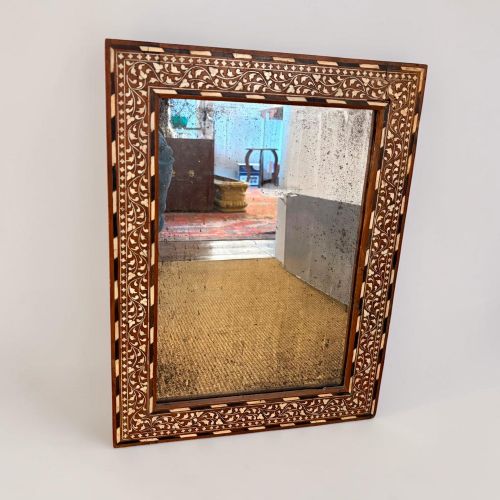
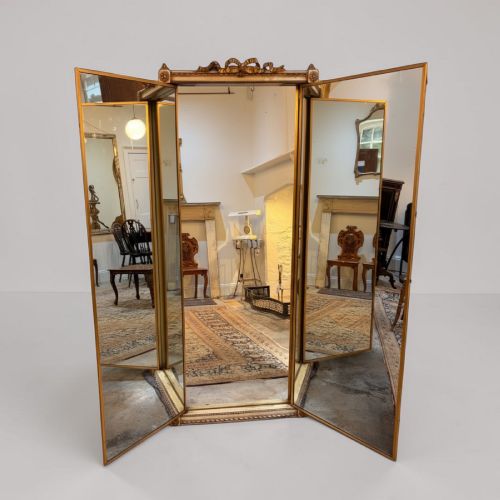
When you search for antique vanity mirror wood, you encounter table and swing mirrors designed for dressing tables and chests, along with larger cheval and shaving mirrors.
The versions you meet most frequently on this page date from the Georgian and Victorian eras, alongside Edwardian and Art Deco examples.
These items span forms from small toilet and shaving mirrors to full-height standing cheval frames originating from English, French, and Asian workshops.
How they were made
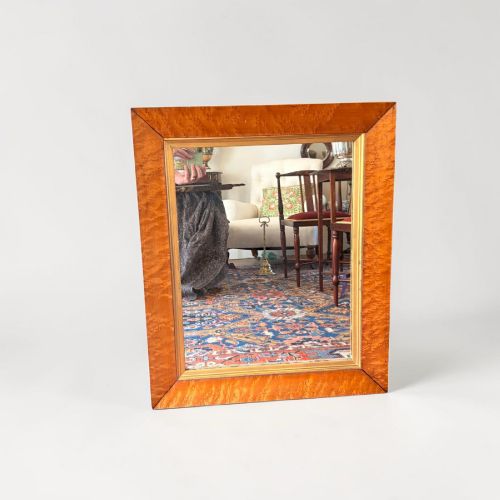
Cabinetmakers constructed these frames using dense hardwoods like mahogany, walnut, oak, and maple, frequently employing veneers and boxwood stringing.
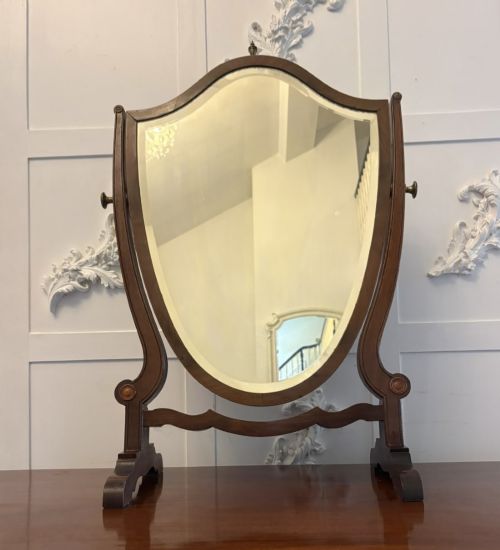
Makers integrated brass pivots, swing arms, and hardware to allow the glass to tilt, supported by fitted drawers and serpentine or shield-shaped wooden frames.
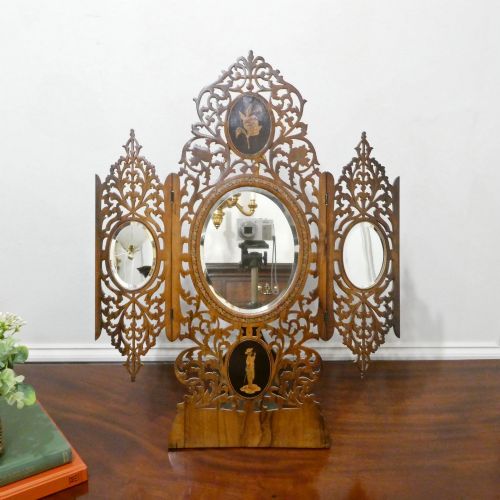
Ho-ho birds perch atop Georgian fret-cut frames, watching over centuries of morning reflections.
What varies in quality
Quality rests in the selection of timber figures, such as burr walnut or Cuban mahogany, and the crispness of hand-carved fretwork and giltwood details.
Superior execution appears in the retention of original mirror glass, smooth pivoting mechanics, and precise dovetail construction within the companion drawer bases.
Maple and Co·Heal and Sons·George Walton·Harrods
The Antique Vanity Mirror Wood Glossary
- Cheval mirror
- A full-length plate glass mirror hung in a standing frame that tilts vertically on pivots. This form allows the user to view their entire outfit.
- Toilet mirror
- A smaller swing mirror mounted on a box base fitted with small drawers. These sat atop dressing tables or chests.
- Shield mirror
- A dressing glass shaped like an heraldic shield, popular during the Georgian period. It is usually supported by scrolling uprights on a serpentine base.
- Fret-cut
- Woodwork pierced with intricate patterns using a fretsaw. This technique defined the decorative crests of 18th-century frames.
Antique Vanity Mirror Wood: Frequently Asked Questions
What is an antique vanity mirror wood piece?
These are functional dressing accessories featuring wooden frames, ranging from small table-top toilet glasses to large floor-standing cheval mirrors.
They combine cabinetmaking with reflective glass to assist with grooming and dressing routines in period bedrooms.
How do I date an antique wooden mirror?
Dating relies on identifying timber choices, construction techniques like dovetailing, and the overall style of the frame moulding or feet.
Georgian pieces often use solid mahogany with fret-cut crests, while Victorian and Edwardian examples incorporate walnut, oak, and distinctive brass hardware.
Where were these mirrors placed?
Smaller toilet and swing mirrors sat directly upon dressing chests, washstands, or specialised dressing tables in bedrooms and reception rooms.
Larger cheval and shaving stands stood independently on the floor, designed to be adjusted for height and angle during use.
Can the mirror glass be replaced?
While original glass carries historical value, collectors often assess whether the reflective plate is original or a later replacement.
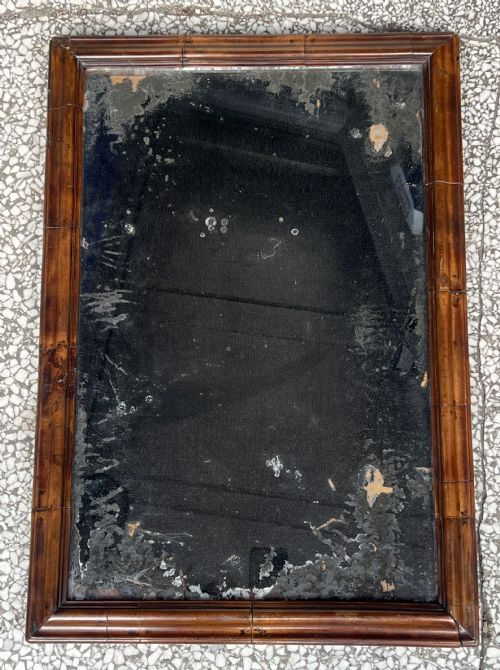
Original glass frequently exhibits minor foxing and imperfections, which act as markers of age and authenticity.