
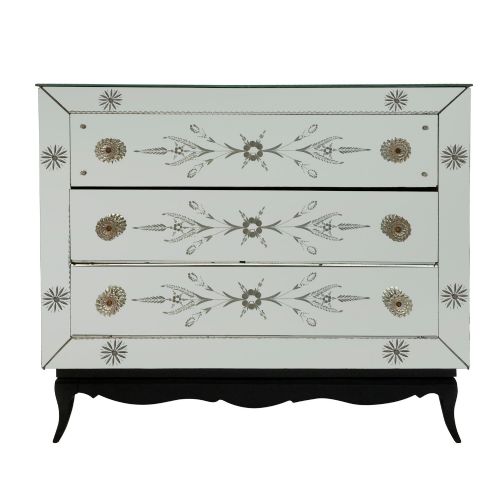
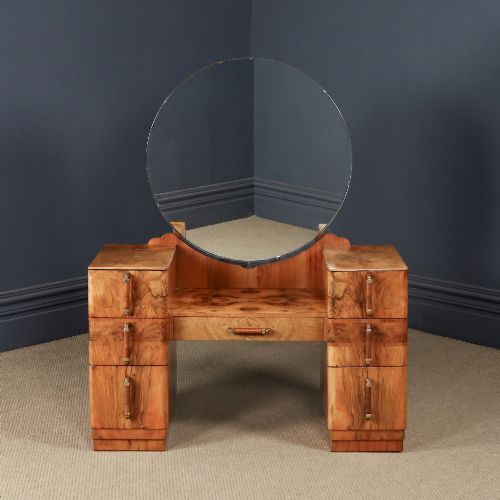
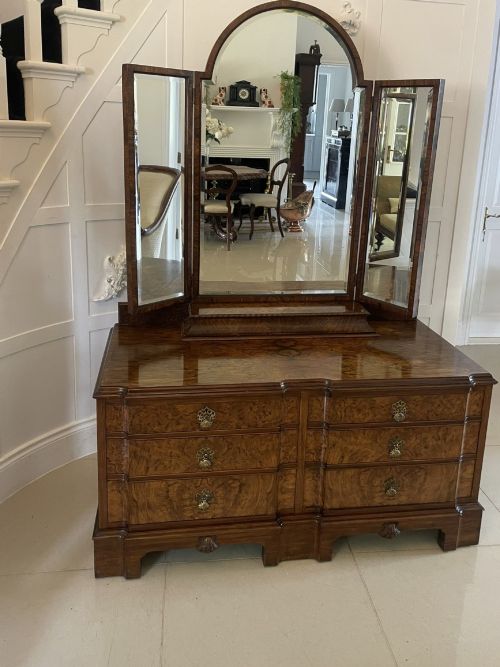
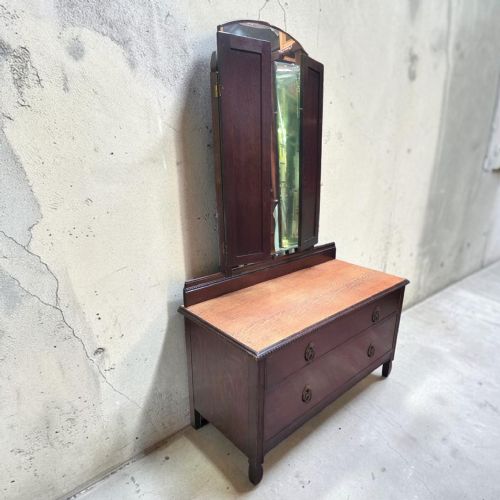
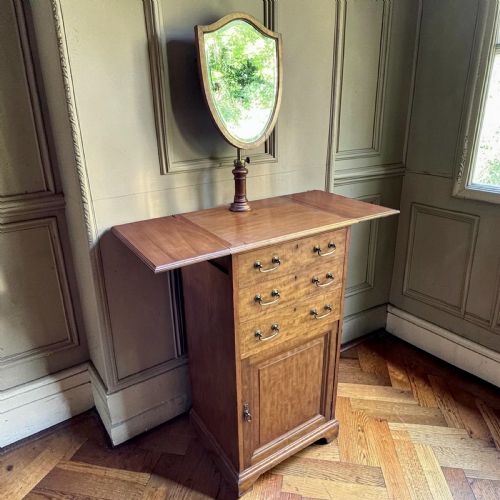

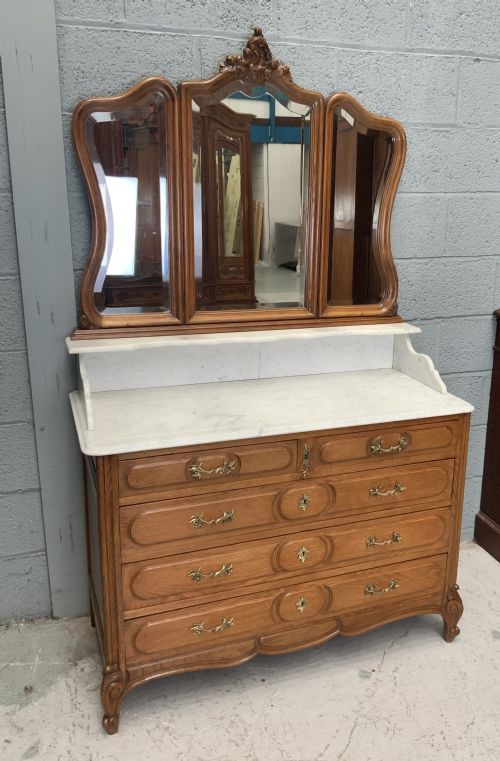

Antique Vanity Mirror Chest
An antique vanity mirror chest combines functional storage with a dressing glass, offering character and practical bedroom utility.
Antique Vanity Mirror Chest
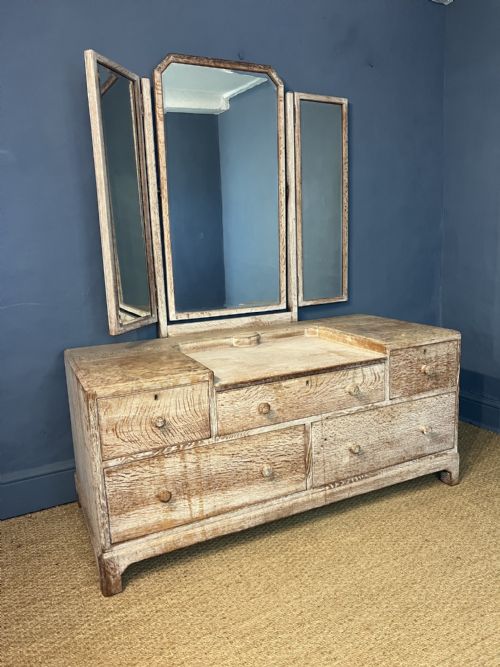
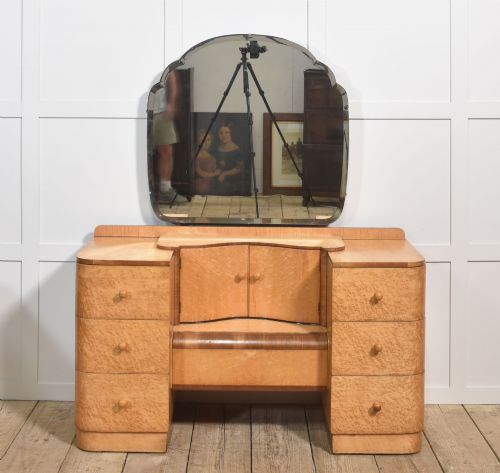
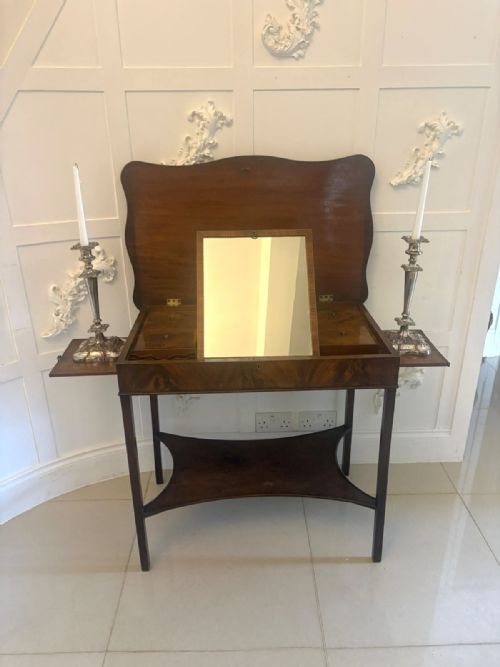
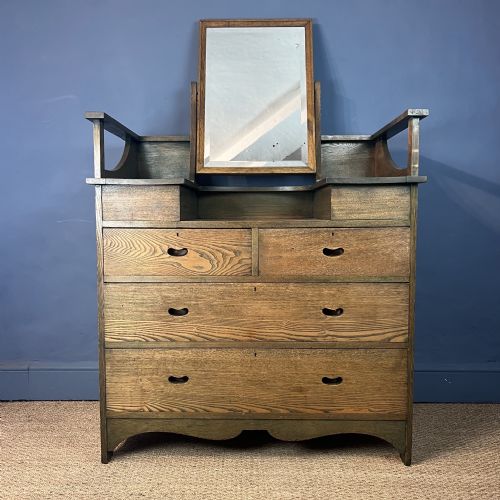
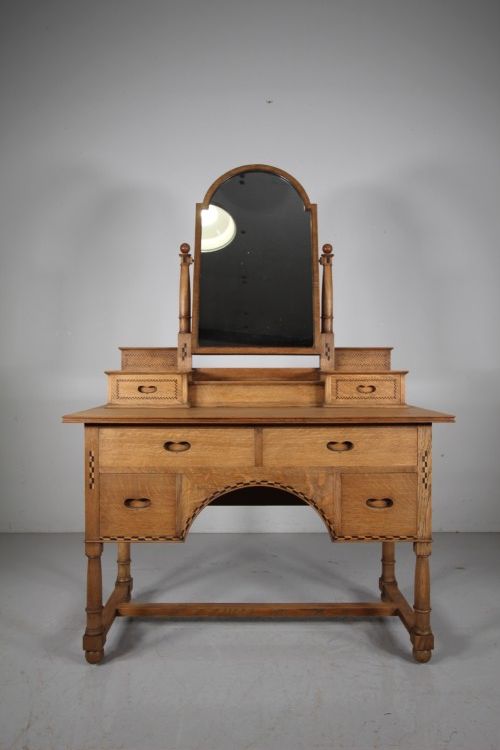
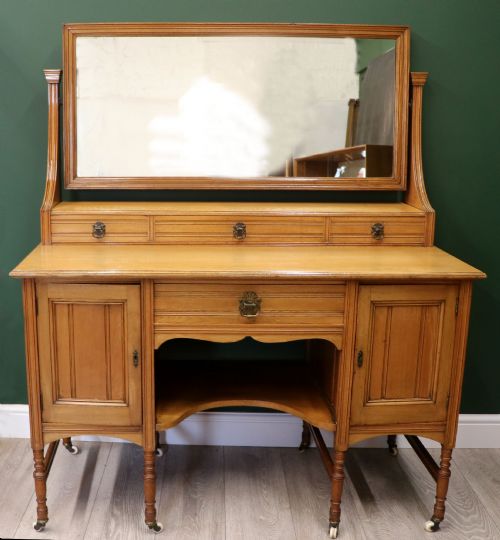
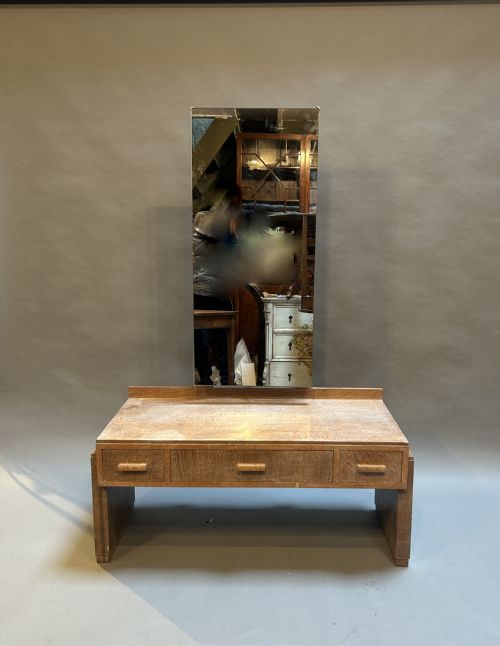
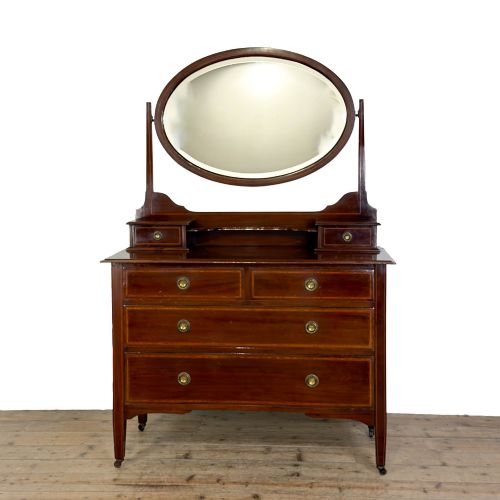
When you search for an antique vanity mirror chest, you encounter a variety of bedroom furniture including dressing tables, dressing chests, and washstands equipped with integrated mirrors. These pieces originate from periods spanning the Georgian era through the Victorian and Edwardian periods up to the nineteen-thirties.
The most common formats on this page are mahogany, oak, and walnut dressing chests featuring adjustable, triple, or cheval glass mirrors. Many incorporate banks of drawers or marble tops, reflecting both English workshop traditions and French provincial designs.
How they were made
Cabinetmakers utilised solid timbers such as mahogany, oak, walnut, and pine, frequently applying figured and burr walnut veneers to drawer fronts and surfaces. Inlaid satinwood, marquetry, and green stained ash demonstrate decorative woodworking techniques from specific periods.
Mirrors were set into adjustable frames or fixed backboards, while marble slabs provided durable tops for washstand variations. Brass handles, hinges, and campaign fittings completed the construction of these bedroom pieces.
Several pieces include hidden compartments behind mirror frames for storing discreet personal letters.
What varies in quality
The distinction between standard examples and the finest pieces rests upon timber selection and cabinetmaking skill. Figured veneers, intricate marquetry inlay, and substantial secondary woods elevate certain items above simpler painted pine or utilitarian designs.
Design attribution also separates the range, with documented pieces by makers such as Heals, Edwards & Roberts, and Shapland and Petter exhibiting superior proportions, carved detail, and thoughtful integration of mirror and chest.
Heals·George Walton·Shapland and Petter·Maurice Adams·Edwards & Roberts·Wright & Hunter of Belfast
The Antique Vanity Mirror Chest Glossary
- Cheval mirror
- A full-length mirror hung in a frame that allows it to swing. This form appears on dressing tables and standalone supports.
- Burr walnut
- Wood grain taken from a growth on a walnut tree, producing swirling patterns. Cabinetmakers prized this veneer for high-status drawer fronts.
- Washstand
- A piece of furniture holding a basin and jug, often fitted with marble tops. Many incorporate mirror backs akin to vanity chests.
- Marquetry
- Decorative veneer work forming pictures or patterns using various woods. Craftsmen applied this technique to late Victorian surfaces.
- Campaign furniture
- Portable pieces designed for travel, featuring brass corners and recessed handles. Georgian examples show this modular construction.
Antique Vanity Mirror Chest: Frequently Asked Questions
What is an antique vanity mirror chest?
An antique vanity mirror chest is a piece of bedroom furniture designed for grooming, combining a chest of drawers with an attached mirror. These items range from Georgian mahogany dressing tables to Edwardian oak chests and Art Deco walnut designs.
They serve as both practical storage units and decorative focal points in traditional or modern interiors. The mirror component may be fixed, adjustable, or arranged in triple configurations.
How do I date an antique dressing chest?
Dating involves examining the timber species, construction methods, hardware, and prevailing stylistic influences. Georgian pieces typically display simpler lines and solid mahogany, while Victorian and Edwardian examples often feature more elaborate burr walnut veneers or marquetry inlay.
Nineteen-thirties pieces embrace Art Deco geometry or limed oak finishes associated with makers like Heals. Maker marks, labels, and brass hardware styles provide further chronological clues.
Can I use a washstand as a vanity?
Washstands with marble tops and mirror backs function well as modern vanity chests. Originally built for washing up with basins, their durable stone surfaces handle toiletries easily.
Their compact footprints and built-in mirrors make them practical alternatives to traditional dressing tables in smaller bedrooms.
How do I care for antique wood furniture?
Preserve antique wood and veneer surfaces by keeping them away from direct sunlight and steady heat sources. Regular dusting with a soft cloth maintains the finish without moisture damage.
Occasional application of appropriate wax feeds traditional polish and protects the timber grain over decades of daily use.