
Antique Vanity Drawers
These antique vanity drawers span centuries of practical craftsmanship, offering fitted storage and pivoted glass for daily grooming.
Antique Vanity Drawers
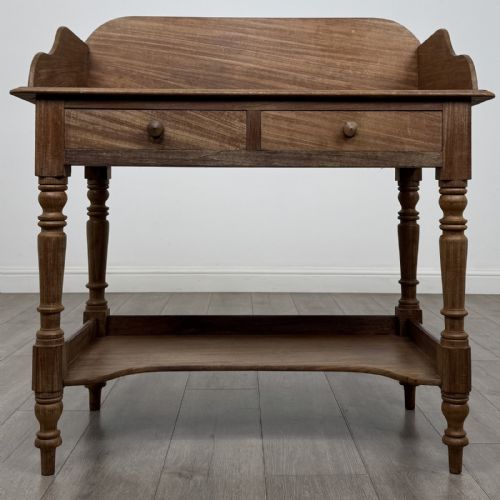
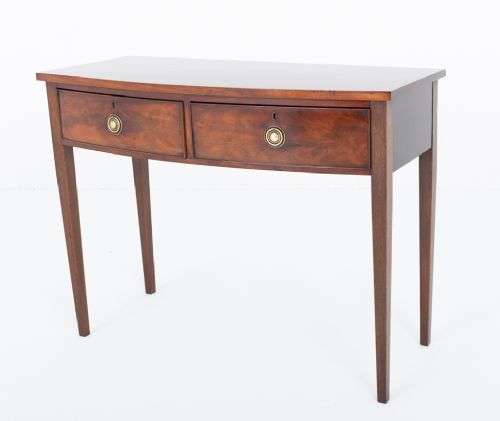
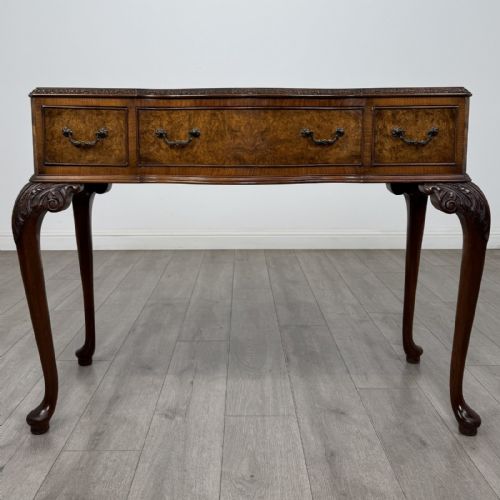
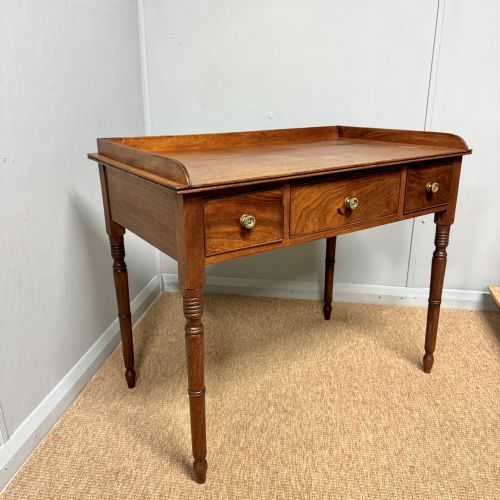
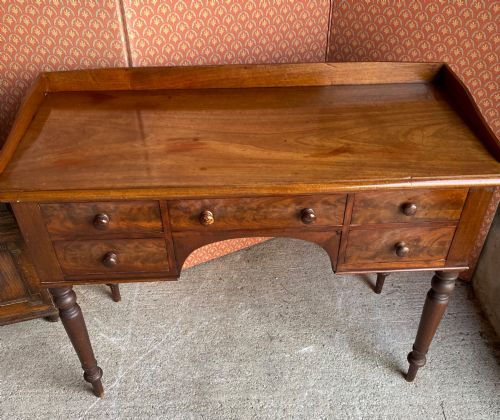
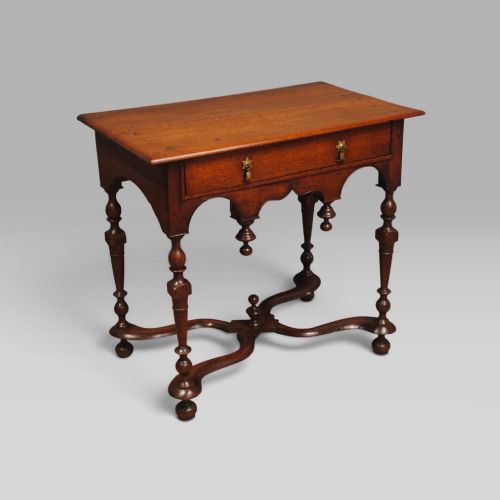
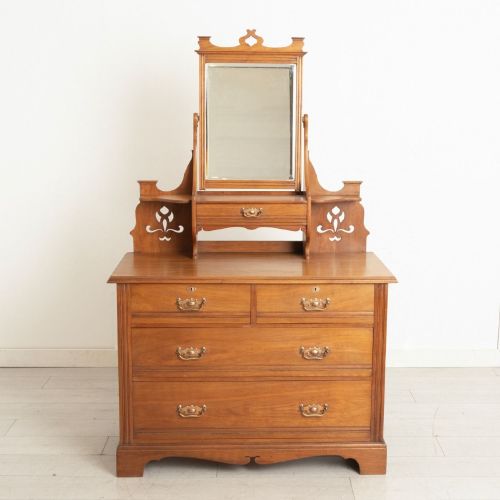
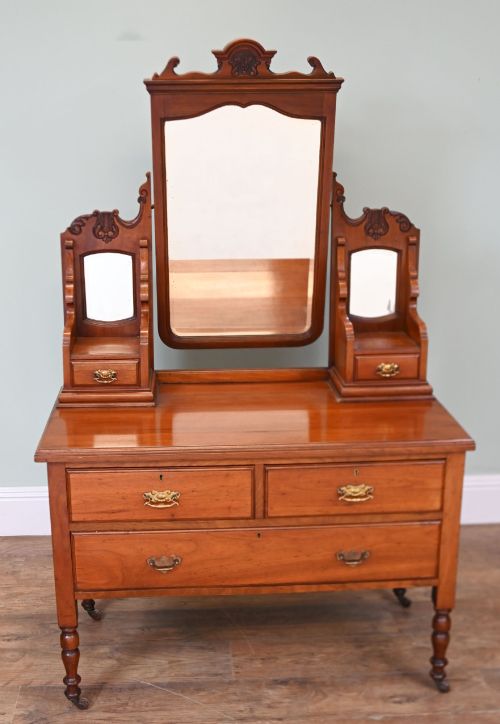
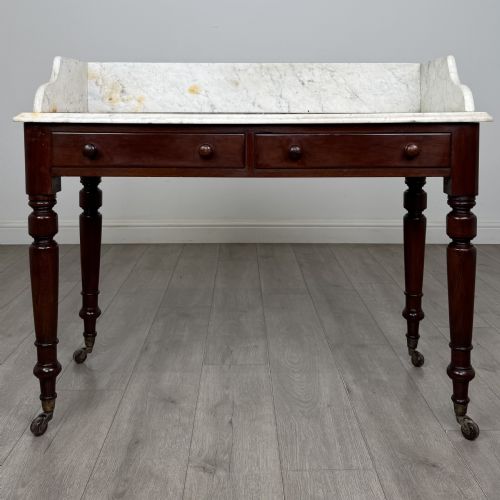
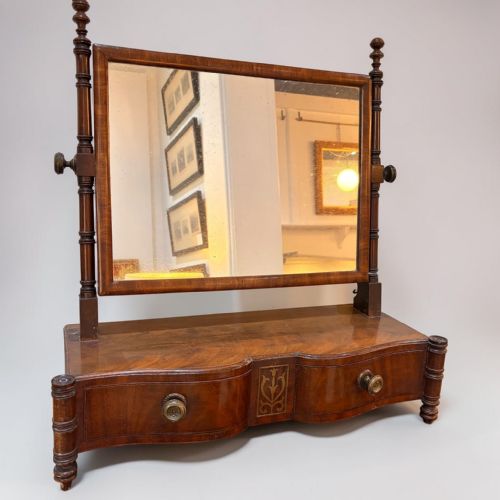
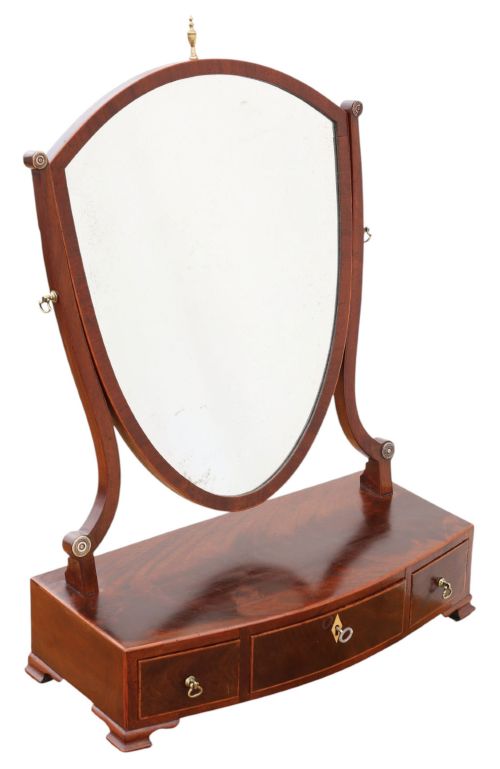
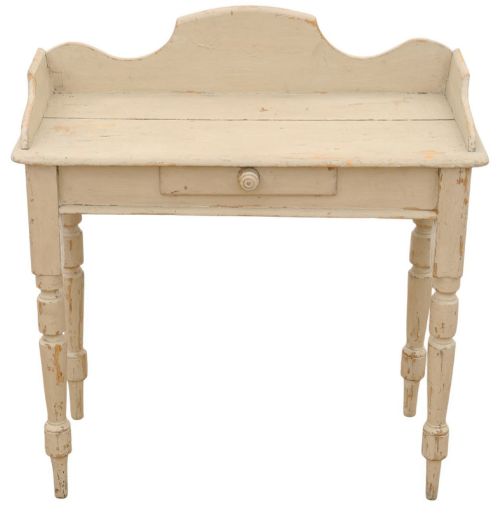
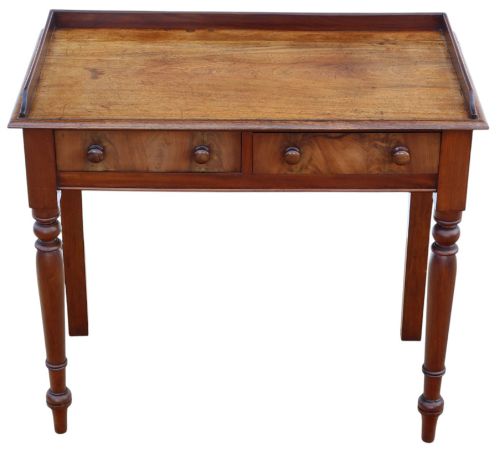
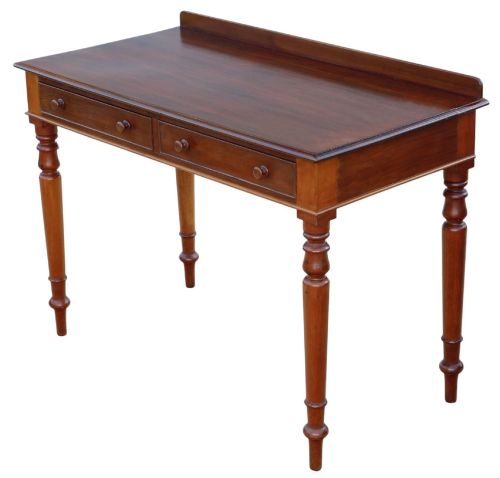
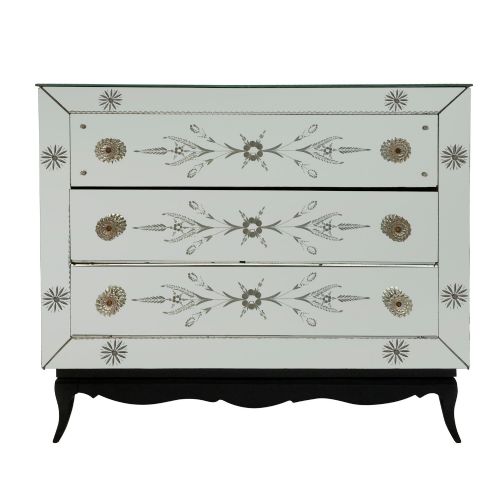
When you search for antique vanity drawers, you encounter a varied group of pieces designed for personal grooming and storage, ranging from compact toilet mirrors with box bases to full dressing tables and lowboys. The forms span the eighteenth, nineteenth and early twentieth centuries, reflecting changing domestic habits in domestic dressing rooms and bedrooms.
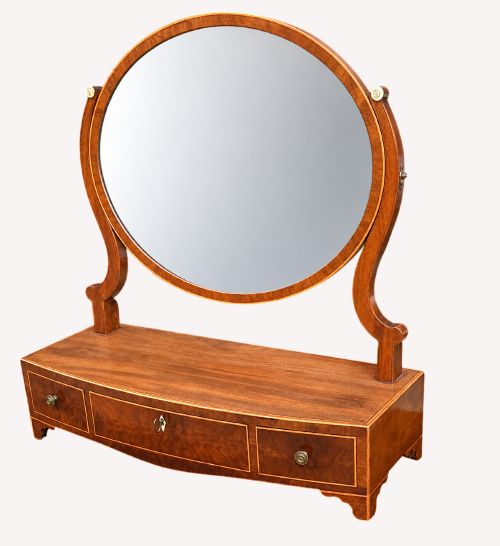
You are most likely to meet mahogany table mirrors with small drawers in their plinths, alongside larger kneehole writing and dressing tables featuring multiple drawers. Examples also appear in walnut, oak and pine, taking the shape of swing mirrors, lowboys and gentleman's chests from Georgian, Victorian and Edwardian periods.
How they were made
Cabinetmakers built these pieces using solid timbers such as mahogany, walnut and oak, often applying figured veneers like burr walnut or flame mahogany to visible surfaces. Drawer linings typically utilise secondary woods, constructed with traditional joints.
Glass plates in the mirrors rely on early silvering techniques, held within pivoting frames supported by upright arms. Brass handles, escutcheons and candle sconces complement the timber construction on many period examples.
Listings feature mahogany, walnut, oak, pine and maple across Georgian, Victorian, Edwardian and 1920s periods.
What varies in quality
The choice of timber grain dictates much of the visual appeal, with highly figured burr walnut and flame mahogany marking out finer productions. The subtlety of edge mouldings and the crispness of turned supports distinguish workshops of higher skill.
Interior construction reveals workmanship through the neatness of drawer dovetails and the choice of secondary woods. Original mirror glass and matching brass hardware preserve the integrity of a piece far better than later replacements.
Heal and Son·Frank Taylor and Co·Maple and Co·George Walton
The Antique Vanity Drawers Glossary
- Lowboy
- A small occasional table with one or more rows of drawers, commonly used as a dressing or writing surface in the eighteenth century. They frequently stand on cabriole or straight legs.
- Toilet mirror
- A small mirror mounted on a box base containing one or more small drawers, designed to sit on a chest of drawers or dressing table. These pieces allowed users to adjust the glass angle during grooming.
- Kneehole
- A desk or dressing table configuration featuring a central recess for the sitter's legs, flanked by pedestals of small drawers. This layout became popular during the Georgian period.
- Escutcheon
- A protective plate surrounding a keyhole, usually fashioned from brass or bone. They prevent the timber around the lock from sustaining damage over repeated use.
- Dovetail
- A traditional wood joint formed by interlocking wedge-shaped fingers, used to join drawer sides to drawer fronts. Fine, narrow pins indicate careful hand carpentry.
Antique Vanity Drawers: Frequently Asked Questions
What is the difference between a toilet mirror and a lowboy?
A toilet mirror is a tabletop glass mounted on a small drawer base, designed for placement on top of a larger surface.
By contrast, a lowboy is an independent table standing on its own legs, equipped with drawers beneath the surface.
How do I date an antique dressing mirror?
Dating relies on timber choices, handle styles, and the construction methods used within the drawer boxes. Earlier pieces often display secondary softwood linings and hand-cut dovetails alongside original mirror glass.
Later Victorian and Edwardian examples introduce machine-sawn elements and different veneer cuts. Comparing the overall proportions to documented pieces helps narrow down the period.
Where were these pieces used in the home?
These items originally stood in bedrooms, dressing rooms, and boudoirs where personal grooming took place. Smaller mirror boxes sat atop chests of drawers to catch natural light from windows.
Larger kneehole tables and dressing chests functioned as dedicated stations for hair styling and washing.
Are the mirrors on these pieces original?
Many surviving pieces retain their early mercury or silvered glass plates, though some have received replacements over the decades. Original glass often shows minor foxing, tiny blemishes, and slight distortion.
Replacement glass usually appears too clear and lacks the subtle irregularities found in period examples.