

Antique Uzbek Hanging
An antique uzbek hanging brings vibrant Central Asian textile art into a modern room, offering rich embroidered history and bold geometric patterns.
Antique Uzbek Hanging
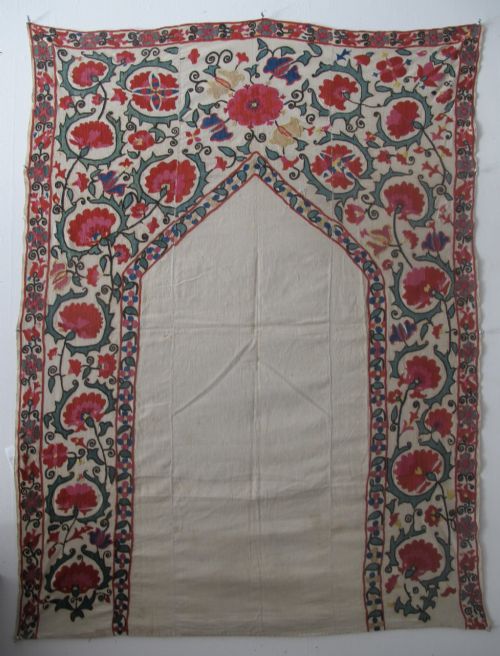
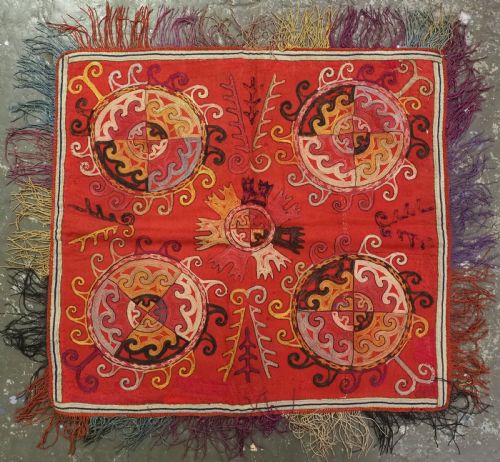
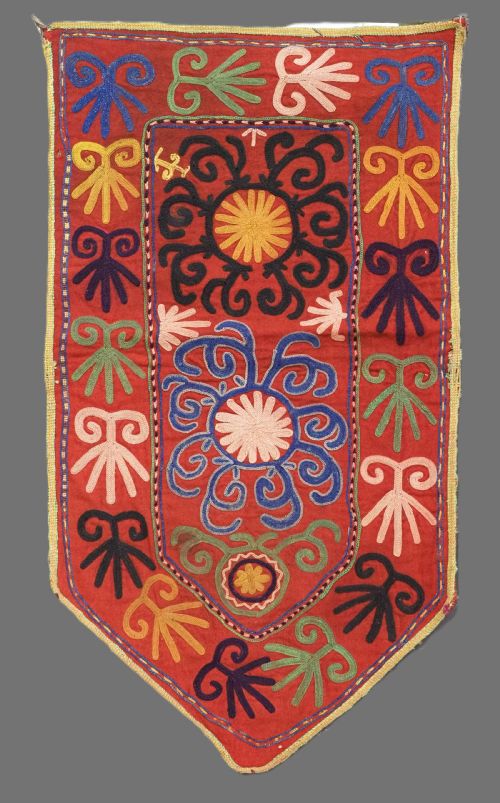
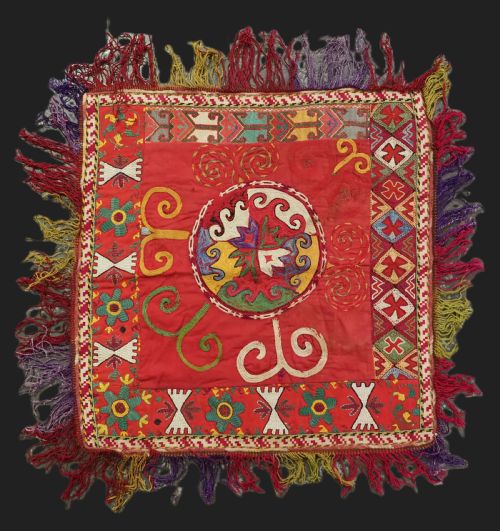
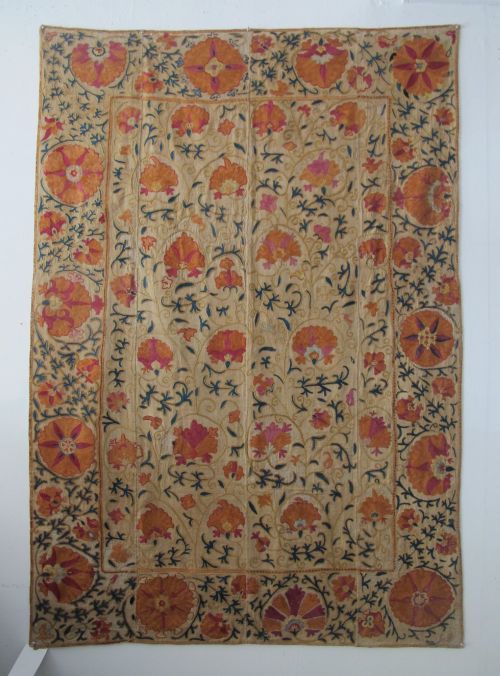
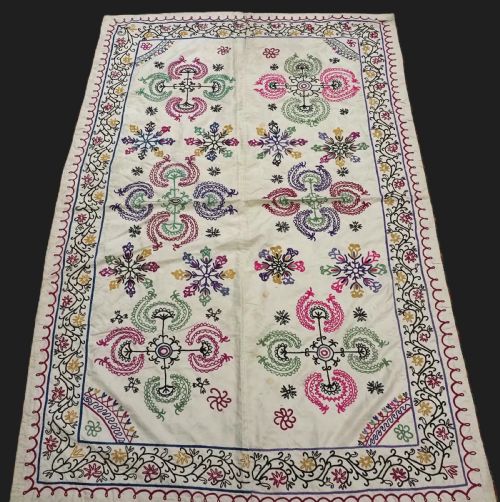
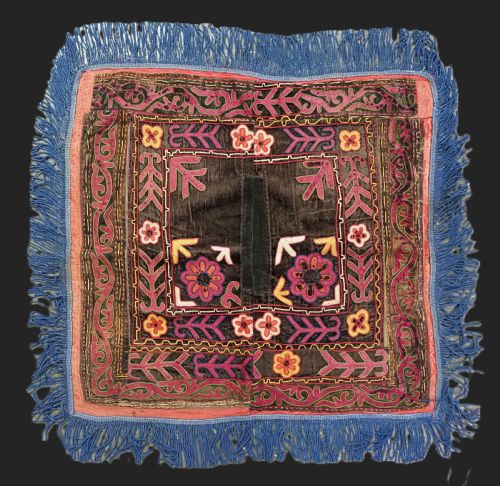
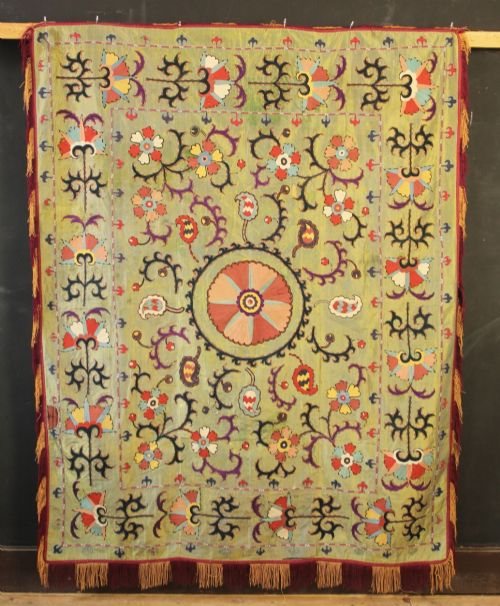
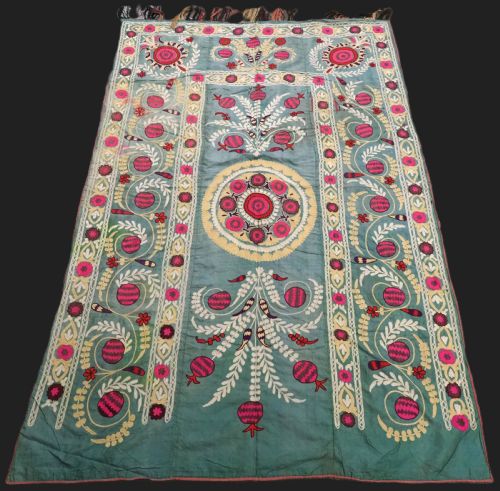
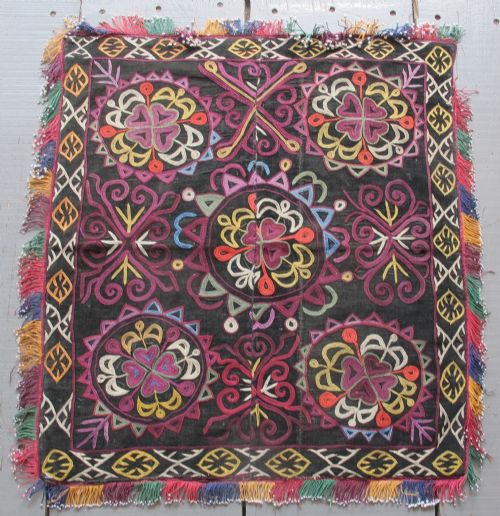
The search for an antique uzbek hanging encompasses a diverse group of Central Asian textiles, including embroidered suzanis, dowry pieces, and woven panels. These works originate from regional traditions spanning the nineteenth and early twentieth centuries, reflecting the distinct aesthetics of local makers.
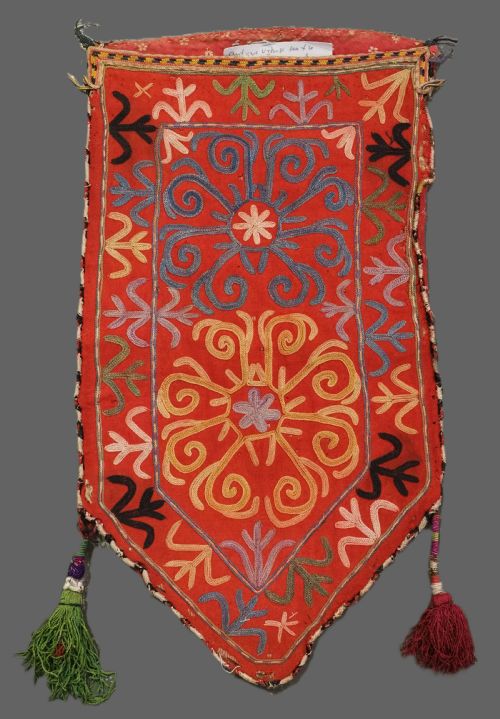
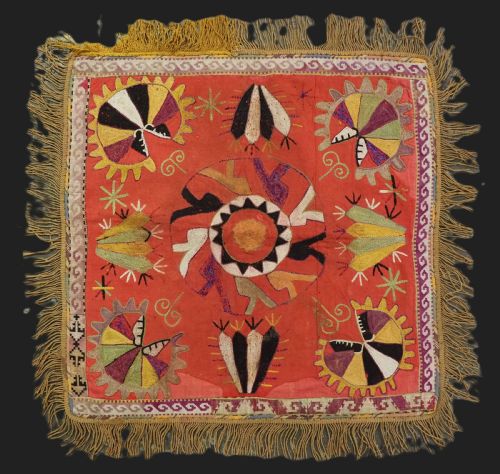
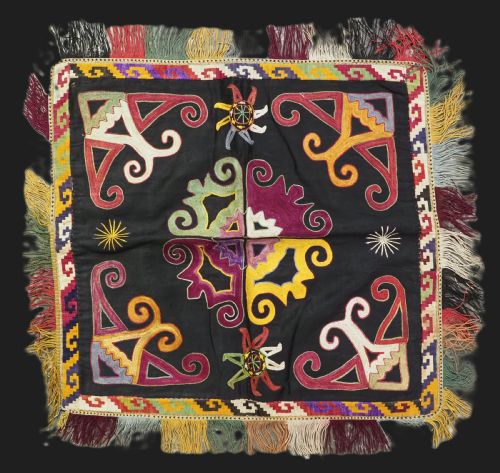
Buyers frequently encounter pieces created by the Lakai tribe alongside urban workshop productions from centres such as Bukhara and Shakrisabz. Common forms range from large wall panels and bed covers to smaller domestic items originally utilised for ceremonial or daily purposes.
How They Were Made
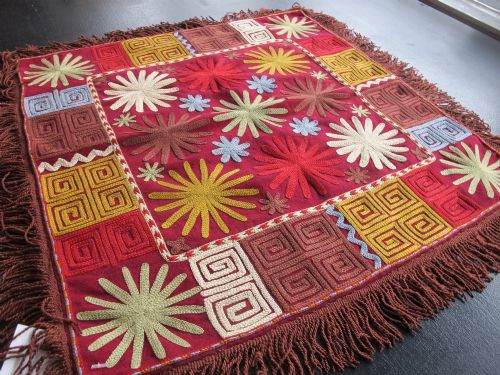
Artisans constructed these textiles primarily using fine silk, cotton, and wool grounds, often enhanced with supplementary materials like felt, velvet, and glass beads. Stitching techniques such as silk embroidery defined the decorative surface, creating dense patterns across the fabric.
Panel construction also involved ikat dyeing methods on semi-silk adras cloth, where threads were resist-dyed before weaving to form characteristic feathered motifs. Artisans padded and quilted specific garments and covers to add structure and warmth.
Antique Uzbek Hanging Retail Price Guide 2026
Typical asking prices for uzbek hanging among the pieces listed under this phrase on Sellingantiques today, from the lower quarter to the upper quarter. They describe what is for sale here now, not the wider market.
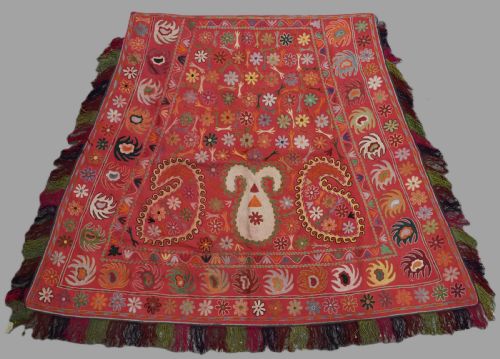
Several horse covers in the collection remind us that nineteenth-century steed fashion demanded embroidery just as much as human attire did.
What Varies in Quality
Quality rests upon the precision of the needlework and the complexity of the design layout, with finer pieces displaying intricate execution and balanced proportions. The handling of natural dyes and the richness of the silk thread further distinguish superior examples from standard ones.
The integrity of the ground fabric and the preservation of the original embroidery contribute significantly to the standing of a textile. Individual tribal expressions show variation in artistic vigour, where bolder graphic arrangements command particular attention.
The Antique Uzbek Hanging Glossary
- Suzani
- An embroidered textile panel originating from Central Asia, traditionally made as part of a bride's dowry. These large cloths often feature floral and medallion motifs worked in silk on a cotton or linen ground.
- Ikat
- A dyeing technique where warp or weft threads are resist-dyed prior to weaving to create blurred, distinctive patterns. This method produces vibrant fabrics like semi-silk adras.
- Ilgich
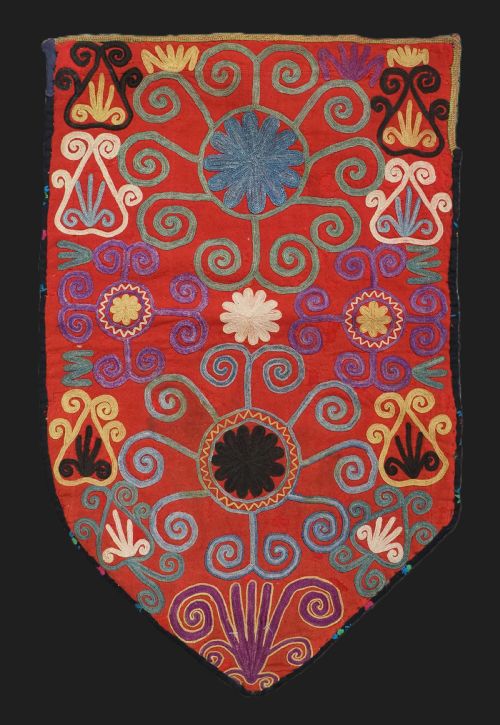
- A specific form of hanging or dowry embroidery associated with the Lakai tribe. These works often display dynamic, geometric designs executed in bold silk stitches.
- Adras
- A traditional hybrid fabric woven with a silk warp and a cotton welt. It serves as the standard ground for many patterned ikat panels.
- Torba
- A small storage bag or hanging piece produced by tribal groups. They were utilised inside nomadic dwellings for domestic organisation.
Antique Uzbek Hanging: Frequently Asked Questions
How were these textiles used?
Historic Central Asian textiles fulfilled multiple practical and ceremonial functions within daily life. Many acted as wall decorations, bed covers, or dowry items prepared for weddings.
Tribal pieces like horse covers and storage bags also played parts in nomadic transport and domestic organisation, combining utility with artistic expression.
How do I care for a textile?
Living with antique textiles requires mindful placement away from direct sunlight to protect natural silk and cotton dyes from fading. Gentle handling preserves the delicate embroidery threads and ground fabrics.
Professional mounting helps distribute the weight evenly when displaying a piece on a wall, avoiding strain on the historic material.
How are regional styles told apart?
Regional variations emerge through distinct colour palettes, materials, and stitchwork characteristic of specific groups and cities. Urban centres like Bukhara produced large floral suzanis on fine silk or cotton.
In contrast, tribal makers such as the Lakai utilised wool grounds, felt, and dynamic geometric embroidery to create distinctively compact compositions.