

Antique Urn Lighting
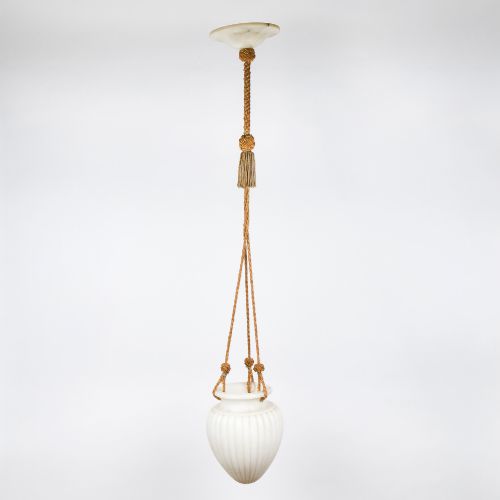
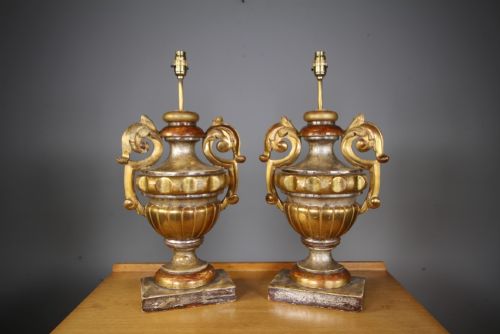
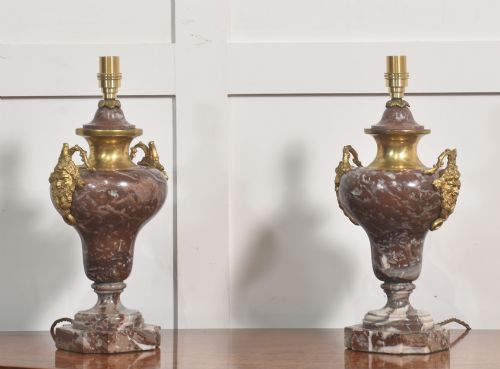
Antique urn lighting transforms classical vessels into functional lamps using materials like marble, porcelain, and ormolu.
Antique Urn Lighting
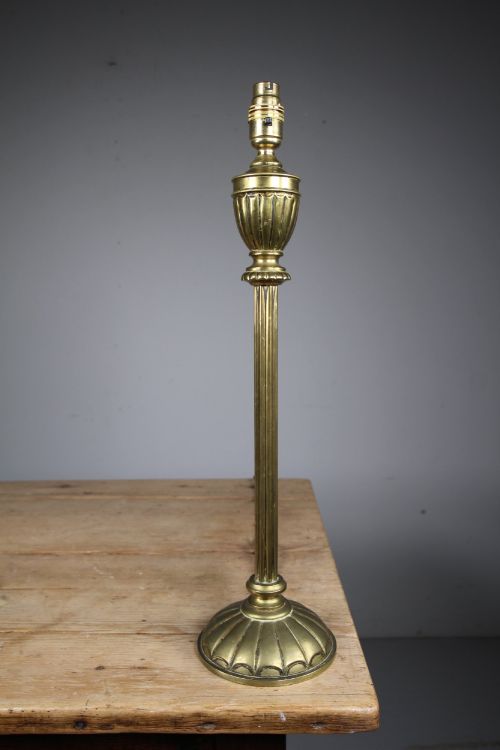
Antique urn lighting comprises table lamps and wall lights adapted from traditional classical vessels, ginger jars, and cassolettes. These pieces bridge historical decorative arts and domestic illumination, drawing on styles from the eighteenth century through to the Edwardian period.
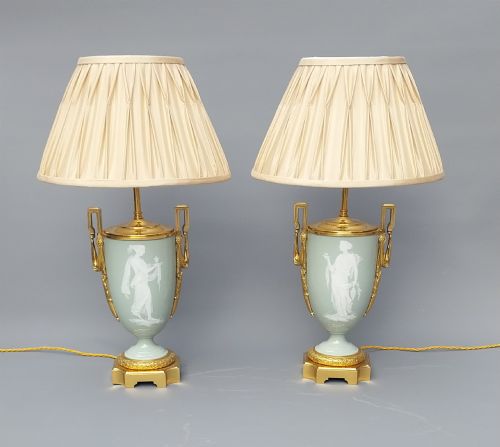
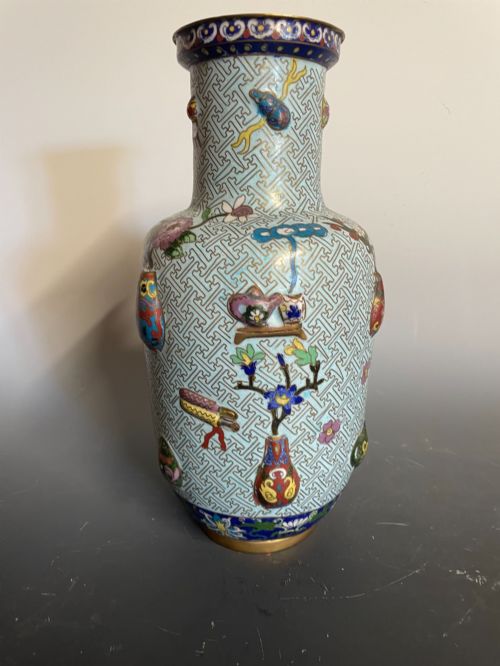
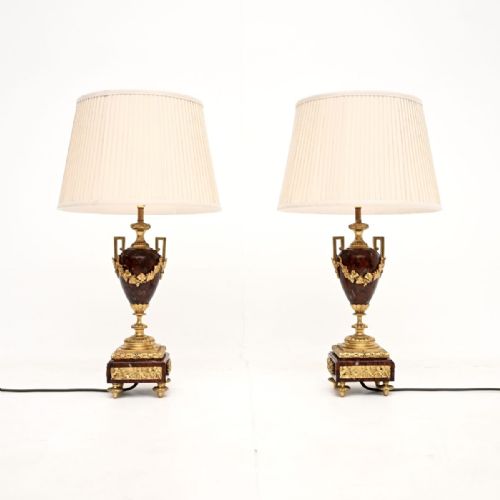
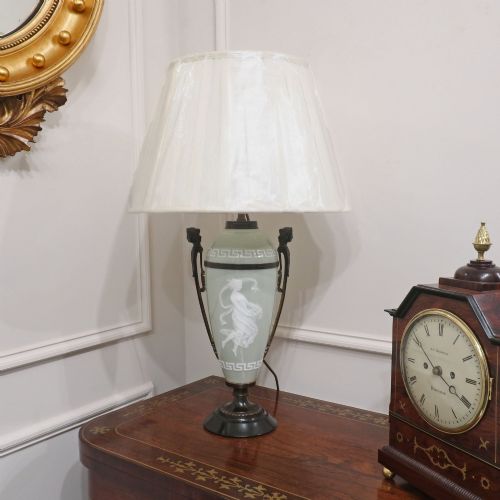
The selections available here rely heavily on French Neoclassical, Louis XVI, and Chinoiserie designs. Table lamps dominate the inventory, often built from converted vases, porcelain bodies, and carved wood or stone urns mounted with metal fittings.
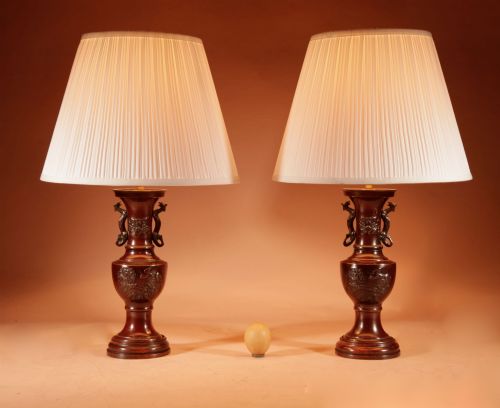
Origins span English, French, and Japanese workshops, with Meiji period bronzes and Satsuma ceramics appearing alongside European porcelain and marble. Many items incorporate earlier vessels mounted during subsequent decades to meet changing interior tastes.
What varies in quality
Quality rests on the crispness of the bronze chasing and the weight of the underlying stone or porcelain. Finer examples display deeply articulated mounts, intact fire gilding, and perfectly matched pairs rather than assembled components.
The integrity of the original vessel dictates the overall merit of the piece. Premium conversions preserve the exact proportions of the antique body without excessive drilling or structural compromise to the ceramic or marble.
Several rams heads quietly oversee the room from their permanent posts on nineteenth-century ormolu mounts.
Casier·Thomas Hope·Royal Worcester·Hicks and Meigh
The Antique Urn Lighting Glossary
- Ormolu
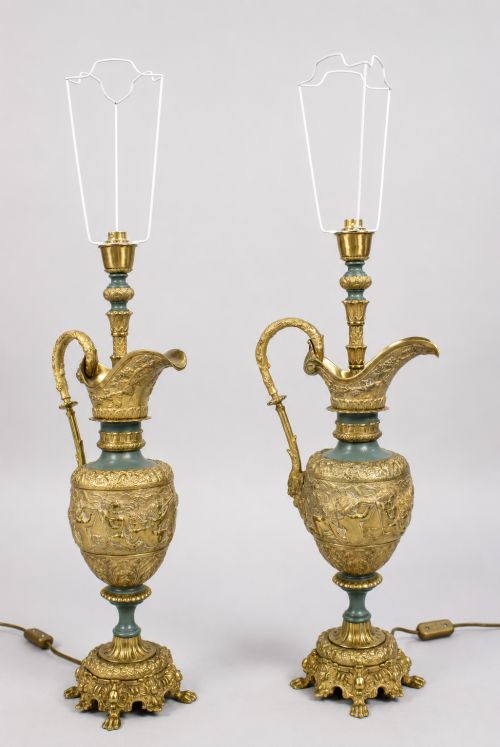
- Gilded bronze mounted onto decorative objects and furniture. This technique uses a mercury and gold amalgam fired onto a bronze base to produce a rich golden surface.
- Cassolette
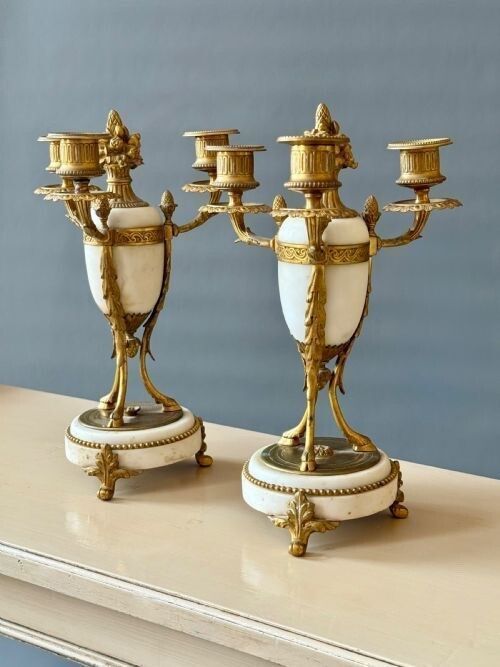
- A decorative vessel shaped like an urn, often featuring a reversible lid that transforms the piece from a vase into a candleholder.
- Champlevé
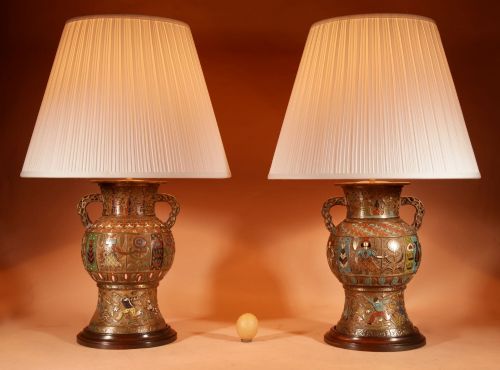
- An enamelling technique where troughs are hollowed out of a metal surface and filled with vitreous enamel before firing. Japanese and French makers applied this method extensively to bronze bases.
- Pate sur pate
- A porcelain manufacturing method where raised designs are painted in liquid clay slip onto a contrasting body before glazing and firing.
- Neoclassical
- A decorative style inspired by classical Greece and Rome. It prioritises symmetry, architectural urn forms, and restrained ornamental mounts.
Antique Urn Lighting: Frequently Asked Questions
How do I wire an antique urn lamp?
Wiring requires running modern flex through the central channel of the urn without damaging the ceramic or stone body. Many pieces retain older brass tube fittings that can accommodate contemporary lamp holders.
Professional rewiring ensures the weight of the stone or metal urn remains properly balanced and stable. Qualified electricians can thread cords safely through existing openings without altering the exterior finish.
Are these urns originally lamps?
Most antique urns began as decorative vases, ginger jars, or cassolettes before conversion into lighting during later periods. The process frequently involves adapting nineteenth or eighteenth century vessels with electrical fittings.
Some items started as oil lamps or candlesticks before undergoing modern electrical adaptation. Examining the interior mounting will reveal whether the vessel was drilled recently or during an earlier conversion.
How do I date an urn lamp?
Dating relies on examining the manufacturing marks on the ceramic base, the style of the bronze mounts, and the construction of the internal hardware. French Louis XVI style pieces often display distinct neoclassical motifs from the nineteenth century.
Japanese Meiji period bronzes and Satsuma wares carry specific stylistic markers linked to late nineteenth century export production. Comparing the vessel's base material to the metal mounts helps establish whether the conversion is period-correct.