

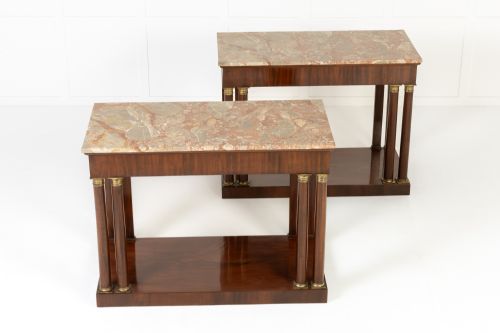


Antique Undertier Hall Table
These antique undertier hall table pieces bring functional elegance to entranceways through lower shelf storage and period craftsmanship.
Antique Undertier Hall Table
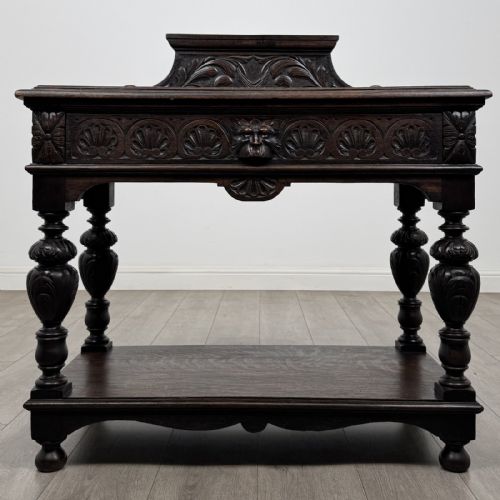
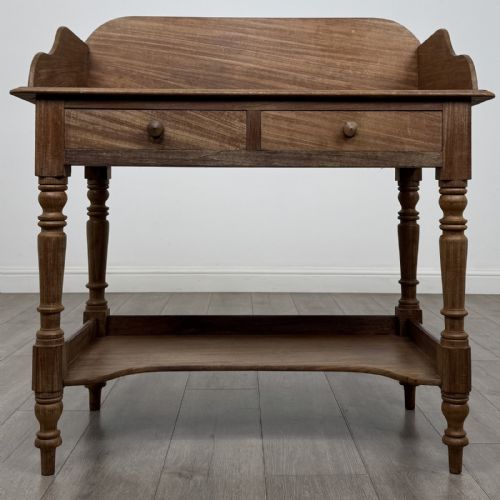
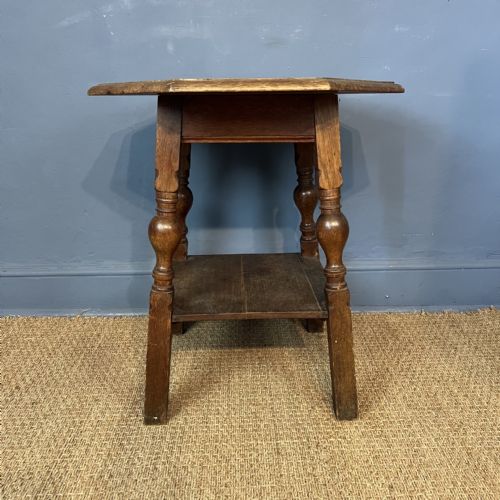
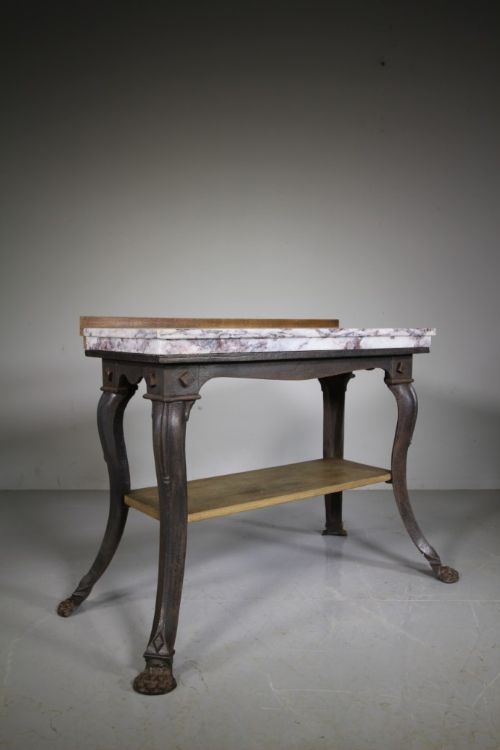
An antique undertier hall table encompasses occasional tables, side tables, and console tables designed with an additional lower shelf or undertier. The selection spans the 19th Century, Edwardian period, and around 1900, showing influences from Arts and Crafts, Italian Neoclassical, Charles X, Louis XVI Revival, and Grand Regency styles.
Buyers seeking an antique undertier hall table will encounter freestanding designs as well as larger console tables suitable for placement against a wall in a hallway or reception room.
How they were made
Cabinetmakers utilised primary timbers such as mahogany, satinwood, and oak, frequently incorporating decorative wood inlay to enhance the surface appearance of the tables. Selected pieces pair wooden frames with iron or marble elements, combining stability with classical decorative appeal.
Construction techniques from the 19th Century and Edwardian eras prioritised sturdy joinery to support both the primary top surface and the lower undertier shelf. Turnings, mouldings, and veneering methods reflect the prevalent Arts and Crafts and revivalist cabinetmaking standards of the period.
Antique Undertier Hall Table Retail Price Guide 2026
Typical asking prices for undertier hall table among the pieces listed under this phrase on Sellingantiques today, from the lower quarter to the upper quarter. They describe what is for sale here now, not the wider market.
Listings feature 19th Century, Edwardian, and 1900 periods, utilising mahogany, marble, brass, satinwood, oak, wood inlay, and cast iron.
What varies in quality
The degree of refinement in the wood inlay and the selection of timber figure, such as flame mahogany or figured satinwood, distinguish finer examples from standard production. Material combinations, including the integration of marble tops or brass details, elevate the decorative ambition of the piece.
Proportion and stylistic coherence also set pieces apart, where restrained neoclassical lines or well-executed Arts and Crafts joinery demonstrate superior workshop execution.
Liberty and Co
The Antique Undertier Hall Table Glossary
- Undertier
- A lower shelf beneath the main surface of a table, providing additional display or storage space. This secondary tier is characteristic of many occasional and side tables from the nineteenth and early twentieth centuries.
- Console table
- A table designed to be fixed against a wall or configured as a freestanding piece in a hallway. These tables often feature elaborate stylistic references such as Italian Neoclassical or Louis XVI Revival motifs.
- Occasional table
- A small, versatile table intended for flexible placement within a room. Examples in this category often take oval, octagonal, or rectangular forms.
- Satinwood
- A durable, yellowish wood prized for its lustrous grain and smooth finish. It was frequently utilised for fine inlay work on late nineteenth and Edwardian furniture.
- Flame mahogany
- A decorative veneer cut from timber where the grain creates a distinctive undulating, flame-like pattern. This material denotes a higher grade of cabinetmaking.
Antique Undertier Hall Table: Frequently Asked Questions
What is an undertier hall table?
An undertier hall table is a piece of furniture featuring a main surface and a lower shelf, placed in entranceways or hallways for display and utility.
These tables combine the surface area of a standard side table with the practical addition of a lower tier for books or decorative objects.
How do I date these tables?
Dating relies on identifying stylistic markers, timber types, and construction methods associated with periods like the Edwardian era or the 19th Century. Arts and Crafts and revival styles also provide clear chronological indicators.
Examining the type of wood inlay and hardware helps narrow down whether a piece originates from the Victorian period, around 1900, or the Edwardian years.
Where should I place a console table?
Console tables are traditionally positioned against a hallway wall or in a reception space where floor space is limited. They provide a surface for lamps, correspondence, or decorative items.
Freestanding variations can also act as centre tables depending on the layout and proportions of the room.
How do I care for mahogany and satinwood?
Maintenance involves dusting with a soft cloth and avoiding placement in direct sunlight or near heat sources that might dry the timber. Periodic polishing preserves the lustre of the wood.
Care should be taken with marble or inlaid surfaces to protect against moisture and scratches during daily use.