





Antique Turquoise Pottery
Antique turquoise pottery brings vivid mineral colour to a room through glazed earthenware, porcelain, and faience vessels spanning several centuries.
Antique Turquoise Pottery
Antique turquoise pottery spans utilitarian vessels, garden seats, garden ornaments, and decorative display items produced across multiple centuries. Buyers searching for antique turquoise pottery encounter pieces ranging from early Chinese glazed figures to Victorian majolica vases and British art pottery.
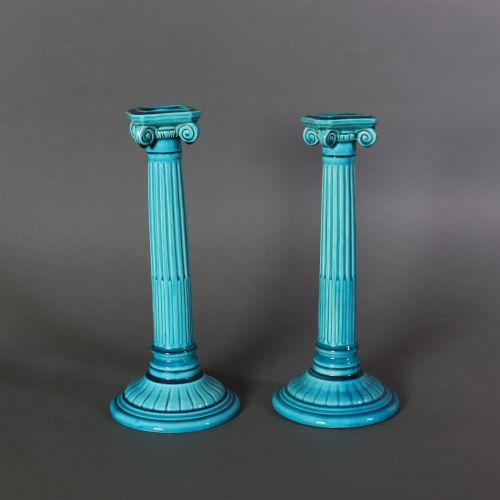
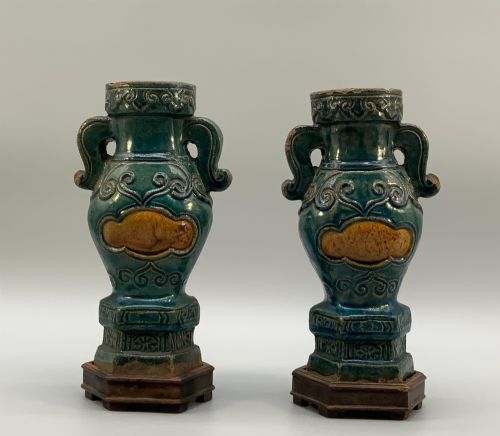
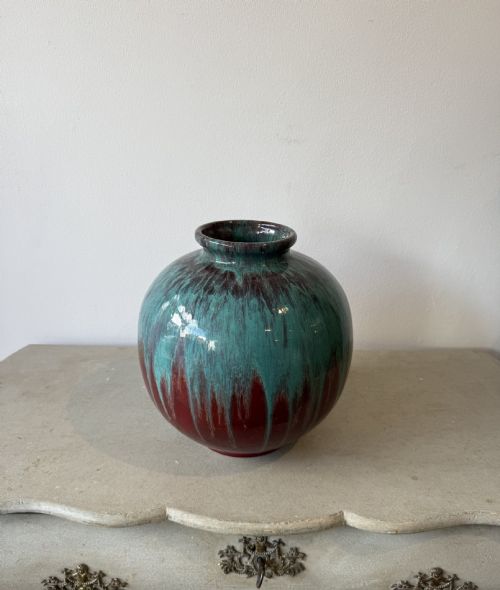
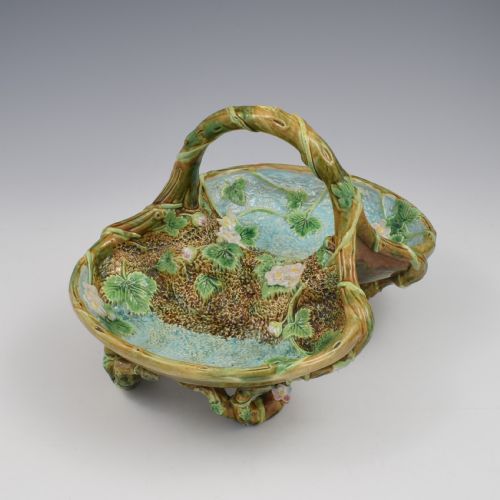
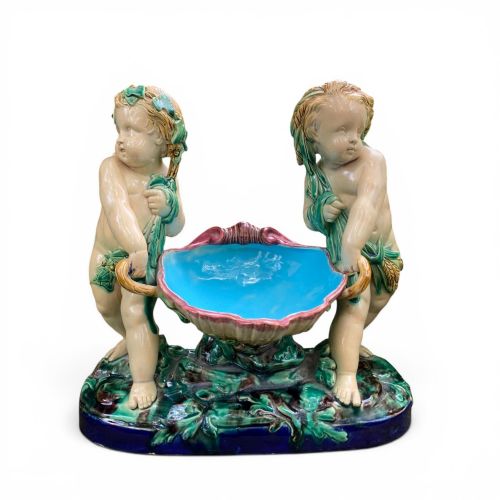
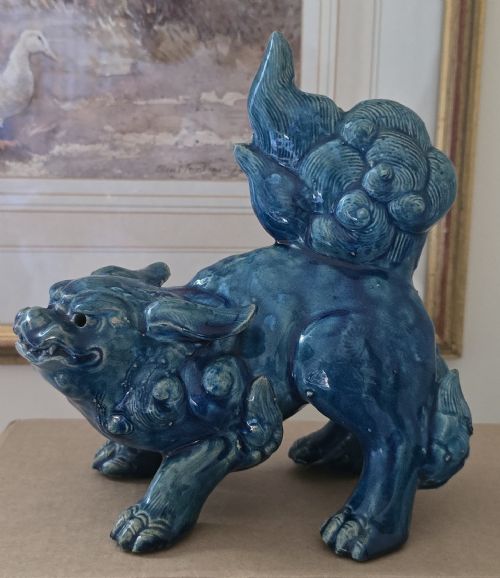
The selection includes items like Minton majolica baskets, Burmantofts faience candlesticks, French ceramic vases, and Japanese turquoise-glazed shishi figures. Production dates stretch from early Ming Dynasty pieces and Safavid tiles up to early twentieth-century British and European studio ceramics.
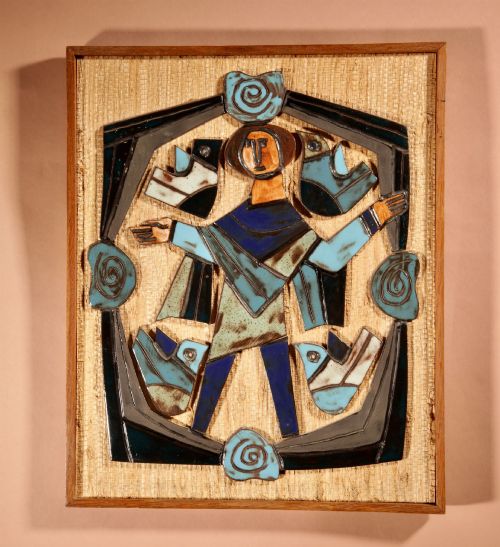
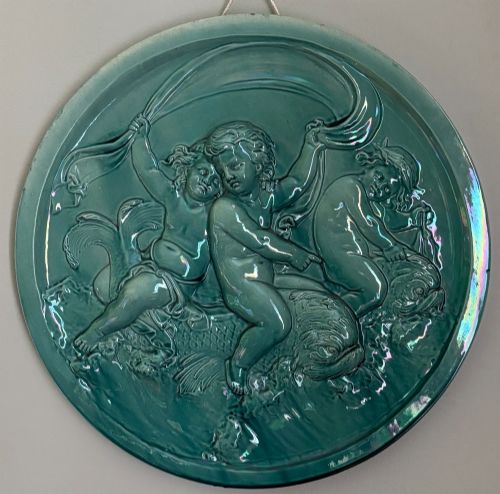
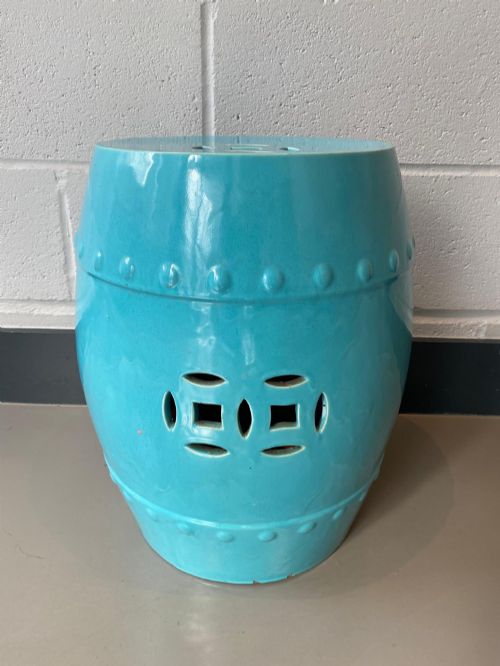
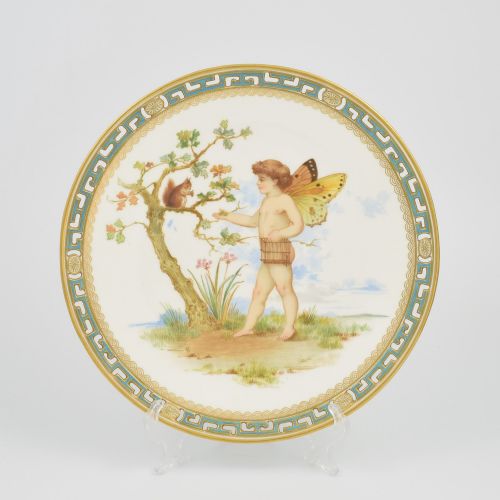
Vessels take many shapes, including monumental vases, umbrella stands, salad bowls, plates, and architectural plaques. These objects originate from British potteries, French workshops, Asian dynasties, and Middle Eastern kilns.
Materials and technique
Makers utilised earthenware, porcelain, and ceramic bodies as the foundation for vibrant turquoise glazes and enamel decoration. Potters applied metallic oxide glazes to achieve the characteristic bright blue-green surface before firing the pieces in kilns.
Techniques varied from slip-cast majolica and faience to hand-thrown art pottery and intricate Chinese porcelain moulding. Relief decoration, pierced porcelain work, and lustre glazes appear across European and Asian examples.
Antique Turquoise Pottery Retail Price Guide 2026
Typical asking prices for turquoise pottery among the pieces listed under this phrase on Sellingantiques today, from the lower quarter to the upper quarter. They describe what is for sale here now, not the wider market.
A seated ceramic ape from the early twentieth century shares shelf space with haughty cockerels and watchful guardian lions.
Evaluating the pieces
Quality rests upon the depth and richness of the turquoise glaze and the precision of the underlying modelling. Superior examples display even glaze coverage without pooling defects, alongside crisp detail in moulded figures, botanical reliefs, or hand-painted motifs.
Pieces bearing identifiable signatures or attribution to notable factories and designers hold greater distinction. The sophistication of the form, whether a monumental Bacchus vase or a delicate pierced plate, distinguishes standard production from exceptional output.
Minton·Burmantofts Faience·George Jones·Doulton Lambeth·Clement Massier·Longwy
The Antique Turquoise Pottery Glossary
- Majolica
- A type of earthenware decorated with opaque coloured glazes over an absorbent clay body. It gained popularity during the Victorian era for brightly coloured garden seats and decorative tableware.
- Faience
- European tin-glazed earthenware or art pottery produced with vibrant coloured glazes. Workshops like Burmantofts utilised this technique for vases and architectural pedestals.
- Lustre glaze
- A metallic film applied to pottery to create an iridescent sheen. Clement Massier utilised this technique on earthenware bodies.
- Shishi
- A traditional guardian lion figure originating in Asian art. Japanese makers rendered these subjects in turquoise-glazed ceramic forms.
Antique Turquoise Pottery: Frequently Asked Questions
What is antique turquoise pottery?
Antique turquoise pottery encompasses ceramic vessels, figures, tiles, and garden furniture coated in distinctive blue-green mineral glazes. These objects originate from European factories, Asian dynasties, and Middle Eastern kilns.
Pieces range from early Chinese porcelain and Persian tiles to Victorian majolica and British art pottery from the late nineteenth and early twentieth centuries.
How do I identify the period?
Dating relies on stylistic clues, factory marks, and the interaction of the glaze with the underlying ceramic body. Victorian pieces often display naturalistic plant or animal motifs in glossy majolica.
Earlier examples from Ming or Qing dynasties exhibit traditional forms and craquelure glazes, while Arts and Crafts and Art Nouveau items show distinct modernist or revivalist silhouettes.
Where were these ceramics made?
Production centres span the globe, including prominent British potteries in Stoke-on-Trent and Yorkshire, French ceramic studios, and Japanese kilns. Asian and Middle Eastern pieces reflect centuries-old glazing traditions.
European factories adapted these historical glaze traditions to suit Victorian aesthetic tastes and later art pottery movements.
How do I display them?
Turquoise ceramics serve as vivid focal points on mantels, tables, and pedestals, contrasting against neutral interior backgrounds. Larger garden seats, umbrella stands, and monumental vases anchor room corners or hallway spaces.
Smaller plates, tiles, and bowls work well mounted on walls or displayed within cabinets alongside other glazed ceramics.