



Antique Turquoise Platter
An antique turquoise platter brings brilliant colour and intricate detail to a room, offering a striking centrepiece shaped by centuries of global ceramic and enamel traditions.
Antique Turquoise Platter
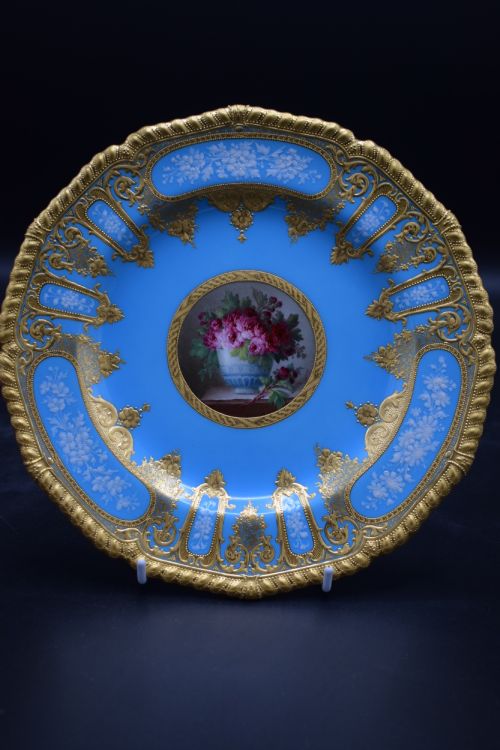
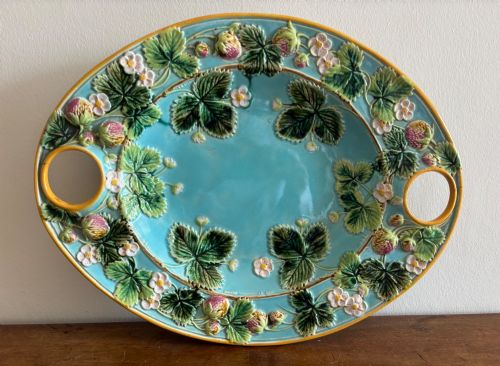
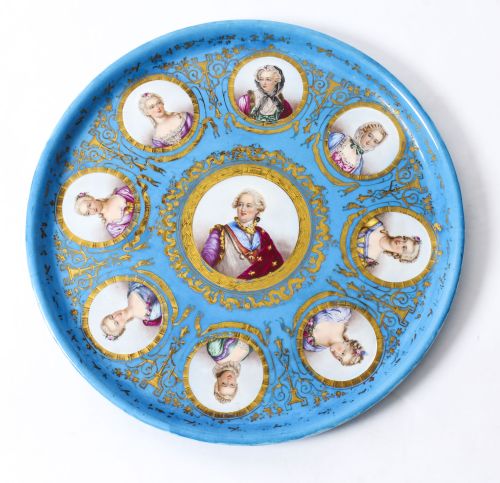
When you search for an antique turquoise platter, you enter a diverse field spanning English earthenware, French porcelain, and Japanese metalwork. These pieces range from large decorative chargers to specific serving dishes, each dominated by vivid turquoise glazes or enamel work.
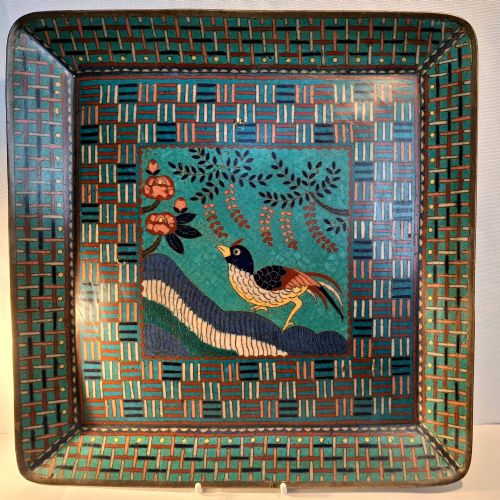
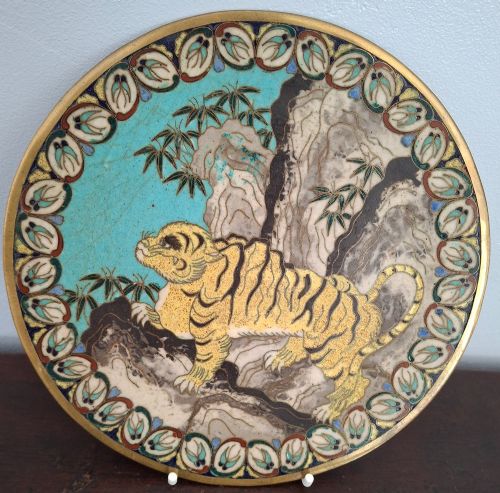
The versions you are most likely to meet on this page include Japanese cloisonne enamel plates from the Meiji period alongside 19th-century European porcelain and earthenware. Makers applied the turquoise hue in varied ways, from the crackled lead glazes of majolica to the smooth fields of cloisonne ground.
Forms vary from broad trays and shallow dishes to deep chargers intended for display rather than the dining table. The selection unites diverse cultural workshops under the shared banner of striking turquoise design and antique craftsmanship.
Materials and construction methods
The physical construction relies heavily on ceramic bodies, porcelain pastes, and metal substrates like copper or brass. Artisans shaped earthenware and porcelain before applying lead glazes and enamel colours to achieve the characteristic turquoise shade.
Cloisonne pieces required delicate copper or brass wire soldered onto a metal base to form cells, which were then filled with coloured enamel pastes and fired multiple times. Ceramic platters often utilised handpainted overglazes or majolica techniques to build depth within the turquoise field.
Antique Turquoise Platter Retail Price Guide 2026
Typical asking prices for turquoise platter among the pieces listed under this phrase on Sellingantiques today, from the lower quarter to the upper quarter. They describe what is for sale here now, not the wider market.
Watch out for watchful geese, samurai, and hidden demons staring out from the turquoise enamel fields of Japanese platters.
Assessing quality in antique turquoise platters
Quality rests in the precision of the execution, whether in the tightness of cloisonne wirework or the crispness of handpainted motifs like birds, flowers, and figures. Master workshops achieved even, unblemished enamel fields and finely detailed subjects that elevate a standard dish into a work of art.
The weight of the metal base, the complexity of the design, and the vibrancy of the turquoise ground distinguish standard production pieces from exceptional ones. Signatures from renowned makers and workshops further indicate a higher tier of historic craftsmanship.
H & R Daniel·George Jones·Kinkozan·Louis Pierre Malpass·Sevres
The Antique Turquoise Platter Glossary
- Charger
- A large decorative plate or platter typically meant for display on a wall or sideboard rather than daily dining use.
- Cloisonne Enamel
- A metalwork technique where fine wires are soldered to a base to create compartments filled with enamel paste and fired.
- Majolica
- A type of earthenware coated with an opaque lead glaze, known for rich, vibrant colours including turquoise.
- Japonisme
- A late 19th-century Western artistic movement influenced by Japanese art and design.
- Earthenware
- Porous pottery fired at lower temperatures, commonly glazed to ensure water resistance.
Antique Turquoise Platter: Frequently Asked Questions
Were these turquoise platters used for food?
Many large chargers and decorative dishes were made strictly for display in formal rooms rather than actual serving.
Some porcelain and earthenware platters did function as serving dishes for special meals, depending on their glaze durability.
What is the difference between Meiji and Edo Japanese pieces?
Pieces from the late Edo period reflect earlier isolationist traditions and slightly heavier metalworking techniques.
Meiji period items often show the rapid opening of trade and the pinnacle of refined enamel detail.
How can I tell French porcelain from English earthenware?
French porcelain tends to feature finer translucent bodies, often associated with Sevres or Japonesque styling.
English earthenware and majolica display heavier, more robust bodies with rich lead glazes like those by George Jones.