




Antique Turned Cup
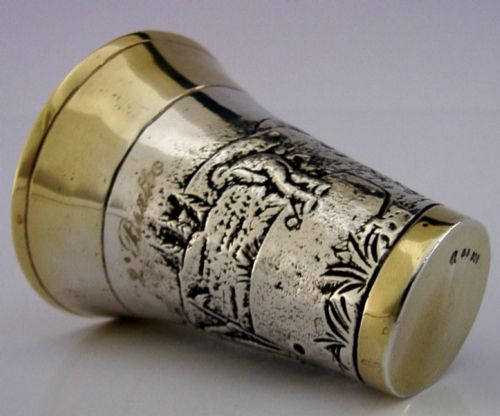
An antique turned cup brings tactile warmth to a room, offering the dense grain of fruitwood or walnut shaped by the lathe.
Antique Turned Cup
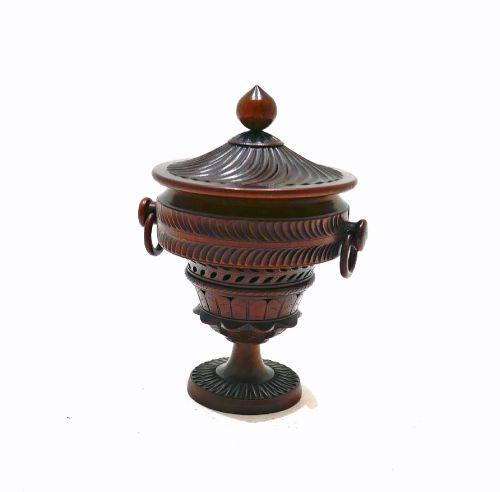
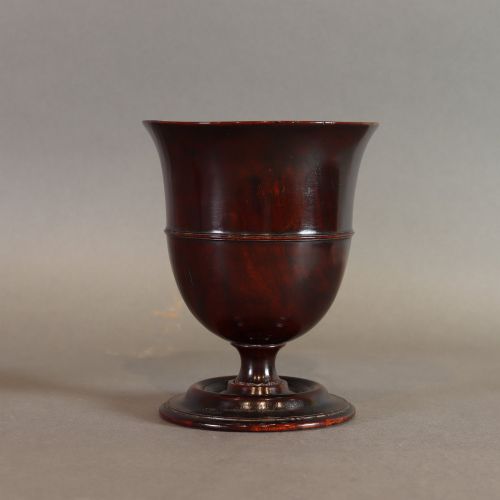
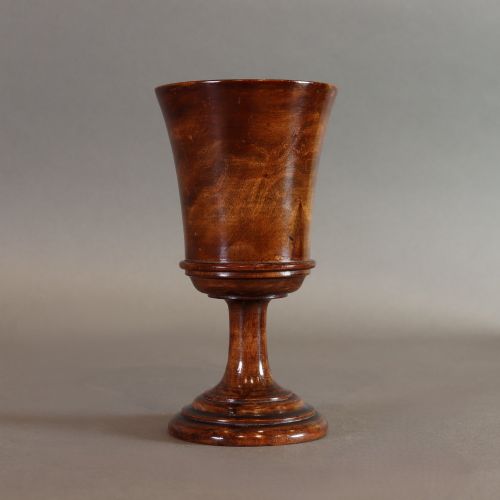
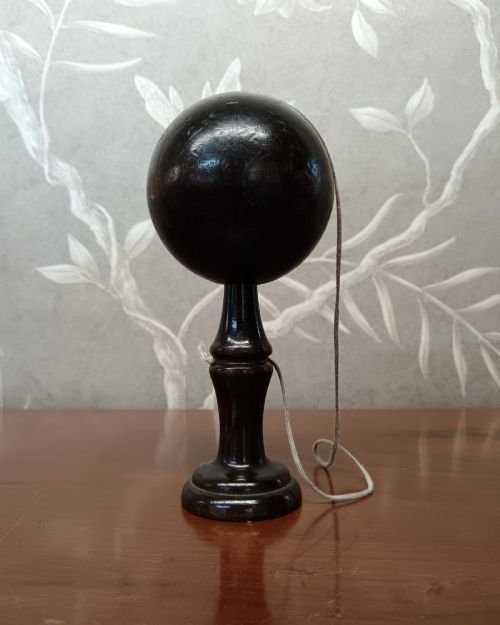
An antique turned cup encompasses treen goblets, lidded pomander cups, spill holders, and ball and cup games shaped on a lathe. You are most likely to encounter fruitwood, walnut, and hardwood vessels originating from the Georgian and Victorian periods.
Makers shaped these utilitarian and decorative objects for domestic use, producing pedestal goblets, eggcup stands, and beaker forms. The selection ranges from plain turned wood to pieces associated with earlier private collections.
How they were made
Craftsmen utilised dense timbers such as fruitwood, walnut, lignum vitae, yew wood, and plum wood mounted on a lathe. The rotating wood was shaped with gouges and chisels to create balanced profiles and smooth stems.
Selected examples incorporate fitted lids, turned cord details, or ebonised finishes applied to the wooden surface. The resulting forms rely entirely on precise turning rather than applied ornamentation.
Antique Turned Cup Retail Price Guide 2026
Typical asking prices for turned cup among the pieces listed under this phrase on Sellingantiques today, from the lower quarter to the upper quarter. They describe what is for sale here now, not the wider market.
A revolving egg cup stand provides proof that Victorians took breakfast logistics very seriously indeed.
What varies in quality
Quality rests on the crispness of the turning and the choice of timber, with unusual woods like plum or dense lignum vitae marking out better examples. The balance of the stem and the proportions of the bowl distinguish accomplished work from simpler utility items.
Condition and original surface patination dictate the standing of a piece. Intact turned details, such as delicate pedestal bases and tight-fitting lids, separate superior survivors from heavily worn or altered specimens.
The Antique Turned Cup Glossary
- Treen
- Small wooden domestic objects made by turning or carving. These pieces display the natural grain and colour of timber shaped for everyday use.
- Lignum vitae
- A dense, heavy tropical hardwood often used for turned goblets. Its oily nature and weight made it suitable for durable drinking vessels.
- Pomander
- A perforated container holding aromatic substances. Turned wood lidded cups sometimes served this function in domestic interiors.
- Bilboquet
- A traditional ball and cup game. The toy consists of a turned wooden handle with a cup and a ball attached by cord.
Antique Turned Cup: Frequently Asked Questions
How were turned wooden cups used?
Many turned cups served as decorative treen or display items rather than functional tableware. Some examples held aromatic spices as pomanders, while others functioned as spill holders for tapers.
Game pieces like the bilboquet combined turning with play, serving as indoor entertainment.
How do I care for turned wood?
Keep wooden treen away from direct heat sources and dramatic fluctuations in humidity to prevent timber from splitting. Dust gently with a dry cloth and avoid harsh cleaning products that strip the aged surface.
Applying occasional specialist wax helps maintain the natural sheen of the wood.
How can I tell the period?
Dating relies on timber selection, tool marks, and overall form, as earlier Georgian pieces often feature heavier proportions and dense woods like lignum vitae. Victorian examples frequently include ebonised finishes or domestic stands.
Comparing the turned profile to documented examples helps establish the likely era of manufacture.