


Antique Trunk Table
An antique trunk table provides functional surface space while bringing historical character and practical storage directly into a room.
Antique Trunk Table
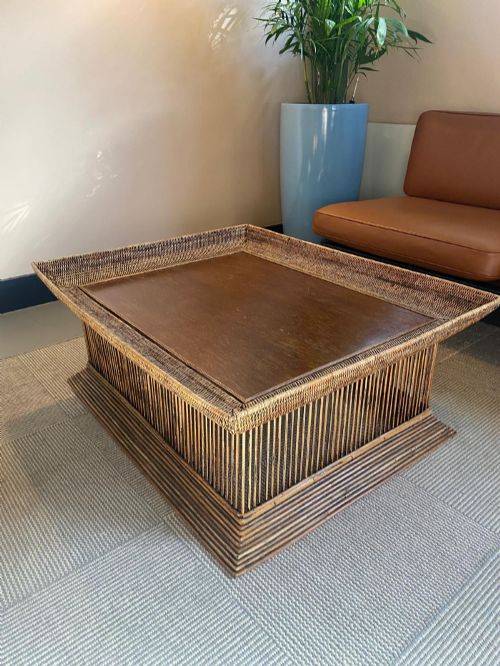
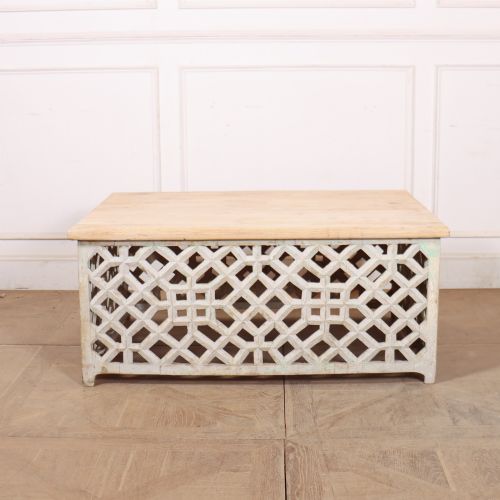
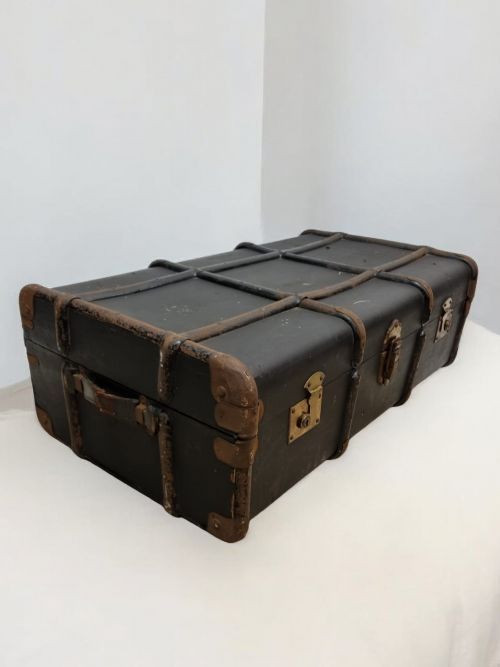
An antique trunk table encompasses versatile pieces derived from historical luggage, storage chests, and occasional stands adapted for domestic use. Buyers searching for an antique trunk table frequently find low boxes, chests, and campaign pieces functioning as coffee tables or side units.
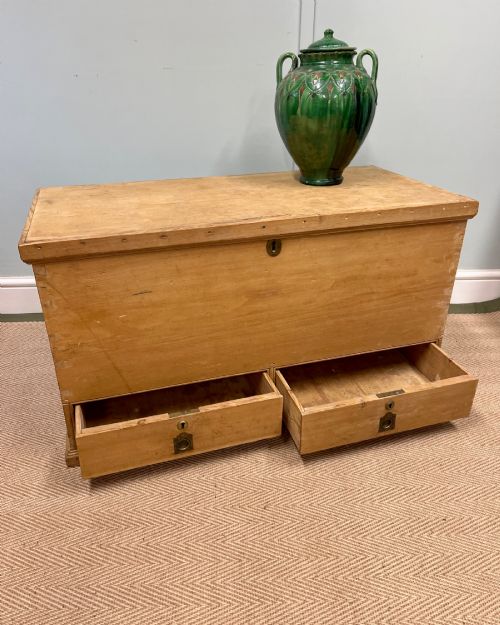
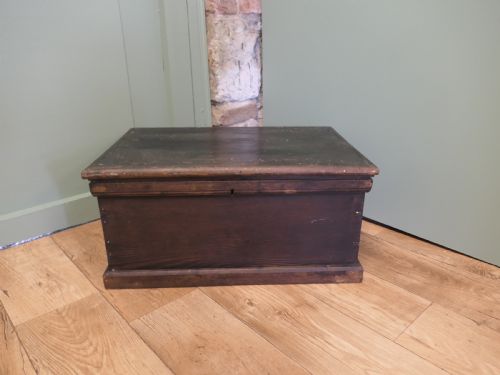
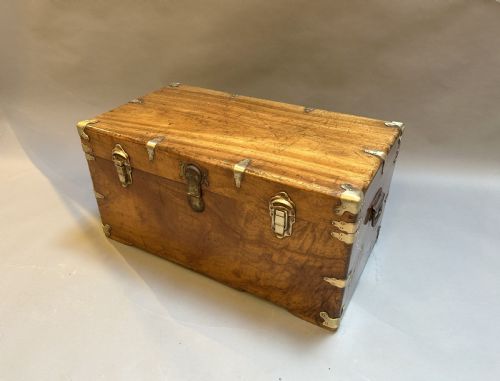
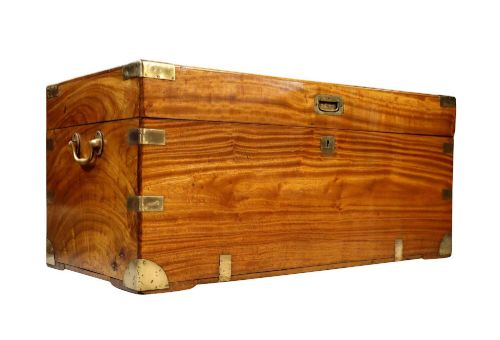
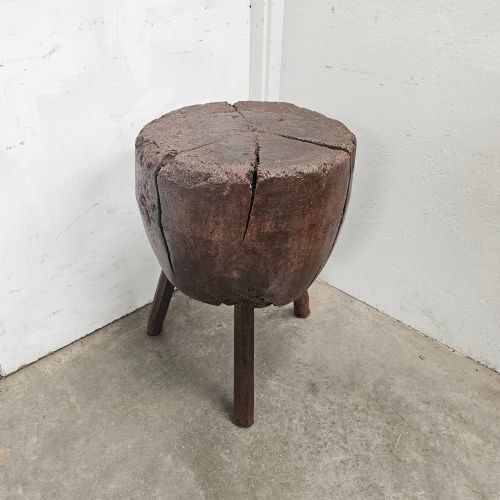
The selections span the eighteenth century through the early twentieth century, drawing from Victorian, Anglo-Indian, and rustic traditions. Common forms include pitch pine blanket boxes, brass-bound camphor chests, leather ottomans, and carved occasional tables.
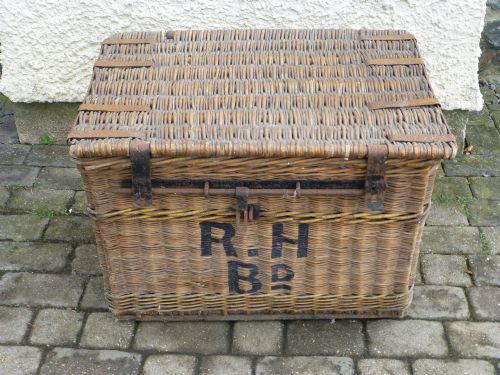
Originating as travel luggage or domestic storage, these items transition naturally into modern living spaces as coffee tables, low media units, and side tables. Their dual nature supplies hidden storage alongside a sturdy top surface.
How They Were Made
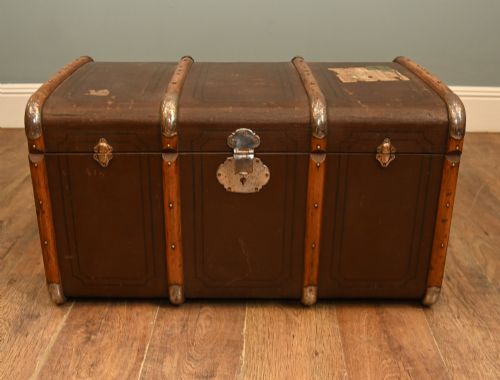
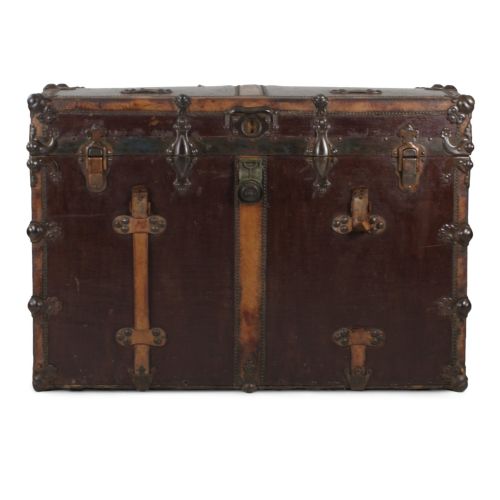
Construction relies heavily on timbers such as pine, oak, walnut, beech, and camphor wood, often reinforced with durable metal hardware. Craftsmen incorporated iron, brass bindings, and leather to protect corners and edges during transit or daily use.
Surface treatments range from waxed finishes on pine boxes to hand-dyed leather, brass studding, and intricate wood carving found on Anglo-Indian pieces. Joinery techniques reflect the period, utilising dovetailed corners for boxes and sturdy framing for luggage stands and tables.
Antique Trunk Table Retail Price Guide 2026
Typical asking prices for trunk table among the pieces listed under this phrase on Sellingantiques today, from the lower quarter to the upper quarter. They describe what is for sale here now, not the wider market.
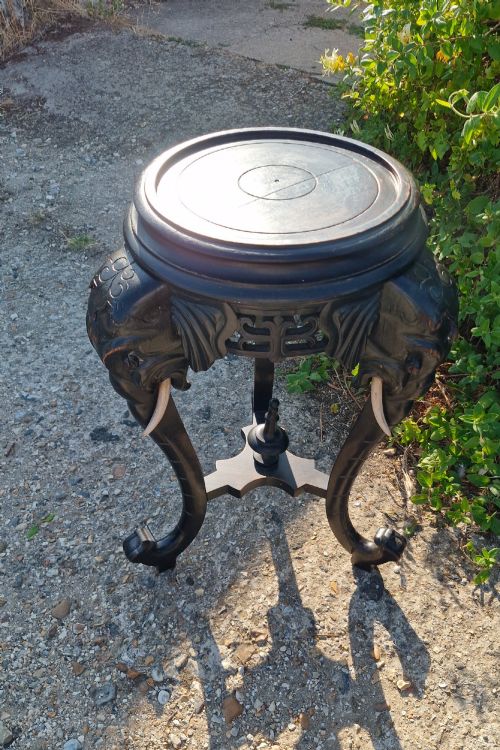
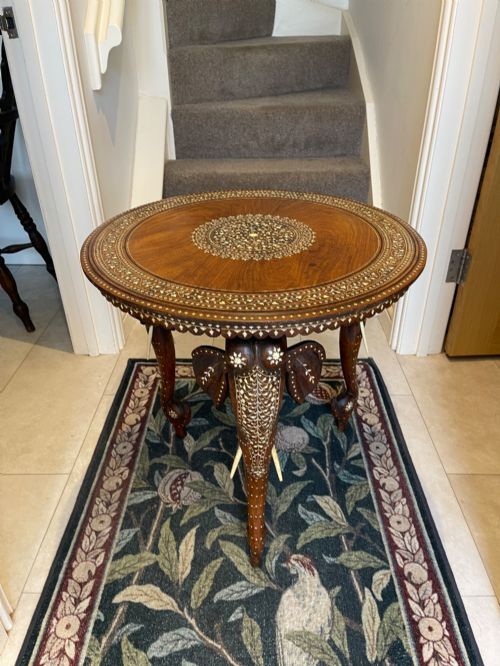
Some Victorian elephant tables come complete with hand-painted wooden tusks, bringing unexpected wildlife charm straight to the parlour floor.
What Varies in Quality
Quality differentiates by the integrity of original hardware, the grade of timber utilised, and the subtlety of decorative details. Pieces retaining original brass mounts, locks, and leather straps command greater interest than those altered or fitted with modern replacements.
The selection of cabinet woods also dictates standard; dense camphor wood, figured walnut, and heavy mahogany represent superior material choices compared to standard utility pine. Finer examples display meticulous joinery, clean carving, and balanced proportions suited to domestic display.
The Antique Trunk Table Glossary
- Campaign trunk
- A portable chest built in sections with recessed brass handles and corner brackets, designed for military officers on the move. These pieces prioritise rugged durability alongside compact functionality.
- Luggage stand
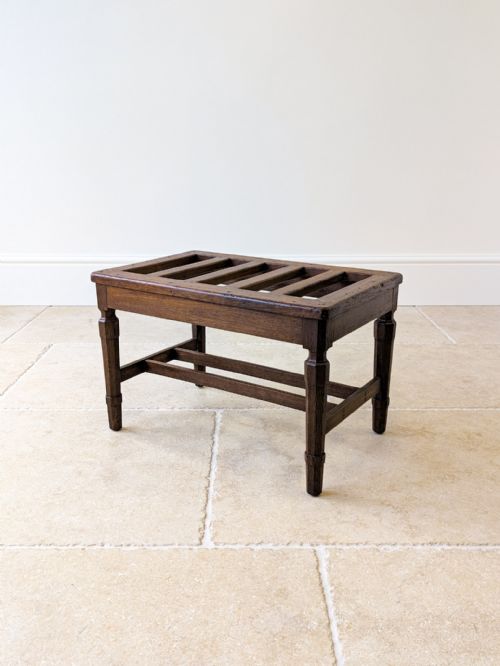
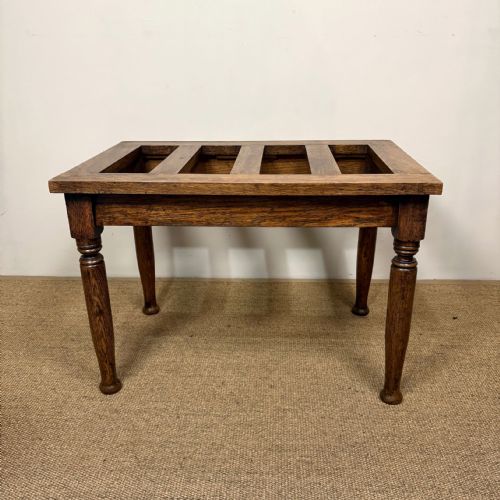
- A low folding or fixed wooden frame designed to elevate travel cases for easy packing. In modern settings, these serve as compact side tables.
- Elephant table
- An occasional table featuring carved wooden supports in the form of elephants, commonly associated with nineteenth-century Anglo-Indian craftsmanship. They often showcase intricate regional woodwork from the Bombay Presidency.
Antique Trunk Table: Frequently Asked Questions
How do I use a trunk table?
Trunk tables serve well as central coffee tables in living rooms, providing a stable surface for books and cups. At the same time, their interior cavity conceals household items out of sight.
Smaller luggage stands and carved occasional tables function neatly beside seating or beds as bedside surfaces or lamp stands.
What woods are common in these tables?
Pine appears frequently in domestic boxes and blanket chests, offering a warm waxed finish suitable for country interiors. Hardwoods such as oak, mahogany, walnut, and camphor wood provide denser structure and richer grain patterns.
Some pieces incorporate exotic woods combined with brass hardware or leather upholstery to withstand travel.
How do I date an antique trunk?
Dating relies on examining construction methods, hardware styles, and timber types. Dovetailed joints, hand-forged iron handles, and campaign brass brackets often point towards nineteenth-century or earlier manufacturing.
Maker labels, canvas coverings, and specific lock mechanisms help narrow the decade of production closer to periods like the Victorian era or the nineteen-twenties.
Are these tables sturdy enough daily?
These items were built to endure rigorous travel conditions or heavy domestic storage, making them remarkably robust. Solid timber construction and reinforced metal corners ensure they easily handle everyday household use.
Periodic waxing helps maintain the wood surface while preserving the historical patina.