

Antique Trunk Drawers
Antique trunk drawers bring together the robust utility of storage chests and the fitted convenience of lower drawer compartments.
Antique Trunk Drawers
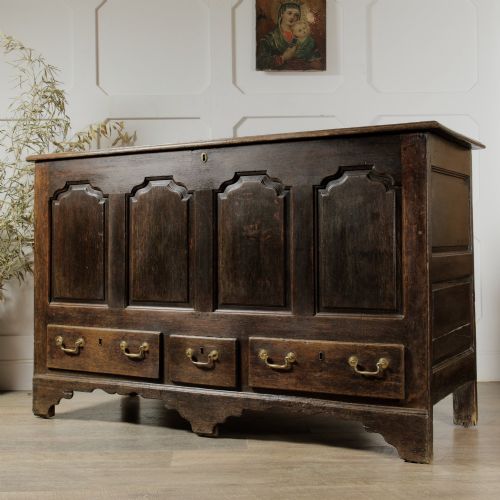
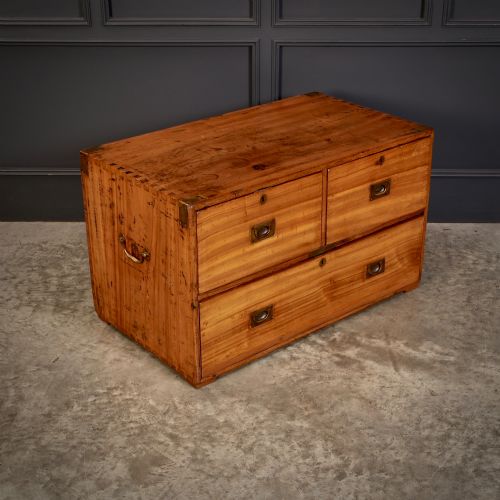
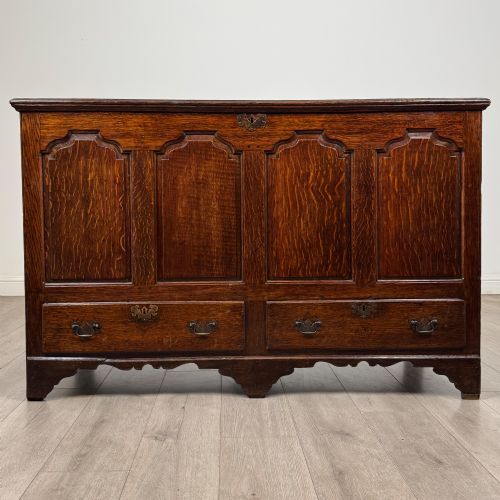
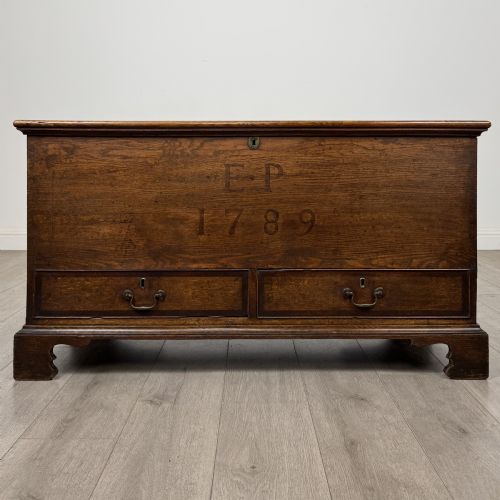
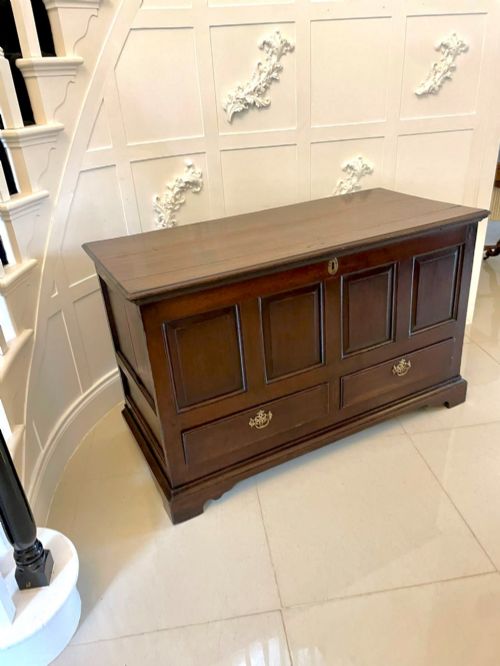
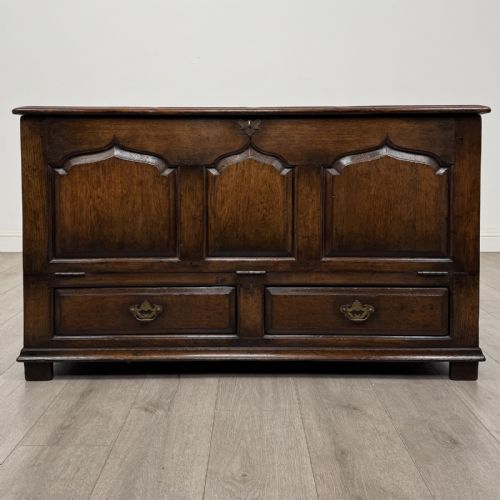
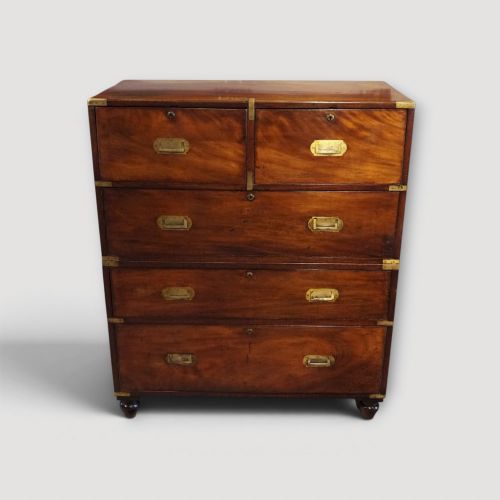
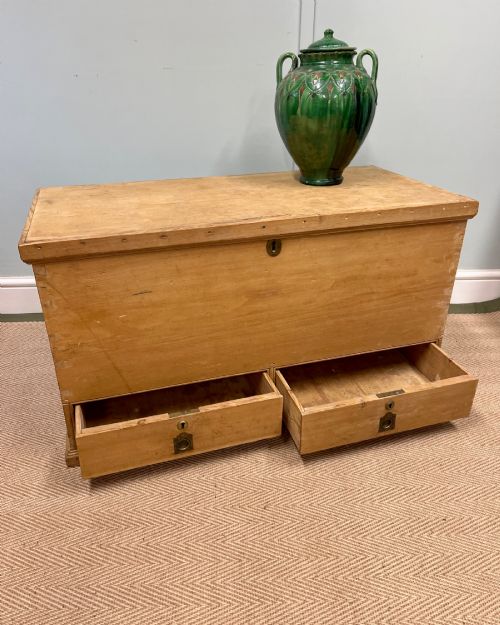
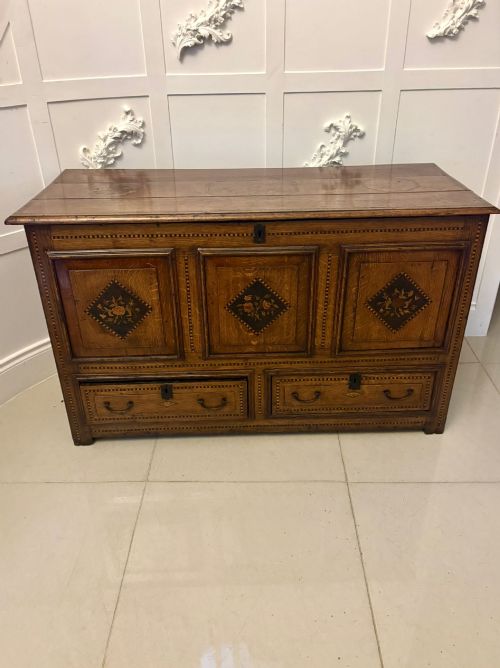
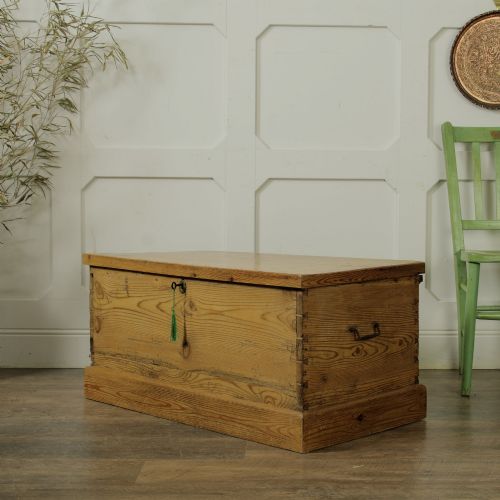
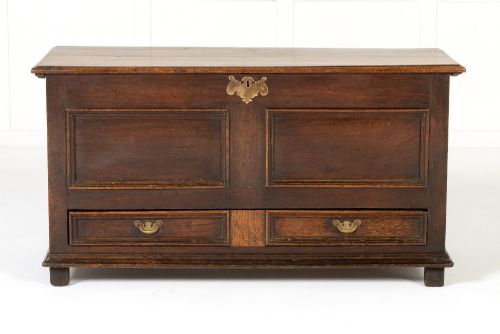
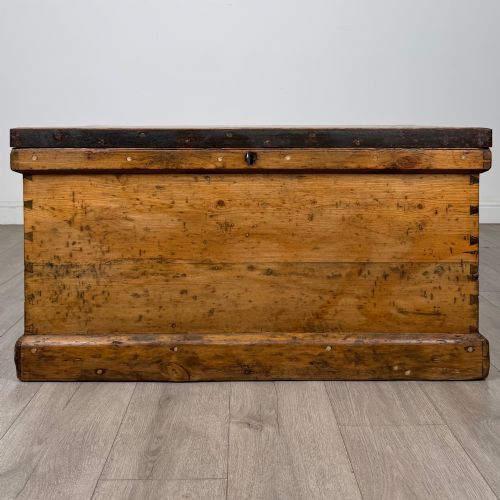
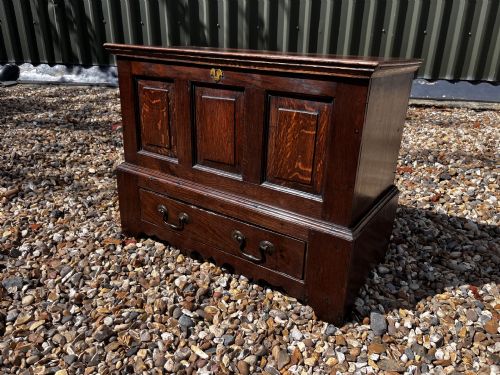
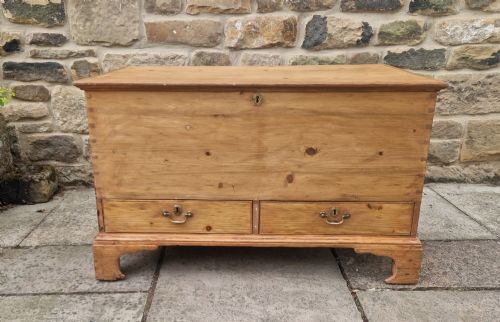
When you search for antique trunk drawers, you encounter pieces that bridge the gap between lidded storage chests and partitioned cabinet work. The listings show a heavy concentration of oak and pine mule chests alongside mahogany and camphor wood military campaign pieces.
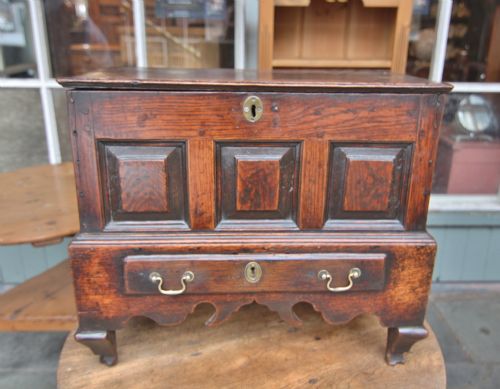
Most examples date from the seventeenth, eighteenth, and nineteenth centuries, taking the form of coffers or blanket boxes fitted with one or more internal or external drawers at the base. Regional variations such as Welsh coffer bach and Victorian campaign chests dominate the selection.
These items served domestic storage needs in country cottages and military service alike, evolving from simple timber boxes into sophisticated hybrid furniture pieces.
Materials and Construction
Makers relied heavily on native British timbers like oak and pine for country furniture, whilst utilising dense imported woods such as mahogany and solid camphor wood for specialised military and campaign storage. Metal components played a crucial structural role, with brass fittings, iron hardware, and drop handles reinforcing corners and securing sectional transport.
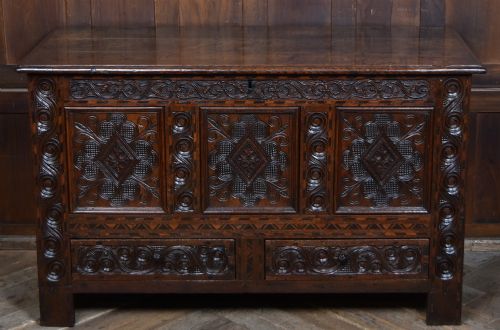
Joinery methods combined traditional pegged panel construction for the main coffer bodies with dovetailed joints on the accompanying drawers. Surface treatments varied from plain waxed finishes and painted pine to intricate marquetry inlay and carved decoration like the Green Man motif.
Antique Trunk Drawers Retail Price Guide 2026
Typical asking prices for trunk drawers among the pieces listed under this phrase on Sellingantiques today, from the lower quarter to the upper quarter. They describe what is for sale here now, not the wider market.
The listings demonstrate a strong presence of eighteenth-century oak mule chests alongside nineteenth-century pine trunks and mahogany campaign furniture.
Design and Finish
The distinction between standard utility items and exceptional pieces rests upon the choice of timber and the ambition of the decoration. Pieces featuring marquetry inlay, burr elm panels, or fine carvings sit firmly above plain utilitarian storage boxes.
The Antique Trunk Drawers Glossary
- Mule chest
- A storage chest or coffer featuring one or more drawers built into the base beneath the main lidded compartment. This hybrid form gained popularity during the seventeenth and eighteenth centuries.
- Campaign chest
- A piece of sectional furniture designed for easy dismantling and transport by military officers. These are typically built in two or more stacking parts with inset brass carrying handles.
- Coffer bach
- A small tabletop or miniature Welsh coffer, often fitted with a drawer beneath. The term translates simply from Welsh as little coffer.
- Marquetry
- Decorative inlay work using various coloured woods to create pictorial or geometric patterns on the surface. It appears on finer seventeenth- and eighteenth-century oak pieces.
- Pitch pine
- A resinous pine variety utilised in Victorian trunk and chest construction. It offers durability and a distinct grain pattern.
Antique Trunk Drawers: Frequently Asked Questions
What is a mule chest?
A mule chest is a traditional storage box that combines a top-opening lid with one or more drawers fitted beneath the main compartment. This design bridges the gap between a simple blanket chest and a chest of drawers.
Cabinet makers developed this hybrid form to allow easier access to smaller garments without needing to unload items piled on top of each other.
How do campaign chests differ?
Campaign chests were built in modular sections with recessed brass hardware to withstand frequent transport by military officers on active service. They feature flush handles and corner brackets to prevent snagging during travel.
Unlike standard domestic chests, these pieces split into two separate stacking carcases for manageable packing.
Where were coffer bach made?
Coffer bach examples originated in Wales during the eighteenth century as domestic miniature chests. Families often used them as dowry pieces or special presentation boxes for valuables.
Despite their small scale, they display the same pegged joinery and drawer construction found in full-sized country furniture.
How should I care for waxed pine?
Waxed pine surfaces require gentle cleaning with a soft, dry cloth to remove dust without disturbing the protective finish. Periodic application of traditional beeswax helps nourish the timber and maintain a soft sheen.
Keep these pieces away from direct heat sources and dramatic humidity changes to prevent the pine from splitting.