

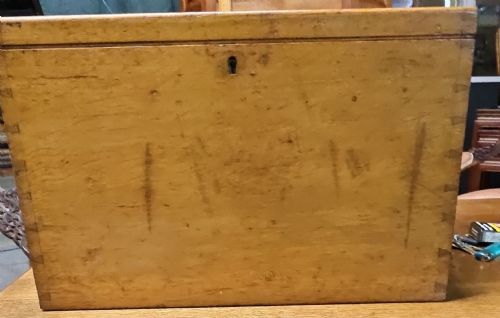
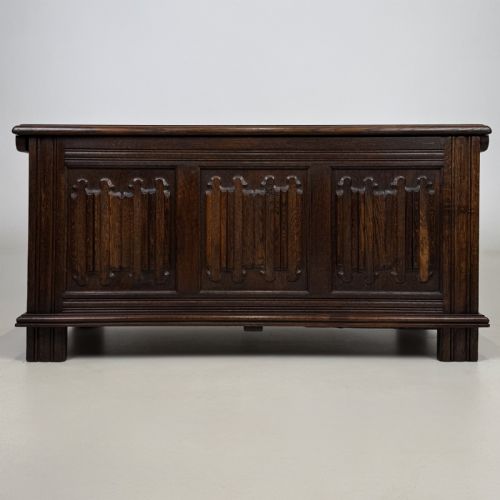
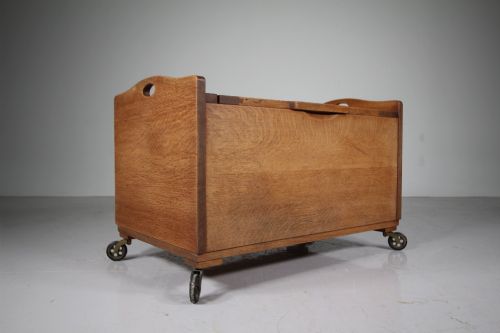
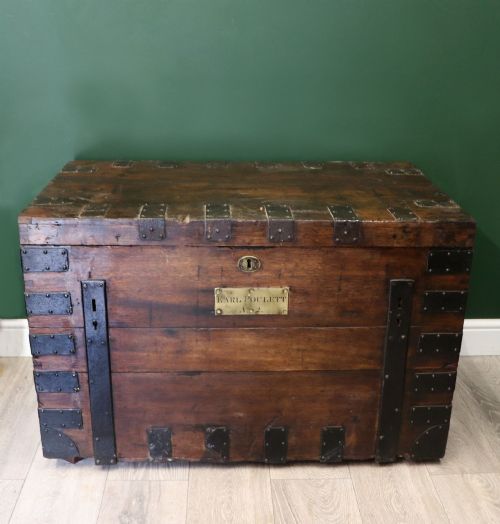
Antique Trunk Box
An antique trunk box brings solid timber storage and centuries of craftsmanship into a room.
Antique Trunk Box
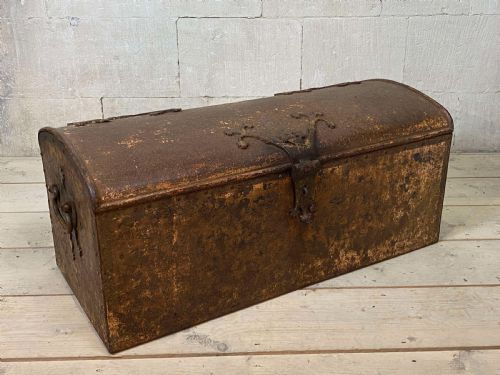
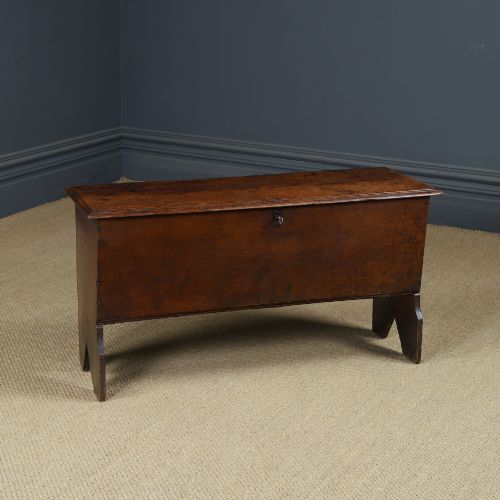
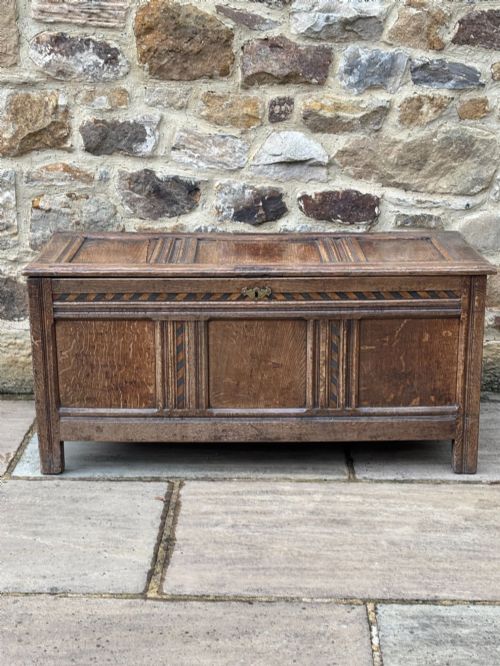
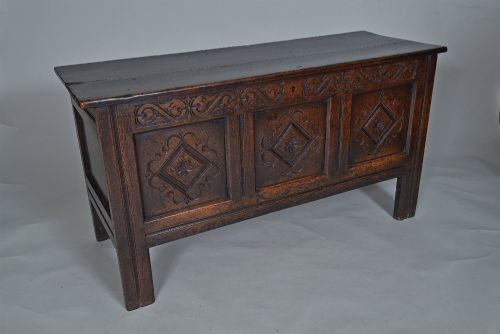
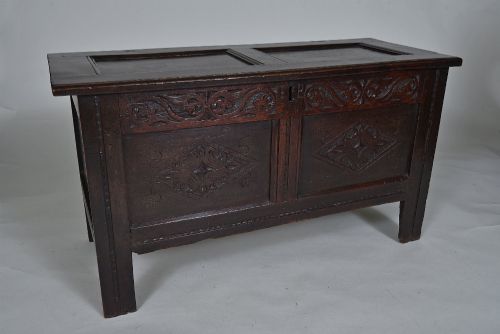
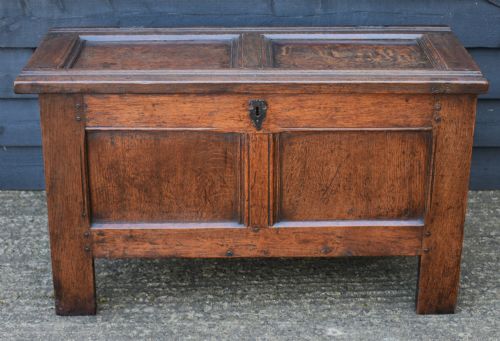
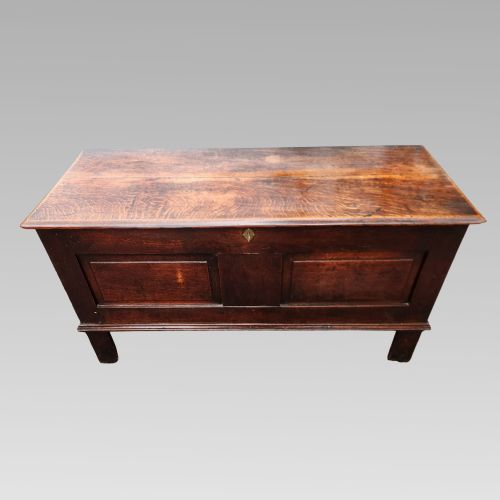
When someone searches for an antique trunk box, they encounter sturdy vessels designed for domestic storage and travel across centuries. The pieces on this page span from the seventeenth century through to the Edwardian era, incorporating styles from Jacobean oak coffers to Victorian pine blanket boxes.
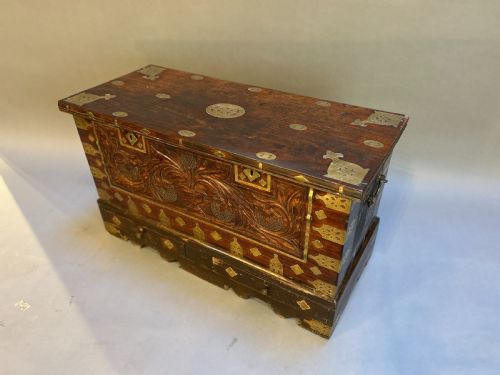
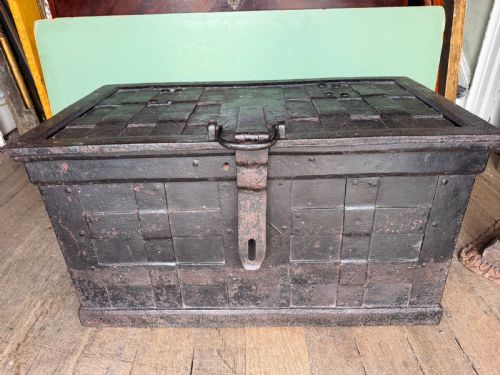
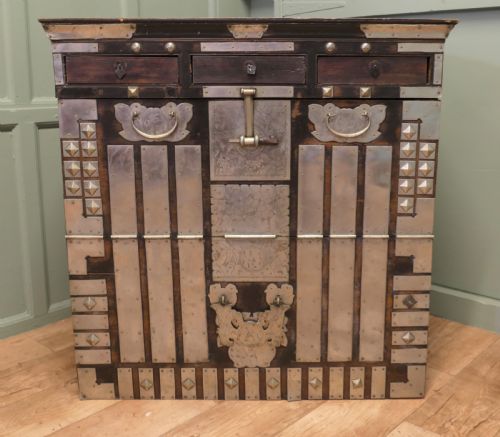
The most common examples met here are substantial oak coffers and utilitarian pine storage trunks from the nineteenth century. Buyers also find specialist forms such as mule chests fitted with lower drawers, camphor wood campaign chests, and leather-covered travelling boxes.
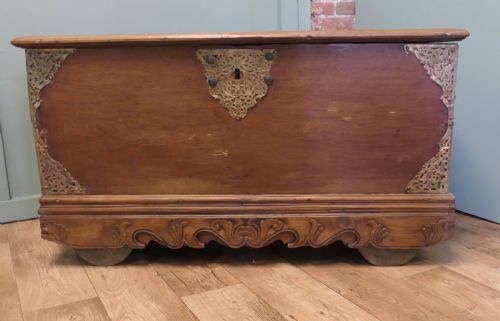
Origins range across English country workshops, Welsh traditions, and continental examples including Dutch and Italian trunks. Each piece reflects the functional storage needs of its period, utilising durable regional timbers to survive centuries of domestic use.
Evaluating Quality and Construction
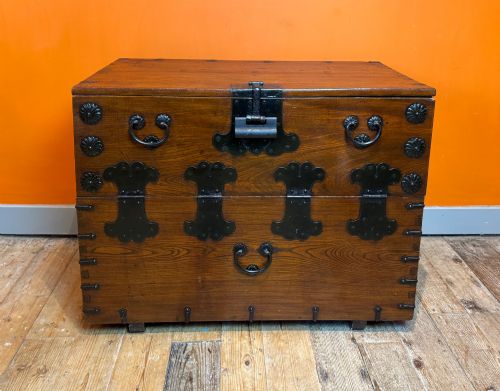
Quality rests upon the integrity of the timber selection and the skill evident in the joinery. Superior pieces display thoughtful proportion, tight panel fits, and original hardware such as strap hinges and decorative brasswork rather than later replacements.
Subtleties of carving depth and structural honesty separate everyday utility boxes from exceptional regional examples. The survival of original surfaces, whether polished oak, painted polychrome finishes, or aged leather, dictates the character of the piece.
Antique Trunk Box Retail Price Guide 2026
Typical asking prices for trunk box among the pieces listed under this phrase on Sellingantiques today, from the lower quarter to the upper quarter. They describe what is for sale here now, not the wider market.
Materials represented across the inventory include native oak, elm, pine, and exotic camphor wood.
The Antique Trunk Box Glossary
- Coffer
- A heavy timber storage chest, typically constructed from oak with a hinged lid. These form the foundation of early domestic furniture.
- Mule Chest
- An oak storage chest featuring one or more drawers beneath the main lift-top compartment. This form bridges the gap between the simple box and the chest of drawers.
- Campaign Chest
- A modular trunk designed for military transport, frequently bound in brass with recessed handles. These pieces dismantle or stack securely for travel.
- Plank Coffer
- An early chest constructed from thick boards joined at the edges rather than set within a panel frame. They represent some of the oldest surviving domestic woodwork.
- Camphor Wood
- An aromatic timber utilised for nineteenth-century maritime trunks. Its natural scent helped protect stored textiles from insect damage during long voyages.
Antique Trunk Box: Frequently Asked Questions
What is the difference between a coffer and a trunk box?
A coffer generally denotes a heavy timber chest from the seventeenth century or earlier, constructed with joined panels and utilised for valuables or linen.
Trunk box typically describes later utilitarian storage containers, including metal-bound pine blanket boxes and travel luggage from the Victorian era onward.
How do I date an oak storage chest?
Dating relies on construction methods, timber grain, and tool marks visible on the interior surfaces. Joined panel work and hand-pegged tenons point to seventeenth or eighteenth-century origin.
Later nineteenth-century examples display machine-sawn boards, simpler corner joints, and standardised iron hardware.
Were these chests used for travel?
Heavy oak coffers remained stationary in domestic interiors or churches for storing household textiles and documents.
Specially reinforced items like camphor wood campaign chests, leather-covered travelling cases, and steamer trunks were built specifically for journeys by ship or carriage.
How do I care for antique timber boxes?
Keep wooden trunks away from direct heat sources and rapid temperature shifts to prevent timber splitting.
A light application of traditional beeswax helps nourish dry antique oak and pine without building up synthetic residue.