


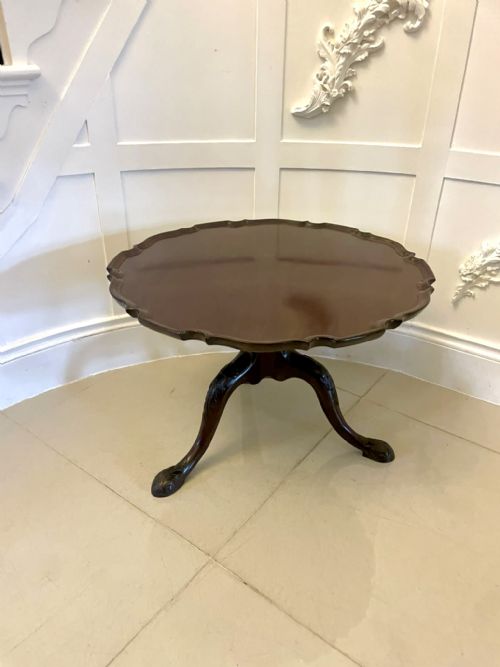

Antique Tripod Coffee Table
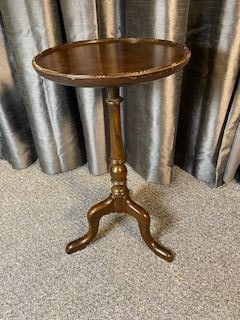
These antique tripod coffee table examples combine a central pillar with three supporting legs beneath timber tops, offering practical low surfaces for modern rooms.
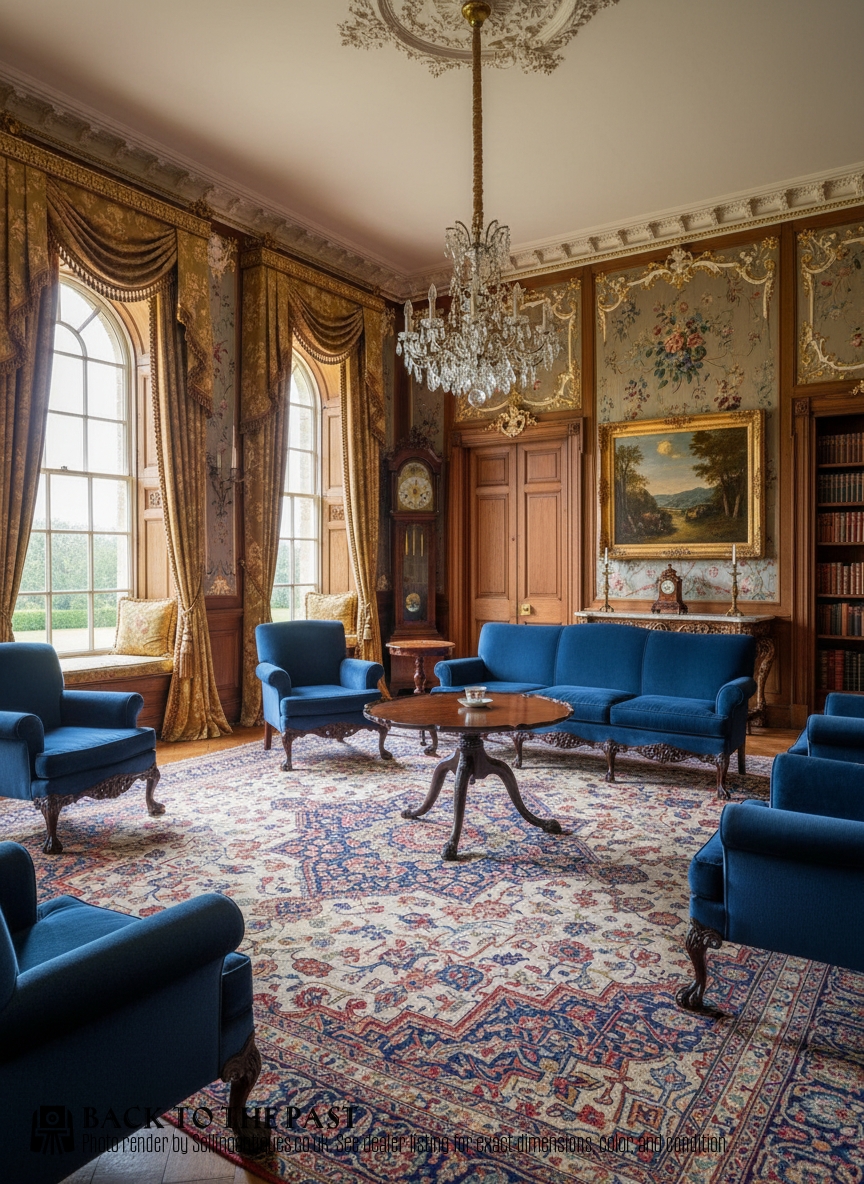
Antique Tripod Coffee Table
When you search for an antique tripod coffee table, you encounter a varied selection of adapted wine tables, occasional tables, and occasional pieces gathered from Georgian, Victorian, and later periods.
Most examples originate from conversions where taller nineteenth-century wine tables or wine stands have had their pillars shortened to suit contemporary coffee table heights.
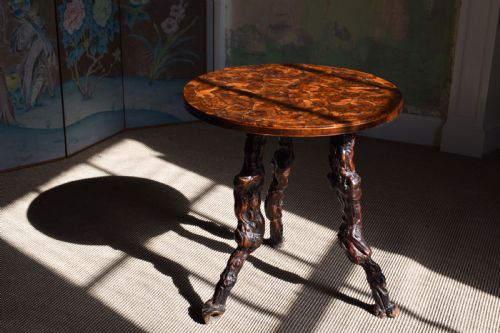
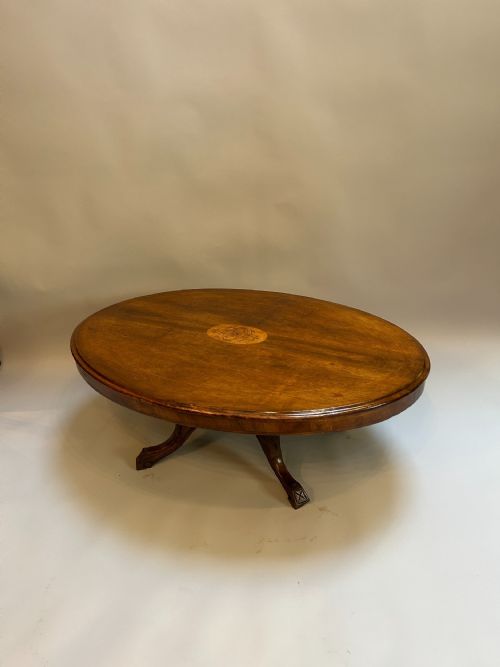
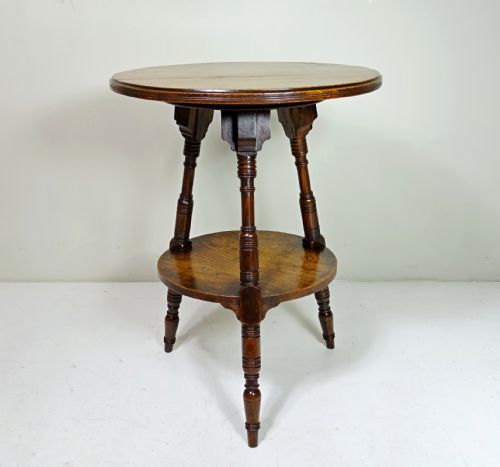
You also find nineteenth-century walnut, mahogany, and marquetry tables alongside regional variants like elm cricket tables and sculptural grapevine wood designs.
How they were made
The construction relies heavily on solid timber and veneers, with mahogany and walnut forming the primary surfaces for polished tops and inlaid marquetry panels.
Supports incorporate turned wooden pedestals mounted onto three spreading legs, though some later examples employ cast iron or carved organic forms such as grapevine wood.
Surface ornamentation ranges from intricate brass detailing and hand-carved motifs to elaborate inlaid geometric and floral marquetry patterns.
Listings span periods from Georgian and Victorian eras through to the early twentieth century, utilising mahogany, walnut, teak, and cast iron.
What varies in quality
Quality rests primarily on the choice of timber and the crispness of the carving or inlay work visible across the top and pedestal.
Proportion and stability separate finer workshop pieces from simpler utility items, particularly where three legs meet the central column under weight.
The integrity of the conversion matters significantly, as tables altered from taller wine or occasional forms succeed when the proportions and height reduction look entirely natural.
The Antique Tripod Coffee Table Glossary
- Tripod base
- A support structure consisting of three legs radiating from a central pillar. This design provides stability on uneven floors.
- Wine table
- A small occasional table originally designed for holding glasses or bottles during the eighteenth and nineteenth centuries. Many are now adapted for low table use.
- Dish top
- A tabletop featuring a raised or concave edge carved directly from the solid wood. This prevents items from sliding off the surface.
Antique Tripod Coffee Table: Frequently Asked Questions
Are these tables converted from older pieces?
Many tables found under this description began life as taller wine tables or occasional tables during the Georgian or Victorian eras. Workshops or later owners reduced the central pillars to suit contemporary seating heights.
This adaptation creates practical low furniture while retaining the timber patination and craftsmanship of the original period piece.
How stable is a tripod base?
Three legs naturally rest firmly on uneven antique floorboards without rocking, unlike four-legged tables that can wobble if the floor is uneven. The outward spread of the legs provides the necessary balance.
Care should be taken not to lean heavy weight on the very outer edges of smaller tabletops to maintain overall equilibrium.
How do I care for a polished wood top?
Protect the timber surface from moisture and direct heat by using coasters and placemats. Periodic application of appropriate beeswax helps nourish the grain and maintain the finish.
Avoid placing these tables near active heat sources or in direct sunlight to prevent the timber from splitting or warping over time.
What styles are available?
The selection includes formal Georgian mahogany designs, decorative Victorian marquetry pieces, and regional items such as elm cricket tables. You also encounter Anglo-Indian carvings and rustic natural forms.
Each style reflects the prevailing aesthetic of its period, from classical Georgian restraint to elaborate Victorian ornamentation.