




Antique Tribal Tassel Pouch
These antique tribal tassel pouch pieces are woven textile containers made by nomadic groups, offering tactile history and vibrant regional artistry.
Antique Tribal Tassel Pouch
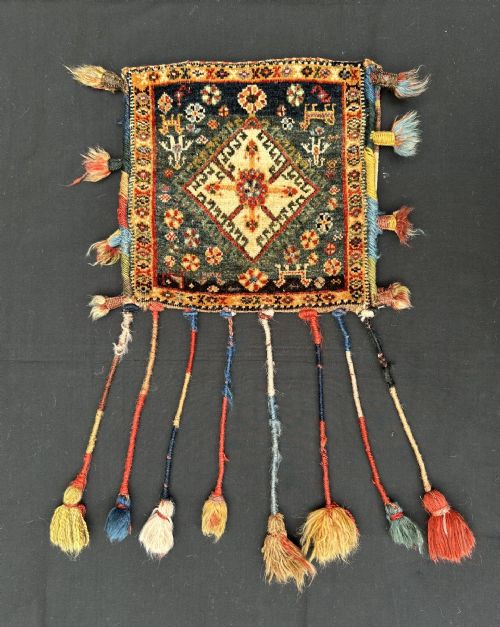
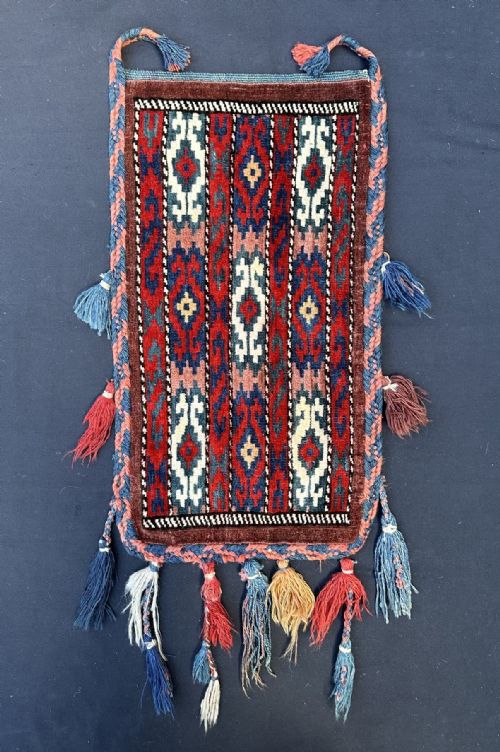
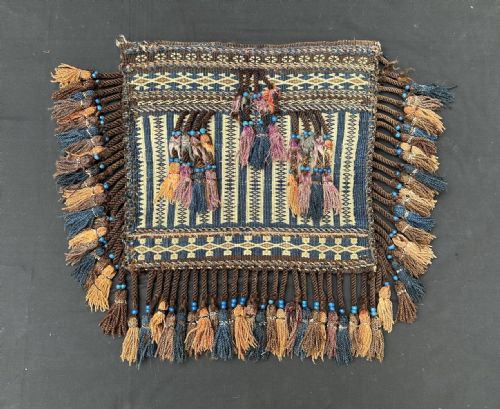
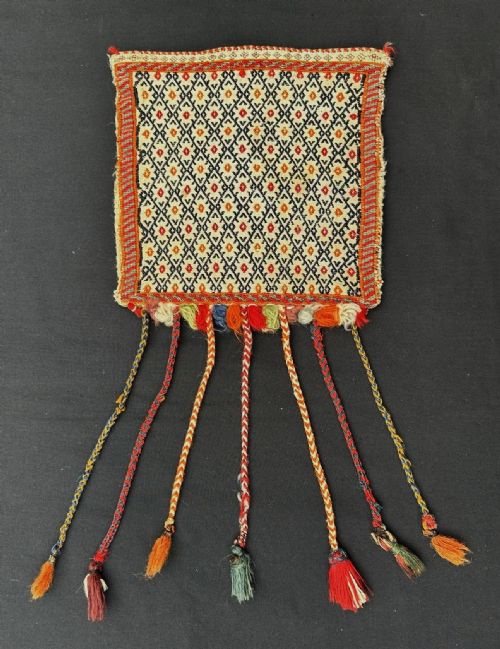
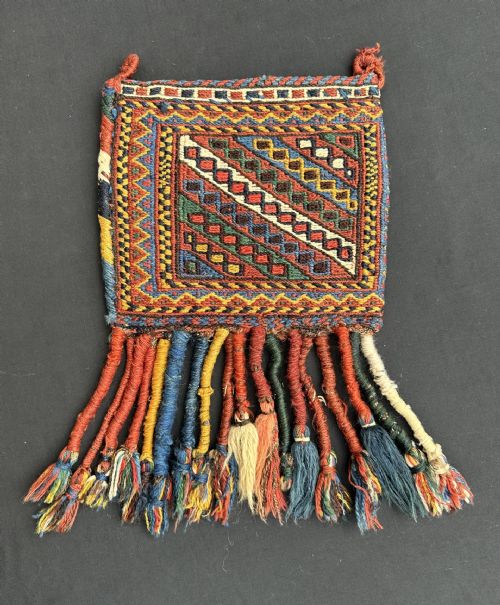
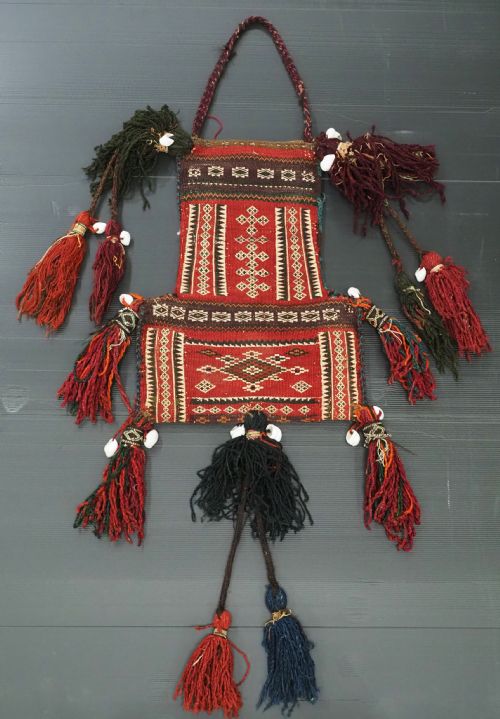
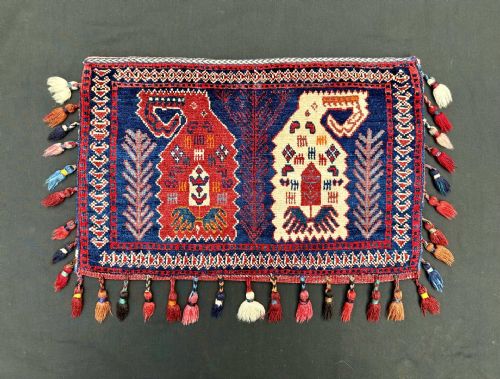
When you search for an antique tribal tassel pouch, you encounter portable textile containers and small storage bags created by various nomadic and tribal groups. The selection on this page centres on items such as vanity bags, spindle bags, salt bags, and purses originating from Persia, Afghanistan, and Central Asia.
The objects stem from specific confederacies and tribes, including the Qashqa'i Confederacy, Baluch tribes, Yomut Turkmen, Afshar nomads, and Lakai Uzbeks. These pieces date from the late nineteenth century into the early decades of the twentieth century, reflecting utilitarian nomadic life.
Forms vary from double-sided vanity bags to specific utilitarian shapes like the torba ilgich or namakdan salt bag. Buyers most frequently meet storage pouches and vanity bags fashioned for personal or domestic use within nomadic camps.
What Varies in Quality
Quality in these woven items rests on the fineness of the spin and the density of the knotting or weaving structure. Tighter construction yields a more resilient fabric that maintains its form over decades of handling.
The complexity of the regional design and the preservation of the natural dye palette determine the visual strength of the piece. Intricate integration of materials like cowrie shells and glass beads elevates the sophistication of the textile.
Antique Tribal Tassel Pouch Retail Price Guide 2026
Typical asking prices for tribal tassel pouch among the pieces listed under this phrase on Sellingantiques today, from the lower quarter to the upper quarter. They describe what is for sale here now, not the wider market.
Nomadic weavers tucked cowrie shells into their pouches, ensuring every salt bag rattled with good fortune.
The Antique Tribal Tassel Pouch Glossary
- Torba ilgich
- A hanging bag or trapping produced by Central Asian tribal groups. These items served specific domestic storage functions inside traditional nomadic dwellings.
- Namakdan
- A traditional salt bag woven by nomadic weavers such as the Baluch. Their narrow necks and bulbous bodies were specifically designed to store and dispense rock salt.
- Natural Dyes
- Organic colourants derived from plants, insects, and minerals used to dye wool and cotton yarns before weaving. They age with a harmonious patina.
- Cowrie Shells
- Marine shells frequently sewn onto tribal textiles as protective amulets or decorative borders. Their presence adds tactile dimension to the pouch surface.
Antique Tribal Tassel Pouch: Frequently Asked Questions
What were tribal pouches used for?
Nomadic groups utilised these pouches to store personal items, salt, or spinning tools during travel across Persia and Central Asia. They hung inside tents or served as personal carriers.
Their sturdy wool and cotton construction protected contents from dust and daily wear during seasonal migrations.
How do I identify Baluch tribal bags?
Baluch pieces often feature dark wool foundations combined with geometric patterns and sometimes double-sided construction. Their origins trace to nomadic groups in Afghanistan and South-West Persia.
Look for distinctive knotting structures and characteristic regional colour palettes associated with Baluch weavers.
Are these pouches made with natural dyes?
Many examples from the late nineteenth and early twentieth centuries incorporate natural dyes extracted from local plants and minerals. These dyes yield rich, complex tones that soften gracefully over time.
Examining the individual wool yarns under good light reveals the subtle tonal variations typical of natural dyeing methods.
Where did Yomut spindle bags originate?
Yomut spindle bags come from the Trans-Caspian steppes in Turkmenistan and Central Asia. Yomut Turkmen tribes wove them to hold tools used in traditional fibre production.
These utilitarian pieces reflect the distinct regional motifs and weaving techniques practiced by Yomut artisans.