

Antique Tribal Art
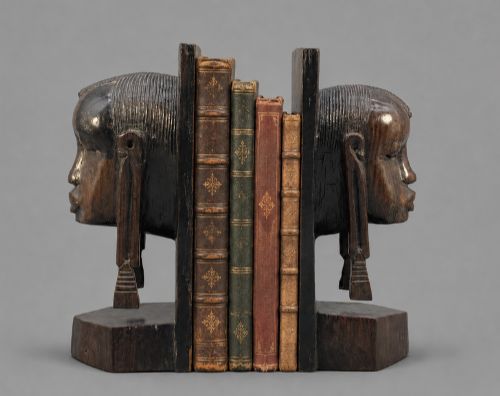
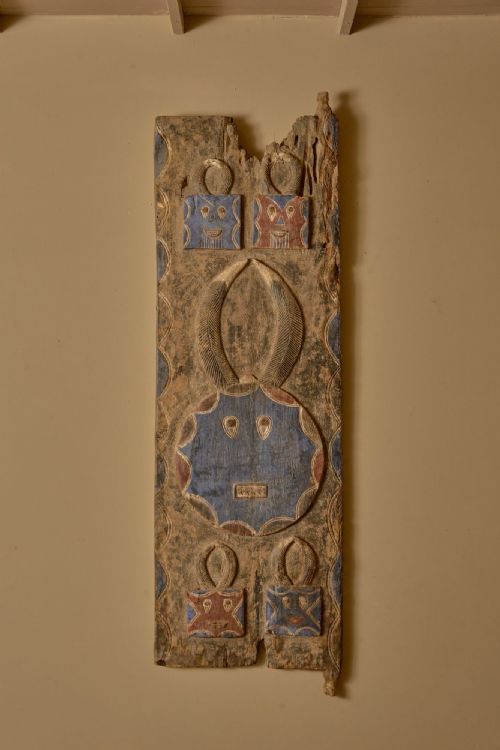
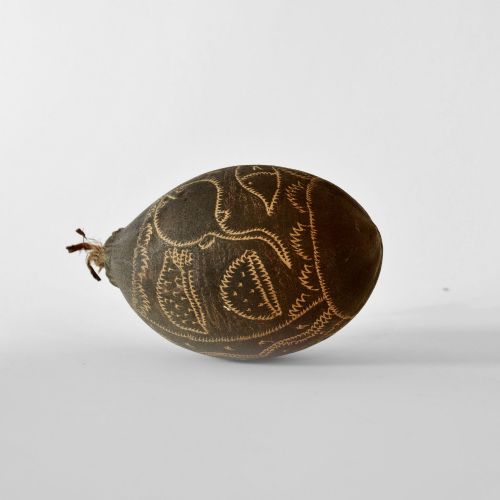
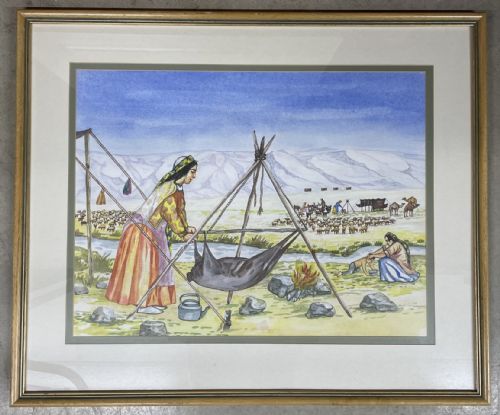
When you explore antique tribal art, you encounter hand-crafted textiles, wooden carvings, and functional objects carrying the distinct traditions of nomadic and indigenous makers.
Antique Tribal Art
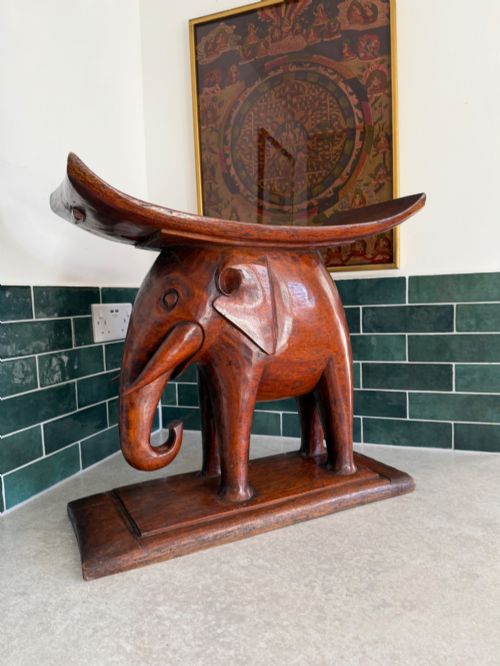
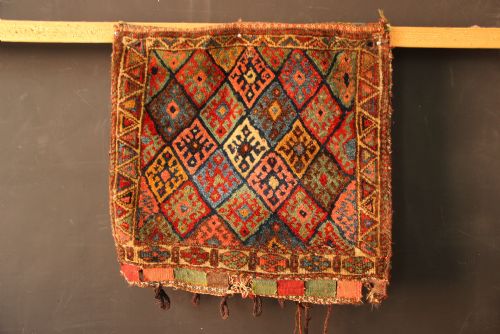
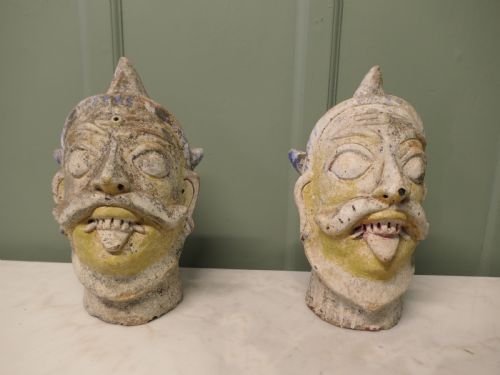
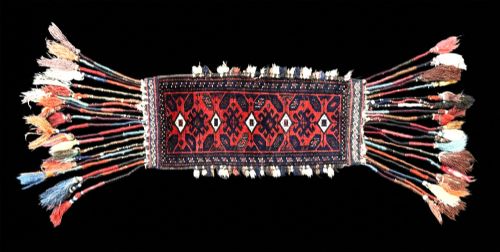
When browsing antique tribal art, buyers will find a diverse selection of woven textiles, household objects, and carved figures originating from nomadic and indigenous groups across Central Asia, Persia, Africa, and beyond. These pieces span from the mid-nineteenth century into the early twentieth century, reflecting the specific cultural practices and domestic lives of their makers.
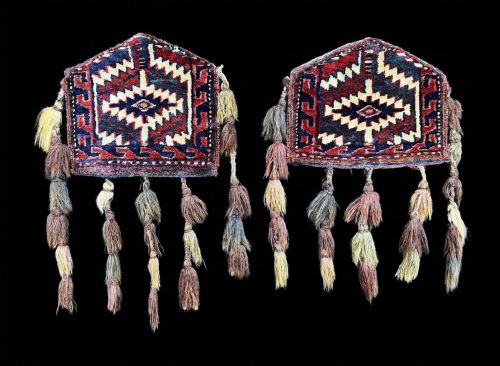
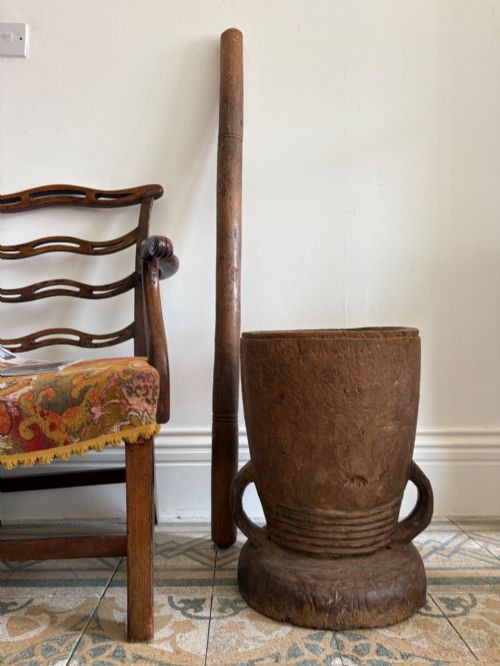
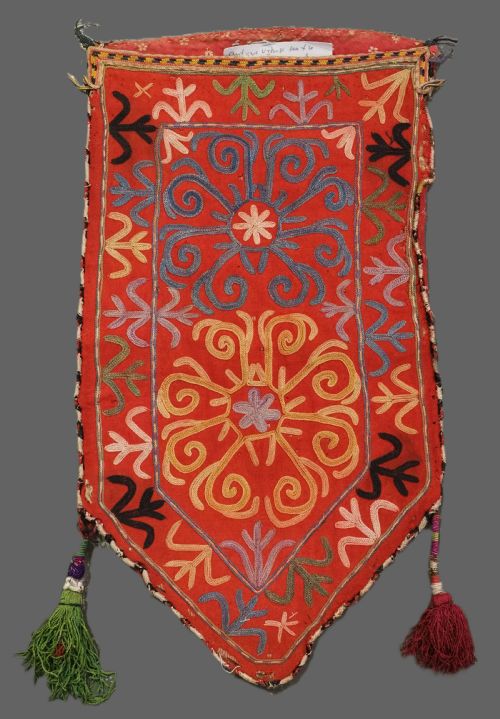
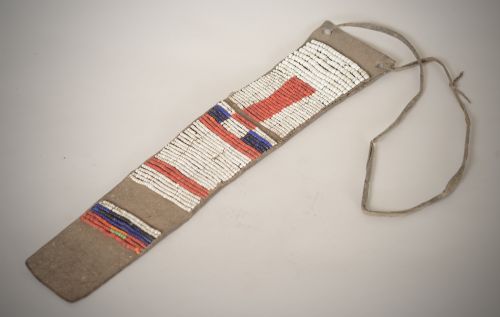
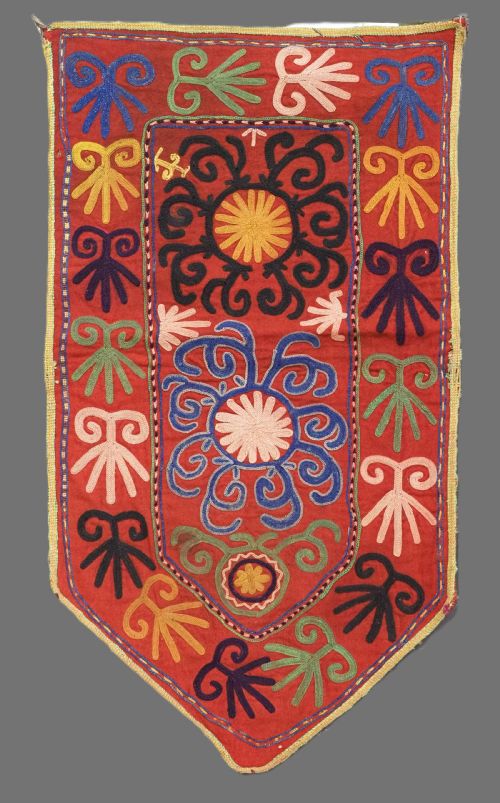
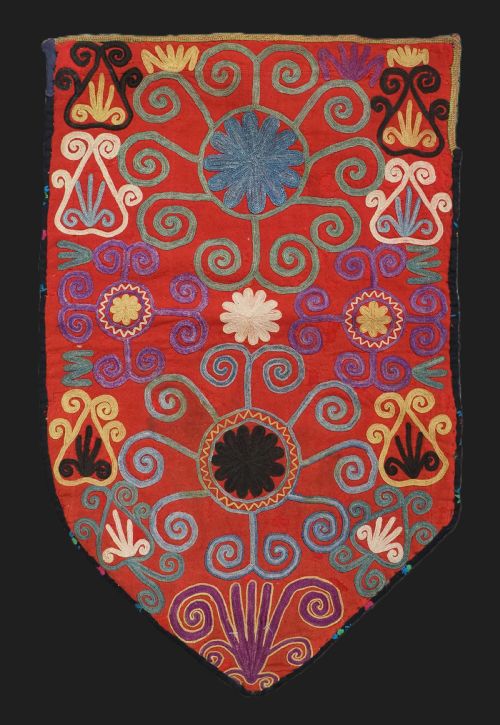
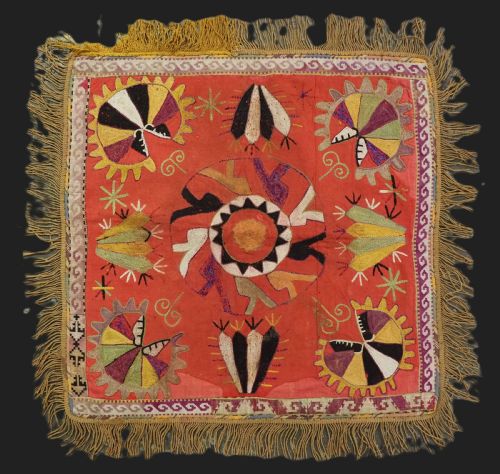
The most common forms on this page include Central Asian embroideries, Persian saddle-bags, Turkmen wall hangings, and African carved implements or figures. Woven wool and silk items such as asmalyks, bagfaces, and dowry embroideries appear frequently alongside wooden grain mortars, throwing clubs, and ceremonial axes.
Objects range in scale from small personal accessories like salt-bags and beadwork to larger architectural elements and textiles intended for domestic display or ceremonial use. Each category preserves the traditional designs and material culture of specific tribes, including the Yomut, Lakai, and Qashqa'i peoples.
How they were made
Makers utilised natural materials sourced directly from their surroundings, relying on hand-spun wool, cotton, silk, and hardwoods. Dyes derived from natural sources imparted rich, lasting colour to textiles before synthetic alternatives became widespread.
Textiles were produced using various weaving and embroidery techniques, including pile carpets, flat-weave kilims, and intricate silk needlework on wool or cotton foundations. Wooden objects such as grain mortars, tent pole tops, and figures were shaped from solid tree trunks and hardwoods using manual carving tools.
Antique Tribal Art Retail Price Guide 2026
Typical asking prices for tribal art among the pieces listed under this phrase on Sellingantiques today, from the lower quarter to the upper quarter. They describe what is for sale here now, not the wider market.
Listings feature items from the nineteenth and early twentieth centuries, spanning periods from the 1850s to the 1930s.
What varies in quality
The quality of antique tribal art depends heavily on the fineness of the hand-spinning, the precision of the weave or embroidery, and the complexity of the design layout. Superior examples display dense knotting or tight stitching that preserves structural integrity alongside well-balanced proportions and clear, expressive motifs.
Material selection also dictates the upper tier of the range, particularly where makers incorporated high-grade silk highlights or durable, well-seasoned hardwoods. Pieces that retain their original structural components, vibrant natural dyes, and complete borders demonstrate greater adherence to traditional standards of craftsmanship.
The Antique Tribal Art Glossary
- Asmalyk
- A pentagonal or triangular horse trapping traditionally used in Turkmen wedding processions to decorate the flanks of the bride's camel or horse. These textiles often feature elaborate geometric guls and vibrant secondary ornamentation.
- Suzani
- A large, embroidered wall hanging or bed cover originating from Central Asia, typically worked in silk on a cotton or linen foundation. They display bold floral and sunburst motifs intended for dowries.
- Kilim
- A flat-woven carpet or rug produced without a pile by tightly interweaving warp and weft strands. This technique creates a lightweight textile with identical patterns visible on both sides.
- Knobkerrie
- A traditional African wooden throwing club featuring a heavy spherical or bulbous knob at the end of a shaft. These implements served utility, hunting, and defensive purposes.
- Gul
- A medallion motif repeated across Central Asian and Turkmen tribal rugs and trappings, often signifying tribal lineage and identity. Each design variation correlates with specific nomadic groups.
Antique Tribal Art: Frequently Asked Questions
What is a tribal dowry embroidery?
Dowry embroideries were created by young women as part of their marriage preparations, intended to furnish the new household or decorate ceremonial transport animals.
These textiles, such as Lakai ilgiches or asmalyks, showcase the maker's needlework skill and traditional clan patterns passed down through generations.
How do I identify tribal textile origins?
Origins are determined by specific structural characteristics, colour palettes, and repeating motifs unique to individual tribes and regions like the Caucasus, Persia, or Turkmenistan.
Examining the weave type, wool quality, and fringe construction helps experts link a piece to groups such as the Yomut or Qashqa'i.
Are these wooden carvings functional?
Many wooden items, including grain mortars, tent pole tops, and headrests, served daily domestic purposes within nomadic or indigenous settlements.
Other carved objects held ceremonial status, reflecting community status, leadership roles, or ritual practices.