
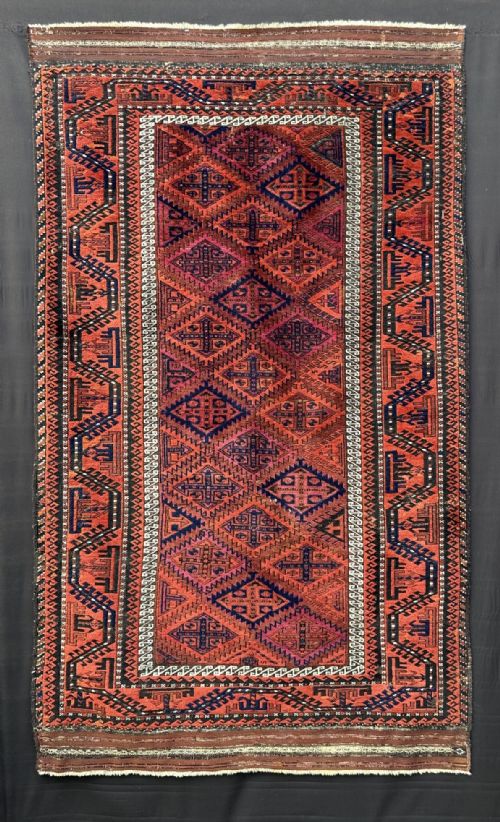
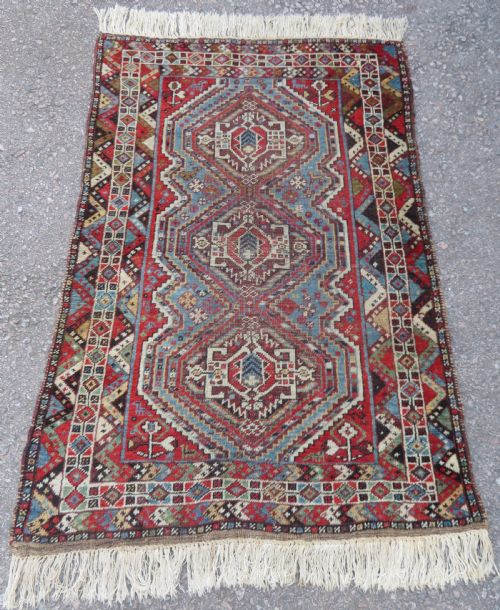
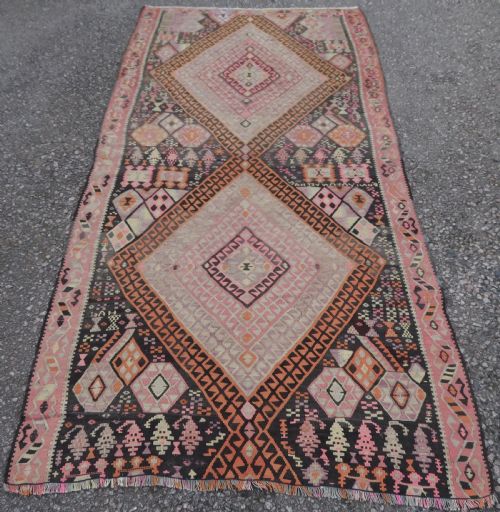
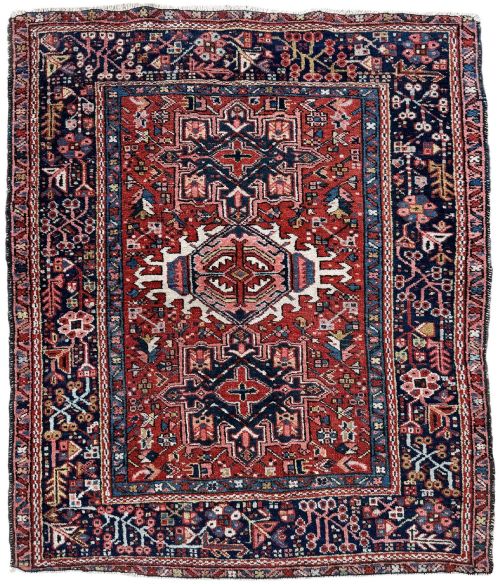
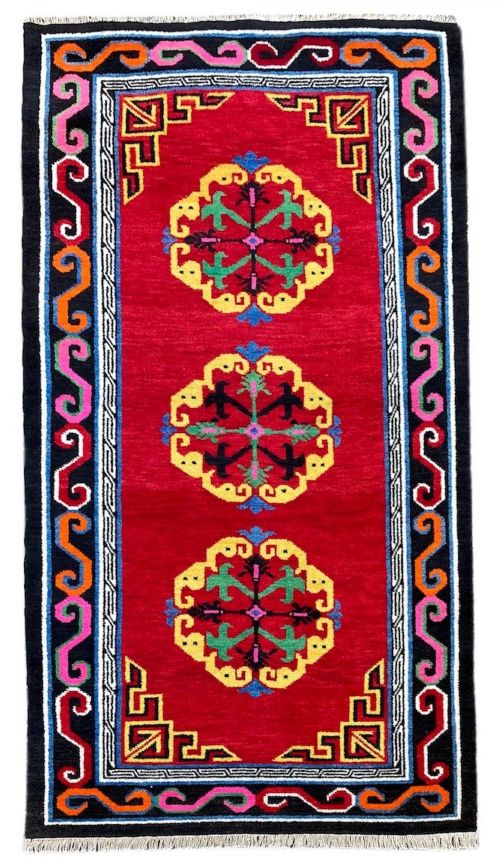
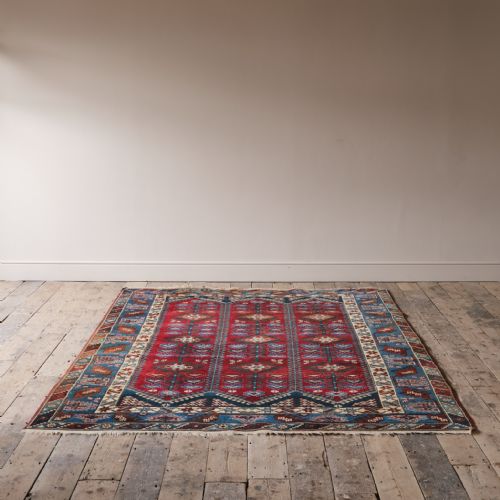
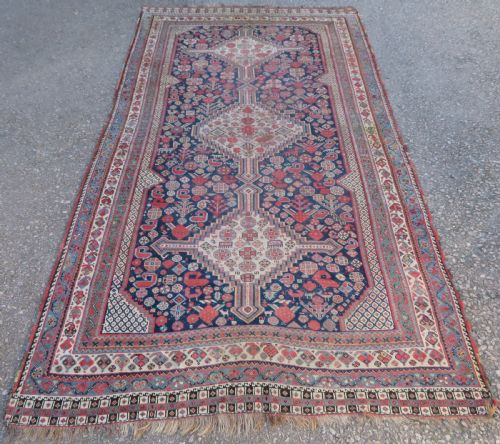
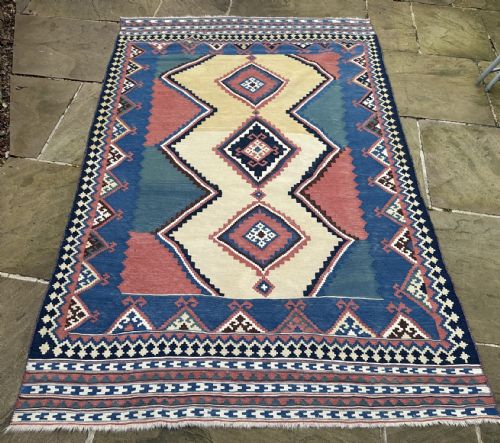
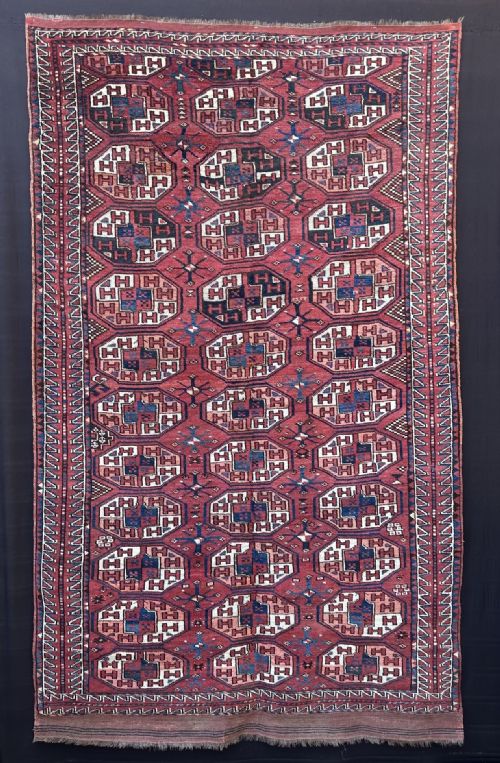



Antique Tribal Area Runner
An antique tribal area runner brings the geometric motifs and rich wool of nineteenth and early twentieth century weaving directly into a narrow hallway or passage.
Antique Tribal Area Runner
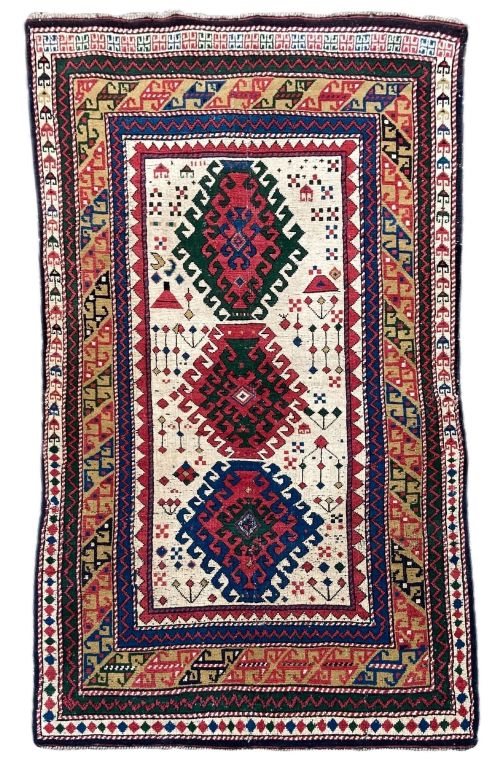
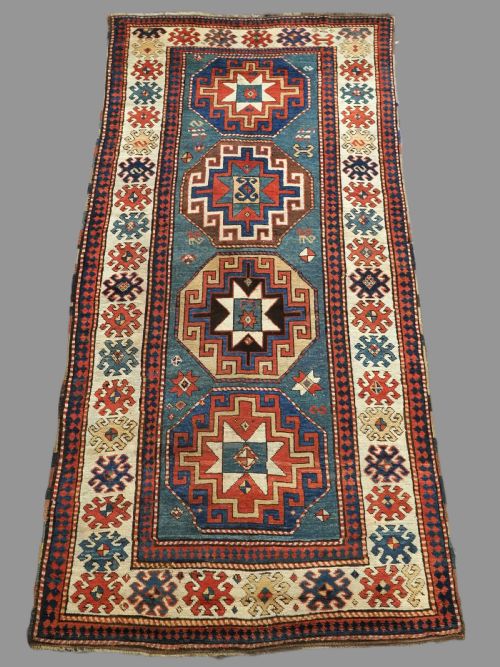
An antique tribal area runner is a long, narrow carpet originating from village and nomadic weaving traditions across Persia, the Caucasus, and Central Asia. These pieces serve as functional floor coverings designed for corridors, galleries, and landings where standard square formats prove too wide.
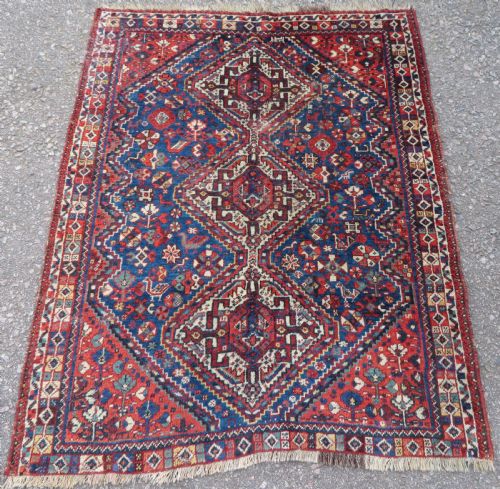
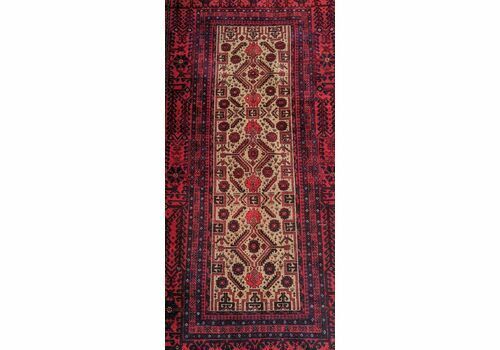
The selection encountered here spans from the late nineteenth century through to the 1930s, embracing styles such as Caucasian, Kurdish tribal, and Persian traditional. Makers from regional groups including the Kazak, Shirvan, and Baluch produce distinct linear formats that distinguish themselves from large square carpets.
Buyers seek these runners for their resilient pile and the varied geometry characteristic of nomadic workshops. Each example displays the specific regional palette and knotting structure handed down through generations of village weavers.
How they were made
Weavers construct these runners primarily using hand-spun wool and cotton foundations, often incorporating camel hair for natural tones in the pile. Natural dyes provide the enduring palette of deep reds, indigos, and golds that develop soft patinas over decades of use.
The production relies on upright vertical looms set up in village homes or nomadic tents, where artisans tie symmetrical or asymmetrical knots by hand. Skilled hands integrate structural warps and wefts to create durable textiles intended to withstand heavy foot traffic in narrow spaces.
Nomadic weavers often inserted tiny deliberate imperfections into their geometric patterns to ward off the evil eye.
What varies in quality
The precision of the knot density and the tightness of the weave govern the structural integrity of an antique runner. Finer knotting allows intricate geometric medallions and crisp borders to maintain their definition over time.
The purity and saturation of the dyes separate standard village production from exceptional regional examples. Runners dyed using traditional plant and mineral extracts retain depth and vibrancy that chemical alternatives cannot replicate.
The Antique Tribal Area Runner Glossary
- Runner
- A long, narrow carpet format specifically designed for corridors, hallways, and stairs. This shape displays repeating central medallions or continuous geometric patterns down its length.
- Mihrab
- A niche design element often found in prayer rugs, representing the direction of prayer. This architectural arch motif frequently appears in Caucasian and Afghan village weaving.
- Gul
- A medallion or repeating octagonal motif used extensively in Turkmen and Baluch carpet designs. Each tribal group utilises distinct forms of this symbol to signify lineage and origin.
- Kilim
- A flatweave textile produced without a pile by tightly interweaving warp and weft strands. These pieces offer lighter floor coverings or decorative wall hangings with crisp, graphic patterns.
Antique Tribal Area Runner: Frequently Asked Questions
Where should I place a runner?
These narrow formats suit hallways, corridors, and bedside spaces where standard square carpets fail to fit. Their elongated dimensions guide the eye along architectural pathways.
Placing them in moderate traffic areas protects the wool pile while allowing the geometric patterns to anchor long, empty passages.
How do I clean an antique rug?
Regular gentle vacuuming without a rotating brush removes surface dust trapped within the wool pile. Professional specialist cleaning remains essential for addressing deeper soil without damaging natural dyes.
Avoid using modern chemical detergents or excess water, which cause bleeding in antique plant-based colourants.
What materials make up these rugs?
Traditional village weavers rely on hand-spun sheep wool for the durable surface pile. Cotton or wool foundations provide the structural warp and weft threads supporting the knots.
Some pieces incorporate undyed camel hair in the background or border details to introduce natural brown and golden tones.
How do I identify regional styles?
Caucasian pieces tend to feature bold, geometric polygons and sharp primary colours like bright red and indigo. Persian and Kurdish village runners often incorporate more intricate floral fields alongside stepped medallions.
Examining the structure of the fringe and the specific arrangement of borders reveals clues to the original weaving community.