

Antique Treen Carving
An antique treen carving brings tactile domestic history into the hand through carved wood objects shaped for daily utility and token gifts.
Antique Treen Carving
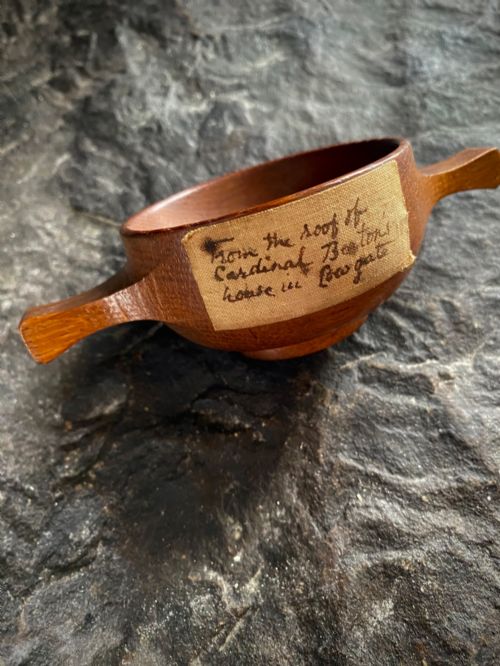
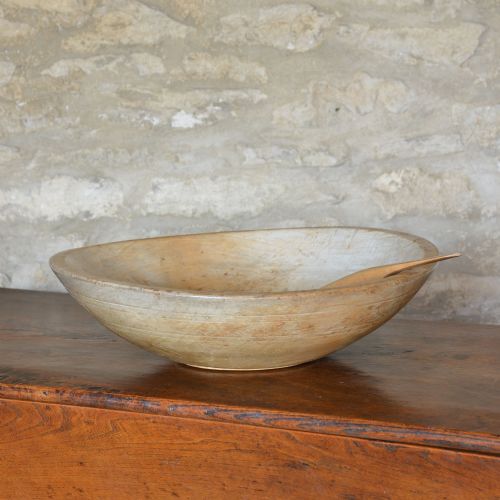
When searching for antique treen carving, collectors encounter small-scale domestic wooden objects spanning the seventeenth through to the early twentieth century. The selection includes utilitarian kitchenware and dairy bowls alongside personal items such as snuff boxes, knitting sheaths, and lovespoons.
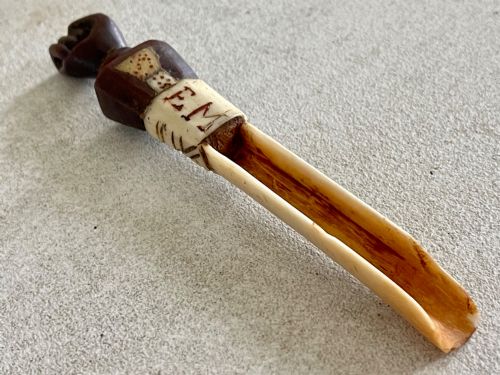
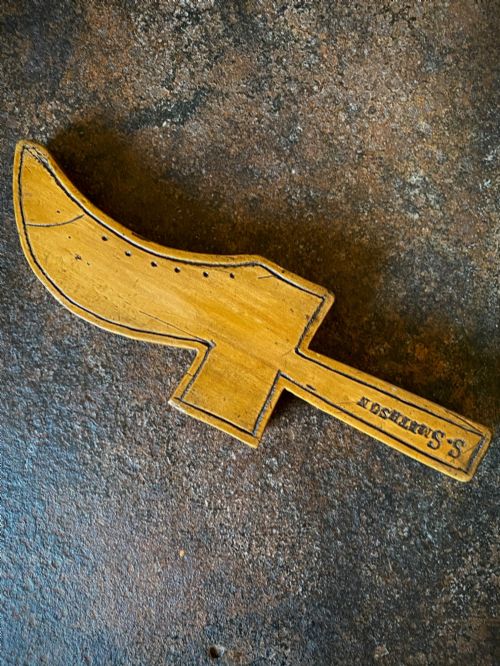
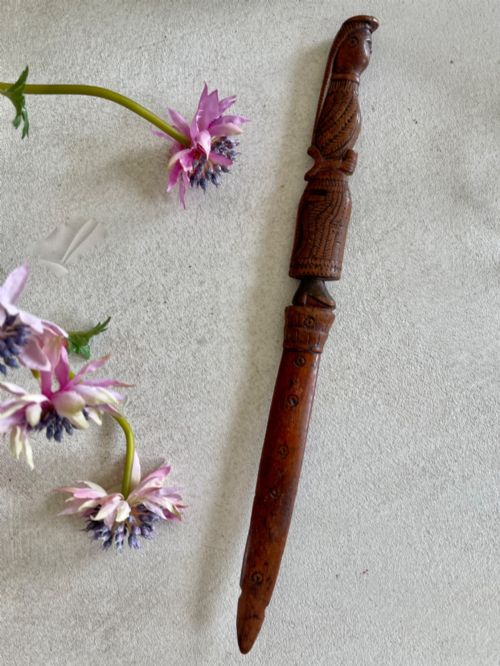
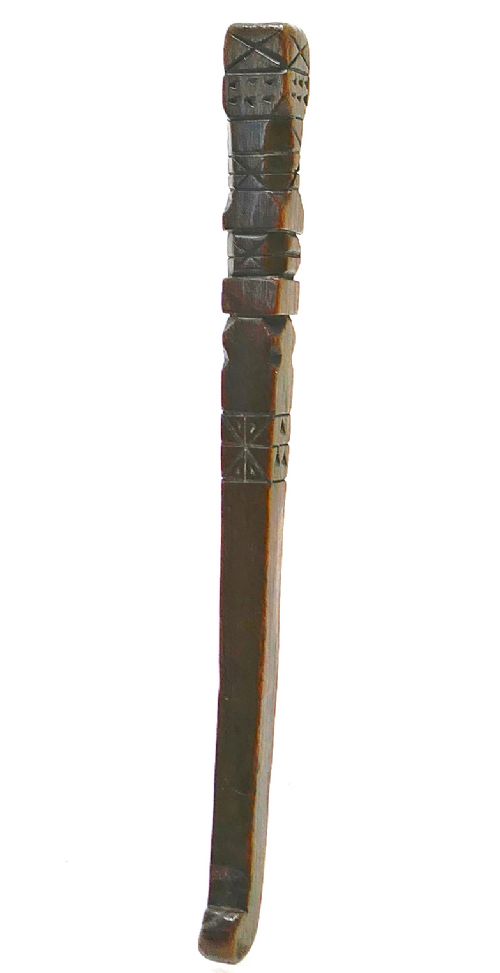
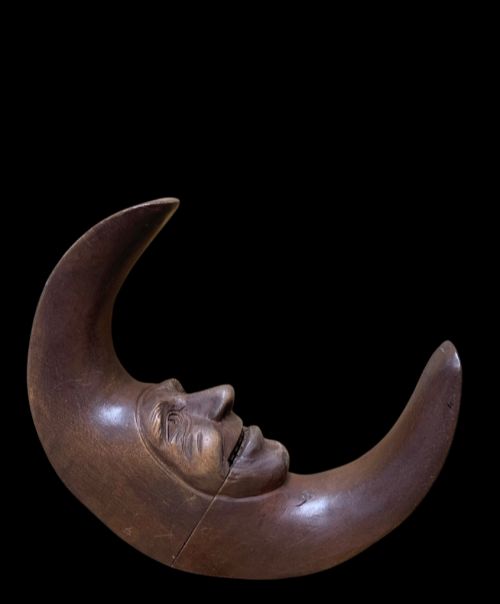
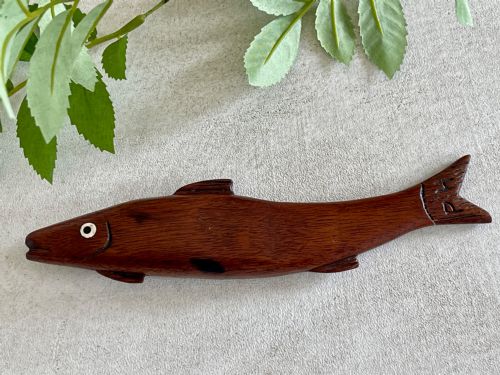
Regional British and continental examples dominate, featuring specific local forms like Cumbrian or Durham knitting sheaths and Welsh lovespoons. Functional pieces often double as tokens of affection, incorporating chip carving, bone inlay, and figural designs.
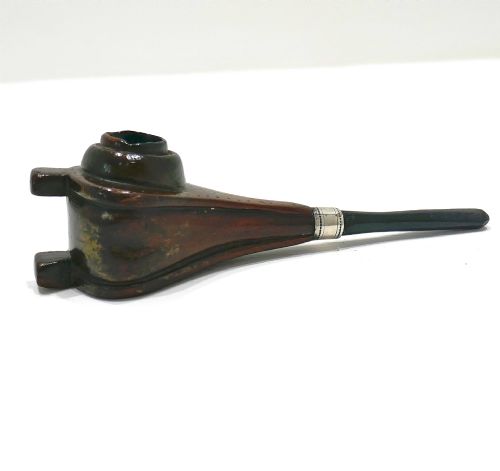
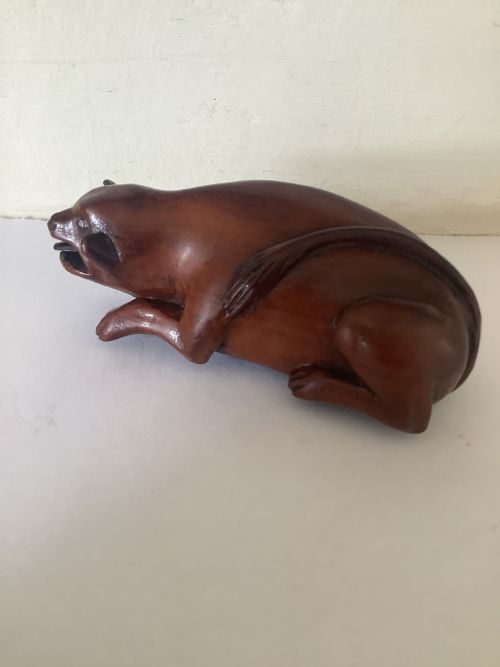
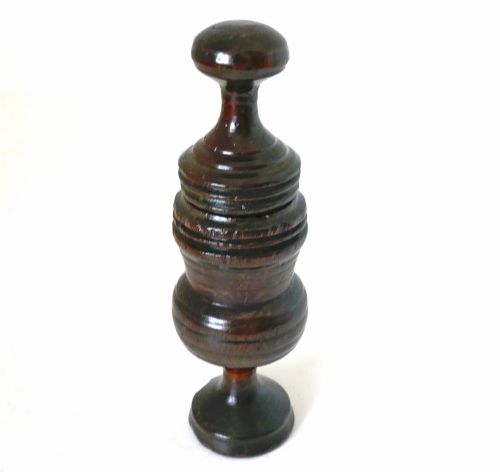
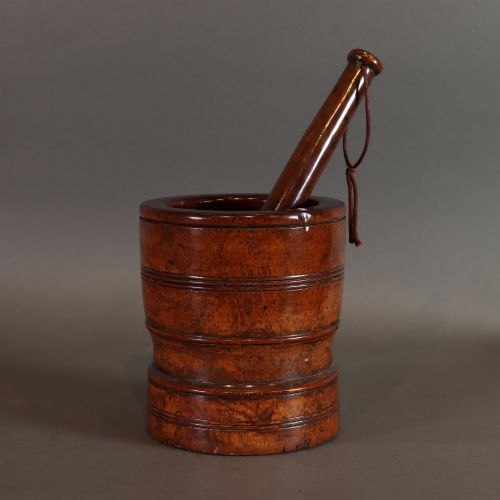
The objects stem from domestic and rural life, ranging from utilitarian spice grinders and mortar sets to novelty tobacco jars and pipe tampers. Fruitwood and sycamore pieces predominate, shaped by hand for household tasks and personal carriage.
Materials and Techniques
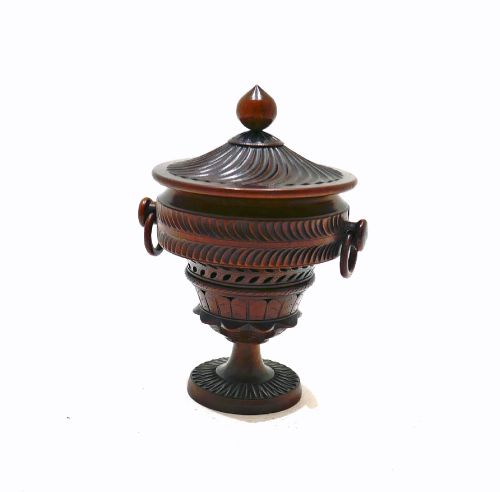
Maker traditions rely heavily on close-grained timbers such as fruitwood, sycamore, laburnum, and lignum vitae, selected for stability and resistance to splitting during intensive carving. Artisans shaped these woods using lathes for turned containers like spice grinders and lidded cups, alongside hand chisels for figurative and chip-carved items.
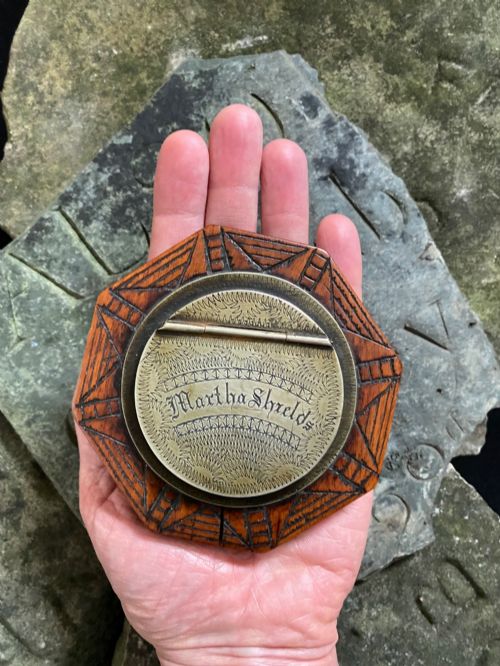
Decoration is achieved through punchwork, incised line patterns, and engine-turned detailing, frequently augmented by bone or metal inlay. Surfaces display hand-applied painted finishes or rely entirely on natural polishing through prolonged handling and patination.
Antique Treen Carving Retail Price Guide 2026
Typical asking prices for treen carving among the pieces listed under this phrase on Sellingantiques today, from the lower quarter to the upper quarter. They describe what is for sale here now, not the wider market.
Listings feature items spanning the 17th, 18th, and 19th centuries, alongside Edwardian and 1910 pieces.
Assessing Craft and Wear
Quality rests upon the crispness of the original carving and the integrity of the timber's figure, such as burr walnut or dense lignum vitae. Superior examples retain their structural precision, whether in the fine geometry of engine turning or the anatomical accuracy of figural nutcrackers and tobacco jars.
The depth of patination and the survival of secondary materials like bone inlay or wrought iron mounts dictate desirability. Pieces showing organic wear from decades of domestic use outrank those with over-cleaned surfaces or replaced components.
The Antique Treen Carving Glossary
- Treen
- Small handmade wooden objects for domestic or personal use. The term derives from the old English word for tree.
- Knitting sheath
- A device tucked into a belt or apron string to hold one needle steady while working. These often served as courtship gifts carved by sailors or shepherds.
- Lovespoon
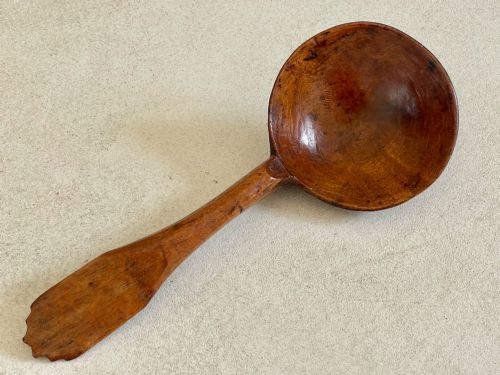
- A decorated wooden spoon carved as a token of affection or engagement. They frequently incorporate symbols such as hearts, chains, and diamonds.
- Coquilla nut
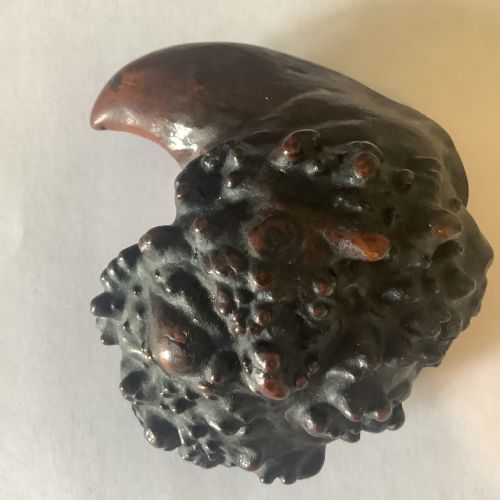
- The hard, dark brown nut of the Brazilian palm tree, utilised for small turned boxes and patch boxes. It takes a high polish and mimics tortoiseshell or horn.
- Patina
- The surface sheen and colour developed by wood through age, handling, and wax application over generations. It provides a visual record of an object's history.
Antique Treen Carving: Frequently Asked Questions
What is antique treen?
Antique treen encompasses small, functional wooden objects made before the mass production of plastics and modern manufacturing. These items served everyday domestic, agricultural, and personal purposes.
Everything from dairy bowls and spice grinders to snuff boxes and knitting sheaths falls under this heading. The appeal lies in the intersection of utilitarian design and folk craftsmanship.
How were knitting sheaths used?
Knitting sheaths held the working needle steady during traditional hand-knitting, allowing the user to knit faster while walking or tending livestock. One needle inserted into the wooden sheath while the other moved freely.
Craftsmen often carved these as tokens for family members or sweethearts, decorating them with punchwork, incised lines, and inlaid bone hearts.
How do I care for treen?
Wooden treen requires stable environmental conditions away from direct heat sources and strong sunlight, which cause timber to dry out and split. Gentle dusting with a dry cloth maintains the surface.
Applying microcrystalline wax occasionally helps nourish dry wood without altering the historic patina. Avoid using water or modern chemical polishes on old fruitwood and sycamore.
How do I date wooden carvings?
Dating relies on tool marks, timber choice, and the evolution of stylistic motifs typical of specific periods like the Georgian or Victorian eras. Lathe-turned rings and hand-cut threads offer chronological clues.
Original wear patterns, construction methods such as pegged joints, and contemporary metal or bone inlays further anchor an object within its century of origin.