





Antique Tree Tables
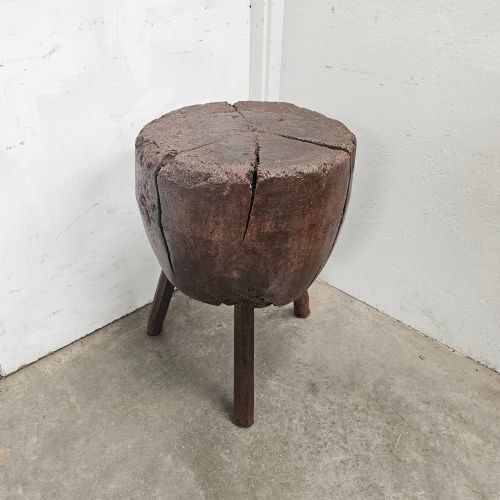
These antique tree tables and heavy timber blocks bring the honest grain of oak, yew, and beech straight into a room.
Antique Tree Tables
When you search for antique tree tables, you encounter substantial circular linden wood tables and solid game blocks derived directly from tree trunks. These heavy pieces range from rustic French beech and oak chopping blocks to finely carved Black Forest examples supported by naturalistic timber bases.
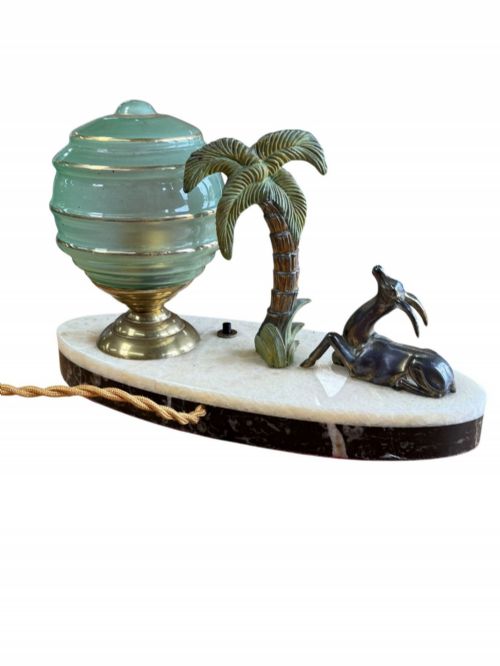
The selection here also includes related forms that incorporate arboreal motifs or tree structures, such as gilt bronze palm tree mantel clocks and silver-plated lamps. Buyers are most likely to meet 19th-century oak and beech blocks alongside circular linden wood tables resting on carved wooden trunks.
How they were made
Carpenters and carvers utilised dense hardwoods like oak, beech, yew, and linden wood, selecting thick tree trunks and sections of timber for maximum durability and weight. Artisans shaped these heavy materials using traditional hand tools, retaining natural grain patterns and organic contours.
Foundry workers cast metals such as bronze, ormolu, and pewter to create sculptural lamp bases and clock mounts featuring detailed botanical forms like palm trees and branches. Craftsmen then joined timber components using robust historical joinery suited to heavy domestic or kitchen utility.
Antique Tree Tables Retail Price Guide 2026
Typical asking prices for tree tables among the pieces listed under this phrase on Sellingantiques today, from the lower quarter to the upper quarter. They describe what is for sale here now, not the wider market.
The listings span the 18th century, Regency period, Victorian era, and the 1930s, utilising oak, beech, mahogany, linden wood, and gilt bronze.
What varies in quality
The degree of naturalistic carving defines the upper tier of wooden tree tables and Black Forest stands, where deep, crisp detail in the linden wood or oak reveals superior sculptural skill. Lesser examples rely on plain, unadorned trunk sections with minimal hand shaping.
Material integrity and the preservation of the original timber surface dictate the standing of a piece, with sound structural density and honest patination marking out the finest specimens.
David Veasey for Liberty & Co·Crisford & Norris·Ellen E. Houghton·Baetens London
The Antique Tree Tables Glossary
- Linden wood
- A pale, fine-grained timber frequently utilised by Black Forest carvers for intricate, naturalistic furniture bases and decorative objects.
- Game block
- A heavy timber section cut straight from an oak or beech tree trunk, historically used in French kitchens for preparing game.
- Black Forest
- A regional carving style originating in Central Europe, known for realistic representations of animals, foliage, and tree trunks.
- Ormolu
- Finely ground high-carat gold applied in a mercury amalgam to bronze mounts, seen on Regency clock bases featuring botanical motifs.
- Patina
- The deep surface sheen and colour developed by aged hardwoods and metals through decades of handling and exposure.
Antique Tree Tables: Frequently Asked Questions
How were tree tables used?
Heavy tree trunk blocks served practical duties in kitchens and game larders for chopping and preparation.
Circular linden wood tables functioned as decorative occasional stands in 19th-century interiors, displaying ornaments and small plants.
How do I care for antique timber?
Keep solid wood blocks and tables away from direct heat sources and sudden temperature shifts to prevent the heavy timber from splitting.
Feed the dry grain sparingly with traditional wax to maintain the natural surface sheen.
What woods were used?
Carpenters utilised durable indigenous hardwoods such as oak, beech, yew, and linden wood for their density and rich grain patterns.
These timbers were often left with naturalistic bark edges or carved to mimic living branches.
Are these pieces dated correctly?
Dated examples span the Regency period through the late 19th and early 20th centuries, as recorded in the surviving inventory.
Stylistic markers like Black Forest carving techniques and Arts & Crafts metalwork help anchor the period of manufacture.