

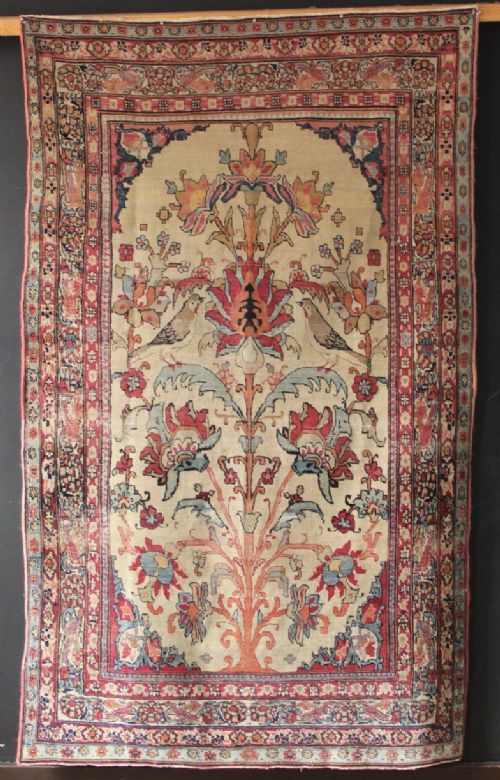


Antique Tree of Life
An antique tree of life piece brings centuries of symbolic botanical imagery into a room through woven wool, embroidered textiles and cast iron.
Antique Tree of Life
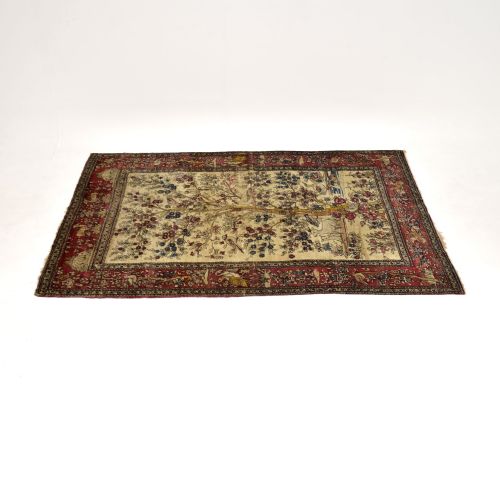
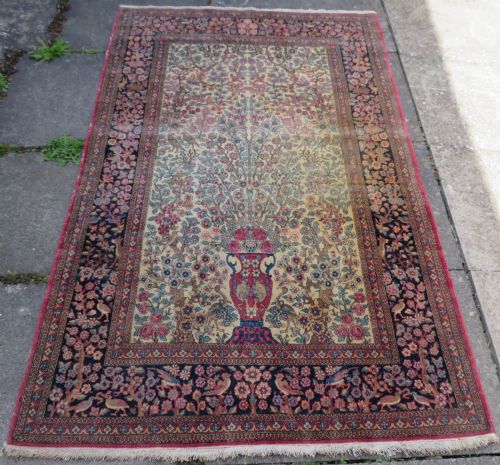
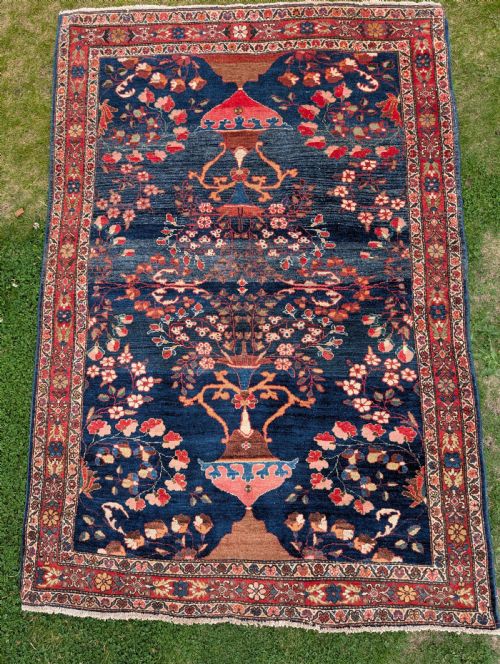
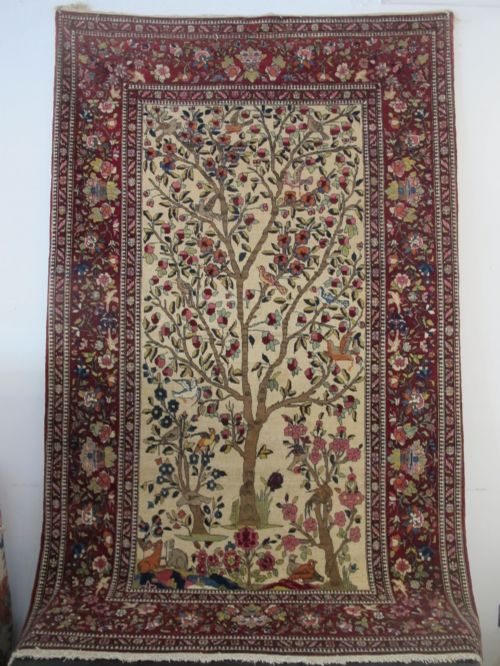
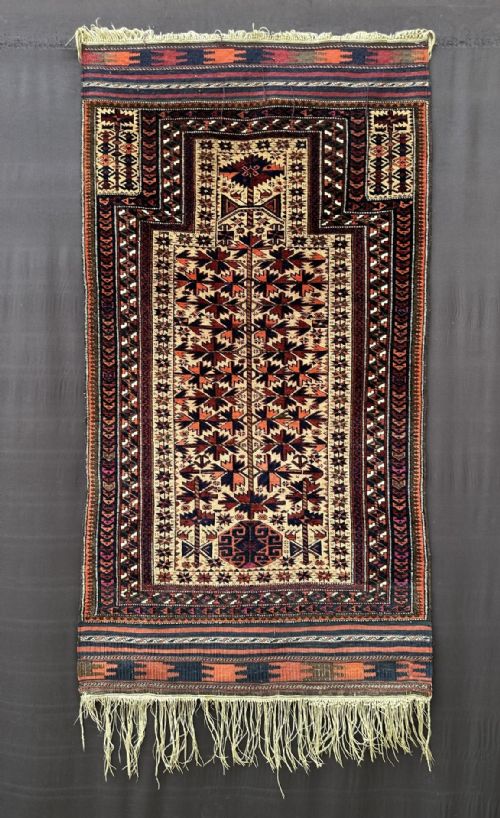
An antique tree of life search encompasses woven Persian tribal rugs, detailed Isfahan and Kashan carpets, and English cast iron fireplace accessories. The most common survivals on this page are Baluch and Timuri prayer rugs, featuring vertical arboreal motifs rooted in wool pile grounds.
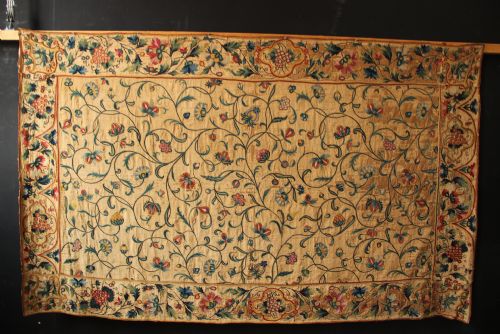
The format spans from small bedside rugs and Balisht face pieces to large room-sized carpets and wall hangings. Alongside floor coverings, British crewelwork bed covers and Victorian cast iron fire backs translate the same branching motif into textiles and metalwork.
Materials and construction methods
Weavers constructed these rugs and carpets using hand-spun wool, cotton foundations, and occasionally silk highlights, dyed with natural colorants. Camel hair frequently forms the undyed pale brown background fields seen in nomadic tribal weaving.
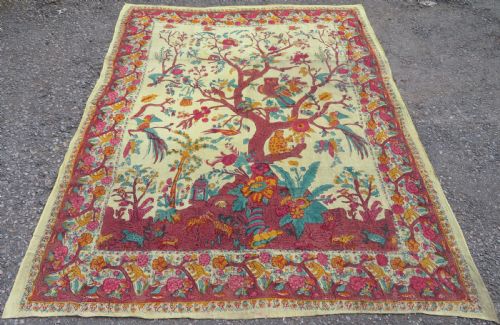
Textiles utilise embroidery and applique techniques on linen and cotton grounds, as demonstrated in English crewelwork and Indian palampores. Heavy hearth accessories rely on cast iron, shaped by traditional foundry methods to reflect the branching pattern.
Antique Tree of Life Retail Price Guide 2026
Typical asking prices for tree of life among the pieces listed under this phrase on Sellingantiques today, from the lower quarter to the upper quarter. They describe what is for sale here now, not the wider market.
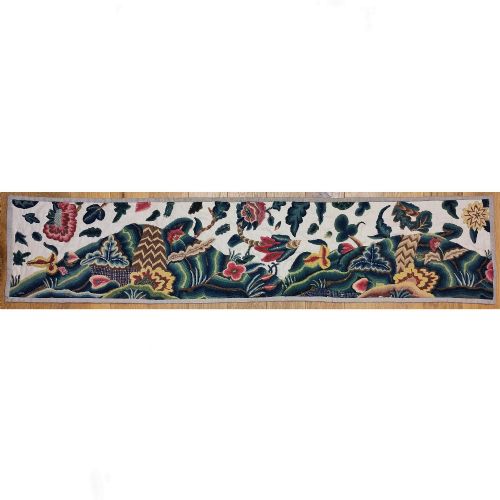
One early English panel captures Adam, Eve, and a determined serpent debating botany near the tree of life.
What separates examples across the range
Quality rests in the precision of the knotting, the complexity of the botanical drawing, and the depth of the natural dyes. Fine town workshops achieve intricate floral details, whereas tribal village pieces display bolder, geometric interpretations of the central trunk.
Material selection dictates longevity and tactile appeal, with supple hand-spun wool and soft camel hair yielding more responsive pile handles. The clarity of the branching design and the preservation of original borders determine the desirability of each textile or rug.
Kashan·Isfahan·Kirman·Tabriz
The Antique Tree of Life Glossary
- Prayer rug
- A small format rug featuring a mihrab arch at one end, designed to guide personal devotion. These pieces frequently incorporate the vertical tree motif rising toward the arch.
- Camel ground
- A background field woven from undyed camel hair wool, providing a durable and soft neutral tone. This material appears frequently in nomadic tribal weaving from the nineteenth century.
- Crewelwork
- A style of embroidery executed with wool yarn on linen or cotton twill fabric. British examples often depict flowing botanical vines and foliage.
- Fire back
- A heavy cast iron plate placed at the back of a hearth to reflect heat and protect the masonry. Victorian examples often carry relief castings of botanical or heraldic subjects.
- Millefleurs
- A dense pattern composed of a thousand small flowers covering the ground field. This intricate decorative style appears on select Persian workshop carpets.
Antique Tree of Life: Frequently Asked Questions
What is a tree of life rug?
A tree of life rug displays a central vertical botanical motif symbolizing growth, eternity, and paradise. The design originates from ancient horticultural and religious traditions translated into textile art.
These pieces range from geometric tribal village weaves to curvilinear workshop carpets produced across Persia.
How do I identify Baluch tribal rugs?
Baluch rugs typically feature compact formats, dark blue or camel ground fields, and goat hair selvedges. They often incorporate prayer arches and geometric tree motifs.
Nomadic weavers in the borderlands of Persia and Afghanistan produced these functional floor coverings during the nineteenth and early twentieth centuries.
How were cast iron fire backs used?
Cast iron fire backs stood against the rear wall of an open fireplace to radiate heat into the room and protect the brickwork. English Victorian foundries cast these panels with decorative relief designs.
Homeowners positioned them inside domestic hearths as both functional heat reflectors and decorative ironwork.