


Antique Travelling Writing Desk
An antique travelling writing desk is a portable workspace built for the road, offering fitted compartments and fold-out surfaces for correspondence on the move.
Antique Travelling Writing Desk
The antique travelling writing desk encompasses portable writing slopes, campaign chests, and folding desks designed for officers, clerics, and travellers across the eighteenth and nineteenth centuries.
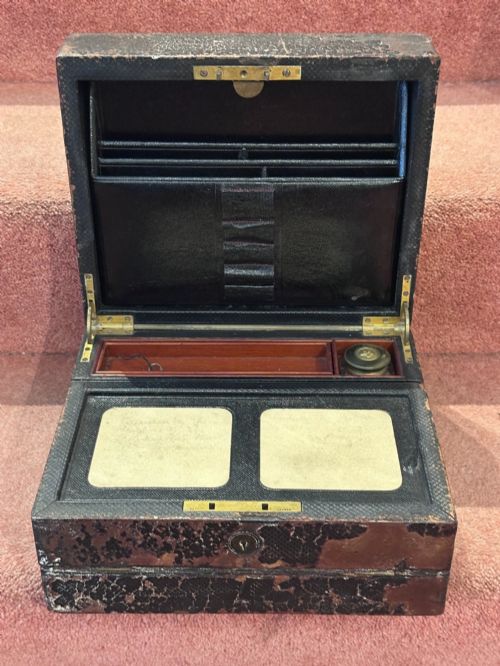
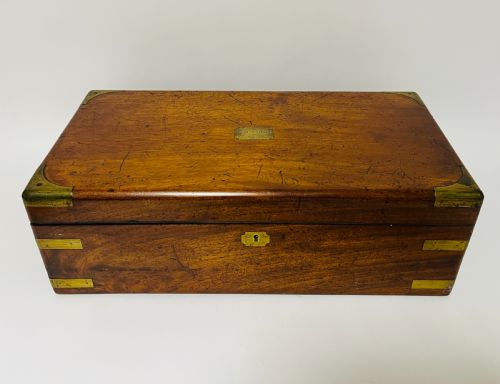
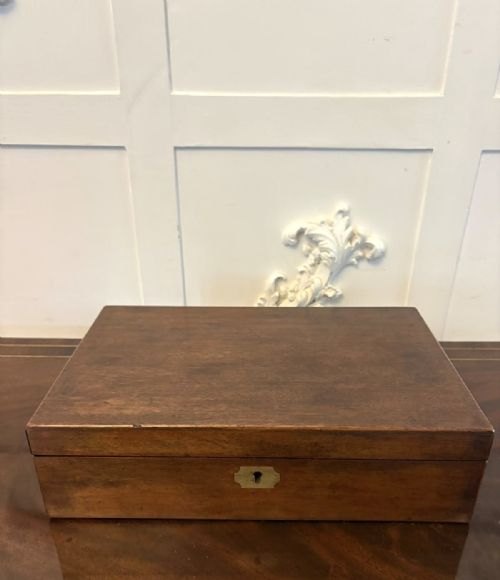
Most examples found here date from the Victorian and Georgian periods, constructed from dense timbers like mahogany, walnut, and camphor wood with hinged lids that open to reveal fitted interiors.
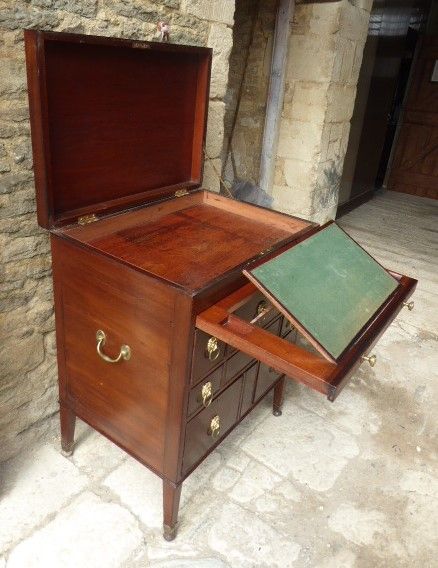
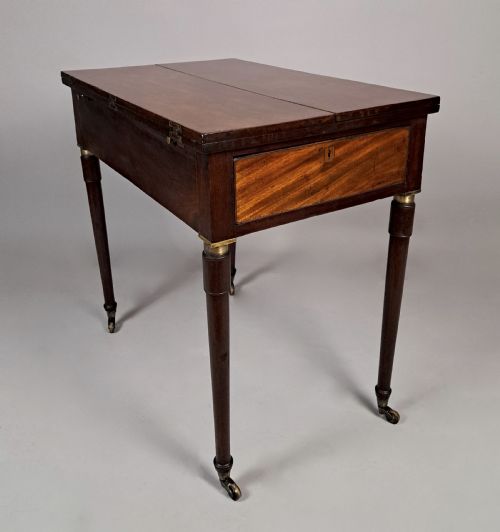
Buyers will encounter compact table-top boxes alongside larger military secretaire chests and bureau tables, all engineered to secure ink, paper, and valuables during transit.
Materials and construction
Cabinetmakers utilised durable hardwoods such as mahogany, walnut, and teak to withstand the rigours of travel, often reinforcing corners and edges with heavy brass mounts and straps.
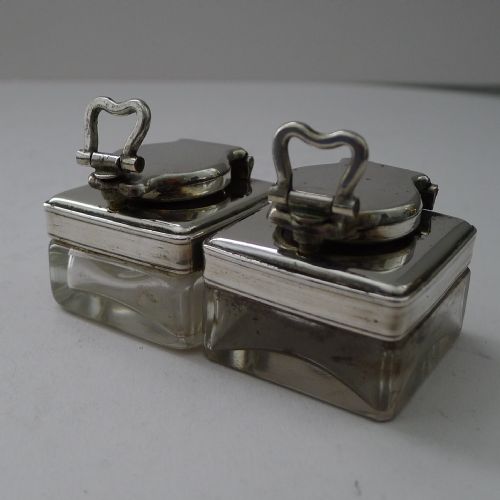
Interiors feature fitted compartments lined with leather, velvet, or baize, alongside secret drawers, pen trays, and dedicated spaces for glass and silver-plated inkwells.
Joints and folding mechanisms required precise carpentry to ensure the wooden carcasses remained stable and flush despite changes in climate and frequent movement.
Assessing quality and execution
Quality rests in the precision of the cabinetwork, the tightness of the mitred joints, and the grade of the timber used for the primary carcass and secondary linings.
Superior pieces incorporate robust brass hardware, well-fitted internal stationery racks, working locks with original keys, and subtle details like secret compartments or tunbridgeware inlay.
Maker attribution elevates certain boxes, particularly those bearing the stamps of established firms like Mappin and Webb or P and F Shafer, reflecting higher standards of workshop production.
Gillows·Mappin and Webb·P and F Shafer
The Antique Travelling Writing Desk Glossary
- Writing slope
- A portable box with a sloping lid that opens to form a slanted desk surface for writing letters. The interior typically conceals inkwells, pen rests, and small storage compartments.
- Campaign chest
- A modular chest of drawers built in two or more sections with recessed brass pulls and corner brackets for ease of military transport. These pieces separate cleanly for loading onto carts or ships.
- Secretaire
- A piece of furniture containing a pull-out or drop-front drawer fitted with pigeonholes and small drawers for writing materials. In military forms, this is often integrated into the upper section of a tall chest.
- Baize
- A coarse woollen material resembling felt, traditionally used to line the folding flaps of writing slopes and desks to provide a smooth writing surface.
- Tunbridgeware
- A distinct type of decorative woodwork featuring intricate mosaic patterns made from tiny wood blocks of various natural colours. It appears on nineteenth-century boxes and small desk accessories.
Antique Travelling Writing Desk: Frequently Asked Questions
How do I use an antique writing desk?
Place the box on a stable table or stand, release any internal latches, and fold down the writing surface to access the slope and inkwells.
Keep modern fountain pens and bottled ink away from the antique leather or baize linings to prevent staining historic surfaces.
What is the difference between a slope and a chest?
A writing slope is a portable box designed to sit on a tabletop, housing stationery beneath a hinged, angled lid.
A campaign chest is a large, freestanding piece of modular furniture built in sections with carrying handles for military use.
How do I date a Victorian writing box?
Examine the construction methods, secondary woods, brass hardware styles, and any maker's stamps or paper labels pasted inside the compartments.
Victorian pieces often display machine-sawn elements and standardised brass corners compared to earlier Georgian hand-forged fittings.
Were these desks only used by the military?
While many campaign styles were built for officers on active service, civilians, clerics, and merchants used portable writing desks for travel and home correspondence.
Lighter rosewood and walnut boxes were typically intended for domestic drawing rooms rather than army tents.