

Antique Traveling Chest
An antique travelling chest is a robust portable container built for journeys across land and sea, offering enduring utility and historic character.
Antique Traveling Chest
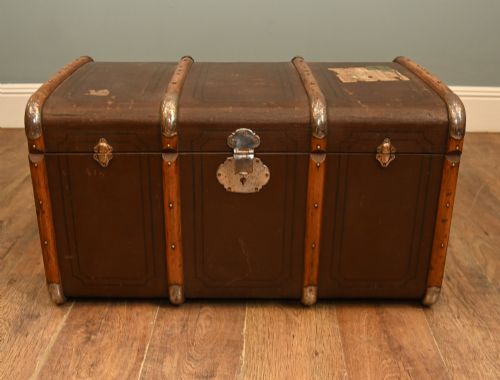
An antique travelling chest encompasses sturdy wooden trunks, leather-bound luggage cases, and military campaign chests designed for transit over centuries. These pieces reflect the functional demands of movement, created to safeguard belongings through shifting climates and rough handling.
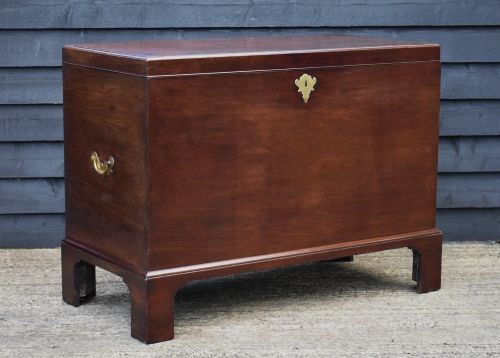
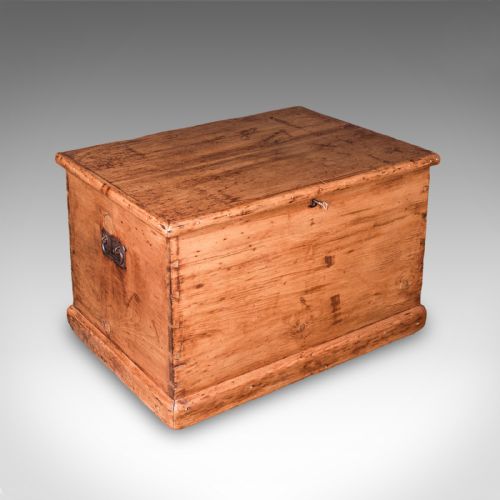
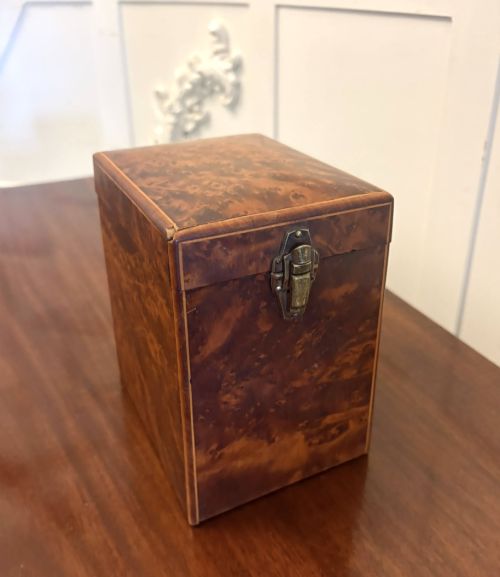
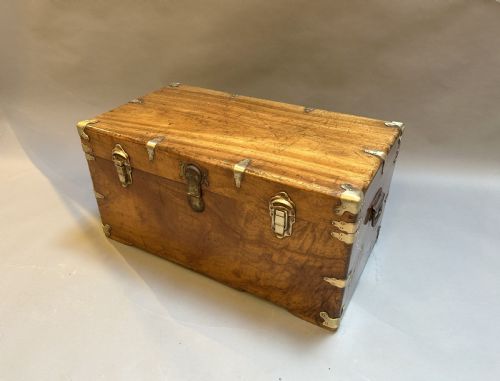
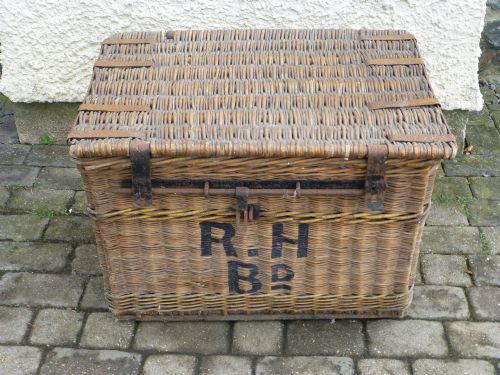
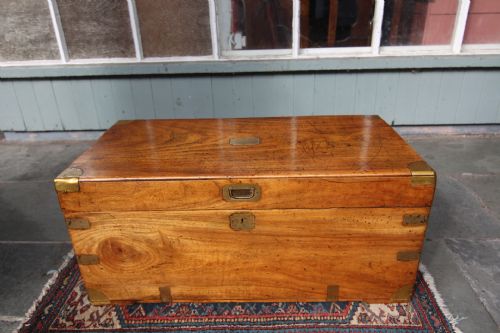
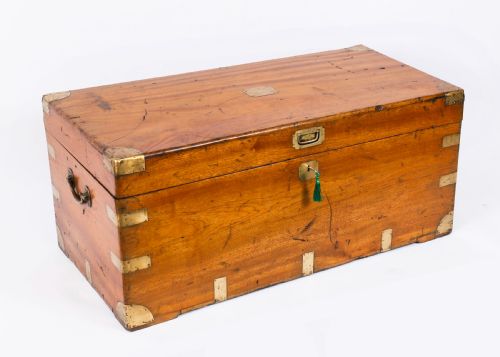
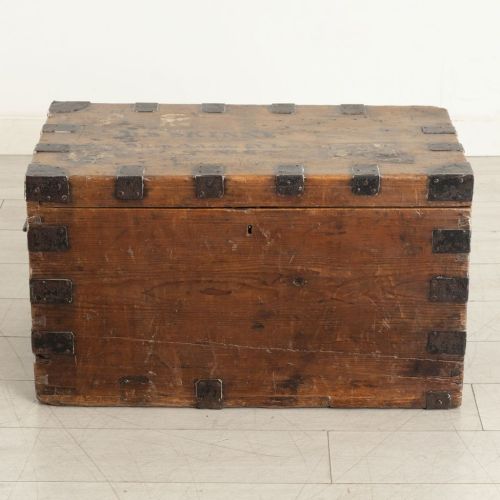
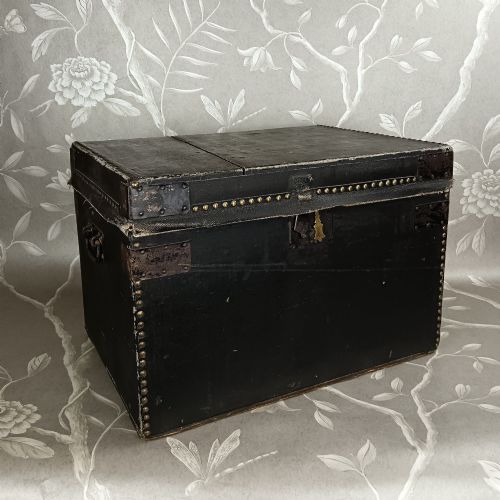
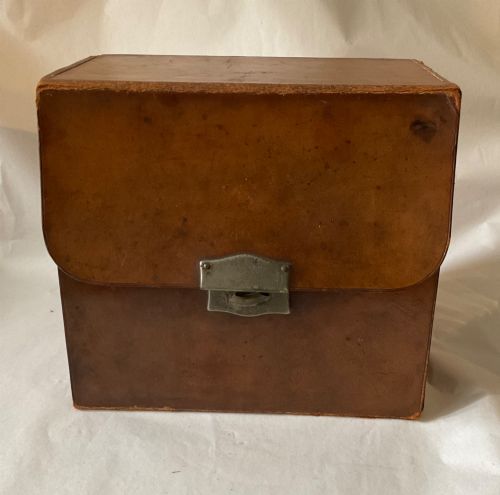
Camphorwood, mahogany, pine, and oak form the primary bodies of these trunks, frequently reinforced with brass corners, iron bands, or studded leather. The construction prioritises strength and protection against the elements during long voyages.
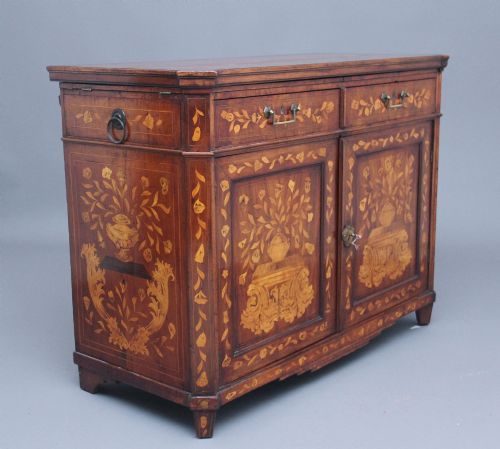
Victorian and Regency examples appear regularly alongside 18th-century pieces and later steamer trunks from the early 20th century. Buyers encounter everything from simple pine travel trunks to elaborate fitted mahogany cabinets intended for officers and diplomats.
How they were made
Cabinetmakers and trunk-makers utilised durable timbers such as camphorwood, mahogany, and pine, often selecting camphor for its natural insect-repellent properties during sea voyages. Heavy-duty construction methods ensured the boxes could endure the rigours of transport without warping or splitting.
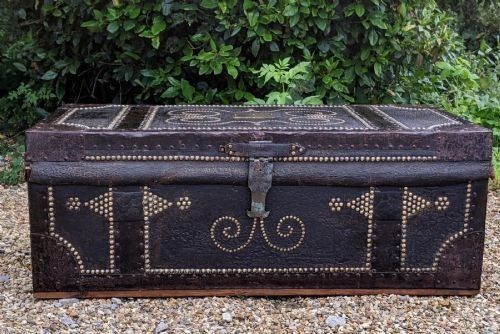
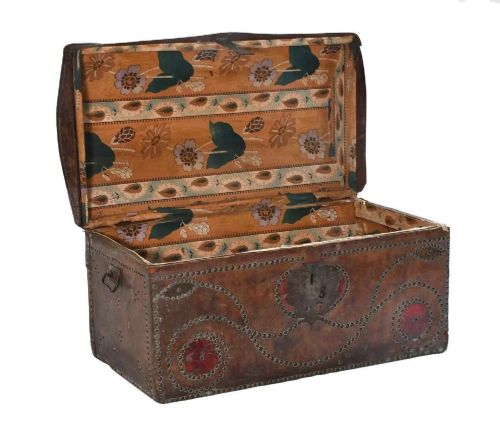
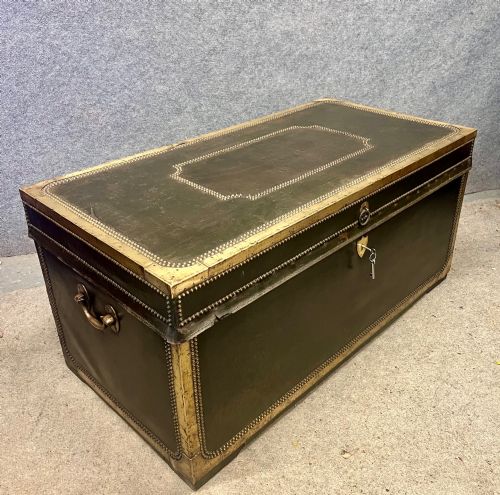
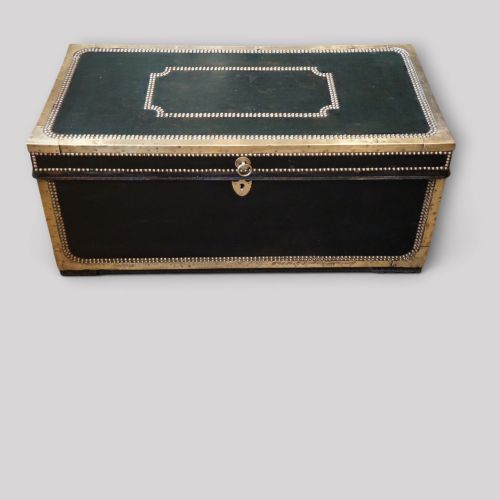
Metal reinforcement was essential, employing brass bindings, iron straps, and thousands of individual brass studs to secure leather coverings to wooden frames. Strong carrying handles, recessed pulls, and robust locks protected contents against both damage and theft on the road.
Antique Traveling Chest Retail Price Guide 2026
Typical asking prices for traveling chest among the pieces listed under this phrase on Sellingantiques today, from the lower quarter to the upper quarter. They describe what is for sale here now, not the wider market.
Camphorwood chests retain their distinctive aromatic scent after centuries of travel across the globe.
What varies in quality
The sophistication of the internal fittings and the calibre of the secondary timbers dictate the standing of a piece. Superior chests feature intelligent internal compartments, secret drawers, and original brass hardware stamped by notable makers rather than generic commercial fittings.
The integrity of the original surface finish, whether polished mahogany, rich leather, or painted canvas, distinguishes a fine survival from a heavily altered piece. Original locks, keys, and transit marks add substantial authenticity to the object.
Samuel Pratt·Wm. Insall of Bristol·S. W. Silver & Co. London & Liverpool
The Antique Traveling Chest Glossary
- Campaign chest
- A portable set of drawers or a trunk made in sections for easy transport by military officers on campaign. These pieces typically feature brass corners and flush handles.
- Steamer trunk
- A lower-profile luggage trunk designed to fit beneath the berth in a passenger ship cabin during the late 19th and early 20th centuries. They often utilise wood covered in canvas, leather, or painted metal.
- Camphorwood
- An aromatic timber native to Asia, prized for campaign furniture because its natural scent deters moths and insects. It shows a warm reddish-brown grain.
- Studded leather
- A technique where leather is affixed to a wooden carcass using rows of brass or iron nails. This added both decorative pattern and structural tension to the trunk.
- Dome top
- A curved lid design on early chests that encouraged rainwater to run off during outdoor transport. This shape is frequently found on 17th and 18th-century examples.
Antique Traveling Chest: Frequently Asked Questions
What is an antique travelling chest?
An antique travelling chest is a portable storage container built from wood, leather, and metal for use during journeys. These range from heavy-duty military campaign boxes to domestic luggage and steamer trunks.
They were constructed to withstand the rigours of transport by sea, rail, and carriage while keeping personal possessions secure and organised.
How were these trunks used originally?
Officers, merchants, and travellers used these chests to pack clothing, documents, and valuables during long expeditions. Many feature sectional designs or clever internal compartments to maximise utility on the move.
Military chests often doubled as field desks, while domestic trunks safeguarded wardrobes during extended voyages.
Where do camphorwood chests originate?
Camphorwood trunks are frequently associated with trade between Britain and China during the 18th and 19th centuries. The fragrant wood protected textiles from insects during long ocean voyages.
Craftsmen utilised the timber for its stability and resistance to humidity in tropical climates.
How do I style an antique chest at home?
These chests function well as coffee tables, end tables, or deep storage solutions in modern living spaces. Their robust surfaces and historic hardware add texture and character to contemporary interiors.
Placing a trunk at the foot of a bed or in a hallway provides practical storage while displaying the historic timber and metalwork.