



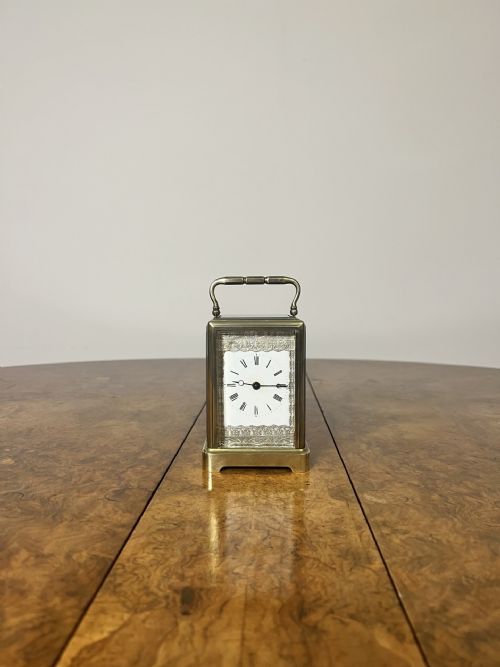
Antique Travel Table
An antique travel table brings portability to history, offering fold-down surfaces and compact compartments designed for journeys centuries ago.
Antique Travel Table
When buyers search for an antique travel table, they encounter portable furnishings designed for mobility, though the current selection spans related campaign pieces, trunks, and portable timepieces rather than dining tables alone. The material evidence records items originating from the eighteenth, nineteenth, and early twentieth centuries, encompassing Georgian, Victorian, and Edwardian periods.
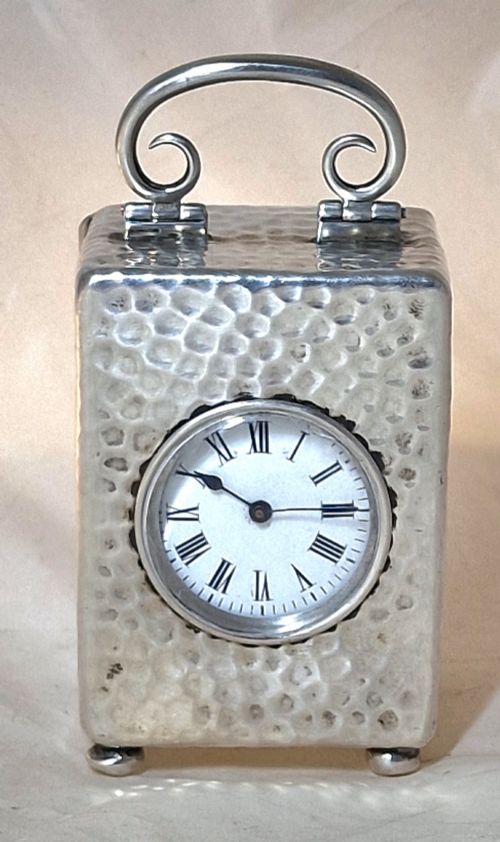
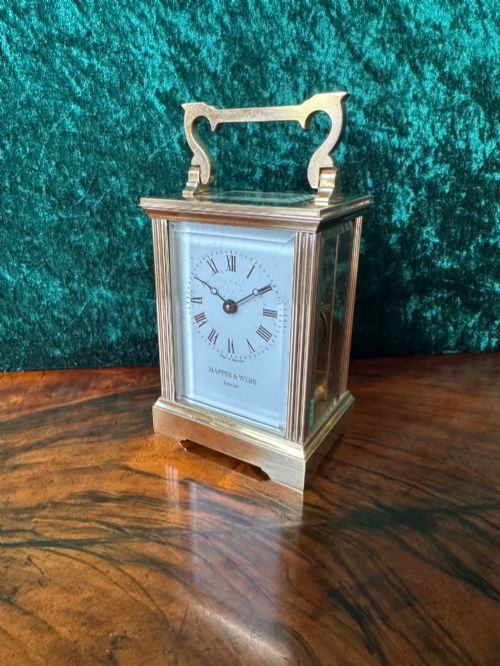
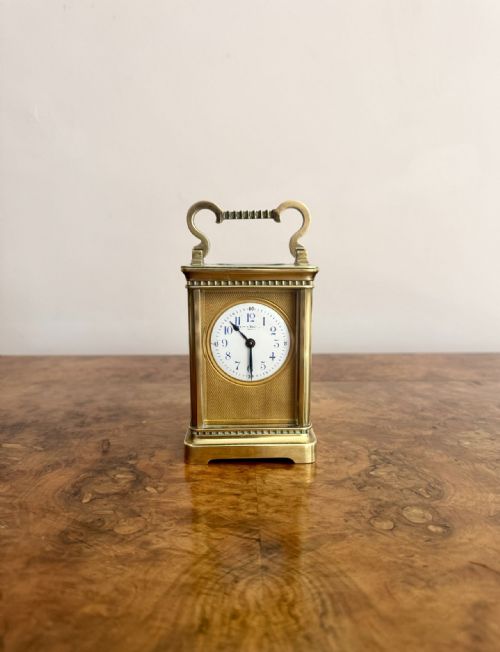
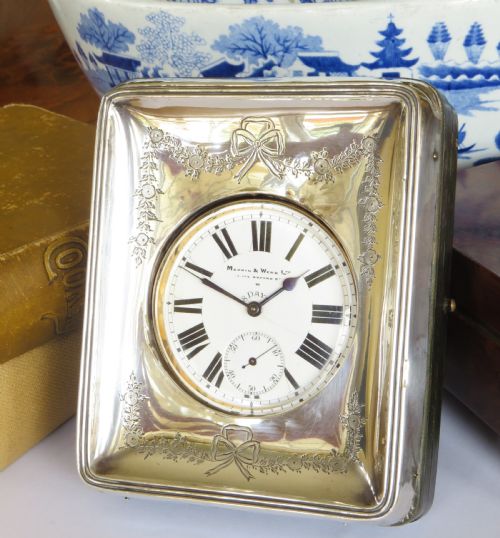
The objects take forms such as travelling bureaux, trunks, chests, and smaller items like carriage clocks and travel boxes. French and British makers dominate the origins, reflecting the demands of military officers and wealthy travellers of past eras.
Buyers will find that while traditional folding tables appear in Georgian campaign furniture, the broader category includes storage trunks and clocks designed to accompany travellers. These pieces share a utilitarian ethos, constructed to withstand movement while maintaining a refined appearance.
Materials and construction
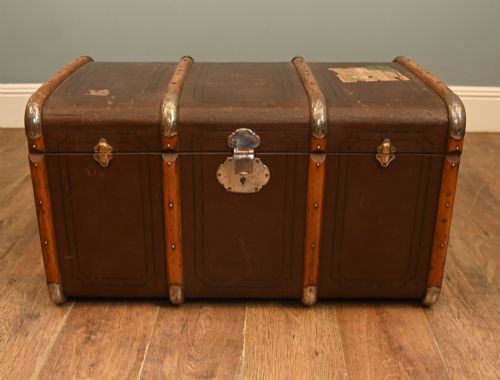
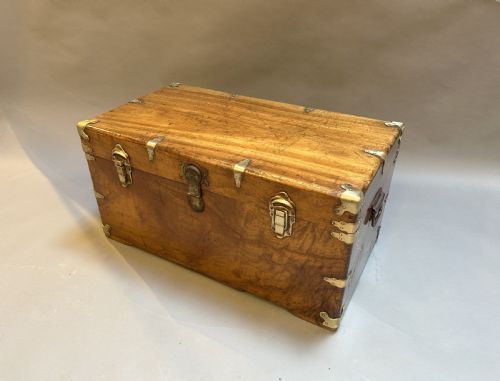
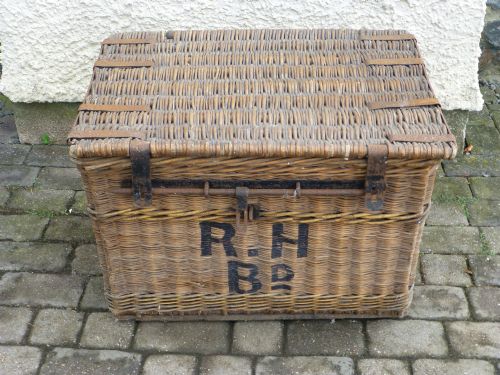
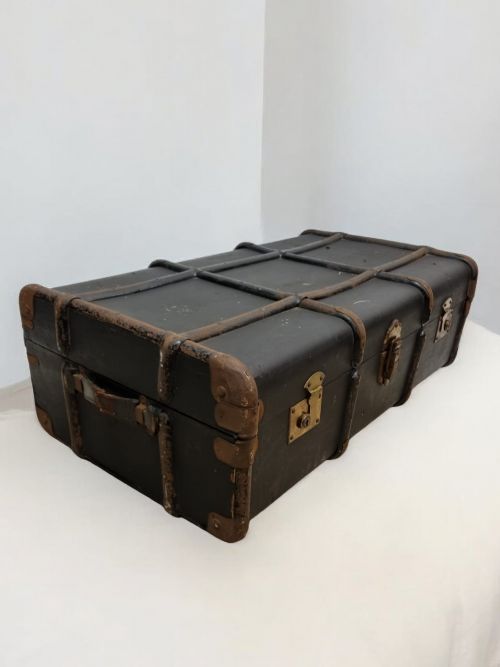
Wood forms the structural core of these portable pieces, with camphor, wicker, and various timber veneers utilised alongside robust leather coverings. Metal fittings, specifically brass and gilt brass, reinforce the corners, edges, and hinges to handle the strains of transit.
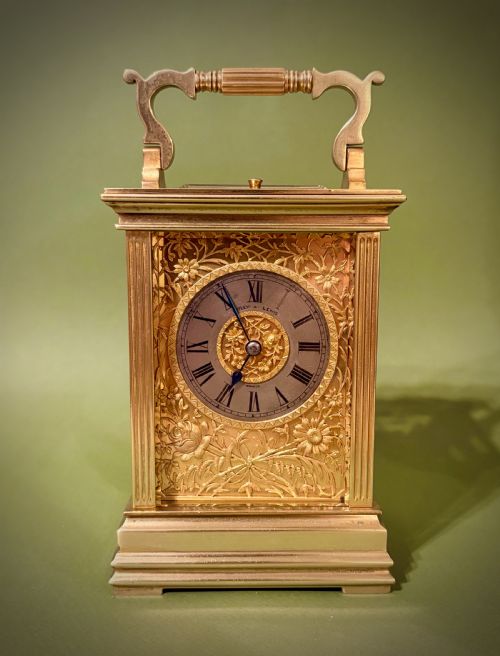
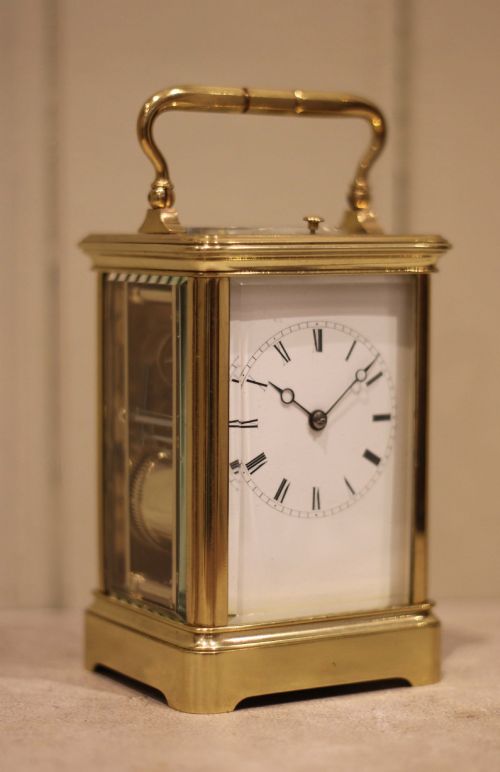
Makers integrated specialised mechanisms such as folding legs, removable components, and secure locking systems to ensure stability during use and compactness during packing. Glass and enamel appear in the dials of associated travel clocks, set within cast or engraved metal cases.
Some nineteenth-century trunks still carry faint traces of steamship labels and railway stickers from forgotten transcontinental voyages.
Distinctions in quality
Quality rests in the precision of the joinery and the integrity of the original hardware, distinguishing utilitarian containers from bespoke pieces commissioned for elite travellers. Superior examples retain their original locking mechanisms, keys, and integrated fittings without modern replacements.
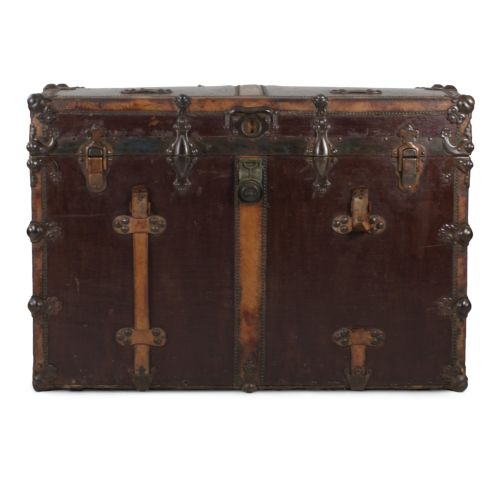
The refinement of the surface decoration, such as hand-engraved brass cases on clocks or finely stitched leather on trunks, separates standard production items from masterworks. Preservation of original gilding, enamelling, and maker signatures elevates the standing of an individual piece.
Gillows·Mappin and Webb·Antoine Redier·J Batson and Son·Latshea and Sons·Jane Brownett Alexander Jones·Louis Vuitton
The Antique Travel Table Glossary
- Campaign furniture
- Portable furnishings designed to dismantle or fold for military campaigns and long journeys. These items utilise recessed handles and screw-in legs to prevent loss and damage during transit.
- Carriage clock
- A small, spring-driven clock designed for travel during the eighteenth and nineteenth centuries. They typically feature brass and glass cases with carrying handles on top.
- Gilt brass
- Metal treated with a thin layer of gold application to simulate solid gold and prevent tarnishing. This finish appears frequently on nineteenth-century clock cases and hardware.
- Guilloche enamel
- A decorative technique where enamel is applied over a mechanically engraved metal surface. It creates repeating geometric patterns visible beneath a translucent colour.
- Repeating clock
- A timekeeping device that chimes the hours and quarters upon pressing a button or pendant. This mechanism allowed travellers to tell time in the dark.
Antique Travel Table: Frequently Asked Questions
What defines an antique travel table?
An antique travel table is a portable furnishing designed to fold, dismantle, or pack compactly for journeys. These pieces served officers, nobility, and explorers who required functional surfaces away from permanent residences.
Today, buyers seek them for their clever engineering, space-saving forms, and historical associations with past mobility.
How were travel trunks used historically?
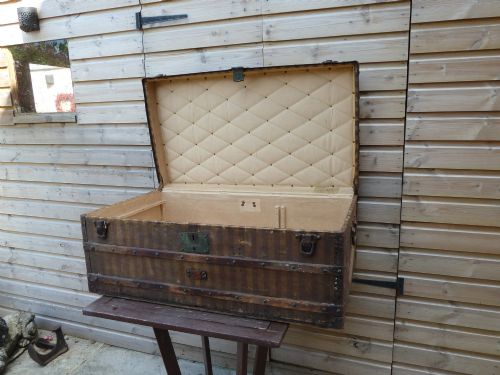
Travel trunks transported clothing, documents, and personal belongings across land and sea before the era of lightweight modern luggage. They required sturdy wood, leather, and metal reinforcement to survive rough handling by coachmen and steamship crews.
In modern interiors, owners repurpose these trunks as coffee tables, blanket chests, and statement storage units.
Why do carriage clocks belong to travel items?
Carriage clocks were originally built for officers and travellers on the move, housing delicate mechanisms inside robust brass and glass frames. Their sturdy construction protected the movement from the bumps and vibrations of horse-drawn carriages and early railways.
Collectors place them on mantelpieces and desks, where their winding keys and striking mechanisms remain fully operational.