

Antique Transferware Pottery
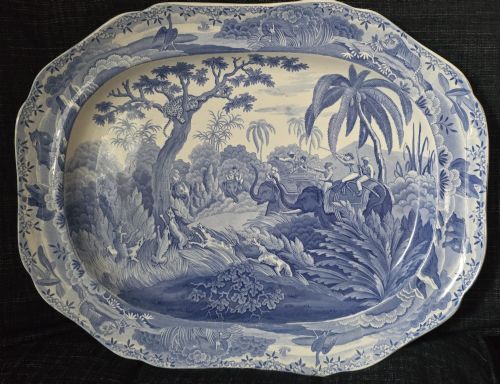
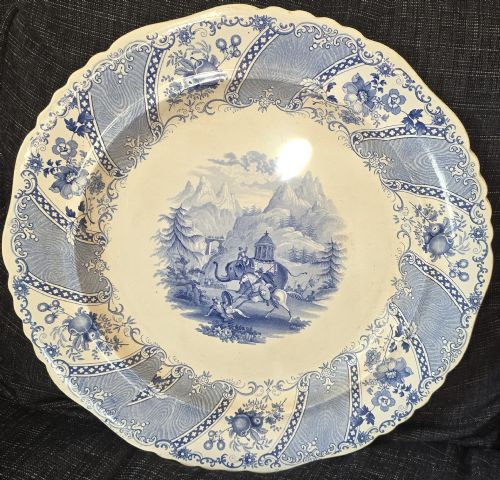
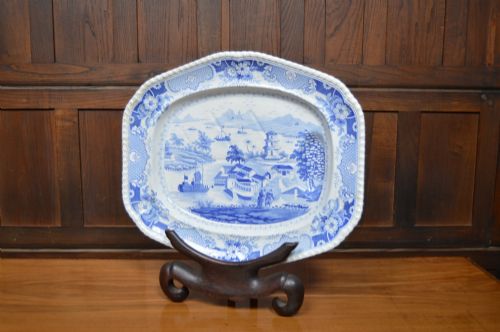
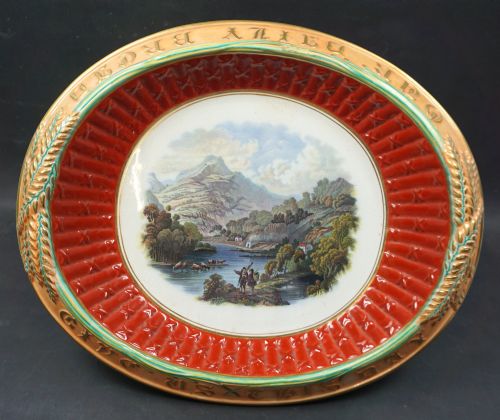
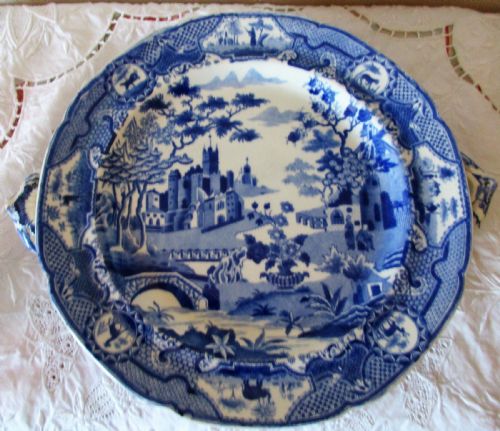
Antique transferware pottery brings domestic tables alive with copper-engraved prints applied to ceramic bodies in rich blues, pink splash lustres and polychrome enamels.
Antique Transferware Pottery
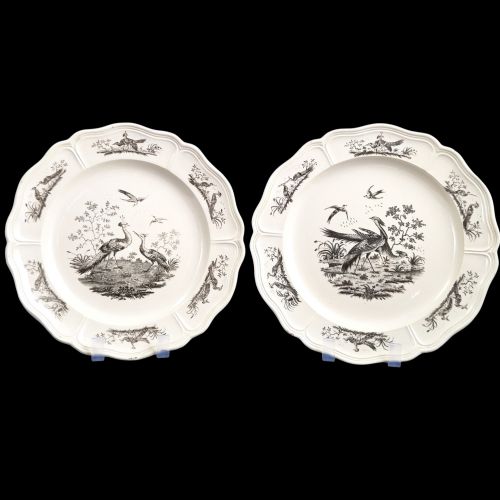
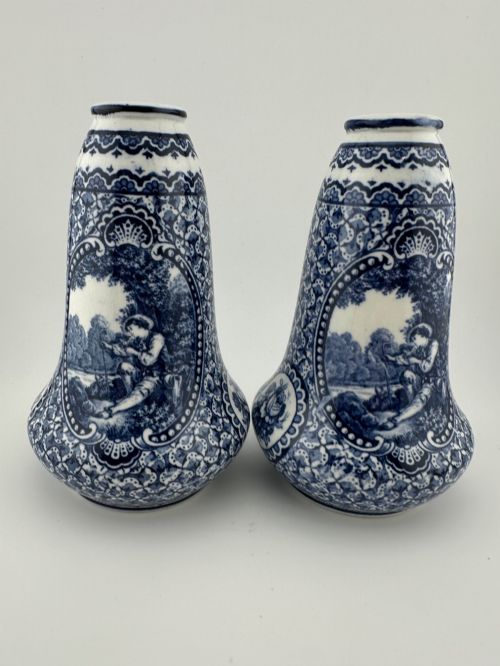
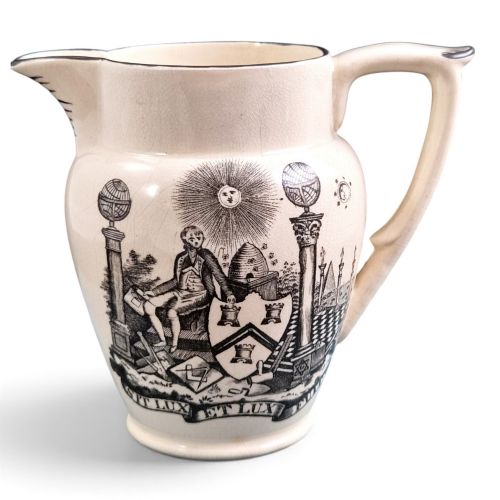
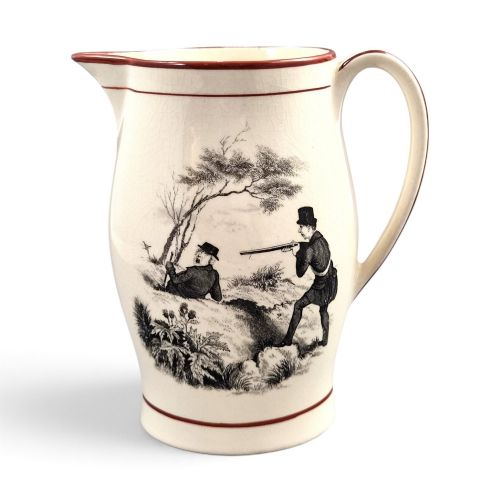
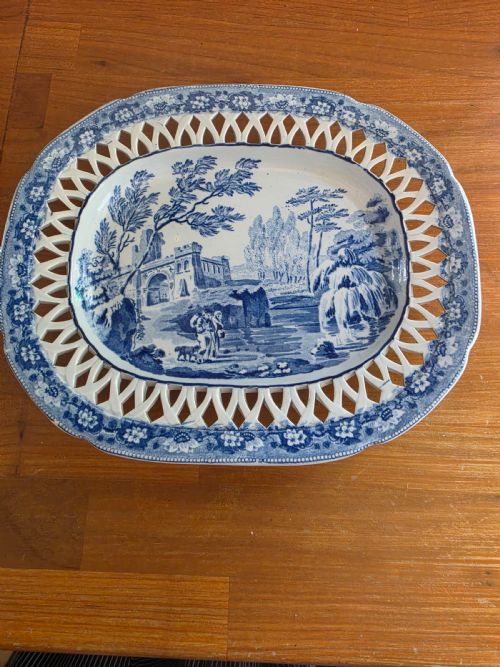
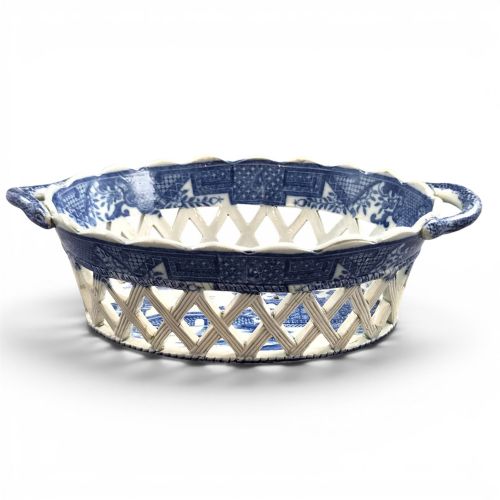
When you search for antique transferware pottery, you encounter British earthenwares and stonewares decorated by transferring an inked engraved design from paper onto a fired clay body. The forms range widely across the domestic interior, taking shape as serving platters, soup tureens, jugs, pitchers and decorative plates.
You are most likely to meet pieces from the Georgian and Victorian periods, with blue and white landscape scenes, botanical motifs and commemorative subjects forming the core of what is available. These items were produced by major English potteries for everyday dining and display, surviving in forms designed for both utility and ornamentation.
How they were made
Potters formed bodies from creamware, pearlware and standard earthenware before applying a printed paper sheet pulled from an engraved copper plate. The porous biscuit ceramic absorbed the metallic oxide pigment, which was then sealed beneath a clear lead or ceramic glaze during a second kiln firing.
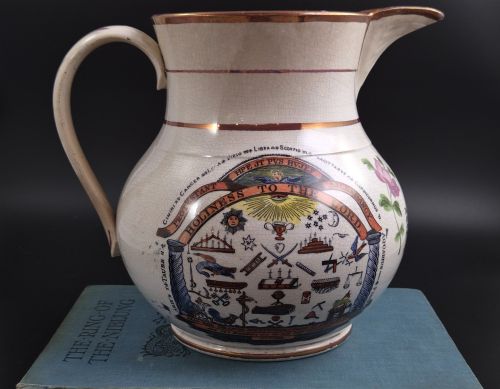
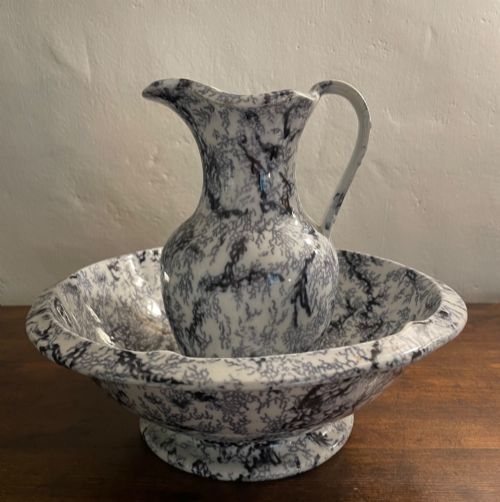
Additional colour was sometimes brushed by hand over the glaze using enamels, or enhanced with gilt accents and pink lustre washes derived from gold chloride. Specialised techniques like flow blue allowed the cobalt oxide to bleed deliberately into the surrounding glaze during firing, creating a soft, hazy outline.
What varies in quality
The crispness of the copper-plate engraving dictates visual clarity, separating sharp, finely detailed impressions from blurred or smudged transfers. Quality also rests in the potting itself, where well-balanced thrown or moulded forms display even wall thickness and careful handle attachment.
The richness and stability of the glaze finish define the tactile appeal, distinguishing smooth, unblemished surfaces from those marred by kiln pitting, firing cracks or uneven pooling.
Davenport·Spode·Robert Hamilton·John Rogers and Son·James Wallace and Company·J and R Clews·J and R Riley·Stubbs·Mintons·Copeland·Doulton Burslem
The Antique Transferware Pottery Glossary
- Transfer printing
- A decoration technique where an engraved copper plate prints an image onto tissue paper, which is then pressed onto unfired or biscuit pottery to leave the design.
- Pearlware
- A refined earthenware developed by Josiah Wedgwood around 1779, featuring a bluish-white glaze that pooled in recesses to mask the underlying cream-coloured clay.
- Flow blue
- A Staffordshire style from the Victorian era where volatile cobalt oxide vapours were introduced into the kiln to deliberately blur the edges of the blue transfer print.
- Lustreware
- Earthenware decorated with a metallic film that produces a reflective, iridescent sheen, often seen in pink splash variations on nineteenth-century jugs.
- Creamware
- A fine, light-coloured refined earthenware perfected during the eighteenth century with a warm yellowish lead glaze.
- Biscuit
- Unglazed ceramic body that has undergone its initial firing in the kiln before colour and glaze are applied.
Antique Transferware Pottery: Frequently Asked Questions
Can I use these plates for dining?
While these items were originally created for domestic use, historic transferware often contains lead in the glazes and can be fragile after centuries of wear. Modern food safety standards mean these pieces are best reserved for display or light service rather than heavy daily dining.
Acidic foods like citrus or vinegar should especially be kept away from antique glazes. Enjoy them for their visual heritage on the table during special occasions rather than regular meals.
What is pink splash lustre?
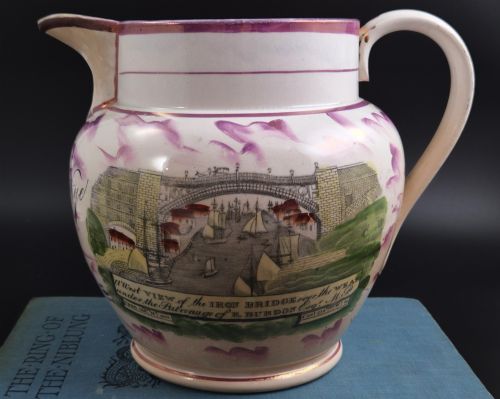
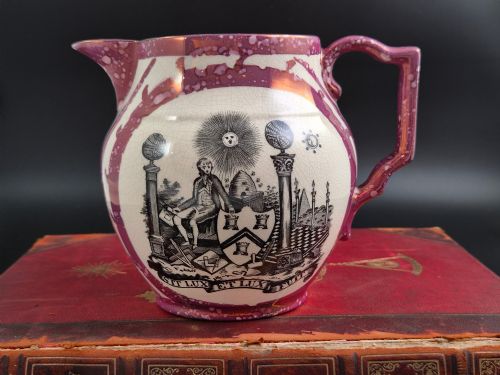
Pink splash lustre is a decorative metallic finish created by flicking or sponging a gold-based solution onto the ceramic surface before firing. This produces an iridescent, mottled pink effect that catches the light brilliantly, often seen on nineteenth-century Staffordshire jugs.
Potters frequently combined this technique with transfer-printed local landmarks or Masonic emblems. It gives the pottery a distinctive, shimmering border that distinguishes standard blue and white wares.
How do I spot a reproduction?
Examine the transfer print under magnification to check for the solid lines of copperplate engraving rather than modern dot-matrix or offset lithographic printing patterns. Genuine nineteenth-century pieces will show appropriate wear to the foot rim and weight consistent with historic earthenware bodies.
Modern copies often feel unnaturally heavy or feature bright, glossy glazes that lack the subtle crazing and soft patination accumulated over generations. Trust the weight, handle feel and printing method to guide your assessment.