

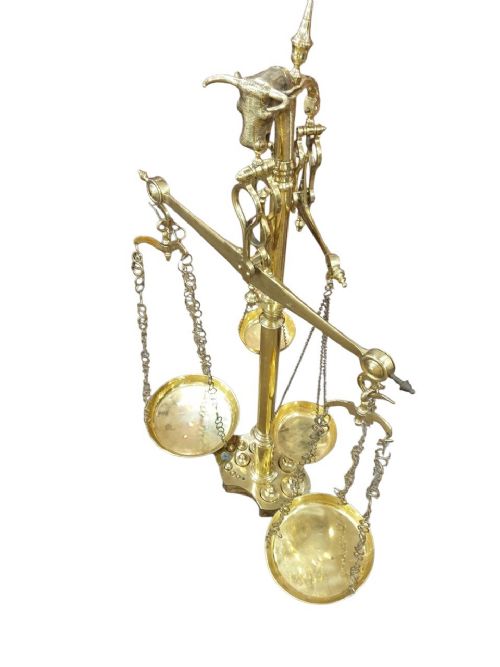


Antique Trade Counter
An antique trade counter offers solid utility and period character, bringing the functional presence of old shops into modern interiors.
Antique Trade Counter
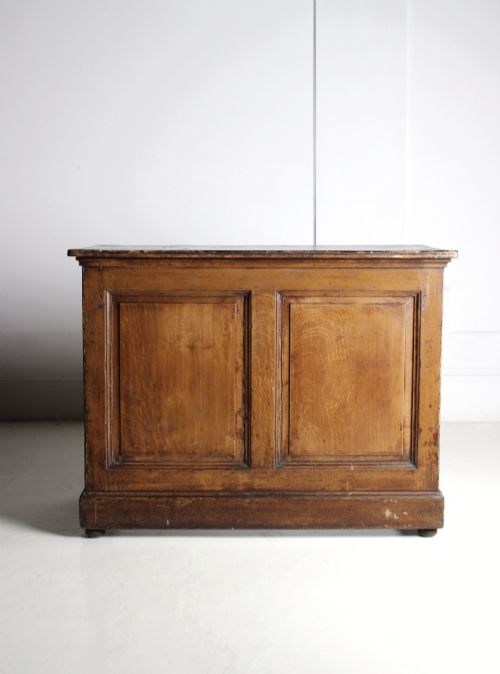
An antique trade counter represents the heavy-duty commercial furniture of past generations, designed to anchor a shop floor with practical storage and display surfaces. When looking for an antique trade counter, buyers encounter robust pieces built from timber such as pine and mahogany, often featuring utilitarian details tailored for daily commerce.
The selections available on this page span the Victorian and Edwardian eras through to the early 20th century. Alongside shop counters, the related commercial furniture and accessories include haberdashery cabinets, advertising display units, and weighing scales.
Surviving examples reflect the specific trades they served, from grocers and drapers to chemists and tobacconists. Buyers are most likely to meet painted pine pieces or substantial mahogany counters fitted with practical adjustments and display glazing.
Materials and construction
Makers constructed these counters and associated commercial pieces using sturdy timbers like pine and mahogany, selected for their ability to withstand heavy daily use. Surfaces often received coats of paint or faux finishes to mimic more expensive woods, while associated commercial hardware incorporated cast iron, brass, and ceramic components.
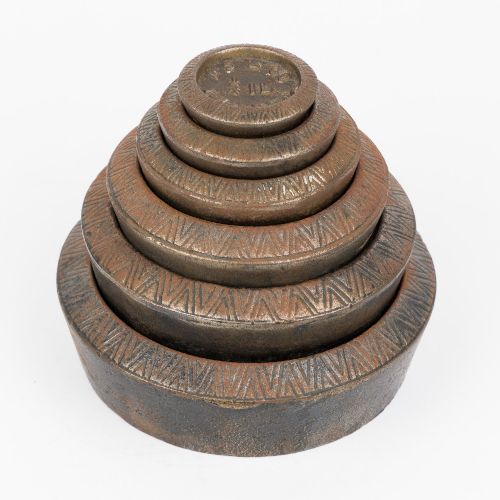
Joinery prioritized structural durability over delicate ornamentation, utilising thick boards and robust framing to support weighing scales, display cases, and customer transactions. Metal elements in brass and cast iron provided the mechanical strength needed for balance scales, weights, and adjustable feet.
Antique Trade Counter Retail Price Guide 2026
Typical asking prices for trade counter among the pieces listed under this phrase on Sellingantiques today, from the lower quarter to the upper quarter. They describe what is for sale here now, not the wider market.
Tobacco advertising figures stand ready to guard your shop floor.
Distinctions in quality
Quality in these commercial pieces rests upon the integrity of the materials and the completeness of the original hardware. Superior examples retain their original timber surfaces, functional drawers, and maker markings rather than relying on later replacements.
The distinction between standard utility items and finer commercial furnishings is visible in the choice of hardwoods like mahogany over secondary woods, as well as the sophistication of integrated display glazing and fitted interiors.
Herbert & Sons London·W & T Avery·Fairbanks·De Grave·Bartlett & Sons
The Antique Trade Counter Glossary
- Haberdashery cabinet
- A specialised store display fixture featuring multiple small drawers or glass fronts designed for organising small sewing goods and textiles. These units were essential for retail merchants in the Victorian and Edwardian periods.
- Balance scales
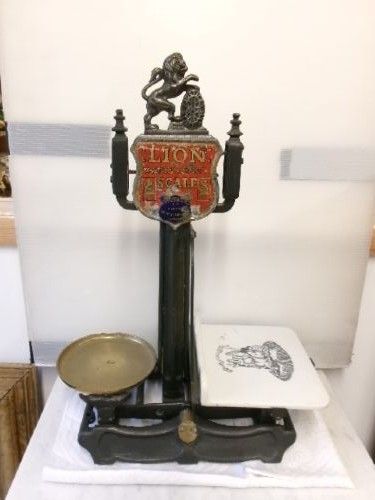
- A mechanical weighing device utilising two pans suspended from a central beam to determine mass against standard weights. They formed a central fixture on nineteenth-century shop counters.
- Avoirdupois
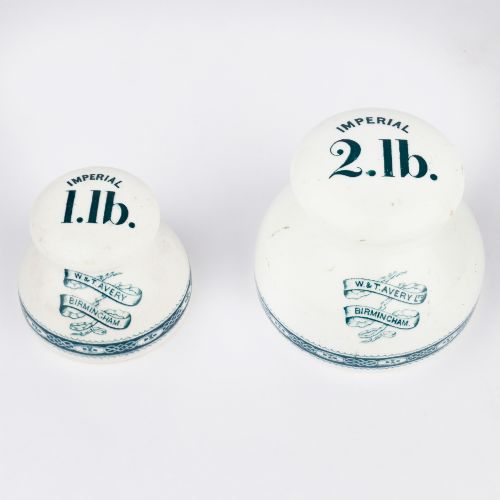
- The traditional system of weights and measures utilised for general goods and commerce in Britain. Sets of these weights accompanied trade counters and grocers' scales.
- Kitchenalia
- Domestic and commercial culinary implements, containers, and utilitarian objects from past eras. This category encompasses ceramic scale pans and utilitarian storage pieces found in commercial settings.
Antique Trade Counter: Frequently Asked Questions
What is an antique trade counter?
An antique trade counter is a sturdy piece of commercial furniture built for nineteenth and early twentieth-century shops. These counters served as the main workspace for merchants conducting retail transactions.
They combine generous display surfaces with practical storage solutions. Today, buyers use them as kitchen islands or statement furniture in residential spaces.
How do I date a shop counter?
Dating relies on examining the timber species, construction techniques, and hardware used in the frame. Victorian examples often utilise solid mahogany or pine with hand-cut joinery and heavy brass fittings.
Later pieces from the early twentieth century may incorporate simpler commercial finishes or faux wood paint effects. Examining any maker stamps or associated commercial equipment helps narrow down the period.
Where were trade counters used?
Merchants utilised these counters across a wide variety of retail establishments, including grocers, drapers, haberdashers, and apothecaries. Each trade required specific modifications, such as integrated scale platforms or specialised display compartments.
Their robust construction was engineered to support heavy daily wear from customers and merchants alike. This industrial heritage makes them resilient additions to contemporary interiors.
How do I care for a painted pine counter?
Painted pine surfaces require gentle cleaning with a soft, dry cloth to remove dust without harming the historic finish. Avoid harsh chemical cleaners or excess moisture, which can damage aged paint and underlying timber.
Applying a traditional wax polish helps protect bare wood sections and maintain the character of the surface. Regular maintenance preserves both the structural integrity and the visual patina.