






Antique Trade Advertising Sign
An antique trade advertising sign brings the bold lettering and physical forms of past commerce directly into modern rooms.
Antique Trade Advertising Sign
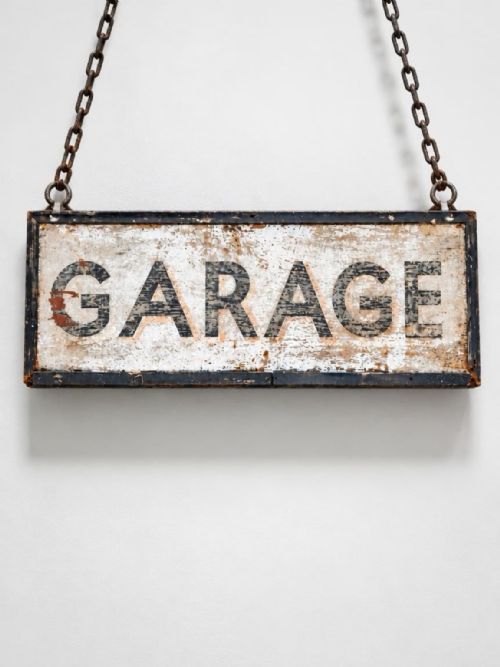
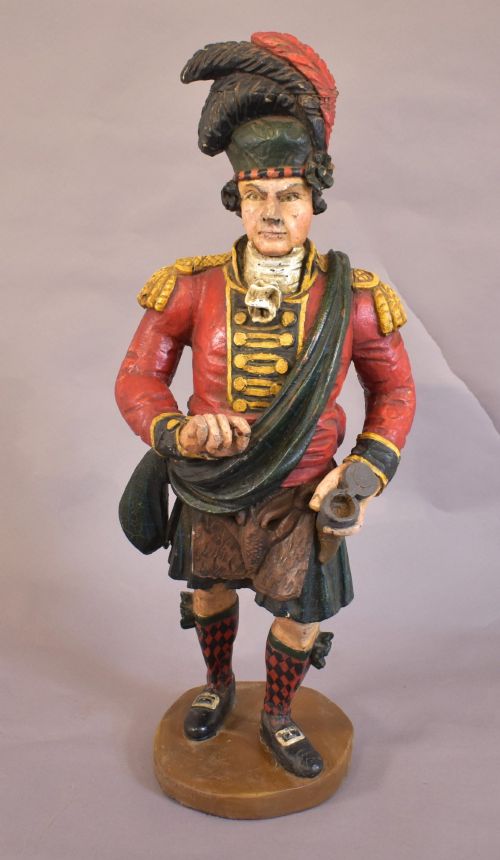
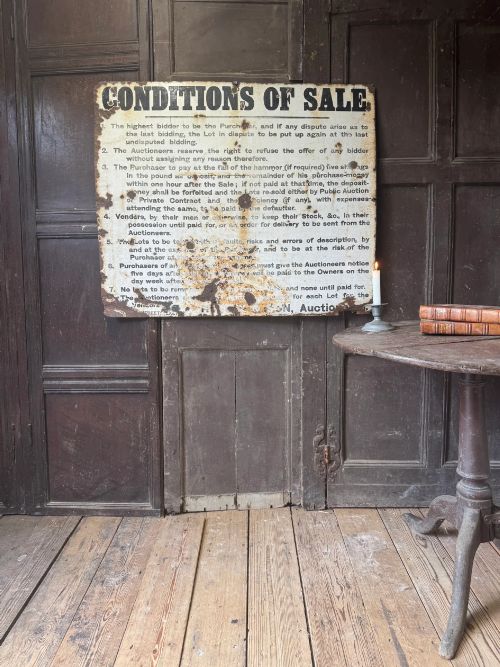
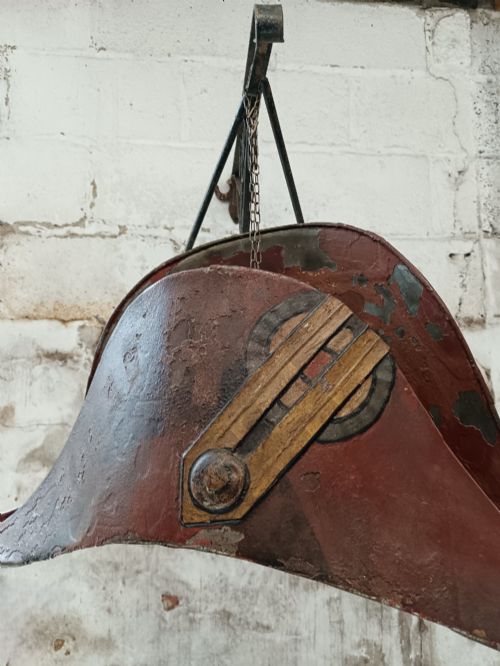
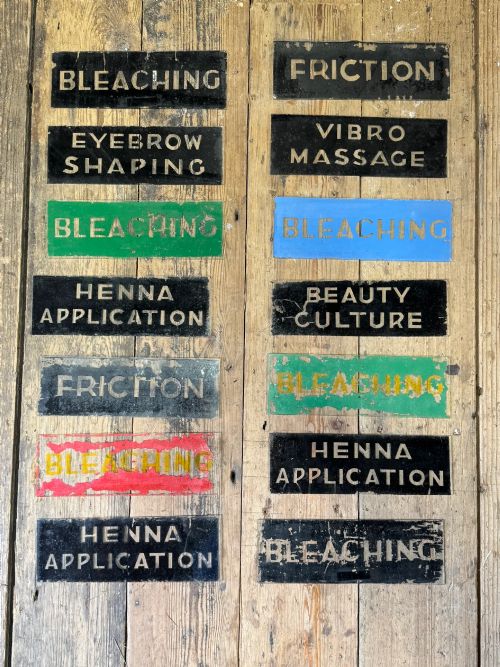
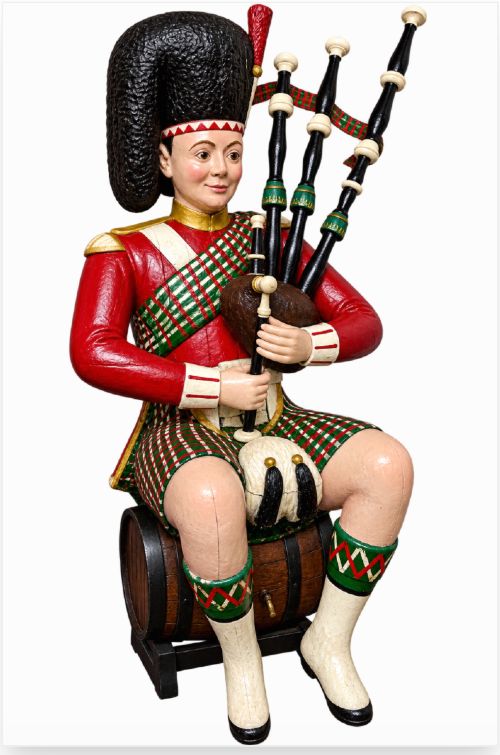
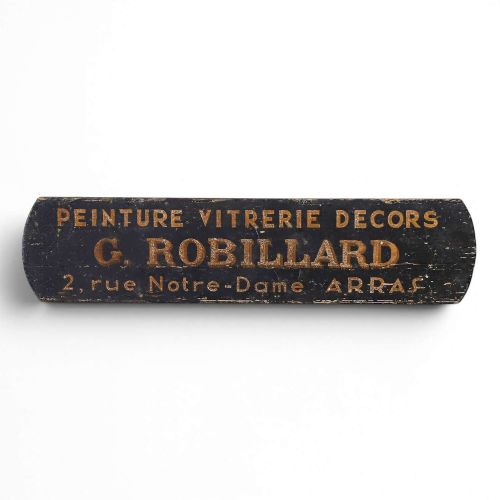
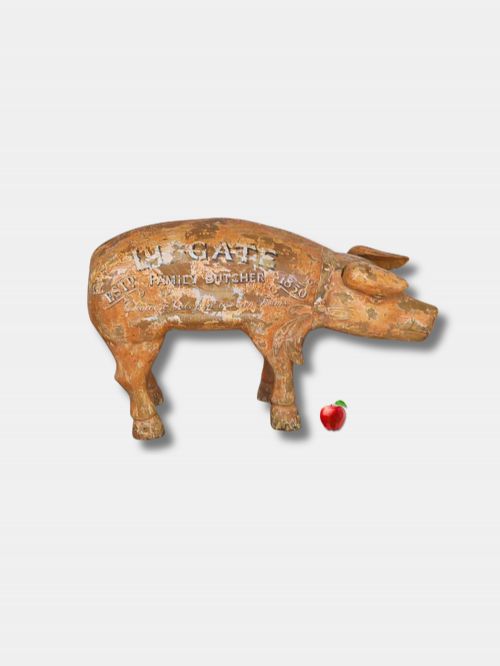
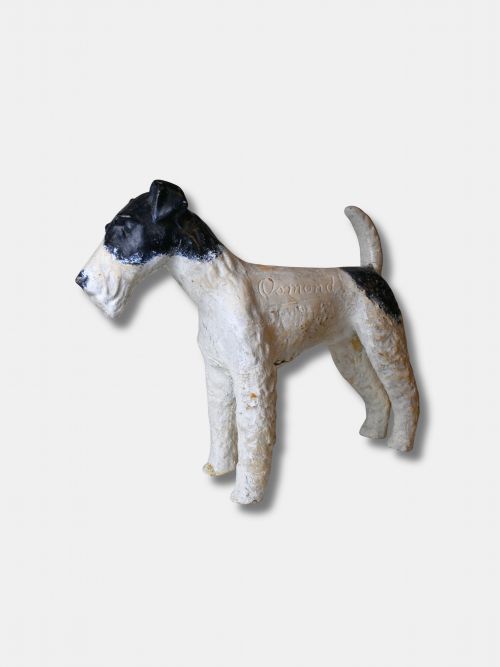
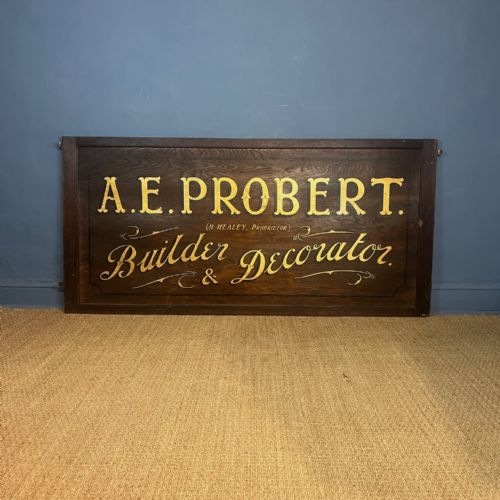
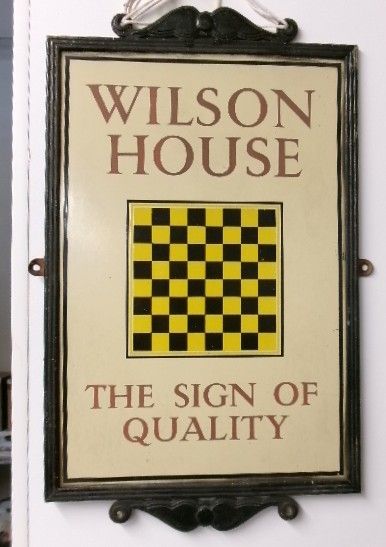
An antique trade advertising sign includes flat painted boards, hanging metal markers, and carved shop figures designed to catch the eye of the Victorian or Edwardian street passerby. Buyers search for these pieces to anchor a room with genuine commercial history, finding everything from timber butcher boards to reverse-painted glass panels.
The options span across the nineteenth and early twentieth centuries, incorporating industrial ironwork, folk art carvings, and early twentieth-century enamel panels. Most examples originate from British, French, or American shopfronts, offering direct evidence of trades from butchers and bakers to locksmiths and opticians.
Materials and construction
Artisans employed traditional carpentry, metalbeating, and signwriting techniques, often combining carved composition figures with painted advertising displays. The resulting structures relied on robust brackets and hanging loops built to withstand wind and weather outside urban shops.
Antique Trade Advertising Sign Retail Price Guide 2026
Typical asking prices for trade advertising sign among the pieces listed under this phrase on Sellingantiques today, from the lower quarter to the upper quarter. They describe what is for sale here now, not the wider market.
Periods represented span from the eighteenth century through the Victorian, Edwardian, and Art Deco eras.
Judging the range
Quality rests in the originality of the surface paint and the crispness of the hand-lettered typography, where untouched weathered patinas command attention over later repainting. Sculptural display models succeed through anatomical precision and charm, especially when retaining their original polychrome pigments rather than modern touch-ups.
The integrity of the mounting hardware and the survival of fragile glass or delicate wooden limbs separate standard utility pieces from masterworks of folk art and commercial design. Provenance and legible trade attribution deepen the historical weight of any surviving sign.
Smiths of London·Josef Herzog
The Antique Trade Advertising Sign Glossary
- Toleware
- Lacquered or enamelled sheet metal items produced for domestic and commercial use. This technique created durable trade signs that resisted rust on busy Victorian streets.
- Reverse-painted glass
- A method where letters and designs are painted on the back of a glass panel so they appear correctly from the front. This protects the pigment from weathering and creates a deep glossy finish.
- Gold leaf
- Extremely thin sheets of beaten gold applied to wooden or metal lettering to catch the light. It provided a gleaming contrast against dark background paint.
- Shop display model
- A large oversized sculptural object, such as a pocket watch or loaf of bread, used to advertise a specific trade. These items communicated services instantly to an illiterate public.
Antique Trade Advertising Sign: Frequently Asked Questions
How do I hang a heavy metal sign?
Heavy iron and painted metal pieces require wall anchors fixed directly into structural masonry or solid timber studs. Ensure the supporting bracket matches the weight of the hanging mechanism.
Position the sign at eye level where the lettering remains easy to read. Keep the piece away from damp exterior walls to protect the underlying metal and paint layers.
Can I clean old painted wooden signs?
Dust the surface gently with a dry, soft microfiber cloth to remove loose debris. Avoid harsh chemical cleaners, commercial solvents, or abrasive scrubbing.
Moisture can lift brittle nineteenth-century paint from wood or sheet metal. If deeper cleaning is necessary, consult a professional conservator to preserve the original finish.
How do I tell Victorian signs from later ones?
Victorian examples frequently rely on hand-carved wood, cast iron, and signwritten timber boards with organic weathering. Typography tends toward serif lettering executed by hand.
Twentieth-century pieces introduce enamel plates, mass-produced metal stampings, and reverse-painted glass panels with art deco styling. Look closely at the substrate and fasteners to determine the period.
Where were trade figures displayed?
Trademarks and trade figures stood outside shop doors on the pavement or hung from iron brackets above the entrance. Their purpose was to attract passing foot traffic before modern electric lighting existed.
Interior displays sat on counters or hung behind glass windows to advertise specific wares like tobacco or confectionery. They served as physical landmarks within busy Victorian and Edwardian commercial districts.