



Antique Tortoiseshell Case
An antique tortoiseshell case holds the small treasures of past centuries, combining natural organic warmth with precious metal mounts.
Antique Tortoiseshell Case
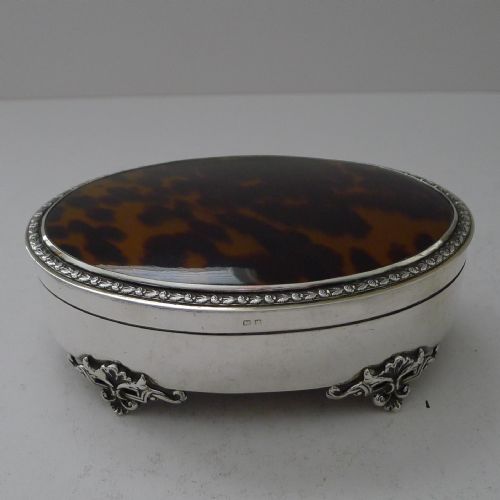
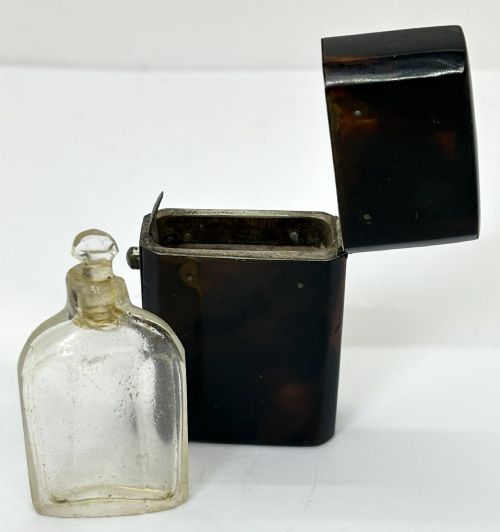
An antique tortoiseshell case encompasses a wide variety of personal accessories and small storage pieces produced across the eighteenth, nineteenth, and early twentieth centuries. These objects range from pocket items such as card cases, aide-memoires, snuff boxes, and scent bottle holders to larger vanity boxes, sewing boxes, and display cabinets.
The selection on this page draws from multiple periods, including the Georgian, Regency, Victorian, and Edwardian eras, alongside French Napoleon III designs. Buyers will encounter both diminutive pocket containers and substantial furniture pieces housing collections or serving as decorative vitrines.
How they were made
Craftsmen built these pieces by applying thin plates of tortoiseshell over a rigid foundation, often utilising ebonised wood or metal carcasses to provide structural support. The organic material required careful heating and pressure to shape around intricate forms, particularly for curved card cases and small boxes.
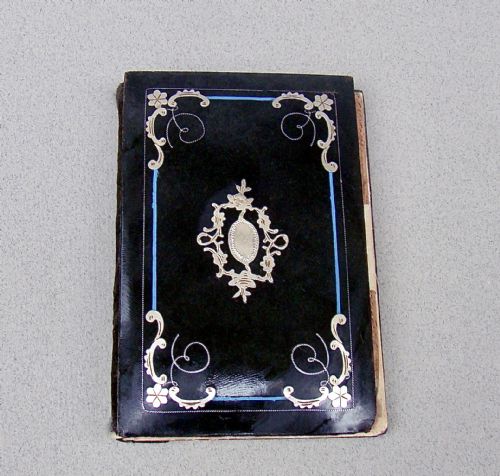
Decoration relied heavily on silver, gold, brass, and mother of pearl inlay, often executed in elaborate pique work or floral scroll motifs. Mounts in sterling silver, ormolu, and glass completed the pieces, securing hinges, clasps, and glazed panels on the cabinets.
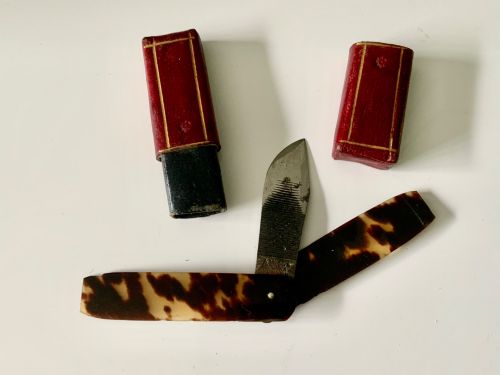
A nineteenth-century medical antique appears here too, proving that even blood-letting fleams and vaccinating lancets deserved a handsome tortoiseshell home.
What varies in quality
Quality in an antique tortoiseshell case depends largely on the precision of the metal inlay and the condition of the translucent shell. Fine examples display meticulous silver or gold pique work without missing pins or lifting plates, whereas lesser items show gaps and clumsy repairs.
The complexity of the form and the integration of secondary materials such as mother of pearl and sterling silver distinguish standard boxes from exceptional commissions. Interior fittings, original silk linings, and hallmarked silver mounts further separate mass-produced items from high-grade workshop pieces.
The Antique Tortoiseshell Case Glossary
- Pique work
- A method of ornamentation where tiny pins, strips, or dots of gold or silver are pressed into heated tortoiseshell to form patterns. This technique appears frequently on nineteenth-century card cases and purse accessories.
- Boulle
- A style of marquetry using brass and tortoiseshell together, named after the cabinetmaker André-Charles Boulle. Pieces incorporating this method include nineteenth-century French pier cabinets and display vitrines.
- Aide-memoire
- A small pocket notebook or memorandum case fitted with ivory leaves and a pencil. These portable items often feature silver-inlaid tortoiseshell covers.
- Etui
- A small ornamental case used to hold needles, tweezers, bodkins, and other small implements. Georgian examples frequently pair tortoiseshell bodies with silver mounts and fitted tool sets.
Antique Tortoiseshell Case: Frequently Asked Questions
How do I clean an antique tortoiseshell case?
Maintenance requires only a soft, dry cloth to remove dust from the surface. Water and harsh chemical cleaners damage both the organic shell and the metal inlay.
Keeping the object away from direct sunlight prevents the shell from drying out and warping over time. A light application of microcrystalline wax can help maintain the lustre of the material.
What is the difference between real and faux tortoiseshell?
Genuine tortoiseshell derives from the carapace of certain marine turtles, displaying natural mottling, depth, and warmth under light. Faux versions typically utilise celluloid, horn, or painted substitutes produced in later periods.
Examining the weight, texture, and internal structure under magnification usually reveals the distinction between organic shell and synthetic alternatives.
Were these cases used daily?
Many items served as functional personal accessories for carrying calling cards, coins, cigarettes, or sewing implements. Pocket pieces accompanied owners during social calls and travels.
Larger items like jewellery boxes and vitrines remained in domestic interiors to protect and display treasured possessions.
How can I tell a French case from an English one?
French pieces often display elaborate brass and tortoiseshell boule work or fine gold pique, particularly from the Napoleon III era. English examples tend to feature sterling silver inlay with distinct assay office hallmarks.
Construction methods and hinge styles also offer clues to the workshop origin and regional preferences of the period.