





Antique Torchere Table
An antique torchere table is an elevated stand designed to hold a light source or plant, prized for its slender silhouette.
Antique Torchere Table
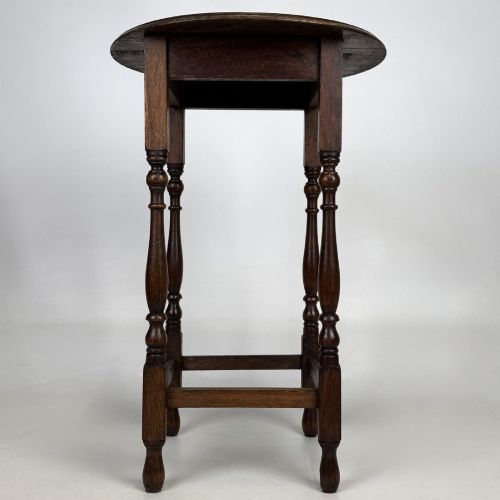
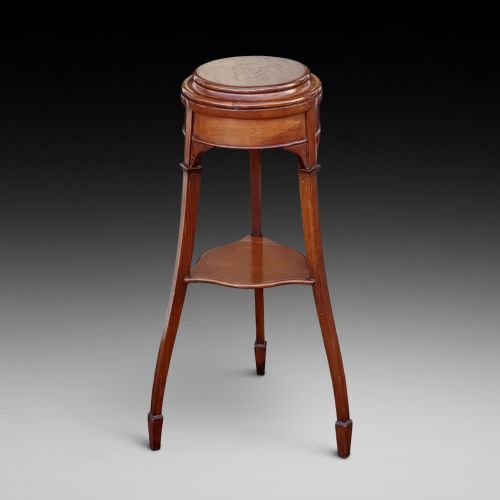
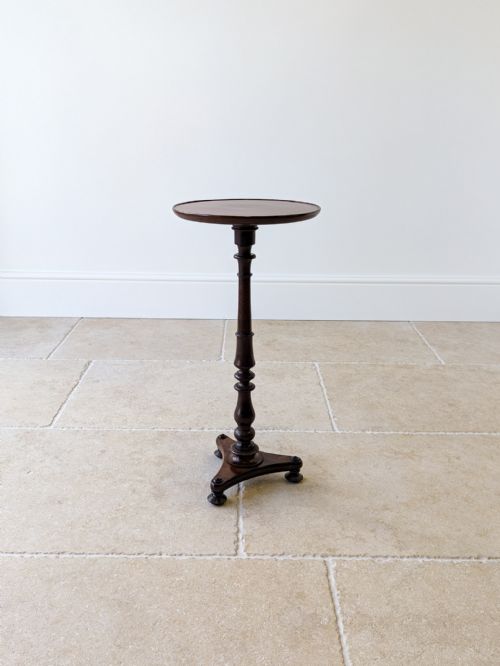
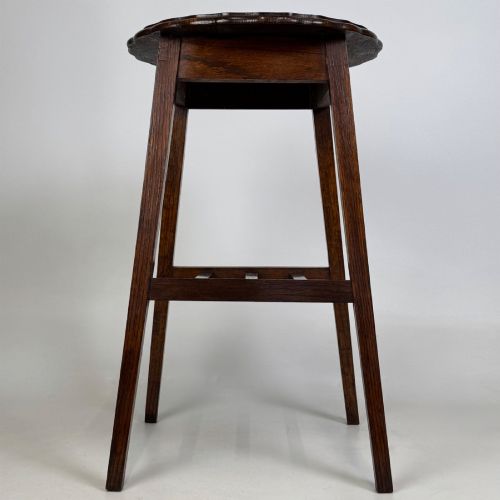
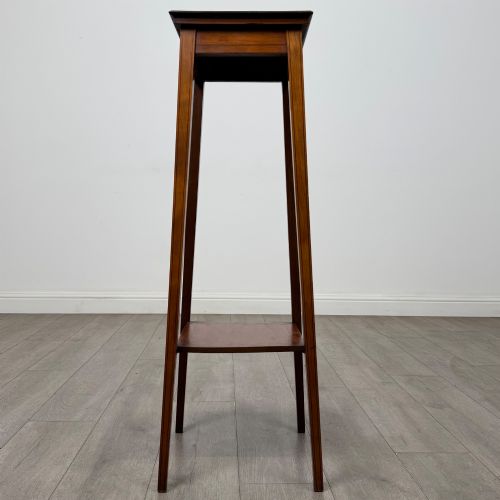
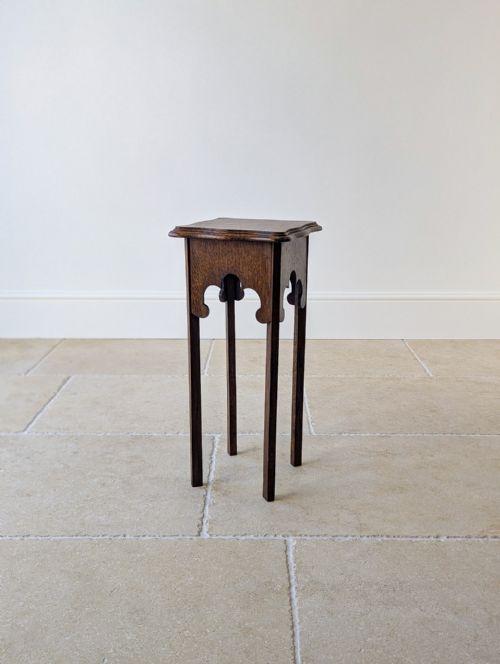
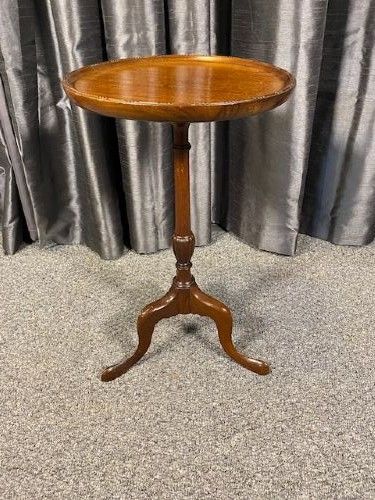
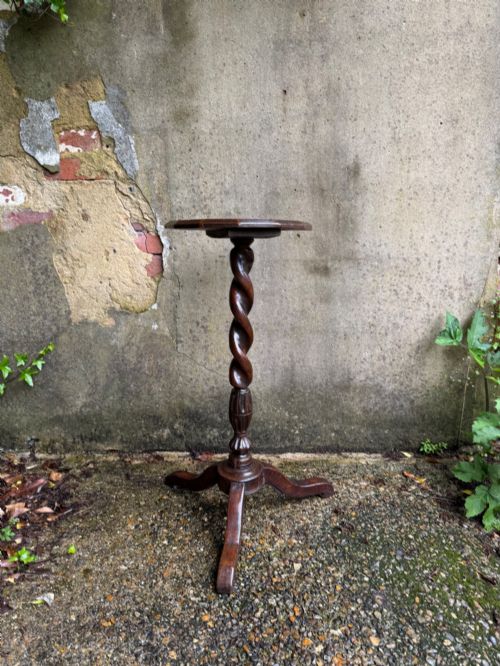
When you examine an antique torchere table, you find tall, slender furniture created to display candles, lamps, or potted plants in principal rooms. These pieces function as elevated surfaces that bring light or greenery to eye level without occupying much floor space. You meet forms spanning candle stands, plant stands, and pedestals across this selection.
The material vocabulary relies heavily on timbers such as mahogany, oak, walnut, and satinwood, occasionally joined by bronze, marble, and gold leaf. Makers constructed these stands in styles ranging from Georgian and Regency to Victorian and Edwardian. The surviving examples demonstrate how functional domestic items merged with decorative sculpture.
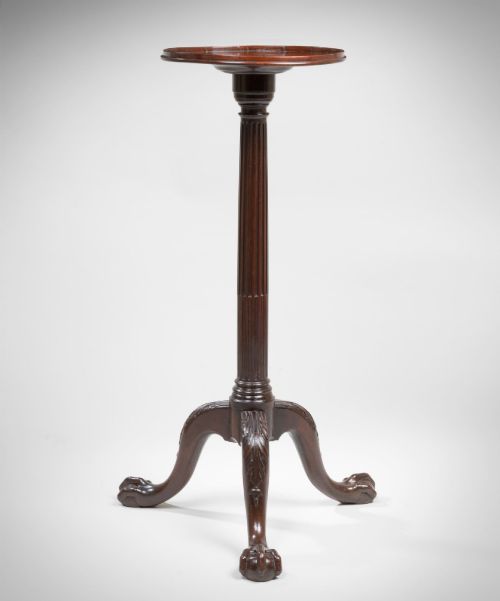
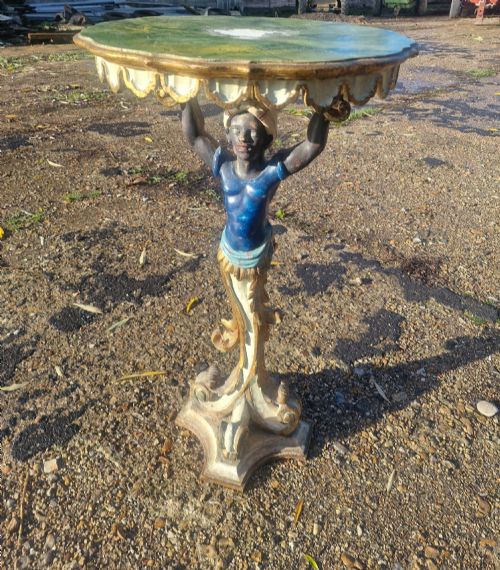
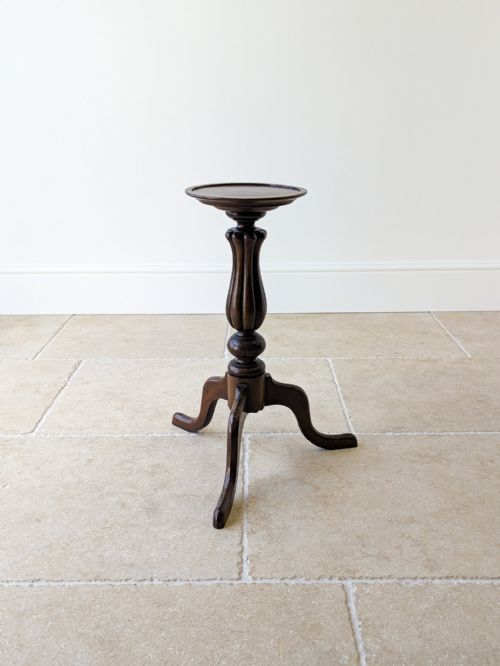
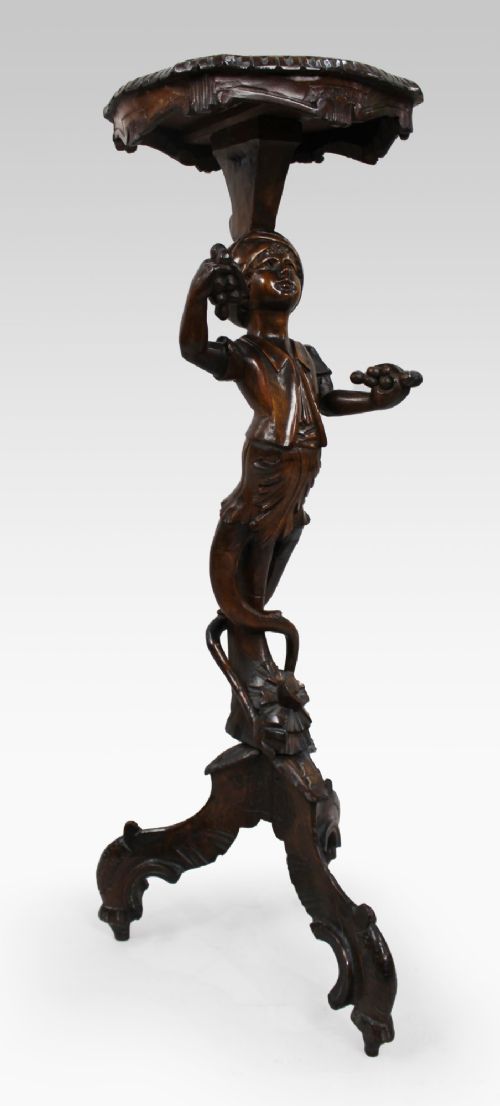
The typical composition involves a small top supported by a central pillar on a tripod base, or sometimes a figural support. These tables appear in French Empire, Venetian Baroque, and Arts and Crafts interpretations alongside standard English domestic designs. Buyers choose them to punctuate corners or dark hallways with vertical interest.
What varies in quality
The standard of carving determines much of the distinction between ordinary pieces and superior examples. Sharp, deep relief work executed by a skilled hand separates finer stands from softer, mechanical production. The choice of timber also dictates quality, with figured mahogany, burr oak, and select walnut commanding greater regard.
Structural integrity matters significantly in tall, narrow furniture where a heavy top can strain the central joint. Superior pieces maintain absolute vertical alignment without tilt, supported by balanced tripod feet that distribute weight evenly. The integration of fine inlays, marble inserts, or bronze mounts further elevates the standing of the piece.
Antique Torchere Table Retail Price Guide 2026
Typical asking prices for torchere table among the pieces listed under this phrase on Sellingantiques today, from the lower quarter to the upper quarter. They describe what is for sale here now, not the wider market.
Several stands double as mythological figures, including mermaids and cherubs holding aloft lamps to light the room.
Shoolbred·Emile Picault·Jean-Jules Cambos
The Antique Torchere Table Glossary
- Torchere
- A tall stand designed to support a candle or lamp. This form originated in the seventeenth century for illumination before evolving into decorative plant and display stands.
- Tripod base
- A three-legged support structure commonly found beneath candle stands and pedestals. This design provides stable footing on uneven floors.
- Marquetry
- Decorative veneer work arranged in pictorial patterns on the surface of furniture. Craftsmen used contrasting woods to create floral or geometric designs.
- Ormolu
- Gilt-bronze mounts applied to furniture, particularly popular in French nineteenth-century pieces. It adds metallic contrast to wooden structures.
- Jardiniere
- A decorative pot or stand for holding plants and flowers. These often appear combined with pedestals or table bases.
- Blackamoor
- A historic decorative art term describing carved figural stands holding lights or trays. These figures reflect period taste and craftsmanship.
Antique Torchere Table: Frequently Asked Questions
What is an antique torchere table used for?
These tall stands served historically to elevate candles or oil lamps to illuminate dark corners of reception rooms. Today, they function equally well as plant stands, pedestals for sculpture, or compact lamp tables.
Placing them in corners or beside seating areas adds vertical dimension to a room layout without consuming significant floor space.
How do I distinguish a torchere from a normal side table?
Torchere stands are characterised by their unusually tall and slender proportions combined with a relatively small top surface. They prioritise height and decorative presence over large surface area.
Standard side tables are built lower and wider to accommodate books, tea services, or writing materials within easy reach of a chair.
Where should I place a torchere table at home?
They suit vacant corners, narrow hallways, or empty wall spaces that require a vertical accent. Placing a trailing plant or a decorative lamp on top creates an effective focal point.
Because they have narrow bases, positioning them away from heavy household traffic prevents accidental tipping.
How do I identify the period of a torchere table?
Examining the timber, carving style, and construction methods reveals the period of manufacture. Georgian examples often feature crisp mahogany carving and tripod legs, while Edwardian pieces may display satinwood inlay.
Hardware, finishing techniques, and design motifs like ormolu mounts or Arts and Crafts simplicity offer further clues to the date.