




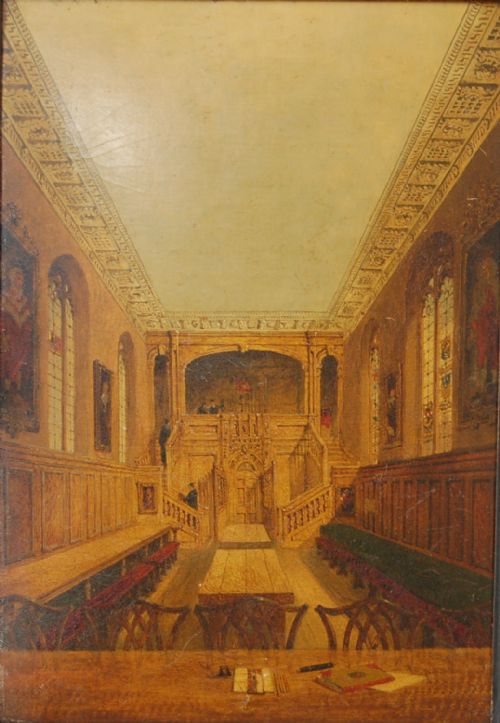

Antique Topographical Artwork
Antique topographical artwork captures specific locations, cities, and landmarks through watercolours, oils, and prints, offering a visual record of landscapes and buildings from past centuries.
Antique Topographical Artwork
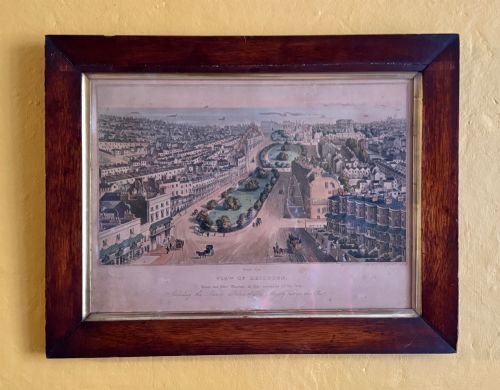
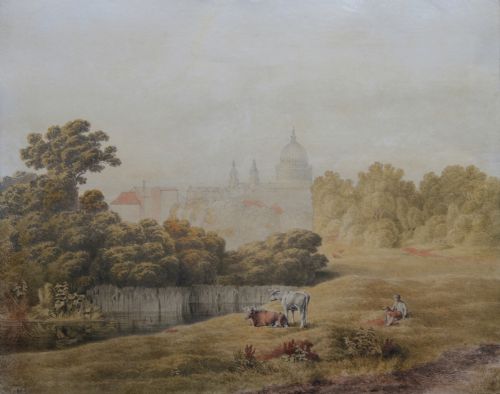
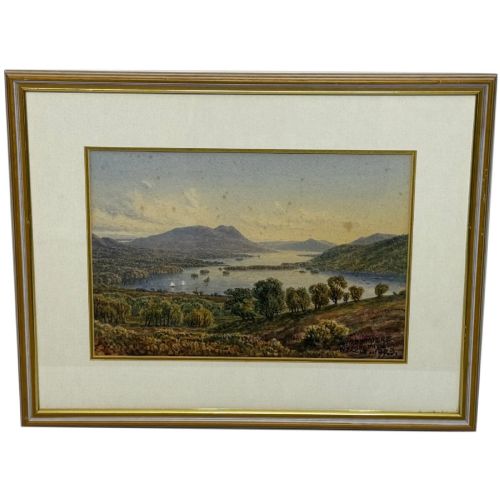
Antique topographical artwork comprises paintings, drawings, and prints that depict identifiable real-world locations, buildings, and landscapes. These pieces serve as historical visual records, mapping out towns, rivers, and architecture as artists observed them in previous centuries.
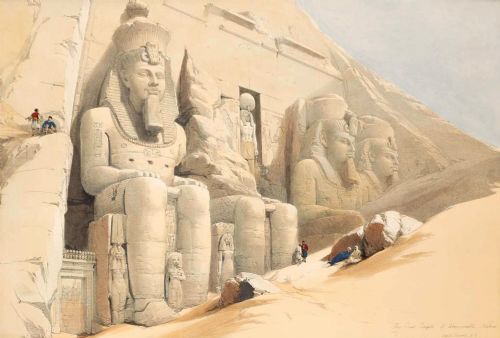
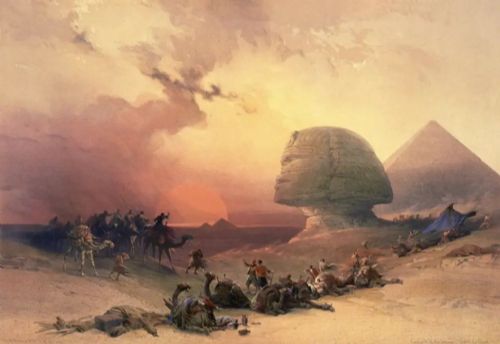
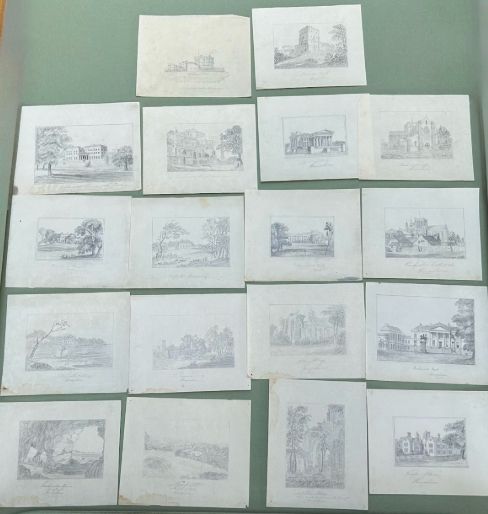
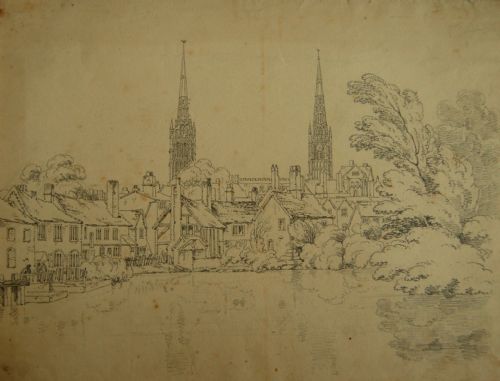
The selection ranges from early pencil sketches and monochrome ink drawings to detailed watercolours and large oil paintings on canvas and board. Cityscapes, castles, bridges, and regional landmarks dominate the available subjects, stretching from British views to Middle Eastern scenes.
Buyers will most frequently encounter nineteenth-century watercolours and framed prints on paper alongside occasional oil paintings. Works span Georgian, Regency, Victorian, and Edwardian periods, capturing both local English scenery and international views.
Materials and methods of production
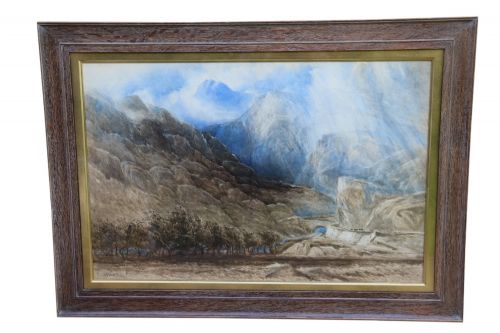
Artists utilised paper and board as the primary surfaces for works on paper, applying watercolour pigments, ink, and pencil washes. Oil paintings on canvas and wood panels provide denser colour and texture for larger landscape and cityscape compositions.
Printmakers employed etching and drypoint techniques, frequently adding hand-colouring to monochrome impressions. Finished pieces were typically mounted behind glass in wood and gilt frames to protect the delicate paper or paint layers.
Antique Topographical Artwork Retail Price Guide 2026
Typical asking prices for topographical artwork among the pieces listed under this phrase on Sellingantiques today, from the lower quarter to the upper quarter. They describe what is for sale here now, not the wider market.
Current listings feature topographical artworks spanning the Georgian, Regency, Victorian, and Edwardian periods, executed in watercolour, oil, ink, and etching.
Distinctions in quality and execution
The skill of the draughtsman or painter dictates the fidelity of perspective, architectural accuracy, and spatial depth within the scene. Master works capture light and atmosphere with fluid brushwork or precise etching lines, whereas naïve examples display simpler, less refined proportions.
The preservation of the medium heavily influences the desirability of works on paper, where strong pigment retention and minimal fading maintain the visual impact of the original watercolour or ink composition.
David Roberts·Thomas Cooper Moore·Joseph Farrington RA·Edgar J. Maybery·Claude Muncaster
The Antique Topographical Artwork Glossary
- Etching
- A printmaking technique where lines are incised into a metal plate with acid before being inked and pressed onto paper. This method allows for fine, intricate architectural details.
- Drypoint
- A printmaking process where an image is scratched directly onto a metal plate using a sharp needle. It produces velvety lines due to the burr raised on the metal.
- Naïve art
- Artwork produced by self-taught individuals working outside academic traditions. These pieces often feature charming disregard for strict perspective.
Antique Topographical Artwork: Frequently Asked Questions
What is topographical artwork?
Topographical artwork consists of paintings, drawings, and prints that accurately record specific buildings, towns, rivers, and landscapes. These pieces function as historical depictions of real places rather than purely imaginary scenes.
Artists aimed to document the physical environment, making these works valuable historical archives as well as decorative items.
How were these artworks created?
Creators used various mediums including watercolour pigments, ink washes, and graphite pencils on paper, alongside oil paints on canvas or wood boards. Printmakers also produced etchings and drypoint plates, often applying hand-colouring afterwards.
Many surviving examples remain preserved within their original frames and glass housings.
How do I date a topographical piece?
Dating relies on stylistic clues, artists' active years, costume details of any figures present, and the architectural state of depicted landmarks. Paper types and framing methods also offer contextual clues to the period of creation.
Inscribed dates and signatures by known artists provide the most direct confirmation of age.
Where should I hang these artworks?
These works suit studies, living rooms, and hallways where their detailed local history can be viewed closely. Because watercolours and prints are sensitive to strong sunlight, positioning them away from direct rays preserves the pigments.
Pairing pieces from similar regions or periods creates a cohesive display.