






Antique Tool Block
These antique tool block examples are utilitarian workshop pieces that bring sculptural form and authentic character into a modern interior.
Antique Tool Block
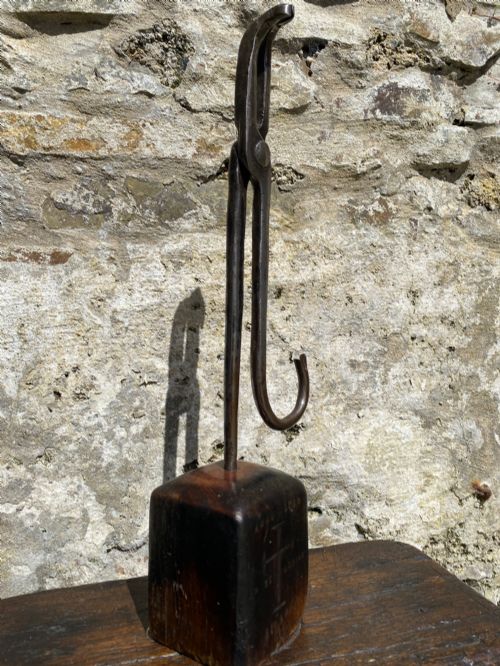
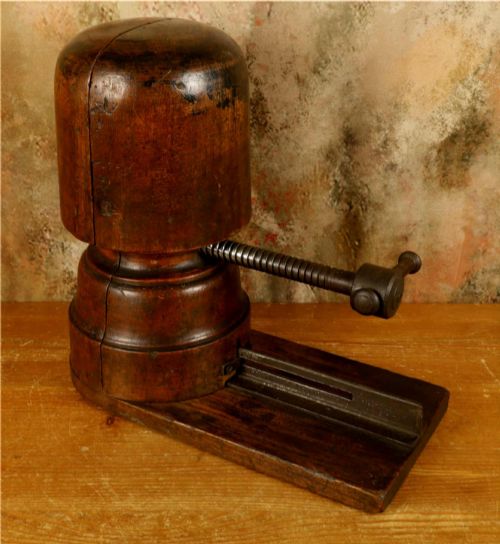
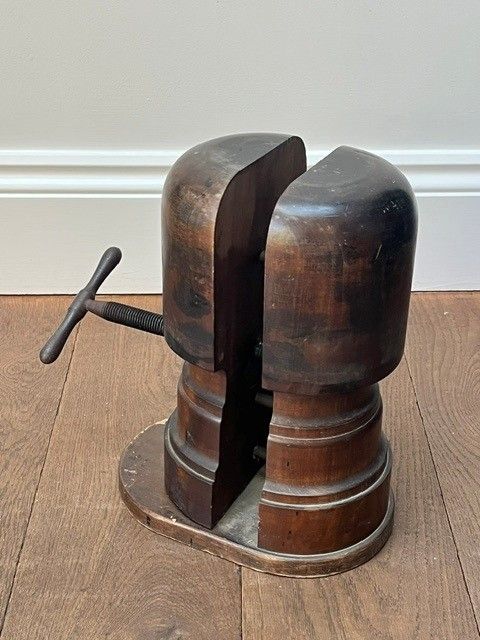
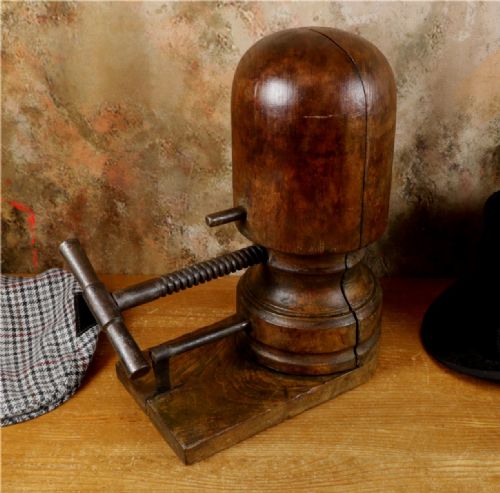
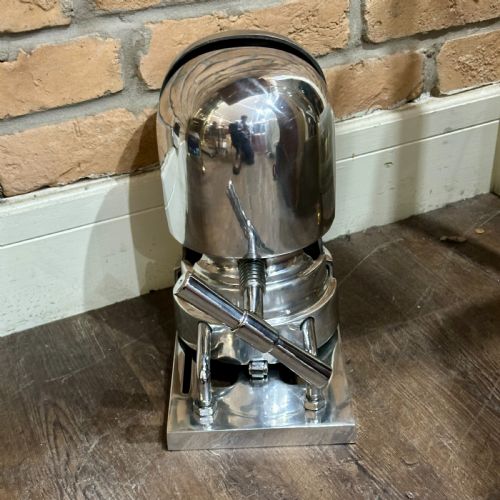
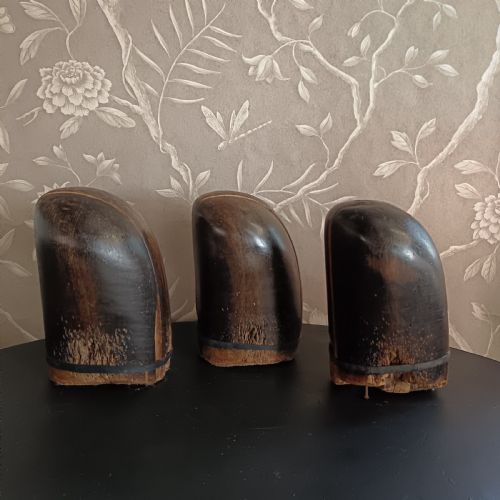
When you search for an antique tool block, you are looking at functional workshop apparatus originating from hatters, blacksmiths, and traditional trades. The pieces you are most likely to meet on this page include wooden hat stretchers, milliner moulds, and metal anvils spanning the nineteenth century through the nineteen-thirties.
The selection encompasses diverse utilitarian forms such as French fruit wood hat blocks, aluminium millinery moulds, and oak and walnut hat forms. Alongside these hatters' implements, the inventory records blacksmith cast iron anvils and sets of Japanese calligraphic ink blocks.
Originating across the nineteenth century, the Victorian era, and into the nineteen-twenties and thirties, these objects served demanding practical roles in trade workshops. Today, collectors and interior decorators utilise them as sculptural display objects and striking decorative elements.
How they were made
Construction relies heavily on traditional timber working and metal casting techniques suited to heavy workshop use. Wood pieces utilise dense hardwoods such as oak, walnut, and fruit wood, shaped to withstand the pressure of stretching and forming hats.
Metal items employ durable cast iron and aluminium, poured into moulds to create sturdy blacksmith anvils and hollow millinery block forms. These materials were chosen strictly for longevity and resilience in daily trade applications.
Antique Tool Block Retail Price Guide 2026
Typical asking prices for tool block among the pieces listed under this phrase on Sellingantiques today, from the lower quarter to the upper quarter. They describe what is for sale here now, not the wider market.
Several hat blocks here were built specifically for military bearskin caps, adding a grand, towering presence to any collection.
What varies in quality
Quality in these utilitarian objects is determined by the crispness of the original shaping and the integrity of the material. Hardwood blocks with rich grain patterns and smooth, patinated surfaces sit at the upper end of the range compared to heavily degraded utility timber.
For metal items, clean casting lines and minimal structural wear distinguish superior examples from heavily battered workshop survivors. The presence of maker marks or specialised mechanical expansion mechanisms on stretchers also elevates a piece.
The Antique Tool Block Glossary
- Milliner's block
- A solid form used for shaping and drying hats during manufacture. These are typically carved from wood or cast in aluminium.
- Hat stretcher
- A mechanical tool designed to expand and adjust the size of hats. They often feature segmented wooden or metal sections operated by a central screw.
- Anvil
- A heavy iron or steel block used by blacksmiths as a surface on which to hammer metal. They provide a solid foundation for shaping forged items.
- Fruit wood
- A dense, fine-grained timber sourced from fruit-bearing trees. It was favoured by artisans for items requiring intricate turning and smooth finishes.
- Haberdashery
- The trade and goods associated with clothing accessories and small sewing items. Equipment from this trade includes specialist moulding and measuring tools.
Antique Tool Block: Frequently Asked Questions
What is an antique tool block?
An antique tool block is a functional workshop implement used in traditional trades such as hat making, blacksmithing, and crafting. These items include wooden hat stretchers, millinery moulds, and metal anvils.
Built entirely for utility rather than display, they now find new life as decorative sculptural objects in contemporary homes.
How were hat blocks used?
Hat blocks and stretchers were utilised by milliners to shape, size, and dry hats during the manufacturing process. Damp felt or straw was pulled tightly over the wooden or aluminium form until it held the desired contour.
Mechanical stretchers were also inserted into finished hats to maintain or slightly increase the inner circumference.
How do I date these pieces?
Dating relies on examining the materials, manufacturing marks, and prevailing styles from periods such as the nineteenth century, Victorian era, or the nineteen-twenties and thirties. Heavier cast aluminium and specific modernist forms usually point toward the early twentieth century.
Earlier pieces typically display hand-turned hardwoods and traditional joinery methods characteristic of nineteenth-century workshops.
Can I use these for display?
These pieces lend themselves exceptionally well to interior display due to their strong sculptural forms and authentic patination. They sit comfortably on shelves, tables, or specialised stands as standalone art objects.
Many collectors also use wooden hat blocks to display vintage hats, wigs, or scarves in domestic settings.