



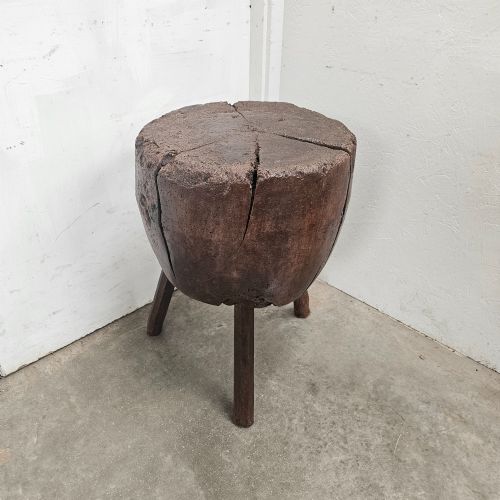
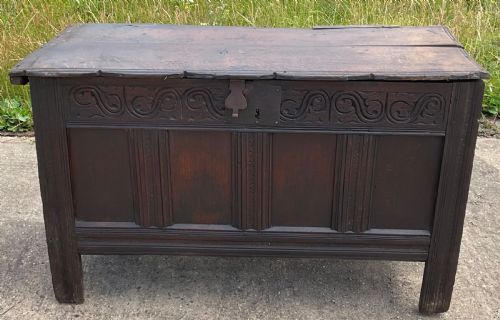
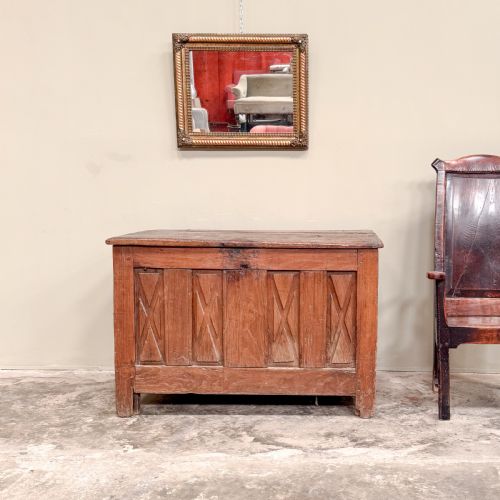
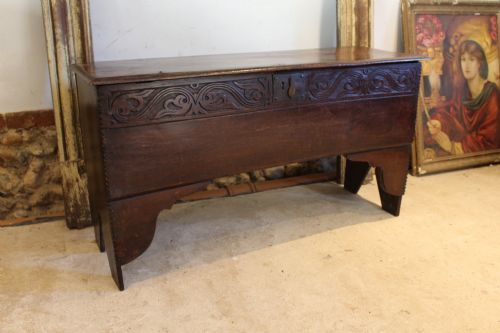
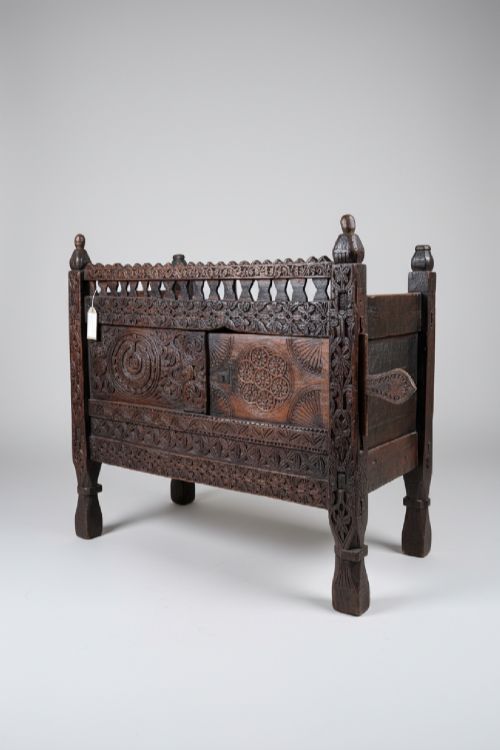
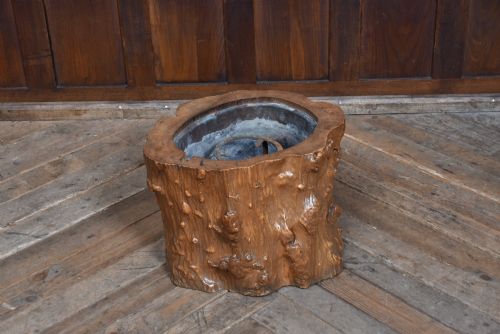
Antique Timber Trunk
An antique timber trunk offers utilitarian storage built from honest woods like oak, pine and camphor, bringing centuries of practical history directly into a modern interior.
Antique Timber Trunk
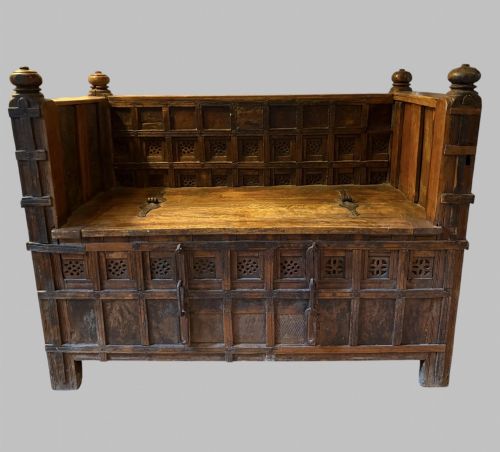
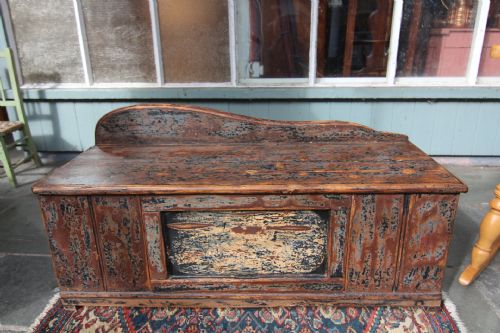
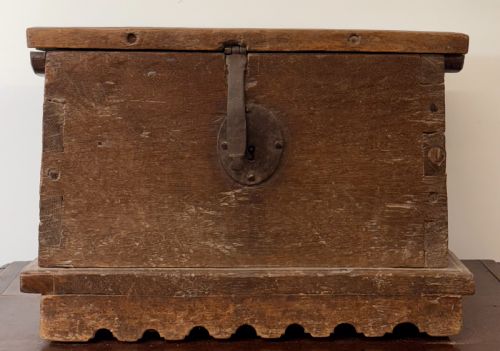
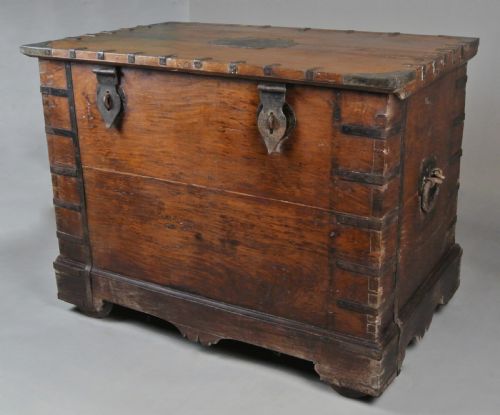
An antique timber trunk encompasses robust storage vessels built across the seventeenth, eighteenth and nineteenth centuries for domestic storage, travel and trade. Buyers searching for an antique timber trunk encounter everything from joined oak coffers and pine blanket boxes to brass-bound camphor wood chests designed for long-distance transit.
Makers utilised locally available timber alongside imported tropical hardwoods to construct receptacles meant to endure heavy daily use. These objects served variously as blanket boxes, military campaign chests, tool repositories and marriage chests before finding favour as decorative furniture.
Materials and construction methods
Joiners and shipwrights built these chests using durable native timbers such as oak, elm and pine alongside dense exotic woods like camphor, teak and padouk. Construction relied heavily on traditional joinery, including six-plank assembly, dovetailing and panelled framing designed to withstand shifting humidity and heavy transport.
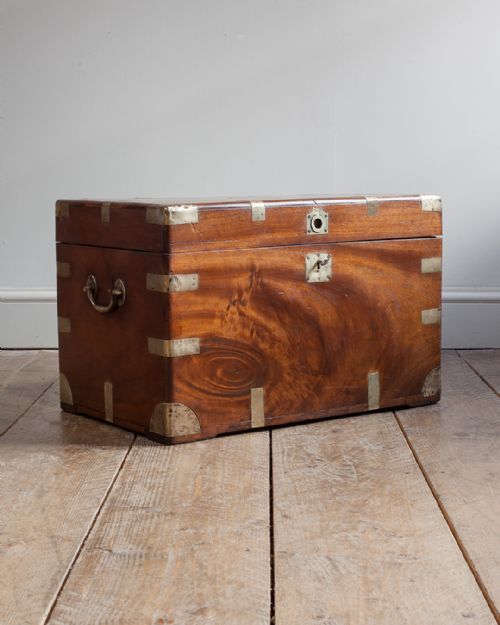
Iron and brass featured prominently as functional reinforcement, providing structural integrity through strap hinges, corner brackets, carrying handles and robust locks. Surface finishes varied from natural waxed grain and dark polish to polychrome painted decoration, black lacquer and ebonised treatments.
Antique Timber Trunk Retail Price Guide 2026
Typical asking prices for timber trunk among the pieces listed under this phrase on Sellingantiques today, from the lower quarter to the upper quarter. They describe what is for sale here now, not the wider market.
The inventory spans multiple centuries, incorporating seventeenth-century joined coffers, Georgian mule chests and Victorian campaign trunks.
Distinctions in craftsmanship and survival
Quality rests in the integrity of the original construction and the preservation of authentic surfaces, hardware and timber patination. Pieces retaining their original iron or brass mounts, working locks and untouched timber display a superior historical character compared to heavily restored examples.
The choice of material also dictates grade, with dense tropical hardwoods like camphor and padouk offering natural insect resistance and fine grain, while regional joined oak and elm demonstrate rigorous early carpentry standards. Finer items show thoughtful proportion, careful dovetailing and considered placement of ironwork.
Brown & Lamont
The Antique Timber Trunk Glossary
- Coffer
- A heavy wooden chest, typically with a flat lid, used historically for storing valuables, documents or textiles. Early examples often feature joined oak or elm construction.
- Mule chest
- A storage chest featuring one or more drawers beneath the main compartment, combining the functions of a coffer and a chest of drawers. These frequently date from the Georgian period.
- Campaign chest
- A portable trunk or chest made in sections with recessed brass handles and corner brackets, designed for easy dismantling and transport by military officers. Camphor wood and mahogany were common materials.
- Six-plank
- A simple form of chest construction utilising six distinct boards joined at the edges and corners, often associated with early vernacular country furniture.
- Dowry chest
- A large storage receptacle commissioned or acquired to hold the household linens and possessions brought by a bride to a marriage. These often display elaborate carving, brass mounting or regional painting.
Antique Timber Trunk: Frequently Asked Questions
What is an antique timber trunk used for?
These robust vessels served primarily to store textiles, garments, military equipment, shipwrights' tools and valuable household goods during travel or domestic life.
Today, they function practically in modern homes as coffee tables, blanket boxes, end-of-bed storage chests and decorative focal points.
How do I care for an antique wooden chest?
Keep wooden trunks away from direct heat sources and dramatic humidity fluctuations to prevent the timber from splitting or warping.
Apply a traditional beeswax polish occasionally to nourish the grain and maintain the natural lustre of the aged surface.
How can I tell the age of a trunk?
Examine the construction methods, tool marks and hardware styles, noting whether joints use hand-cut dovetails, handmade nails or pegged joinery.
Timber choice and wear patterns also offer strong indicators of period, distinguishing seventeenth-century joined oak from nineteenth-century camphor or pine.
Why do some trunks smell strongly of camphor?
Camphor wood was deliberately selected for nineteenth-century campaign and trade chests because its natural aromatic oil repels moths and insects.
This distinct, medicinal fragrance remains embedded in the dense grain of the hardwood and often persists for centuries.