
Antique Timber Storage Drawers
Antique timber storage drawers offer solid utility and enduring grain, spanning robust pine to figured walnut.
Antique Timber Storage Drawers
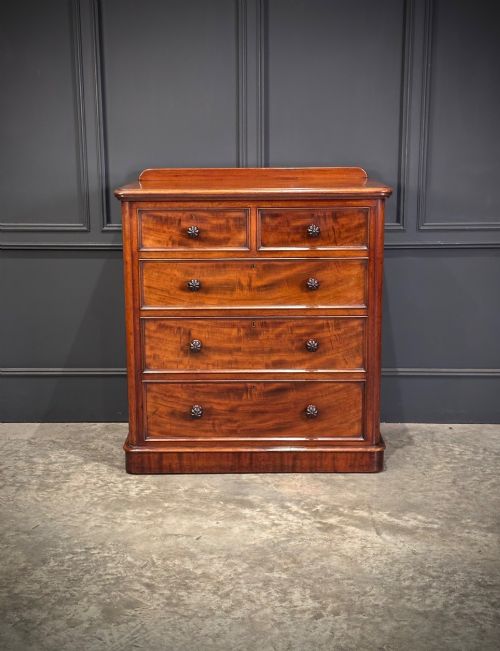
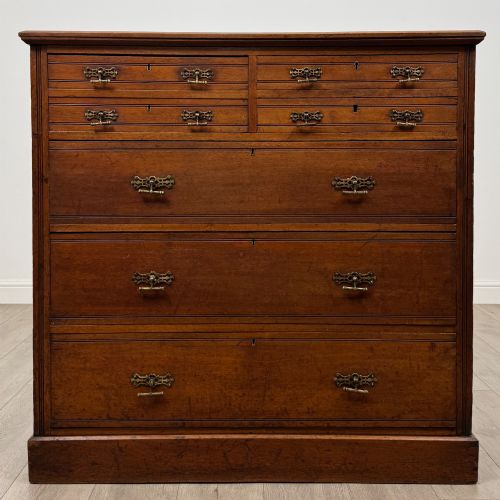
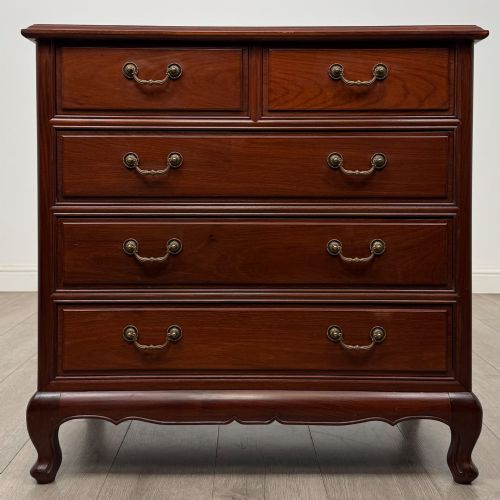
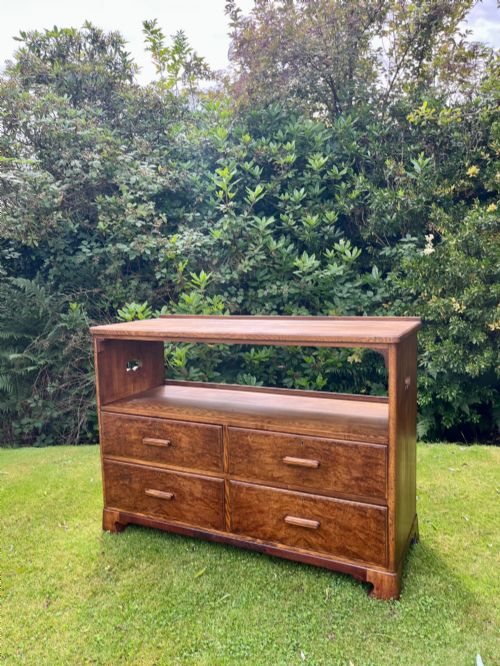
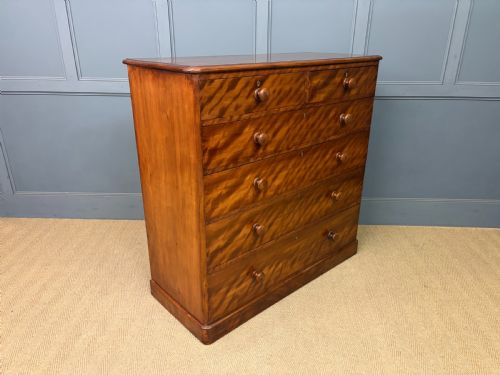
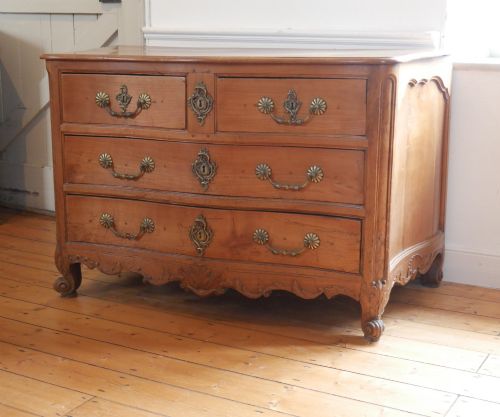
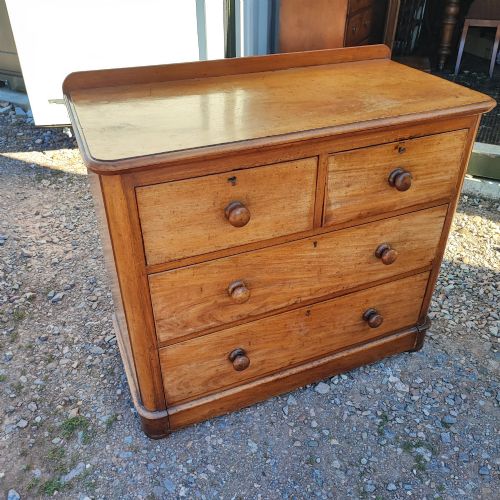
When you search for antique timber storage drawers, you encounter practical furniture designed to hold linens, clothes, and domestic goods. The most common form on this page is the classic chest of drawers, alongside side cabinets, commodes, and apothecary chests.
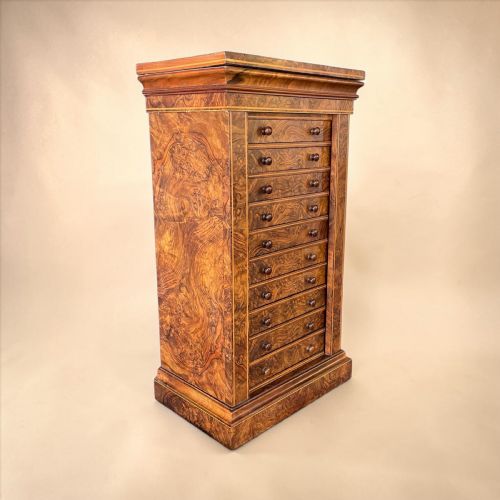
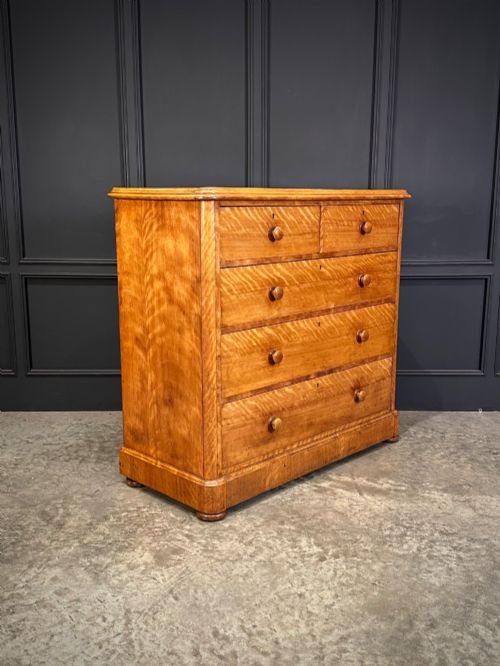
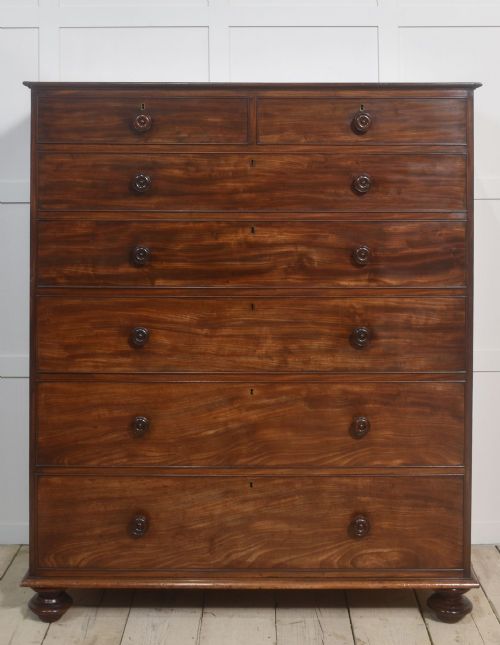
The selection ranges across several centuries, drawing heavily on 19th Century and Victorian examples alongside Georgian, Edwardian, and 18th Century pieces. Forms vary from tall upright Wellington chests to bowfront and bow-fronted layouts, reflecting domestic storage needs across generations.
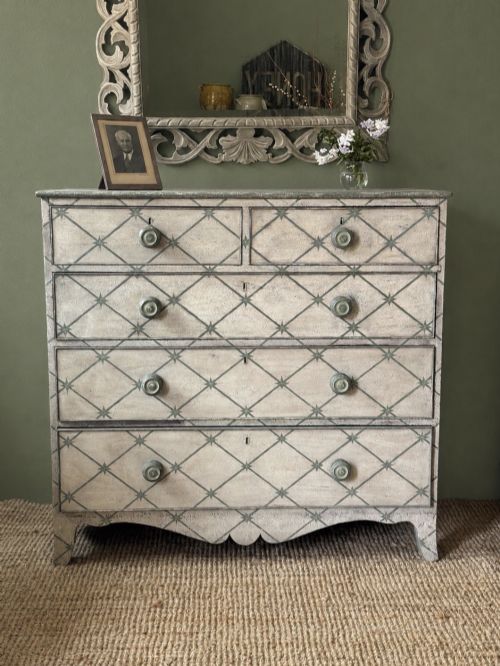
Origins span English, French Provincial, Dutch, and Japanese workshops, demonstrating diverse regional cabinet-making traditions. Woods appear in both natural timber finishes and painted surfaces, including country house scumble and decorative schemes.
How they were made
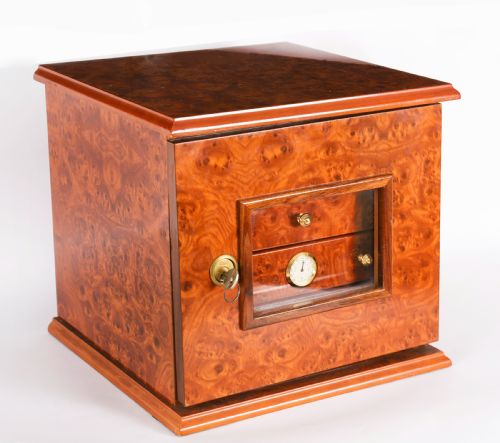
Cabinet-makers built these storage pieces using a variety of hardwoods and softwoods, predominantly mahogany, oak, walnut, pine, elm, ash, satinwood, and cedar. Timber selection dictated the structural integrity and the visual character of the facade, often enhanced by burr figuring or deliberate paint layers.
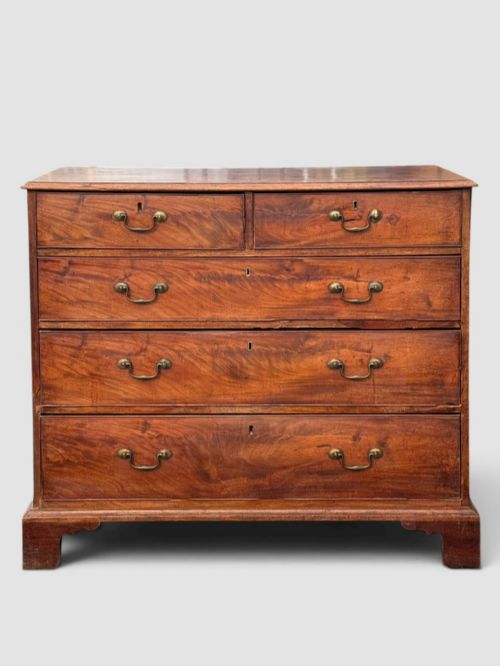
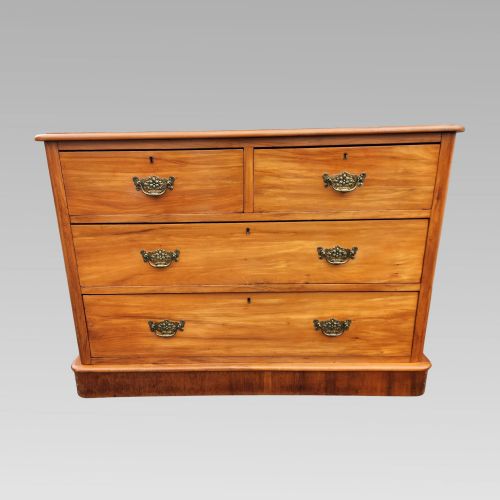
Metal hardware such as brass handles and pulls functioned both as operational grip and decorative accent on drawer fronts. Construction techniques relied on traditional joinery methods suited to the weight of the timber and the stresses of daily drawer movement.
Secret drawers hidden within larger cabinet frames allowed owners to conceal valuables from unexpected visitors.
What varies in quality
The degree of refinement in timber selection separates standard storage pieces from superior examples. Finely figured veneers, such as burr elm or walnut, and carefully matched grain patterns elevate the visual presence of a chest.
Original hardware and untouched surface finishes contribute significantly to a piece's integrity. Replacement handles or stripped timber alter the original character, whereas surviving original paint, scumble, or patinated brass fixtures indicate higher preservation.
Jas Shoolbred·Whytock and Reid·Heal and Son·C Hindley
The Antique Timber Storage Drawers Glossary
- Bowfront
- A curved cabinet front that swells outward in a convex arc. This style appeared frequently on Georgian and 19th Century chests to soften rigid room corners.
- Commode
- A low chest of drawers or cabinet originating from French furniture traditions. These pieces often feature decorative painted finishes or fine wood veneers.
- Scumble paint
- A translucent decorative paint technique used to imitate wood grain or create textured patterns. Country house examples often retain this specific surface treatment.
- Apothecary chest
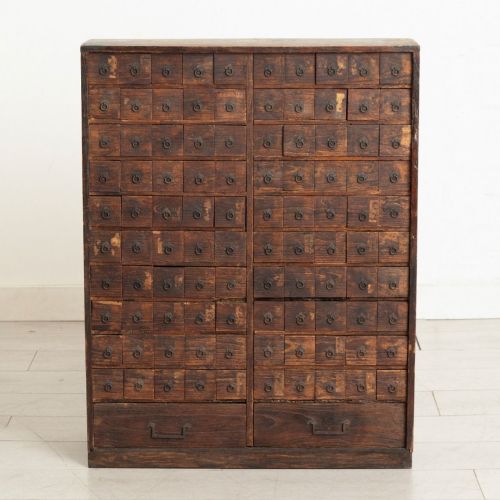
- A multi-drawer cabinet originally utilised by pharmacists or herbalists for organising small dry goods and ingredients. These units feature banks of numerous small drawers.
Antique Timber Storage Drawers: Frequently Asked Questions
What is a Wellington chest?
A Wellington chest is a tall, narrow set of drawers secured by a hinged vertical locking bar on the side. This design allowed owners to lock all drawers simultaneously.
Such chests were typically used in bedrooms and studies during the 19th Century for organising papers or personal items.
How do I identify a Georgian chest?
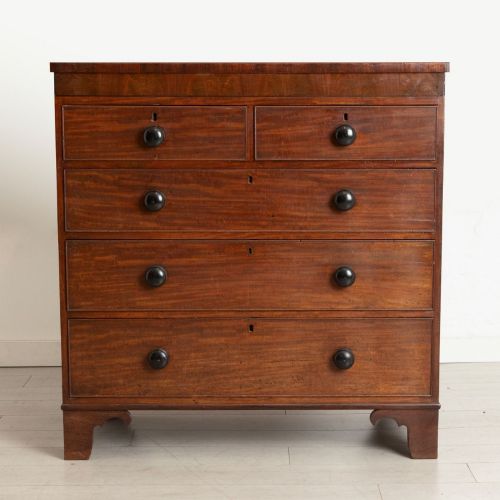
Georgian chests generally display formal proportions, hand-cut dovetail joinery, and bracket feet or plain plinths. Woods like mahogany and oak predominate in this era.
Look for original brass swing handles and backplates, which follow specific period fastener styles.
Where were apothecary cabinets used?
Apothecary cabinets served chemists, herbalists, and apothecaries for storing dry ingredients, roots, and powders. The numerous small drawers kept distinct substances separated.
Domestic settings later adopted smaller banks of drawers for general organisation and collection storage.
What is scumble paint?
Scumble paint is a decorative surface finish applied with brushes or combs to simulate grain or create mottled patterns. It was common in country houses.
This technique protected cheaper woods while adding visual texture and colour to utilitarian furniture.
How do I care for antique timber?
Keep timber storage drawers away from direct heat sources and drastic humidity changes to prevent wood splitting. Maintain a stable room environment.
Dust regularly with a soft cloth and apply occasional wax suitable for historic polished wood surfaces.