



Antique Timber Rack
An antique timber rack keeps your hallway and living spaces orderly, bringing traditional craft and solid woods like mahogany, oak, and pine into daily service.
Antique Timber Rack
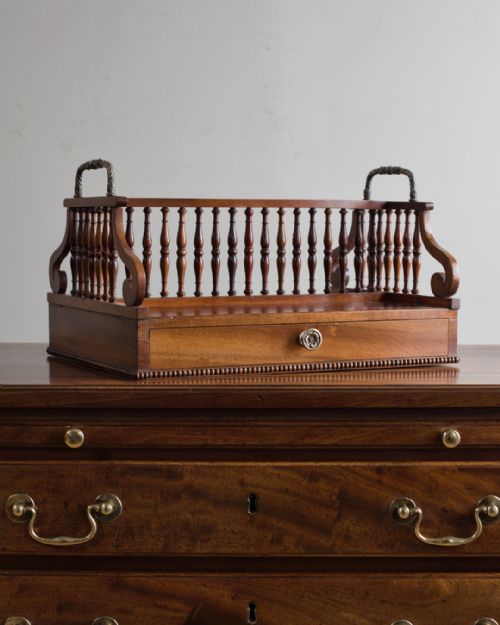
When you search for an antique timber rack, you encounter a practical grouping of hall stands, coat racks, umbrella stands, and luggage stands spanning the eighteenth century through the Edwardian era and the early twentieth century.
The pieces you meet most often on this page are Victorian and Edwardian hallway furnishings, alongside regional country items and workshop pieces constructed from solid timber.
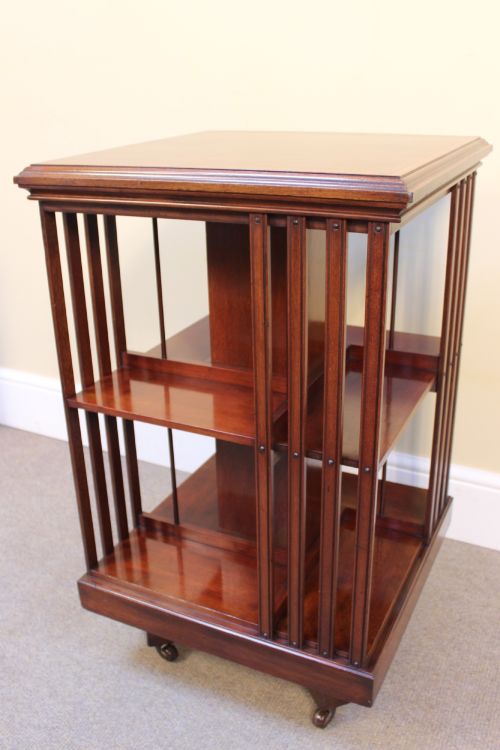
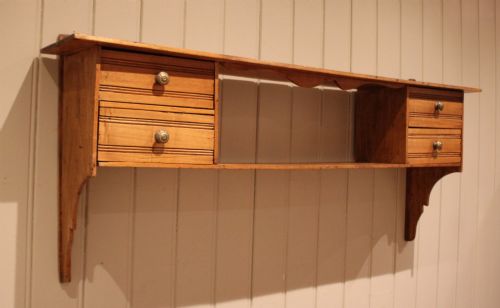
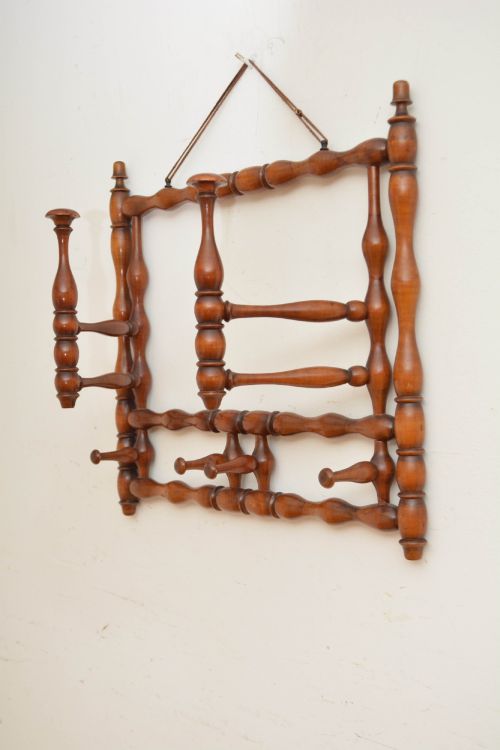
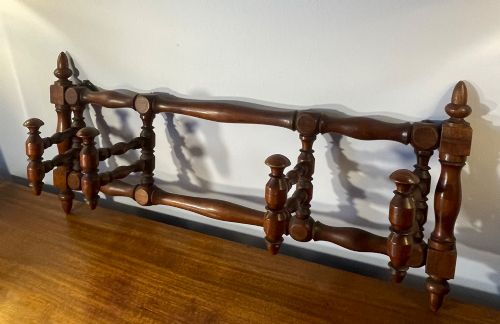
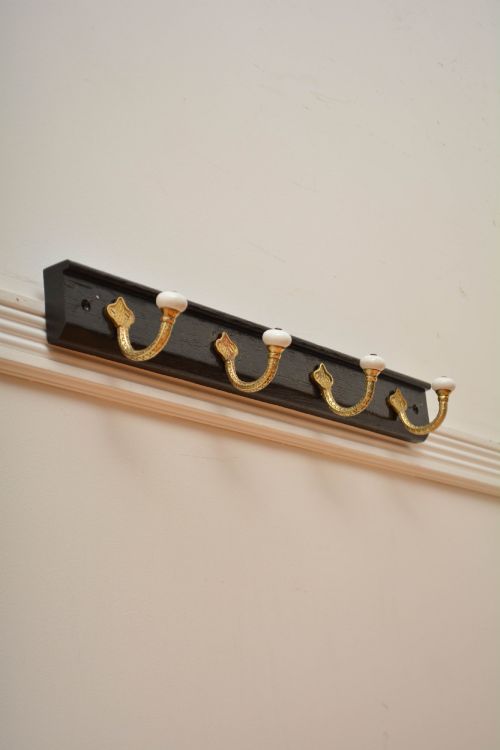
Forms range from wall-mounted coat hooks and game hook racks to substantial freestanding hall stands, revolving bentwood hatstands, and boot racks designed for heavy daily use.
How makers built these racks
Cabinet makers and joiners utilised hardwoods and softwoods including mahogany, oak, walnut, beech, pine, and pitch pine, often combining structural timbers with turning, carving, and bentwood techniques.
Metal elements such as brass hooks, brackets, and copper fittings appear frequently alongside ceramic mounts, adding functional durability to the wooden frames.
Antique Timber Rack Retail Price Guide 2026
Typical asking prices for timber rack among the pieces listed under this phrase on Sellingantiques today, from the lower quarter to the upper quarter. They describe what is for sale here now, not the wider market.
Materials recorded here include mahogany, oak, walnut, beech, pine, brass, and ceramic.
What distinguishes quality in timber racks
The standard of a piece depends upon the choice of timber and the integrity of its construction, with solid hardwoods and figured veneers marking out finer examples against simpler utility items.
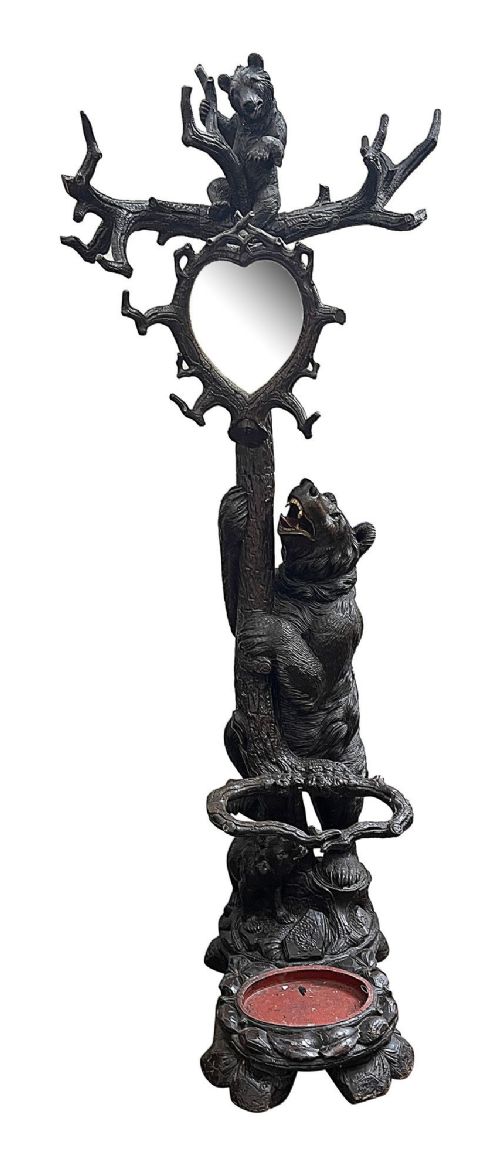
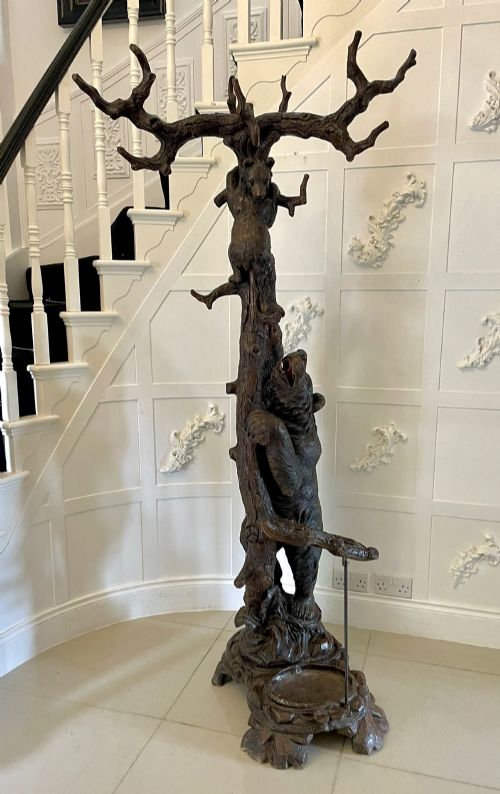
Detailing in the turning, hand-carved elements such as Black Forest animal motifs, and original matching brass or ceramic hardware separate workshop pieces from standard commercial production.
Brown & Lamont
The Antique Timber Rack Glossary
- Hall Stand
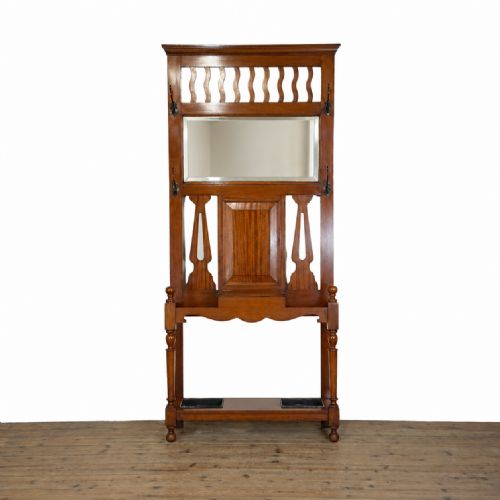
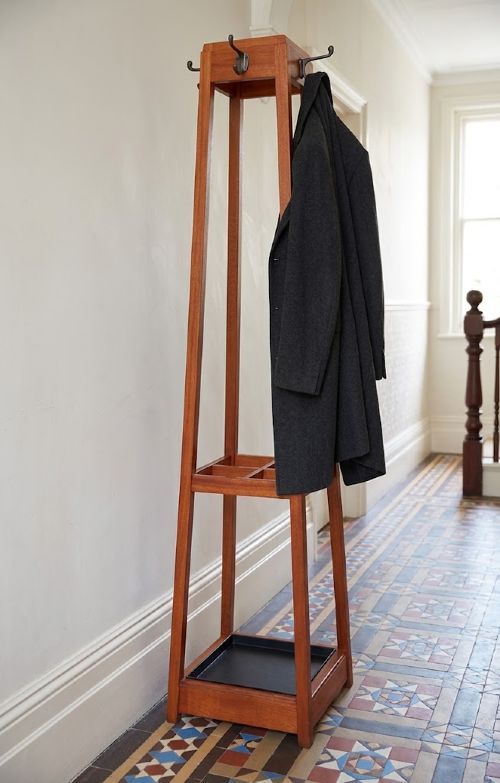
- A freestanding hallway item combining coat hooks, a hat shelf, an umbrella stand, and often a central mirror or glove drawer. These pieces anchor traditional entrance halls.
- Bentwood
- Wood softened by steam and bent into curved structural shapes. This technique defines many revolving hatstands and coat racks from the late nineteenth and early twentieth centuries.
- Luggage Stand
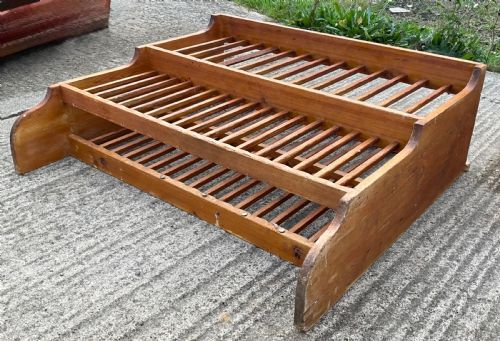
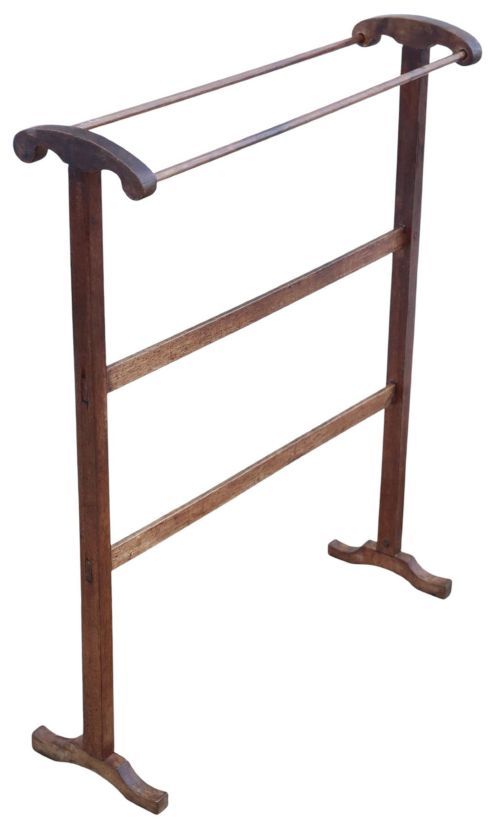
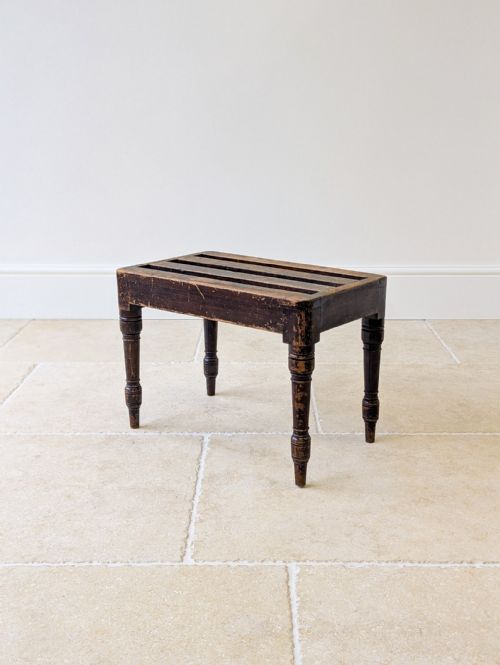
- A low folding or rigid wooden frame designed for resting suitcases or trunks at a convenient height. They frequently feature slatted tops and sturdy legs.
- Hook Rack
- A wall-mounted wooden rail holding metal coat, hat, or game hooks. Early examples serve utility purposes in kitchens, pantries, and boot rooms.
- Umbrella Stand
- A freestanding container or framed rack for walking sticks and umbrellas, often incorporating a metal drip tray at the base to catch rainwater.
Antique Timber Rack: Frequently Asked Questions
What is an antique timber rack used for?
These racks serve practical storage roles for coats, hats, umbrellas, walking sticks, and boots in hallways and boot rooms.
Historically, they provided organised storage for outdoor wear as visitors entered a home, a function they continue to perform in modern interiors.
How do I date an antique coat or hall stand?
Dating relies on observing timber choices, construction methods, and stylistic details that align with periods like the Regency, Victorian, or Edwardian eras.
For instance, heavy carved decoration often points to Victorian or Black Forest craftsmanship, while lighter bentwood designs belong to the turn of the twentieth century.
Where should I place a hall stand at home?
Hall stands and coat racks suit entranceways, hallways, and boot rooms where outdoor clothing and accessories collect.
Wall-mounted hook racks fit narrow corridors, whereas freestanding hall stands require adequate floor space to display their full framework safely.
What timbers were used for these racks?
Cabinet makers utilised a range of domestic and imported woods depending on the period and regional style of the piece.
Mahogany, oak, walnut, beech, pine, and pitch pine appear across the listings, sometimes paired with brass and ceramic fittings.