
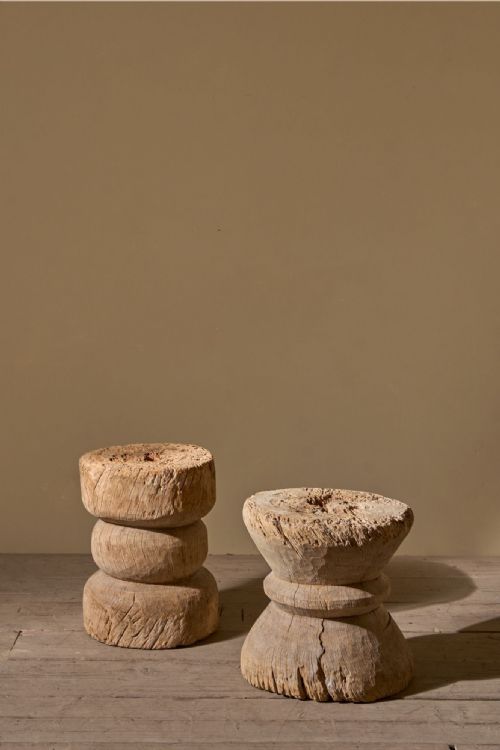
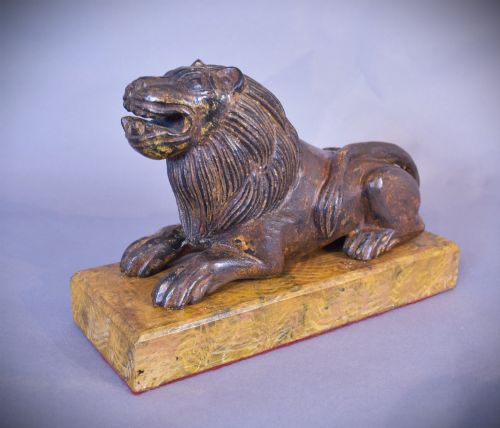
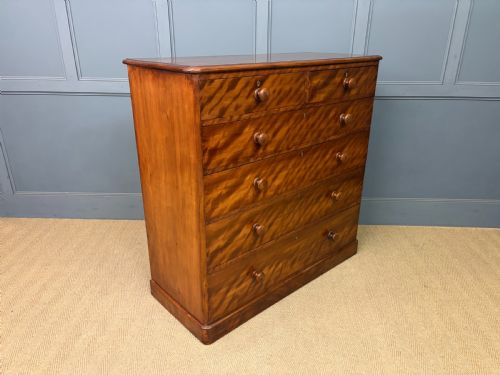
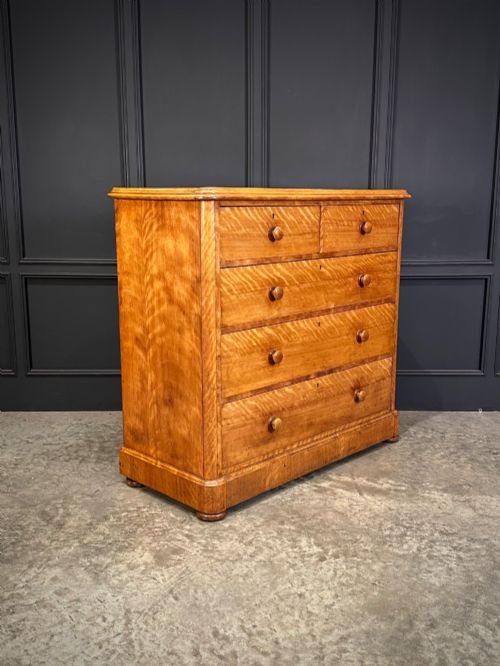


Antique Timber Plinths
These antique timber plinths elevate sculpture and display objects, offering robust support and period character from the nineteenth century onwards.
Antique Timber Plinths
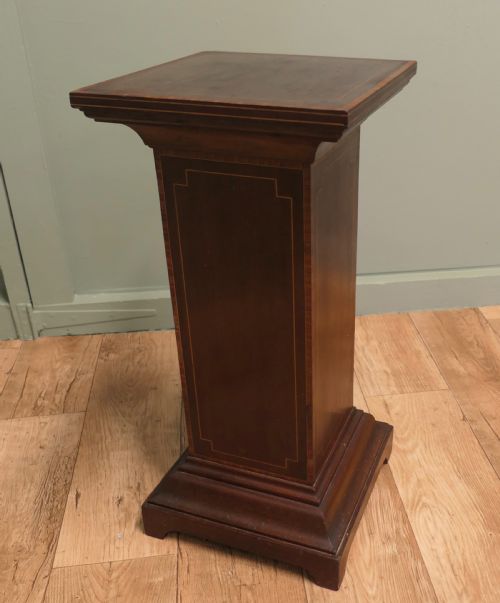
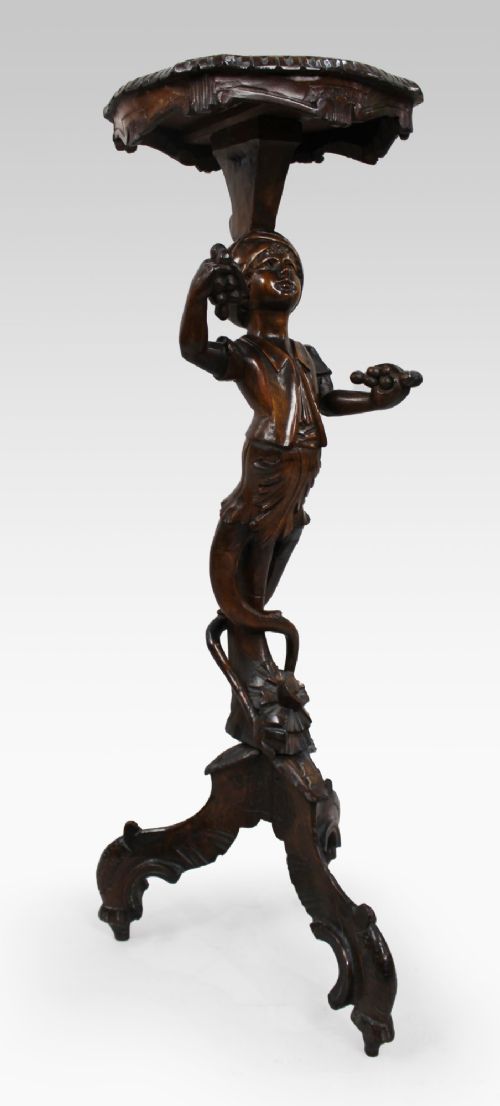
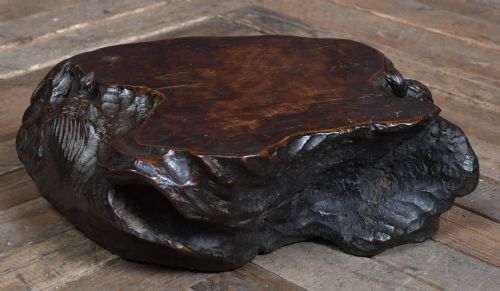
When you search for antique timber plinths, you are looking at substantial stands, columns, and pedestals designed to elevate sculpture, vases, and display objects. These pieces range from simple turned wooden columns to elaborately carved figures and architectural stands.
The selections available lean heavily toward nineteenth-century Victorian pieces, alongside Edwardian examples and occasional Georgian or earlier works. Alongside dedicated pedestals, you will frequently encounter related column stands and display furniture built to showcase decorative arts.
How they were made
Carpenters and cabinetmakers utilised dense hardwoods like mahogany, satinwood, rosewood, and walnut, frequently turning them on lathes to create classical column profiles. Carved elements required skilled handiwork, utilising timber bases supplemented by applied brass fittings or painted faux marble finishes.
Construction techniques prioritized structural stability to bear the weight of heavy bronze or marble sculptures placed atop them. Many examples incorporate clever internal engineering, such as secret compartments or cupboard spaces within the pedestal shaft.
What varies in quality
Quality rests primarily on the depth and crispness of the hand-carved ornamentation, distinguishing workshop pieces from mass-produced turned columns. Dense timbers like figured mahogany and rosewood command greater respect than softer pine or secondary woods.
Proportion and architectural balance dictate the overall success of a column or pedestal, ensuring it supports heavy sculptural weight without visual top-heaviness. Original painted surfaces or untouched patination on nineteenth-century timbers elevate the desirability of a stand.
Heal And Son
The Antique Timber Plinths Glossary
- Plinth
- A heavy base supporting a statue, vase, or column. It forms the solid foundation that anchors the display piece to the floor.
- Pedestal
- An upright architectural support used to elevate works of art. These structures often feature square or circular tops with decorative capitals and bases.
- Column
- A vertical pillar of circular section, typically comprising a base, shaft, and capital. Many nineteenth-century examples imitate classical architectural orders.
- Satinwood
- A durable, lustrous timber native to India and Ceylon, prized for its golden yellow sheen and fine grain. Cabinetmakers utilised it extensively during the Georgian and Victorian periods.
- Medici lion
- A sculptural representation of a lion, modelled after the famous marble pair in Florence. These figures frequently guard the bases of grand nineteenth-century displays.
Antique Timber Plinths: Frequently Asked Questions
What is an antique timber plinth used for?
These architectural stands serve to elevate sculptures, vases, and decorative objects to eye level for proper viewing.
Historically, they anchored formal drawing rooms and galleries, allowing three-dimensional art to occupy the centre of a space.
How do I date an antique wooden column?
Dating relies on identifying the timber species, turning styles, and tool marks visible on the underside or interior surfaces.
Nineteenth-century pieces often display machine-assisted turning alongside hand-finished carving, whereas earlier Georgian stands show entirely hand-wrought joinery.
Can these pedestals support heavy marble sculptures?
Most timber pedestals and columns are engineered from dense hardwoods like mahogany and rosewood specifically to bear significant weight.
Their broad base footprints ensure stability when holding heavy bronze or stone figures.
What is the difference between a plinth and a pedestal?
A plinth strictly refers to the flat base block supporting a statue or column, though the terms often merge in modern descriptions.
A pedestal includes the entire vertical structure comprising the base, shaft, and upper platform.