



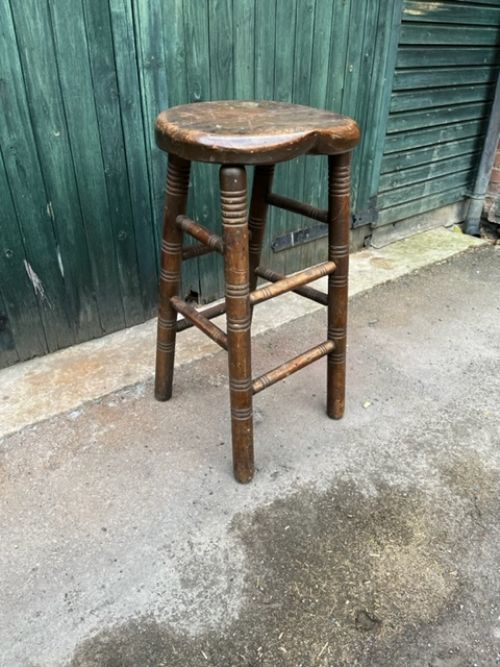

Antique Timber High Chair
These antique timber high chair pieces bring centuries of domestic craftsmanship into the nursery, offering robust solid wood construction built to endure.
Antique Timber High Chair
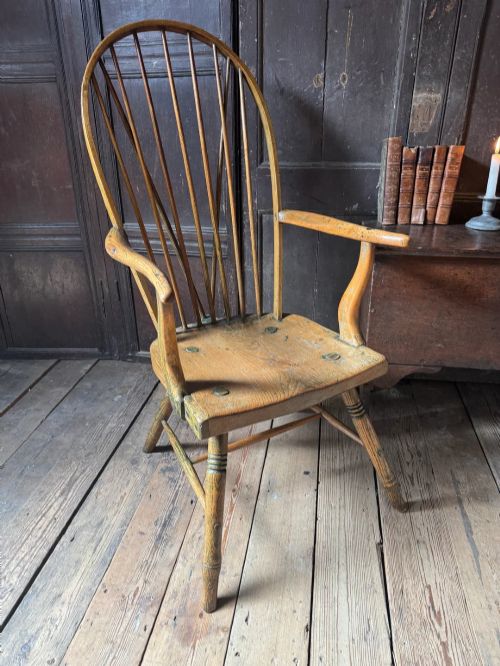
An antique timber high chair is a sturdy piece of children's seating designed to raise a child to table height, drawing on regional vernacular traditions. Most examples met on this page originate from the Georgian and Victorian periods, alongside specific regional styles like the Windsor.
Makers fashioned these child seats from domestic hardwoods suited to daily use, often shaping them as scaled-down armchairs or comb-back Windsors. They served a purely domestic purpose in family homes before surviving as decorative antiques cherished for their diminutive scale.
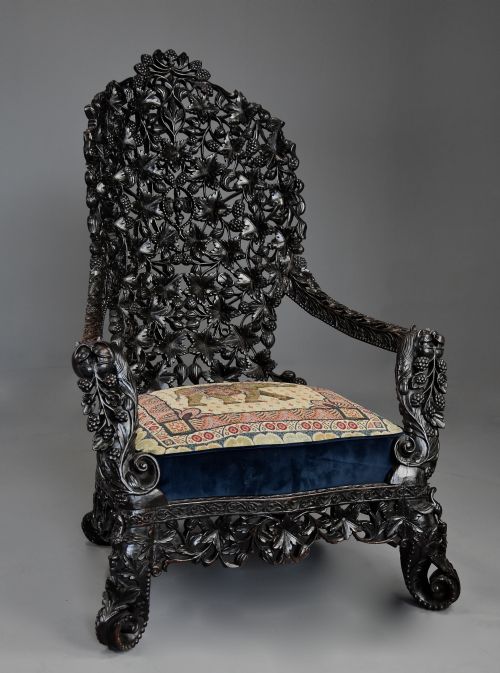
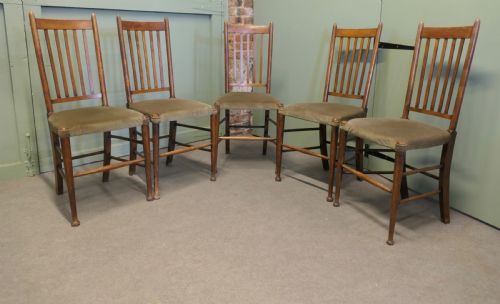
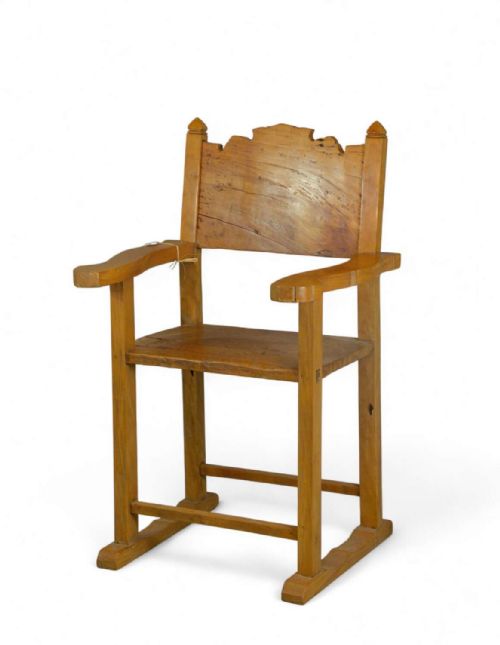
The selection ranges from vernacular ash and elm pieces to mahogany and rush-seated variants. Each piece reflects the everyday domestic life of past centuries through robust wooden joinery.
Materials and construction methods
Woodworkers built these high chairs primarily using solid timbers like elm, ash, oak, and mahogany, chosen for their strength and grain. They employed traditional joinery techniques, such as pegged mortise and tenon joints and turned spindles, to ensure the frames withstood heavy daily use.
Vernacular makers often combined timbers within a single chair, pairing elm seats with ash spindles and legs for maximum structural resilience. Surface finishes were kept simple, relying on natural wax or polish to protect the timber over generations.
Determinants of quality
Quality in an antique timber high chair rests on the integrity of its original timber and the subtlety of its turned components. Superior pieces display harmonious proportions and careful selection of native woods rather than excessive ornamentation.
The condition of the structural frame and the presence of untouched surfaces dictate the standing of a piece. Original construction methods, such as hand-turned spindles and wedged legs, elevate an example far above later replacements.
The Antique Timber High Chair Glossary
- Windsor chair
- A wooden chair constructed with a solid timber seat into which the legs and back spindles are directly inserted. This method provides immense structural strength.
- Vernacular furniture
- Items made by local craftsmen for everyday use, following regional traditions rather than metropolitan high styles. These pieces often utilise local timber species.
- Comb-back
- A Windsor chair variation where the top rail resembles the spine of a comb, featuring upward-projecting spindles. It offers a distinct profile found in country seating.
- Rush seating
- Woven seating material made from dried marsh plants, commonly utilised in traditional ladderback chairs. It provides a flexible and durable surface.
Antique Timber High Chair: Frequently Asked Questions
Are these high chairs safe for children?
These antique timber high chair pieces were built for historical domestic use rather than modern safety standards. Buyers generally acquire them for display, collection, or gentle decorative placement.
Modern nursery regulations differ significantly from historical manufacturing practices. Collectors treat them as historical artefacts of woodworking rather than practical modern nursery furniture.
How do I date an old high chair?
Dating relies on examining the timber species, tool marks left by hand-working, and the style of the turnings. Georgian and Victorian examples exhibit distinct construction details characteristic of their respective eras.
Comparing the joinery methods and regional vernacular traits helps narrow down the period of manufacture. Regional variations in country workshops often provide key clues to the exact decade.
What woods were commonly used?
Maker workshops utilised sturdy native hardwoods such as elm, ash, and oak for their exceptional strength and resistance to splitting. Mahogany and rosewood appear in more formal Victorian iterations.
Combinations of woods within a single chair, such as elm seats with ash spindles, are typical of country vernacular production. This practical approach utilised the specific mechanical properties of each timber.
How should I care for timber furniture?
Maintaining these pieces requires placing them away from direct heat sources and sudden temperature fluctuations. This prevents the old timber from drying out and splitting.
Applying a traditional beeswax polish occasionally helps nourish the wood grain and preserve the surface patina. Avoid modern chemical cleaning sprays that can damage historical finishes.