

Antique Timber Footstool
An antique timber footstool grounds a room with solid wood and traditional craftsmanship, offering both daily utility and historical character.
Antique Timber Footstool
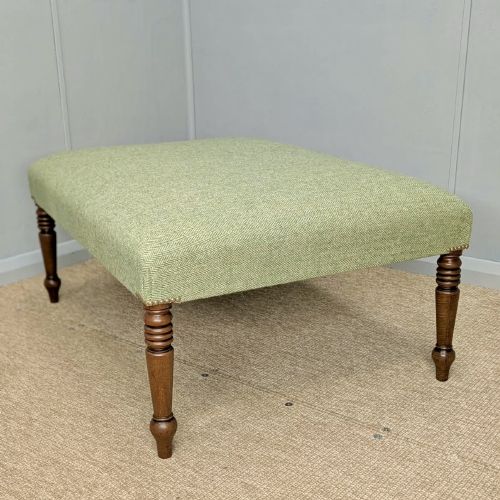
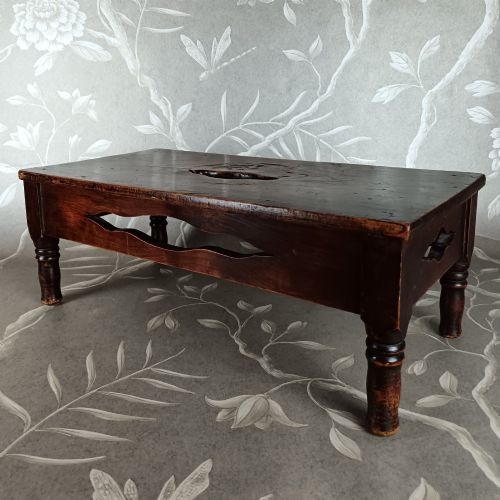
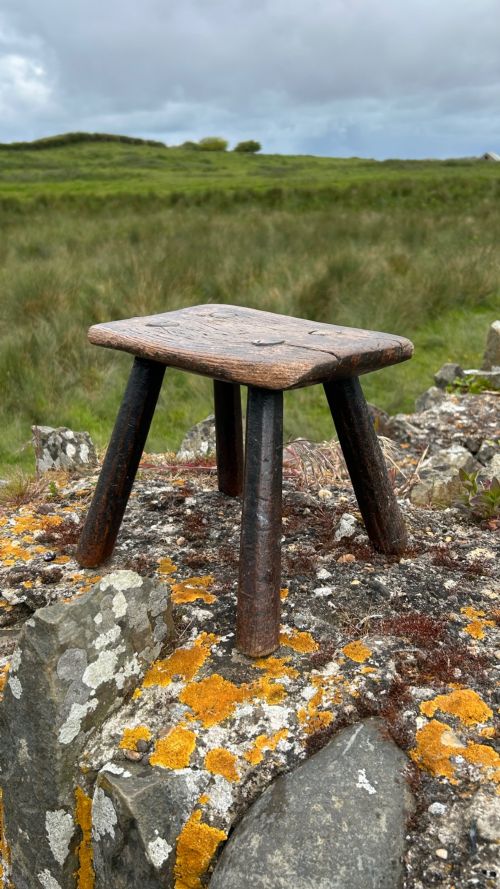
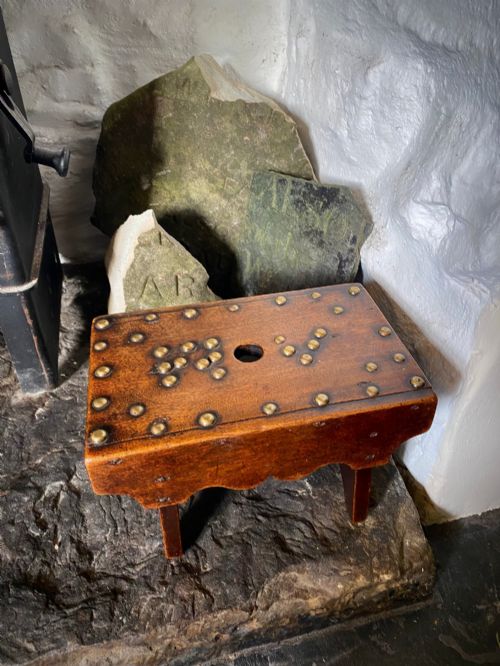
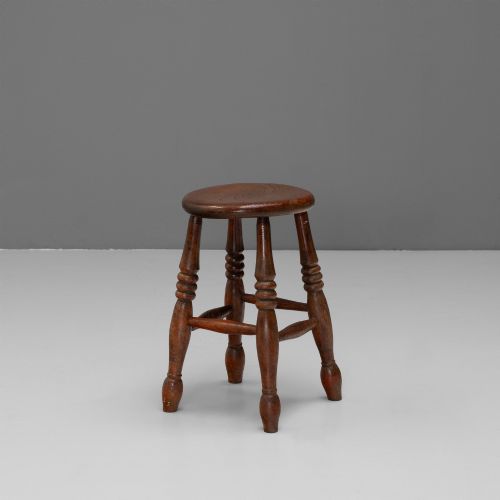
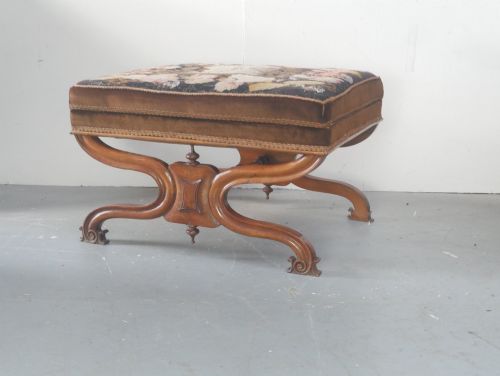
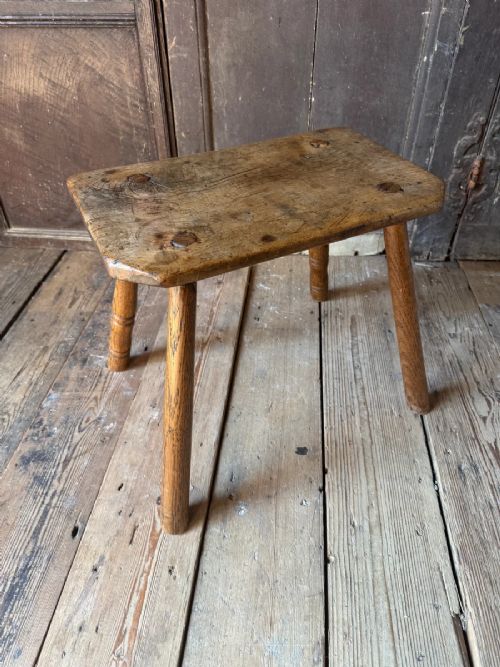
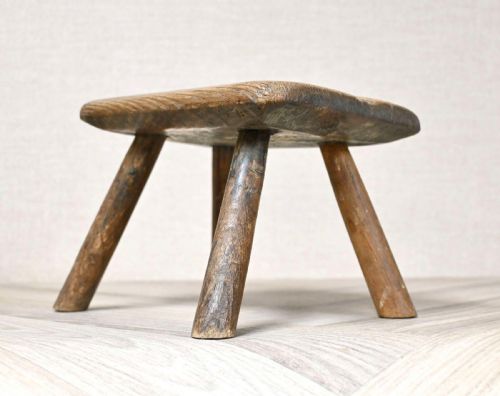
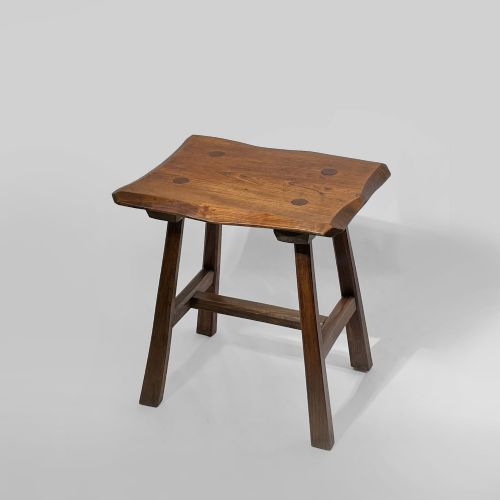
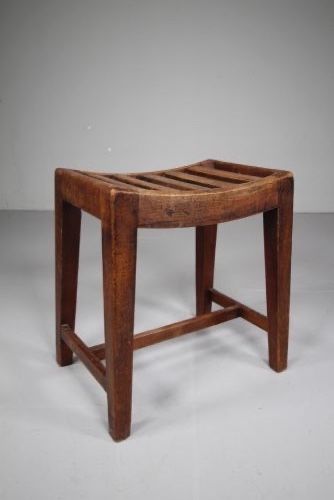
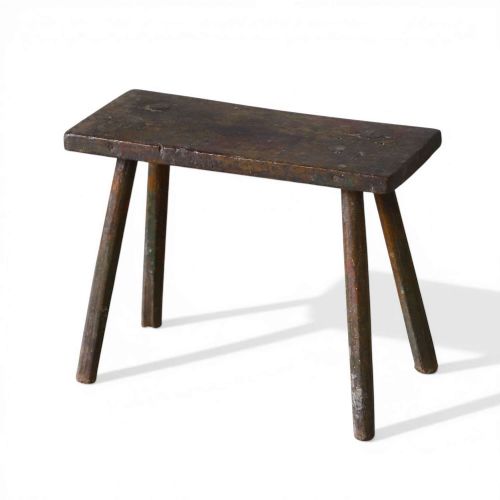
An antique timber footstool brings centuries of domestic seating traditions into a modern interior through small, functional wooden forms. Buyers seeking an antique timber footstool will encounter pieces ranging from simple vernacular milking stools and sturdy joint stools to formal mahogany and walnut designs from the eighteenth and nineteenth centuries.
The selection leans heavily toward nineteenth-century country pieces, including Windsor models, turned wood stools, and low hearth seats. Alongside these rural examples, formal Georgian styles and later twentieth-century iterations appear in hardwoods and softwoods alike.
Materials and construction
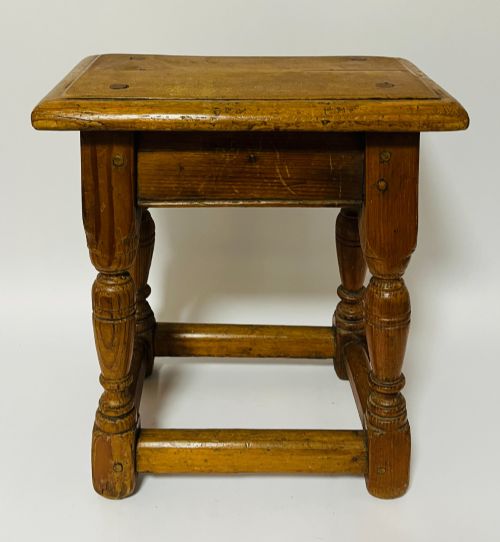
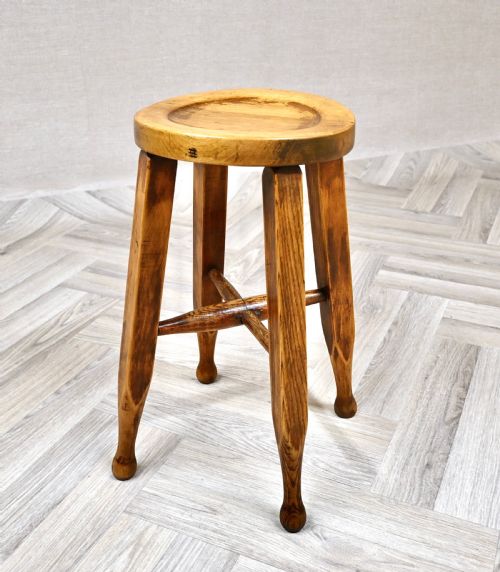
Constructed from a diverse range of timbers, these stools utilise native and exotic woods such as oak, mahogany, elm, sycamore, ash, walnut, teak, and burr yew. Joinery methods vary from traditional pegged joints in early joint stools to turned legs and cross stretchers in later seating.
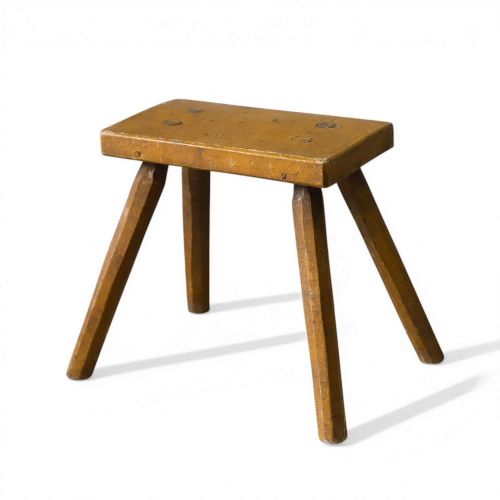
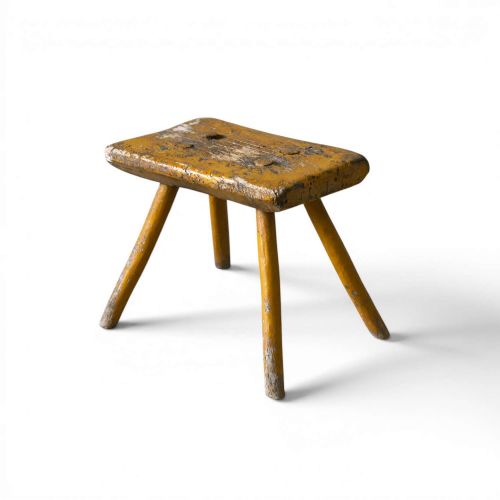
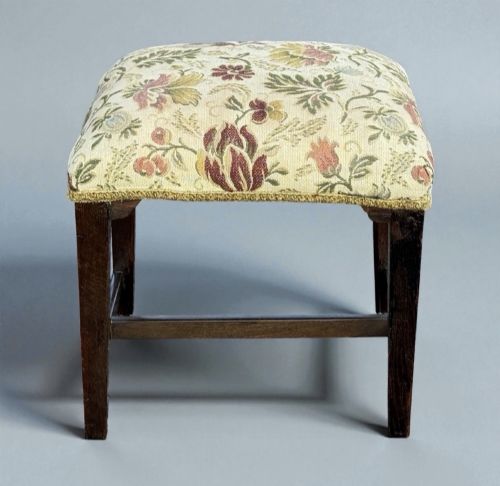
Surface finishes include original paintwork in ochre, yellow, and green, alongside waxed timber surfaces and hand-carved decorative elements. Upholstered variants incorporate fabrics, velvet, and woven rattan to add cushioning to the wooden frames.
Antique Timber Footstool Retail Price Guide 2026
Typical asking prices for timber footstool among the pieces listed under this phrase on Sellingantiques today, from the lower quarter to the upper quarter. They describe what is for sale here now, not the wider market.
The listings span from the eighteenth century through the twentieth century, featuring oak, elm, walnut, and pine alongside upholstered variations.
Evaluating craftsmanship
Quality in these pieces is dictated by the integrity of the timber and the skill of the original joinery rather than decorative flourish alone. Superior examples retain their original structural stability, patination, and uncompromised wooden surfaces without heavy modern intervention.
Finer stools demonstrate thoughtful proportion, careful turning, and timber selection, such as figured mahogany or burr yew. The presence of original surface treatments, whether early paint or aged polish, distinguishes exceptional vernacular items from later modifications.
The Antique Timber Footstool Glossary
- Joint stool
- An early form of wooden stool constructed with pegged mortise and tenon joints rather than turned legs. These sturdy items served multiple household purposes before specialised seating became common.
- Windsor stool
- A traditional seat featuring legs and spindles wedged directly into a thick sculpted wooden seat. This construction method derives from chair-making traditions using local hardwoods.
- Vernacular stool
- A piece made by local craftsmen using readily available regional materials without adherence to high-style metropolitan fashions. Such objects reflect distinct regional building methods and utility.
- Cross stretcher
- An arrangement of horizontal rails connecting the legs near the base to provide structural rigidity. They frequently appear on seventeenth and eighteenth-century seating forms.
- Gout stool
- An adjustable footrest designed to elevate and support the foot of someone suffering from joint pain. These pieces often feature pivoting mechanisms to alter the angle of the rest.
Antique Timber Footstool: Frequently Asked Questions
What is a joint stool?
A joint stool is an early wooden seat built with tight pegged joints rather than glued legs. They date from periods when timber framing techniques dominated furniture making.
These pieces were sturdy enough to stand on for household tasks or to serve as small side tables when needed.
How do I date a wooden stool?
Dating relies on examining the tool marks, timber species, joinery methods, and wear patterns across the frame. Hand-cut joinery and native hardwoods often point to earlier centuries.
Later Victorian and twentieth-century examples frequently employ machine-sawn components and different fastener types.
Were milking stools used for milking?
Many three-legged vernacular stools were indeed designed for agricultural use in barns and dairies. Their three-legged construction kept them stable on uneven stone or earth floors.
Today they function readily as low seats or decorative plant stands in domestic settings.
How do I care for antique timber?
Maintain antique wood by keeping it away from direct heat sources and sudden humidity changes. An occasional application of traditional wax helps nourish the dry grain.
Avoid modern liquid polishes that can build up a sticky residue over the historic surface.