








Antique Timber Display Shelving
Antique timber display shelving unites open bookcases, wall shelves, and cabinets designed to present books and prized objects.
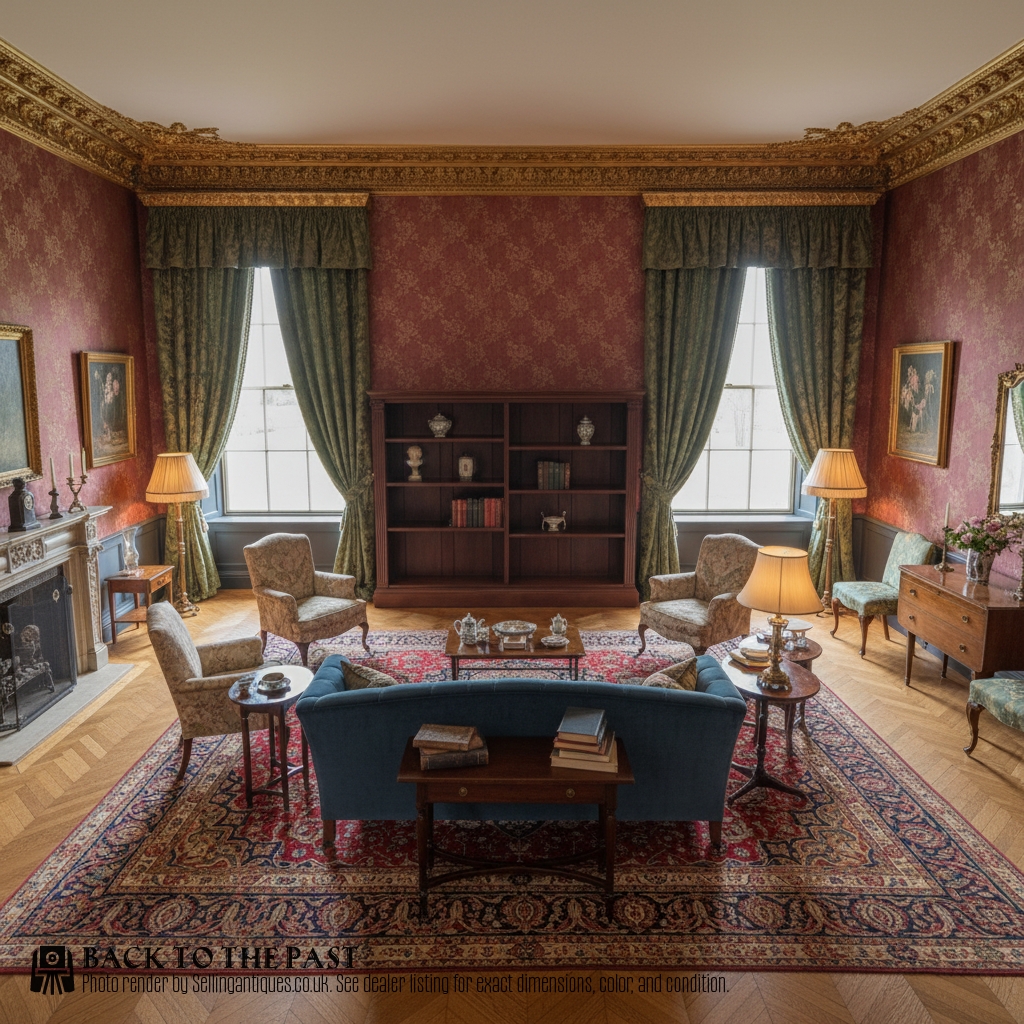
Antique Timber Display Shelving
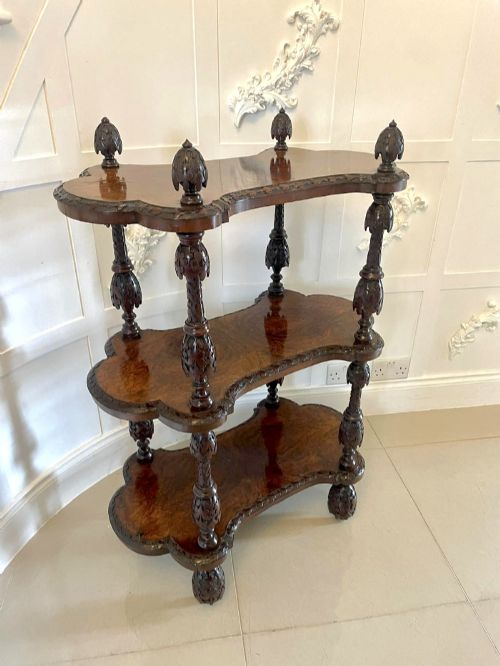
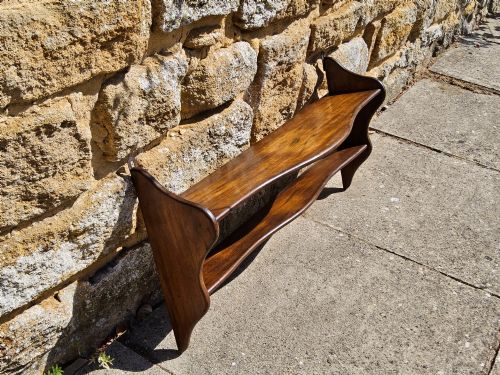
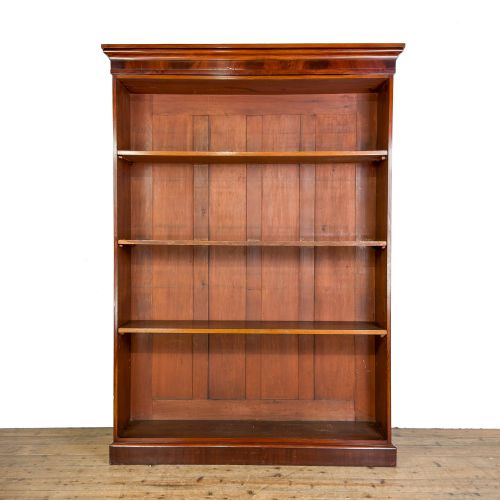
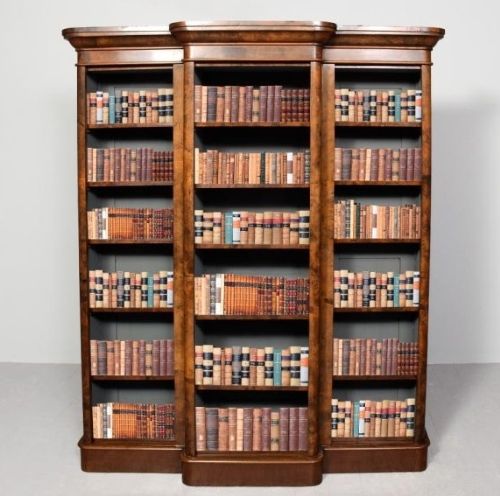
Antique timber display shelving encompasses open bookcases, wall shelves, breakfront cabinets, and whatnots designed to hold books and decorative objects. When searching for antique timber display shelving, buyers encounter forms ranging from compact Victorian open bookcases to large breakfront units and wall-mounted shelves.
The pieces originating across the eighteenth, nineteenth, and early twentieth centuries utilise various structural formats. Wall-mounted shelves and corner whatnots save floor space, whilst larger breakfront bookcases and Chinese hardwood cabinets anchor a room.
How they were made
Cabinetmakers constructed these pieces using dense hardwoods including mahogany, oak, walnut, rosewood, and padauk. Timber boards were joined using traditional methods to support the weight of books and display items over centuries.
Surface treatments involved careful carving, turning, and polishing to highlight the natural grain of woods such as burr walnut and satin birch. Brass fittings and glass panels appear on cabinet doors and display sections.
Antique Timber Display Shelving Retail Price Guide 2026
Typical asking prices for timber display shelving among the pieces listed under this phrase on Sellingantiques today, from the lower quarter to the upper quarter. They describe what is for sale here now, not the wider market.
The selection includes regional variations such as Anglo-Indian padauk shelves and Japanese Meiji period shodana cabinets alongside traditional British bookcases.
What varies in quality
Quality rests in the selection of timber figures, such as burr walnut or figured mahogany, matched across the visible surfaces of the shelving. Superior construction shows in stable joints, well-fitted adjustable shelves, and crisp execution of carved details.
The integrity of the timber, the subtlety of any inlay, and the retention of original brass hardware distinguish standard utility furniture from pieces produced by distinguished cabinetmakers.
Gillows
The Antique Timber Display Shelving Glossary
- Breakfront
- A cabinet or bookcase whose central section projects forward from the flanking outer sections. This architectural arrangement adds depth and visual interest to large library pieces.
- Whatnot
- A piece of freestanding furniture composed of several open shelves placed one above the other, used for displaying ornaments. These were popular throughout the Victorian period.
- Shodana
- A traditional Japanese display cabinet featuring asymmetrical shelving and small cupboards. These pieces arrived in Western markets during the late nineteenth century.
- Padauk
- A heavy, durable tropical hardwood with a reddish hue used in Anglo-Indian furniture. It resists decay and accepts fine carving.
- Plate rack
- A wall-mounted wooden rack fitted with grooves or rails to hold plates upright. Georgian examples provide functional kitchen or dining room storage.
Antique Timber Display Shelving: Frequently Asked Questions
How do I style antique shelving?
Integrate open shelves into a room by balancing rows of books with ceramic objects and framed artwork. Vary the heights and depths of items placed on the timber surfaces to create visual harmony.
Ensure that heavier volumes sit on the lower shelves for stability while lighter decorative pieces occupy the upper tiers. This arrangement respects the weight limits of antique timber.
Are these shelves suitable for heavy books?
Many period bookcases feature adjustable wooden shelves designed to hold substantial libraries. Solid mahogany, oak, and walnut structures provide the necessary strength for daily use.
Check the thickness of individual boards and the support brackets before loading large volumes onto antique shelves. Fixed shelves generally offer greater permanent load-bearing capacity.
What is the difference between an open bookcase and a cabinet?
Open bookcases provide direct, unobstructed access to books and objects without doors. They emphasise the vertical lines of the timber sides and the arrangement of book spines.
Cabinets enclose the storage space behind glass or solid wooden doors to protect delicate items from dust. Many nineteenth-century designs combine glazed display sections with lower enclosed cupboards.
How do I date an antique bookcase?
Examine the secondary woods, construction marks, and overall architectural style to determine the period. Victorian and Edwardian pieces often display machine-sawn elements and standardised screws, whereas eighteenth-century furniture reveals hand-cut joinery.
Look at the specific decorative motifs, such as Aesthetic Movement carving or Georgian bracket feet, which align with distinct manufacturing eras.