


Antique Timber Chest
An antique timber chest offers robust utility and character, bringing historic warmth and practical storage to any room through enduring materials.
Antique Timber Chest
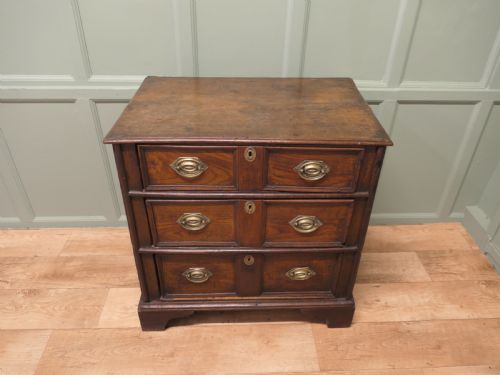
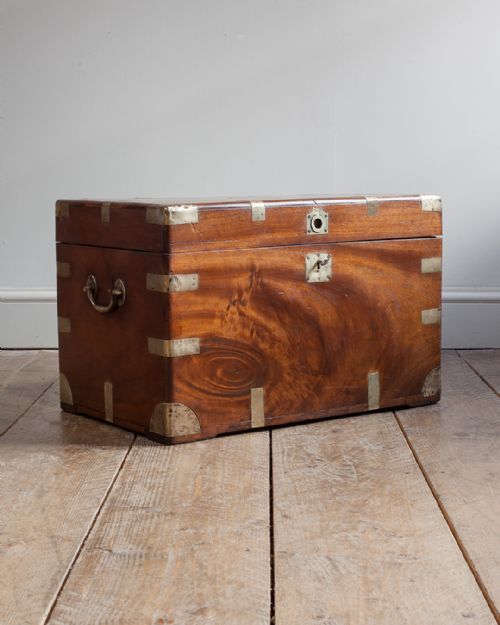
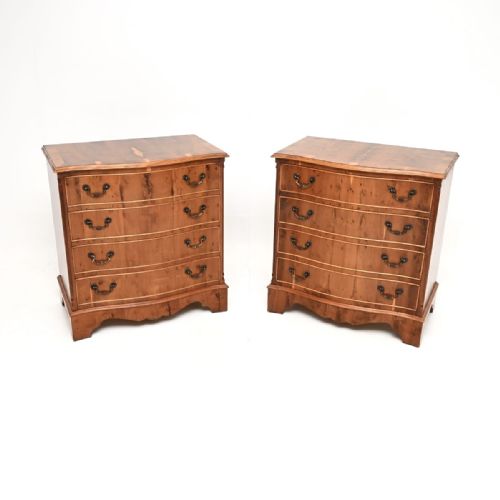
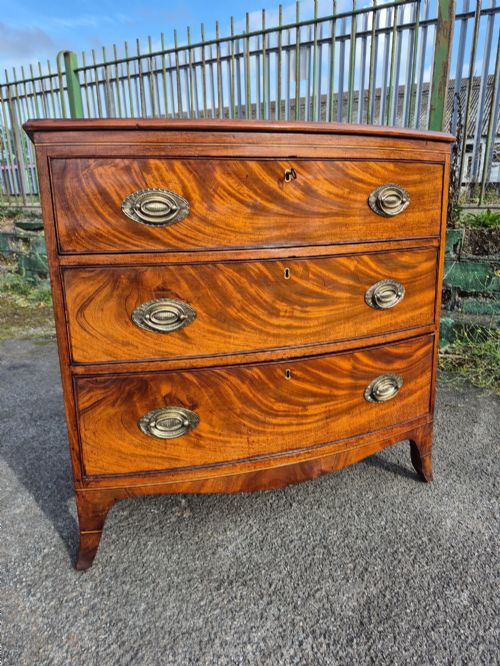
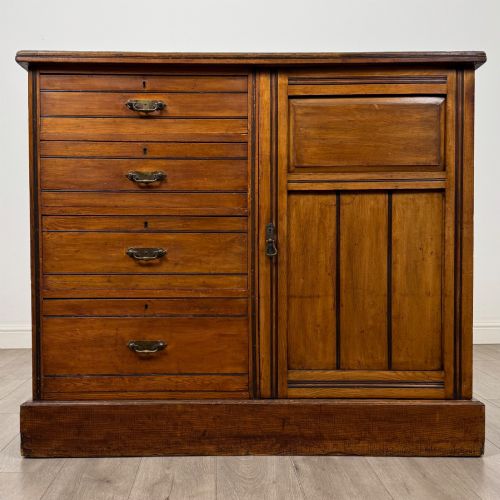
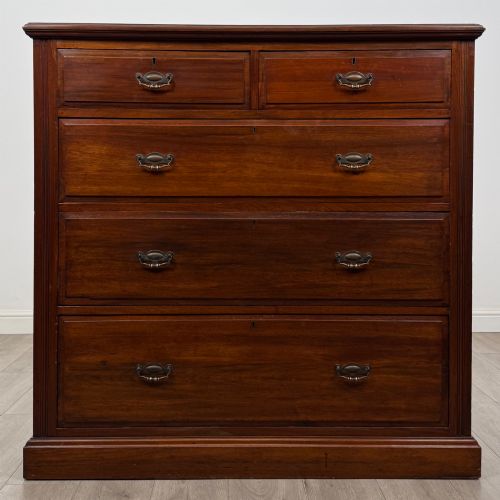
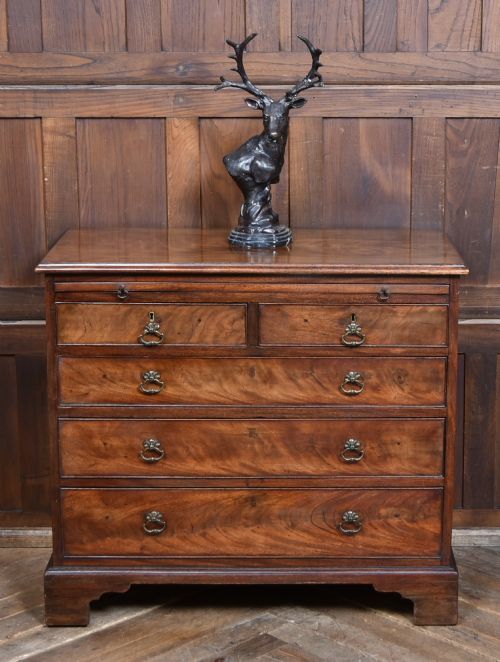
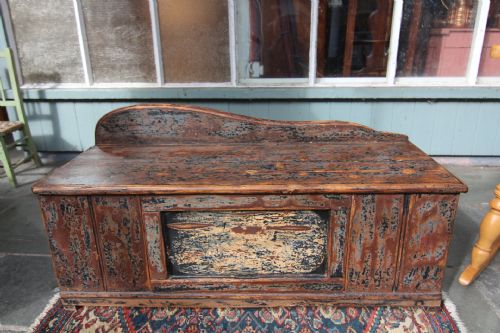
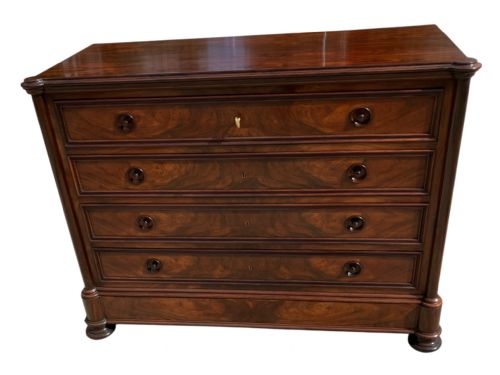
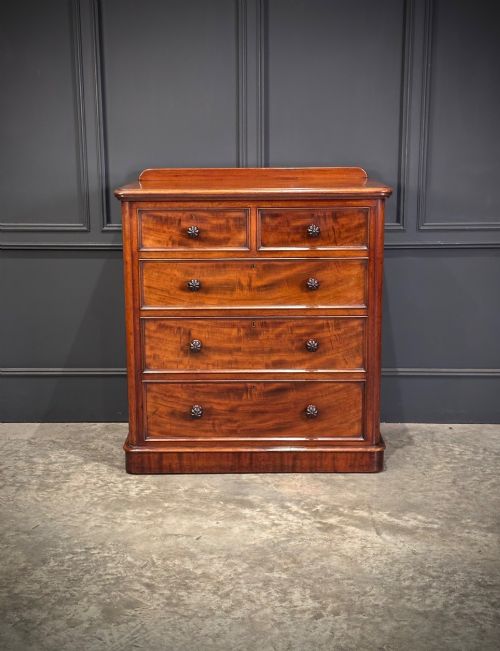
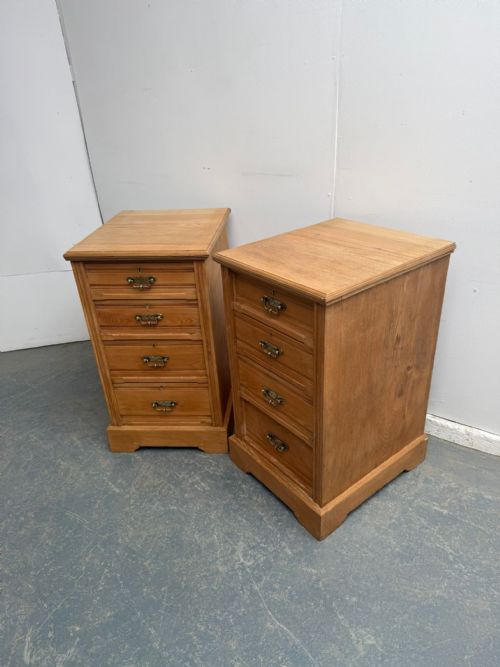
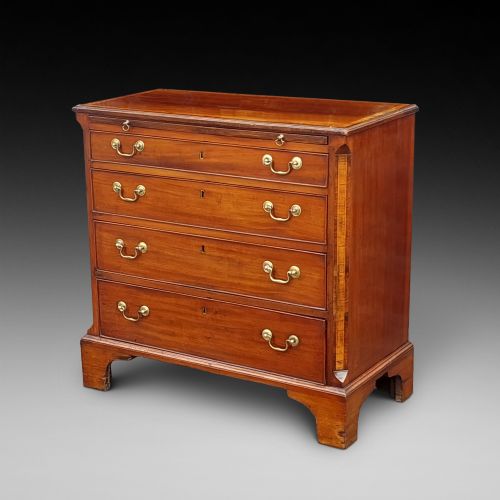
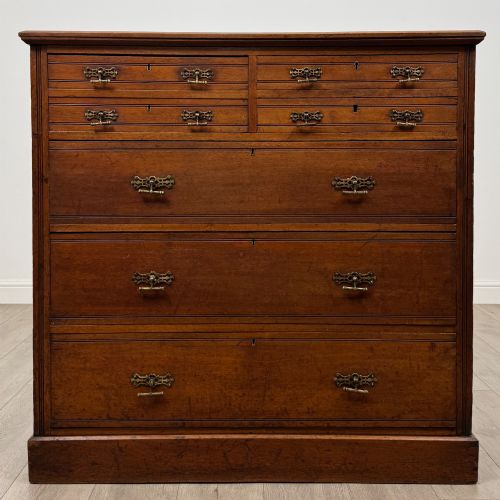
An antique timber chest encompasses a broad category of storage furniture, ranging from rustic coffers and six-plank trunks to refined mahogany and walnut chests of drawers. When searching for an antique timber chest, buyers encounter pieces spanning multiple centuries, from early oak and elm examples to Victorian and Edwardian drawer units.
The selections on this page demonstrate the vast geographical and stylistic reach of wooden storage. Pieces originate from diverse regions, including English country workshops, French provincial settings, and colonial routes that yielded camphor wood and teak campaign chests.
Form follows function closely across these items. Plain blanket chests, domed caskets, bachelors chests, and tall Wellington chests all serve the primary purpose of containing belongings while displaying the natural grain and colour of their respective woods.
Construction and materials
Makers utilised native and exotic timbers depending on the period and intended use of the vessel. Oak, elm, and pine provide structural integrity in earlier coffers and country pieces, while mahogany, walnut, satinwood, and rosewood define later formal case furniture.
Hardware played a functional and decorative role in construction. Iron bindings, brass mounts, and original handles reinforced corners and secured lids on travel trunks and dowry chests, whereas internal dovetail joints secured the drawers of formal cabinets.
Listings feature solid and veneered timbers including oak, mahogany, walnut, elm, camphor wood, and teak spanning the sixteenth to twentieth centuries.
Assessing quality in timber furniture
The standard of timber selection significantly influences the worth of a piece. Desirable examples exhibit thoughtful matching of wood grain, such as burr walnut, burr maple, or figured mahogany veneers applied across drawer fronts and lids.
Originality of surface finish and hardware distinguishes superior specimens. Pieces retaining their initial waxed surfaces, patination, and matching brass handles hold greater integrity than those altered by modern stripping or replacement fittings.
G. Bartholomew & Co·Jas Shoolbred·Whytock and Reid·Heal & Son
The Antique Timber Chest Glossary
- Cofer
- A heavy wooden chest, usually constructed with a flat lid, used historically for storing valuables and textiles. Early examples often employ six-plank construction joined at the corners by pegs.
- Camphor wood
- An aromatic timber frequently utilised for campaign chests and maritime boxes due to its insect-repellent properties. It possesses a distinct scent and a warm reddish-brown hue.
- Dovetail
- A joint used in drawer construction, formed by interlocking wedge-shaped fingers. Hand-cut dovetails indicate traditional craftsmanship prior to mass industrial production.
- Bachelors chest
- A compact drawer unit featuring a fold-over top or a brushing slide above the primary drawers. This form appeared frequently during the Georgian period for writing or dressing.
- Wellington chest
- A tall, narrow set of drawers secured by a locking hinged side flap that fastens over the drawer edges. This specific form emerged during the Victorian era.
Antique Timber Chest: Frequently Asked Questions
What is an antique timber chest used for?
These vessels served diverse storage roles historically, holding everything from household linens and clothing to valuable documents and personal possessions.
Today, they function effectively as living room coffee tables, bedroom storage units, or decorative accent pieces that conceal modern clutter.
How do I date an antique wooden chest?
Dating relies on examining construction techniques, such as the regularity of dovetail joints, alongside timber choices and hardware styles. Earlier pieces often display pegged joints and hand- sawn boards.
Stylistic cues like bracket feet, apron shapes, and veneer types further narrow the period of manufacture, aligning with Georgian, Victorian, or Edwardian design norms.
How do I care for antique wood furniture?
Maintain timber furniture by keeping pieces away from direct heat sources and drastic humidity changes, which cause wood to warp or split. Occasional application of quality wax helps nourish the surface.
Avoid commercial liquid polishes containing silicone, as these build up over time and dull the natural patination of the antique finish.
What is the difference between a coffer and a chest of drawers?
A coffer is a deep box with a lid opening from the top, representing an earlier form of storage primarily used for blankets and bulky items. Access requires reaching downward.
A chest of drawers provides horizontal sliding compartments accessed from the front, allowing organised separation of smaller garments and accessories without moving items stacked on top.