


Antique Timber Candle Stand
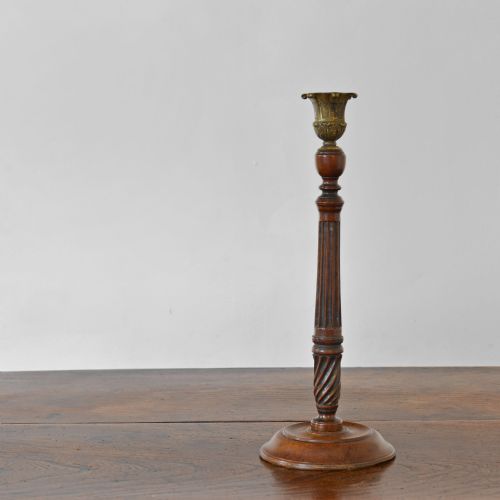
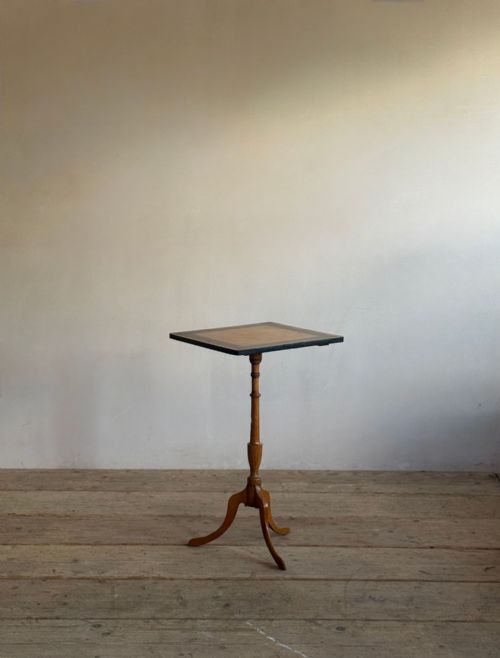
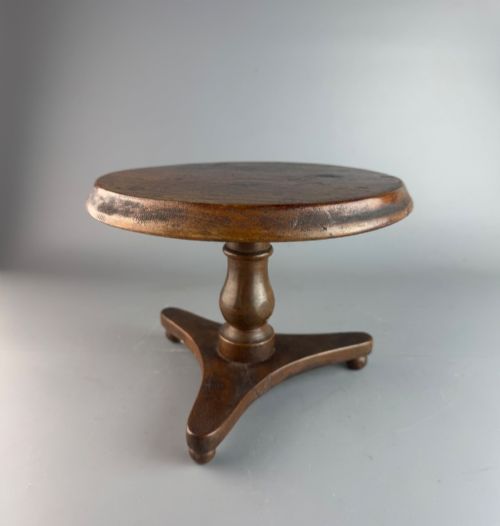
These antique timber candle stands are honest functional objects in mahogany, walnut, and oak that bring warmth and genuine period character to a room.
Antique Timber Candle Stand
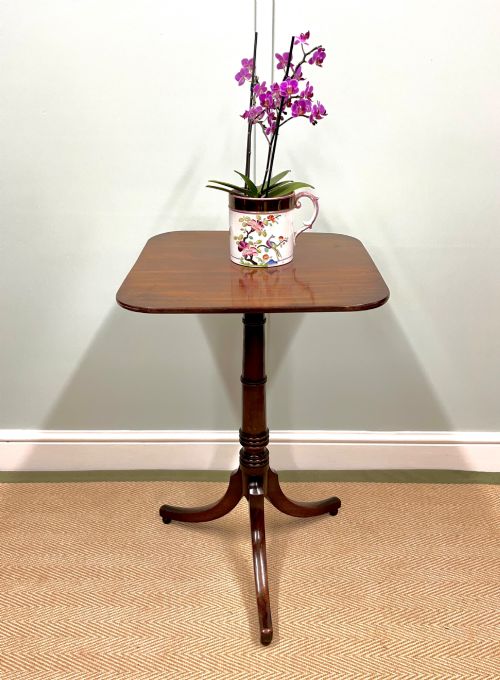
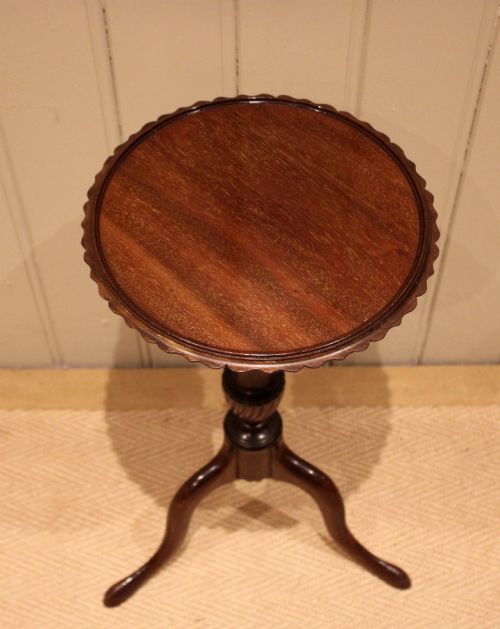
An antique timber candle stand serves to elevate a light source or display a small decorative item upon a tripod or pedestal base. When searching this phrase, buyers encounter a crossover between small occasional tables, wine tables, and tall torcheres.
The examples seen here lean heavily toward Georgian and Victorian interpretations, alongside Edwardian and folk-art pieces. Mahogany dominates the selection, accompanied by walnut, oak, sycamore, and ash.
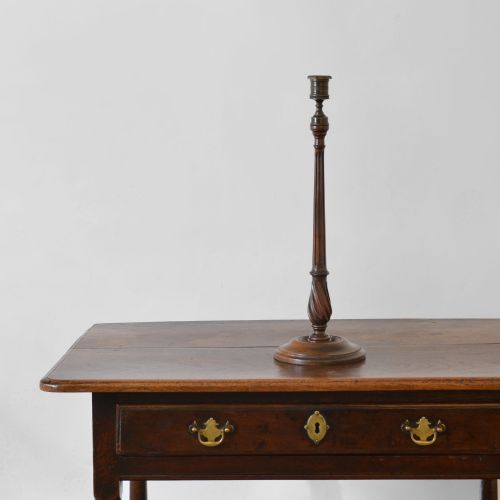
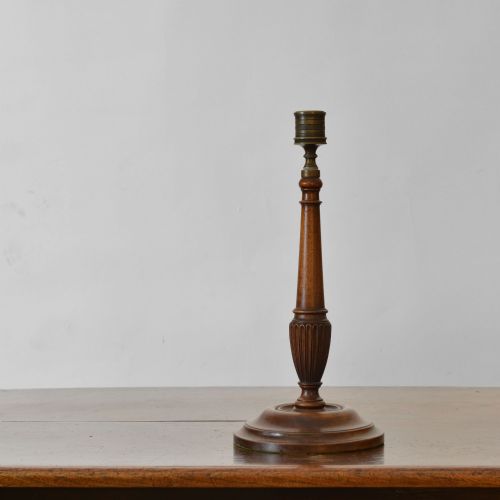
Forms range from slender turned tapers and treen candlesticks to tilt-top wine tables and carved figural torcheres. This variety reflects the practical domestic needs of past centuries.
Materials and construction methods
Cabinet makers utilised dense hardwoods like mahogany and walnut for their strength in slender turned shafts and tripod legs. Turning on a lathe produced balanced stems and candle cups, whilst hand carving added detail to folk art and revival pieces.
Brass fittings occasionally reinforce structural joints or decorate drip pans, adding a contrasting metallic gleam to the timber surfaces. Joinery methods include traditional tenons and pegged joints designed to withstand daily use.
One exceptional folk-art pair depicts tiny wooden poachers carrying game, proving that anonymous rural carvers possessed a wonderful sense of humour.
Differentiating quality across the range
Quality rests in the proportion of the turning and the crispness of any hand-carved detail. Superior pieces show thoughtful grain selection in the timber, particularly where figured walnut or well-matched mahogany tops are employed.
Stability and balance define a better stand, as tripod legs must meet the central column securely without wobble. The depth of the patina built up through generations of polishing further separates standard utility pieces from finer examples.
The Antique Timber Candle Stand Glossary
- Treen
- Small handmade wooden domestic objects. These items show the skill of local turners and carvers working in sycamore, ash, and other native timbers.
- Torchere
- A tall stand designed to hold a light or figure. Originating in the seventeenth century, these stands often feature elaborate carving.
- Tilt-top
- A table mechanism allowing the top to hinge vertically when not in use. This clever design saved valuable floor space in smaller period rooms.
- Tripod base
- A three-legged support structure. This arrangement ensures the stand remains steady even on uneven floorboards.
- Spill holder
- A small container for wooden taper splints. These holders kept the material close at hand to transfer flame from hearth to candle.
Antique Timber Candle Stand: Frequently Asked Questions
How were candle stands used historically?
These stands provided movable lighting points around a room before the advent of electricity. Placed beside seating or beds, they held candles exactly where illumination was needed for reading or handwork.
Larger versions served as torcheres to illuminate dark corners or display prized ornaments. Their portability meant they followed the activities of the household throughout the evening.
How do I care for timber stands?
Keep wooden stands away from direct heat sources and strong sunlight to prevent the timber from drying out and splitting. Regular dusting with a soft, dry cloth preserves the finish.
Apply a traditional beeswax polish sparingly when the wood appears dry. Buffing gently brings back the natural lustre without building up heavy layers of wax.
Are these stands stable enough for daily use?
Most tripod and pedestal stands are remarkably balanced and handle everyday placement of small objects easily. Care should simply be taken not to overload the top surface.
Ensure the legs remain firmly fixed to the central column to maintain stability. Placing them out of main walkways prevents accidental knocks.
What is the difference between a wine table and a candlestick?
Wine tables feature a flat top intended for glasses and bottles, though smaller examples easily accommodate a candle. Candlesticks and torcheres feature dedicated sockets or spikes specifically shaped to hold wax tapers securely.
Both forms share similar tripod or pedestal turnings, blurring the line between furniture and lighting accessory.